
A lush, healthy lawn isn’t just a patch of grass; it’s the welcoming mat to your home, a sanctuary for relaxation, and a canvas for outdoor activities. Achieving and maintaining that perfect green expanse, however, requires the right tools. In 2025, lawn care equipment has evolved, offering homeowners more efficient, eco-friendly, and technologically advanced options than ever before.
This comprehensive guide will walk you through the essential lawn care equipment for homeowners in 2025, focusing on what makes each tool a must-have, key features to look for, and top recommendations to help you make informed decisions. Get ready to transform your yard work from a chore into a satisfying passion!
The Foundation: Lawn Mowers – The Heartbeat of Your Lawn
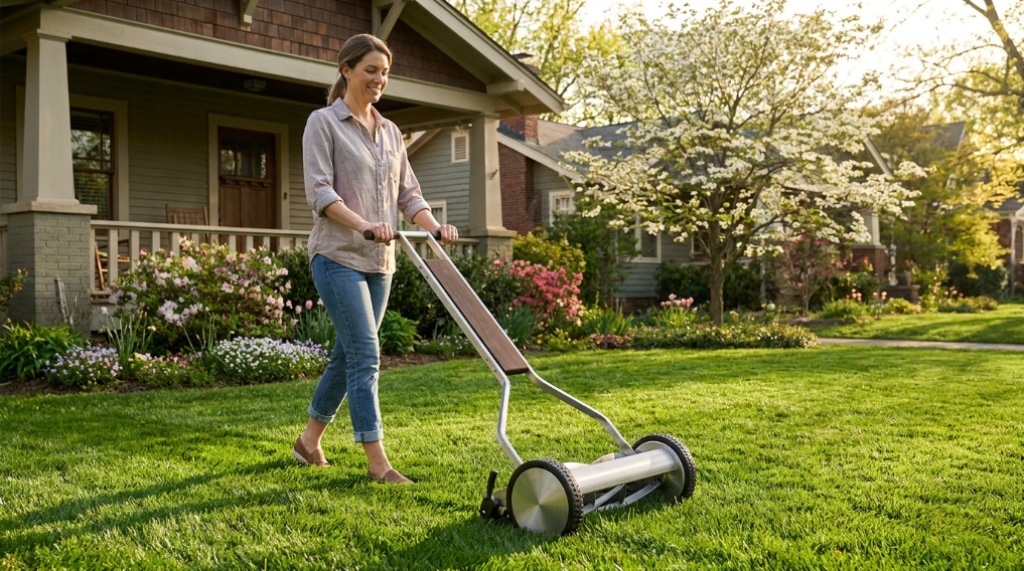
No discussion of lawn care equipment is complete without the lawn mower. The market in 2025 offers a diverse range, from traditional gas-powered beasts to quiet, eco-conscious electric models and even fully autonomous robotic wonders.
Types of Lawn Mowers for Homeowners:
- Electric Mowers (Corded and Cordless): Electric mowers continue to dominate the homeowner market due to their ease of use, lower maintenance, and environmental benefits.
- Corded Electric Mowers: Best for smaller to medium-sized lawns where access to an outlet isn’t an issue. They offer consistent power without worrying about battery life.
- Cordless Electric (Battery-Powered) Mowers: The go-to choice for many homeowners. Advancements in battery technology (like 40V, 60V, and 80V systems) provide longer runtimes and more power, rivaling many gas models. They offer ultimate freedom of movement.
- Gas Mowers: Still preferred by some for larger yards or those who need maximum power and don’t mind the noise and maintenance. They offer unrestricted mobility and can handle thicker, taller grass.
- Robotic Lawn Mowers: The cutting edge of lawn care. These autonomous machines map your yard, mow on a schedule, and recharge themselves. Ideal for busy homeowners who want a consistently manicured lawn with minimal effort. In 2025, they are more efficient, reliable, and accessible with improved AI-powered navigation.
- Riding Lawn Mowers and Zero-Turn Mowers: For expansive properties (typically over half an acre), a riding mower is a game-changer. Zero-turn mowers offer superior maneuverability around obstacles. Electric riding mowers are gaining significant traction in 2025.
Key Features to Look for in 2025:
- Battery Voltage & Amp-Hours (for cordless): Higher voltage and Ah mean more power and longer runtimes. Look for systems compatible with other tools from the same brand for battery interchangeability.
- Cutting Width: A wider deck means fewer passes, saving time.
- Cutting Height Adjustment: Easy and precise adjustment is crucial for different grass types and seasonal needs.
- Mulching, Bagging, and Side Discharge Capabilities: Most modern mowers offer at least two of these options. Mulching returns nutrients to the lawn, bagging keeps it tidy, and side discharge is good for overgrown areas.
- Self-Propelled Feature: Reduces effort, especially on sloped terrain.
- Quiet Operation: A significant advantage of electric and robotic mowers.
- Smart Features (for robotic and some electric): GPS mapping, obstacle avoidance, smartphone app control, and integration with smart home systems.
Top Recommendations for 2025:
- For Cordless Electric: EGO Power+ 21-Inch Select Cut XP Electric Lawn Mower (known for excellent cut quality and battery options) or Ryobi 40V HP 21-Inch Electric Lawn Mower (great value and performance).
- For Robotic: Husqvarna Automower series or Segway Navimow. These brands are leading the pack in robotic mower advancements for 2025.
- For Riding/Zero-Turn (Electric): Ryobi Brushless 42-Inch Electric Zero Turn Riding Mower or EGO Power+ T6 TR4204 42 in. Riding Mower.
Precision and Edges: String Trimmers & Lawn Edgers
Once the main lawn is mowed, it’s the details that truly elevate its appearance. String trimmers (or weed wackers) and lawn edgers are indispensable for those crisp lines and hard-to-reach spots.
String Trimmers (Weed Wackers):
- Purpose: Trimming grass and weeds around fences, trees, garden beds, and other obstacles where a mower can’t reach.
- Types:
- Cordless Electric: Most popular for homeowners, offering great balance of power and maneuverability.
- Gas: More powerful for heavy-duty tasks and dense brush, but louder and require more maintenance.
- Corded Electric: Good for small yards with easy access to power.
- Key Features: Adjustable shaft, automatic line feed (Powerload, Line IQ), battery compatibility with other tools, and multi-tool attachments (some models can convert into edgers, pole saws, or blowers).
- Top Recommendations: EGO Power+ ST1623T (for advanced features and performance), Husqvarna 110iL FLXi String Trimmer and Edger (versatile combo), or Greenworks 40V 12-inch Cordless String Trimmer (great value).
Lawn Edgers:
- Purpose: Creating sharp, clean lines between your lawn and sidewalks, driveways, or flower beds for a professional, manicured look.
- Types:
- Dedicated Edgers: Specifically designed for edging, often with a robust blade.
- String Trimmer/Edger Combos: Versatile tools that convert between trimming and edging modes.
- Manual Edgers: For smaller areas or precise handiwork, offering excellent control.
- Key Features: Blade material (steel for durability), adjustable cutting depth, guide wheel for straight lines, and power source (cordless electric is highly convenient).
- Top Recommendations: EGO POWER+ Cordless Electric Lawn Edger (powerful and efficient), WORX Electric Lawn Edger & Trencher (versatile corded option), or Black+Decker Electric String Trimmer/Lawn Edger (convenient combo).
Clearing the Way: Leaf Blowers
Whether it’s autumn leaves, grass clippings, or general debris, a leaf blower makes quick work of tidying up your property.
Types of Leaf Blowers:
- Handheld: Lightweight and easy to maneuver, ideal for small to medium yards.
- Backpack: More powerful and comfortable for extended use on larger properties.
- Wheeled: The most powerful option, often used for heavy-duty debris and large areas.
- Power Source: Cordless electric (battery-powered) is increasingly popular for its convenience and quiet operation. Gas models still offer maximum power.
Key Features:
- CFM (Cubic Feet per Minute) and MPH (Miles Per Hour): Higher numbers indicate more blowing power.
- Variable Speed Control: Allows you to adjust power for different tasks (e.g., gentle blowing for delicate flower beds, high power for stubborn debris).
- Weight and Ergonomics: Crucial for comfort during use.
- Noise Level: Electric blowers are significantly quieter than gas models.
- Mulching/Vacuuming Capability: Some models can switch to vacuum mode and shred debris.
Top Recommendations for 2025:
- For Cordless Electric: Greenworks 80V cordless leaf blower (high power), EGO 56V Leaf Blower Model LB7654 (strong performance), or Ryobi ONE+ 18V (good for light duty).
- For Gas: Echo PB-250LN Handheld Gas Blower (reliable and powerful).
Nurturing the Soil: Aerators, Dethatchers, and Spreaders
Beyond cutting and clearing, a truly healthy lawn requires attention to its underlying health. Aeration, dethatching, and proper fertilization are key.
Lawn Aerators:
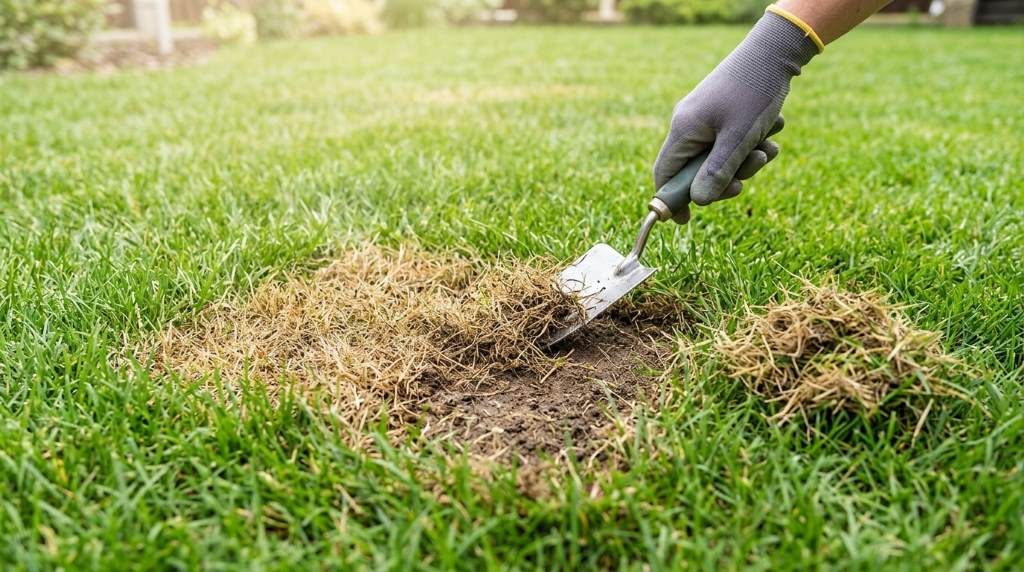
- Purpose: Creating small holes in the soil to alleviate compaction, allowing air, water, and nutrients to reach the grass roots. Essential for healthy growth, especially in high-traffic areas.
- Types:
- Spike Aerators: Puncture the soil with spikes. Simpler and less effective than core aerators.
- Core Aerators (Plug Aerators): Remove small plugs of soil, which is the most effective method for improving soil health. Available as manual tools or tow-behind attachments for riding mowers.
- Key Features: Tine material (durable steel), depth of penetration, and ease of use.
- Top Recommendations: ARTEMIS Lawn Aerator (manual, dual-tine system), Walensee Rolling Lawn Aerator (spike aerator roller), or tow-behind options for larger lawns.
Lawn Dethatchers:
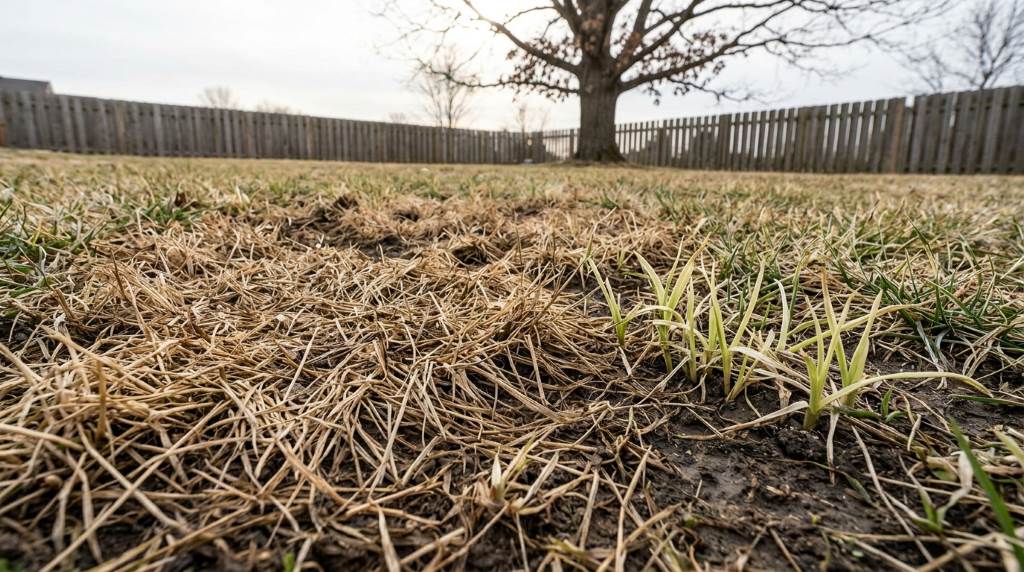
- Purpose: Removing the layer of dead grass, roots, and debris (thatch) that accumulates on the soil surface. Excessive thatch can prevent water and nutrients from reaching the roots, leading to an unhealthy lawn.
- Types:
- Electric Dethatchers: Popular for homeowners, offering good performance for typical lawns.
- Tow-Behind Dethatchers: For larger properties, attaching to a riding mower or tractor.
- Dethatching Rakes (Manual): For small areas or light thatch.
- Key Features: Adjustable depth settings, tines (often spring tines or blades), and collection bag (some models include one).
- Top Recommendations: Sun Joe 24V-X2 Scarifier/Dethatcher (cordless electric), Greenworks 14-Inch Corded Dethatcher (reliable and affordable), or Agri-Fab 45-0294 Tow-Behind Lawn Dethatcher (for large lawns).
Fertilizer and Seed Spreaders:
- Purpose: Evenly distributing fertilizer, grass seed, weed control, or ice melt across your lawn.
- Types:
- Broadcast Spreaders: Cover a wide area quickly and efficiently. Great for larger lawns.
- Drop Spreaders: Offer precise control, ideal for targeted applications and avoiding sidewalks/flower beds.
- Handheld Spreaders: Perfect for small areas or spot treatments.
- Key Features: Hopper capacity, spread pattern control, wheel type (for ease of movement), and calibration settings.
- Top Recommendations: Scotts Elite Spreader (broadcast, good for medium lawns), Scotts Turf Builder Classic Drop Spreader (precise drop spreader), or Agri-Fab Push Broadcast Spreader (for larger yards).
The Supporting Cast: Essential Hand Tools & Accessories
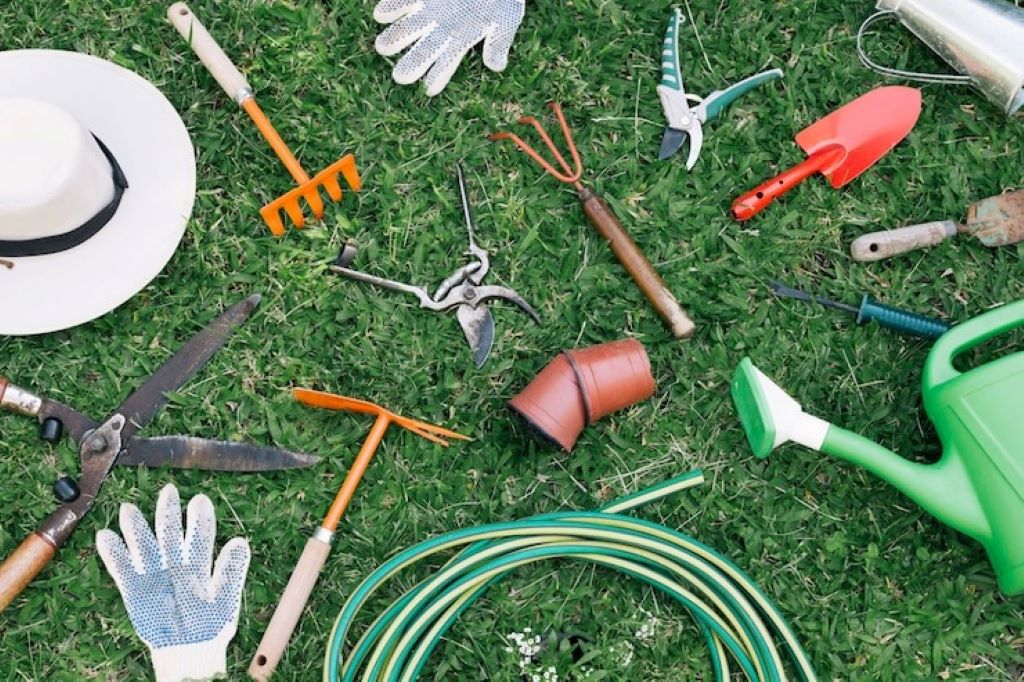
While power equipment does the heavy lifting, a few reliable hand tools and accessories are crucial for comprehensive lawn care.
- Rakes: Essential for clearing leaves, grass clippings, and other debris. A spring-tine rake is excellent for light dethatching.
- Shovel and Spade: For digging, leveling, and moving soil or mulch.
- Pruning Shears/Loppers: For trimming shrubs, small branches, and overgrown plants.
- Hedge Trimmer: For shaping and maintaining hedges and shrubs.
- Gardening Gloves: Protect your hands from blisters, thorns, and chemicals.
- Wheelbarrow: Invaluable for transporting soil, mulch, tools, and debris.
- Garden Hose and Sprinkler System: For efficient and even watering. Consider smart irrigation systems in 2025 that integrate with weather forecasting and soil sensors for optimal water usage.
- Soil Sensors: These small, wireless devices track vital soil parameters (moisture, pH, temperature, nutrient content) and connect to smartphone apps, providing real-time insights for informed decisions on fertilization and irrigation.
The Future is Green: Embracing Electric and Smart Technologies
In 2025, the trend leans heavily towards electric-powered lawn care equipment. Battery technology has advanced to the point where cordless electric tools can rival the performance of many gas-powered counterparts, but with significant advantages:
- Eco-Friendly: Zero emissions, reducing your carbon footprint.
- Quieter Operation: Enjoy a more peaceful lawn care experience and avoid disturbing neighbors.
- Lower Maintenance: No gas, oil changes, or spark plug replacements.
- Cost-Effective: Lower operational costs (electricity vs. gas) and fewer repairs.
- Battery Interchangeability: Many brands offer battery platforms where one battery can power multiple tools, reducing clutter and cost.
Furthermore, smart technologies like robotic mowers, smart irrigation systems, AI-driven lawn care apps, and even drones for monitoring lawn health are becoming more sophisticated and accessible, offering unprecedented convenience and efficiency.
Conclusion: Investing in Your Lawn’s Future
Choosing the best lawn care equipment for your home in 2025 is an investment in the beauty and health of your outdoor space. By understanding the different types of tools available, considering your specific lawn size and needs, and focusing on key features and top-rated models, you can equip yourself for success.
Embracing the advancements in electric and smart technologies will not only make your lawn care routine easier and more enjoyable but also contribute to a healthier environment. So, roll up your sleeves (or let your robot do the work!), choose wisely, and enjoy the satisfaction of a truly magnificent lawn in 2025 and beyond!
Read More: