
If you want to revive a lawn after harsh winter frost damage, start by checking grass survival, removing dead debris, improving soil, and encouraging healthy new growth. Most frost-damaged lawns recover with the right care, although severely affected patches may require overseeding or replacement.
Winter weather causes billions of dollars in landscape damage every year across colder regions. Research also shows that healthy turfgrass can improve soil quality, reduce erosion, and cool surrounding areas, making proper lawn recovery worth the effort.
Understand How Winter Frost Damages Your Lawn
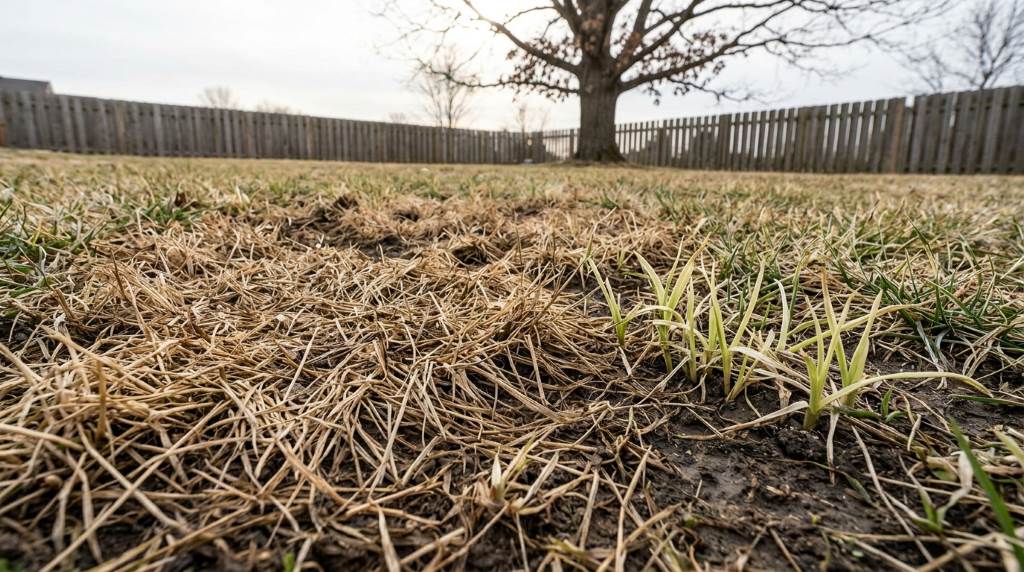
Harsh winter frost affects grass blades, crowns, and roots differently depending on temperature and snow cover. Therefore, identifying the damage helps you choose the correct recovery method.
Repeated freezing and thawing expand soil and expose shallow roots to cold air. Moreover, heavy foot traffic on frozen grass often creates additional stress that slows spring recovery.
Before applying treatments, learn proper seasonal practices through this helpful guide on master weed control in small gardens. Healthy weed management reduces competition while damaged grass begins growing again.
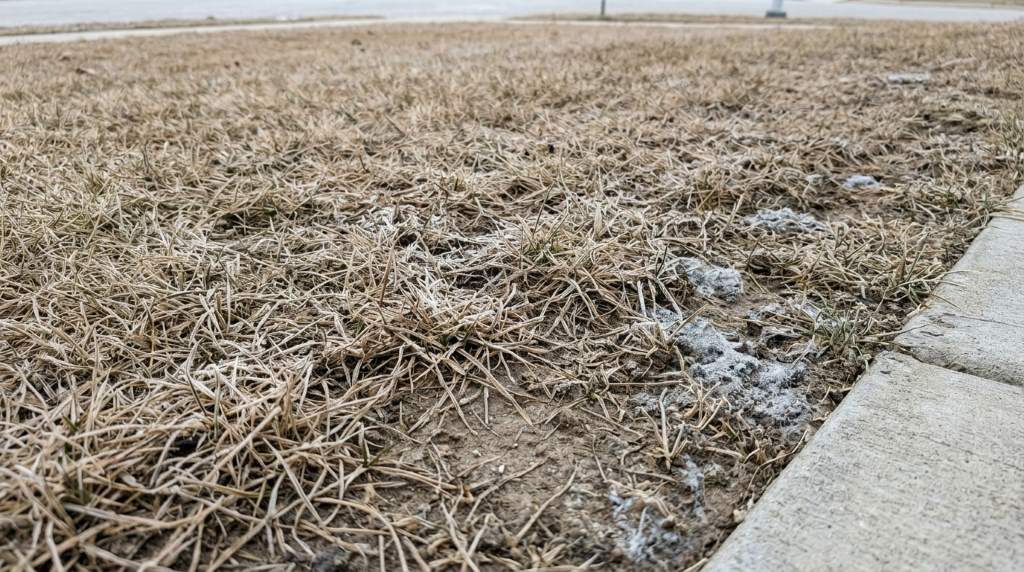
Common Signs of Frost Damage
- Brown or straw colored grass blades
- Flattened or matted turf
- Bare patches after snow melts
- Soft or spongy ground
- Slow green up during spring
- Dead grass crowns in isolated areas
Inspect the Lawn Before Taking Action
Many homeowners begin repairs too early and accidentally create more damage. Instead, wait until the ground completely thaws before performing any major lawn work.
Walk across the lawn carefully after the soil dries slightly. Next, inspect different areas because sunny and shaded sections often recover at different speeds.
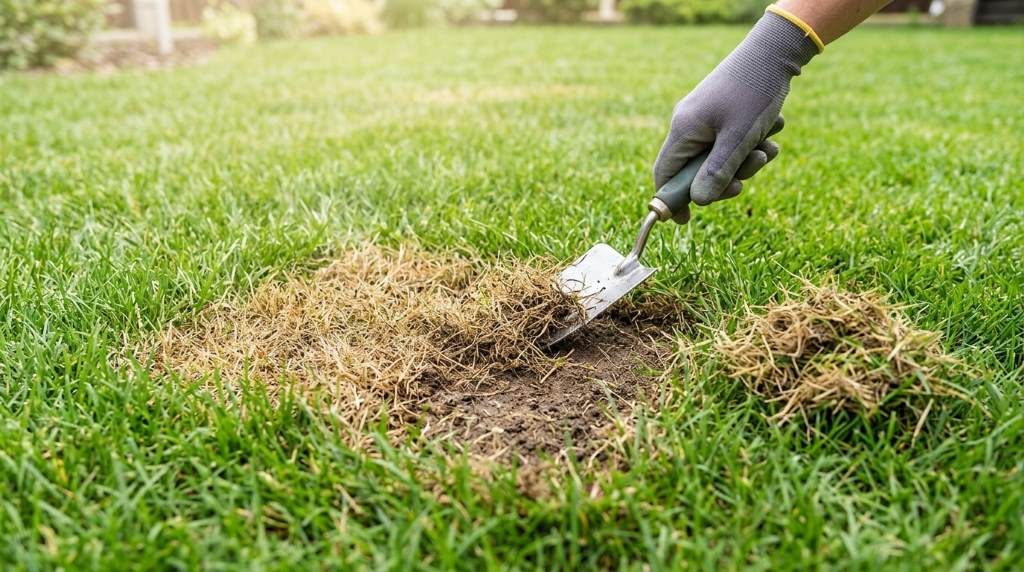
Gently tug several grass plants to check root strength. Healthy roots resist pulling, while dead plants come out easily with little resistance.
Perform a Simple Recovery Test
Select several damaged locations around the yard for closer inspection. Afterwards, look for green tissue near the crown because living crowns usually produce fresh shoots.
- Green crowns indicate recovery potential.
- White healthy roots show good survival.
- Completely brown crowns usually require reseeding.
Remove Winter Debris Carefully
Leaves, branches, and compacted debris block sunlight and trap excess moisture. Consequently, removing them allows fresh air and warmth to reach recovering grass.
Use a lightweight leaf rake instead of aggressive metal tools. Meanwhile, avoid pulling healthy grass because weakened roots remain vulnerable after winter.
Proper yard maintenance also includes caring for surrounding trees with this guide about tree pruning tools. Healthy trees improve sunlight balance while reducing future lawn stress.
What to Remove
- Dead leaves
- Broken twigs
- Snow mold residue
- Old mulch covering grass
- Animal waste
Improve Soil Conditions for Faster Recovery
Healthy soil supports faster root growth and stronger grass development. Therefore, testing soil conditions helps identify nutrient shortages before applying fertilizer.
Compacted soil prevents oxygen from reaching the roots effectively. As a result, grass struggles to recover even after temperatures become warmer.
Maintaining strong turf throughout every season becomes easier after following advice on maintaining a healthy green lawn. Consistent care reduces future frost damage significantly.
Improve Soil Naturally
- Add quality compost.
- Apply organic matter.
- Test soil pH.
- Improve drainage if necessary.
- Avoid excessive tilling.
Rake Lightly to Remove Dead Grass
Light raking removes dead material without harming healthy crowns. However, aggressive dethatching immediately after winter may damage recovering turf.
Work in one direction using gentle pressure across affected areas. Afterwards, collect loose debris to expose healthy shoots beneath the surface.
Aerate Compacted Areas
Frozen ground often becomes compacted after heavy snow and foot traffic. Consequently, roots receive less oxygen, water, and nutrients during recovery.
Core aeration creates small openings that improve airflow and moisture movement. Furthermore, better soil structure encourages deeper root development.
Best Areas for Aeration
- Walkways
- Play areas
- Driveway edges
- Pet activity zones
- Heavy traffic sections
Overseed Thin and Bare Areas
Overseeding fills empty spaces before weeds become established. Therefore, choose grass seed that matches your existing lawn variety.
Spread seed evenly using a broadcast spreader for consistent coverage. Then, lightly rake the area to improve seed-to-soil contact.
Keep newly seeded areas consistently moist until germination finishes. Eventually, young grass develops stronger roots with regular watering.
Apply the Right Fertilizer
FFrost-damagedlawns benefit from balanced nutrition instead of excessive nitrogen. Consequently, slow-release fertilizer supports steady growth without causing unnecessary stress.
Follow soil test recommendations whenever possible for accurate nutrient application. Likewise, avoid overfertilizing because excessive growth weakens developing roots.
Essential Lawn Nutrients
- Nitrogen for leaf growth
- Phosphorus for roots
- Potassium for stress resistance
Water Correctly During Recovery
Proper watering encourages deeper roots while preventing disease problems. Therefore, water thoroughly instead of applying frequent shallow irrigation.
Morning watering reduces evaporation and allows grass to dry before evening. Additionally, avoid soaking already saturated soil after snowmelt.
Control Weeds Without Hurting New Grass
Damaged lawns allow weeds to spread quickly into open spaces. However, avoid harsh herbicides until new grass becomes well established.
Pull individual weeds by hand whenever practical during early recovery. Meanwhile, thicker grass naturally reduces future weed growth.
Prevent Lawn Diseases After Frost
Cold, wet conditions often encourage fungal diseases like snow mold. Consequently, improving airflow reduces disease pressure across the lawn.
Remove excess thatch and avoid overwatering whenever possible. Besides that, mow only after grass reaches the recommended height.
Mow at the Correct Time
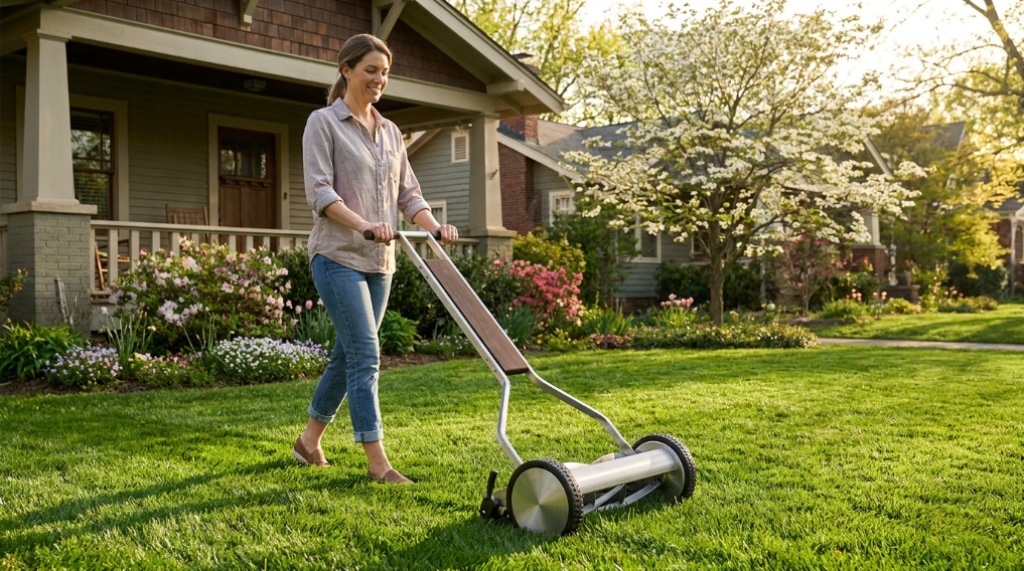
Do not mow until healthy new growth appears across most of the lawn. Otherwise, early mowing places unnecessary stress on recovering grass.
Use a sharp mower blade for clean cuts every time. Similarly, never remove more than one third of the grass height during one mowing session.
Common Mistakes to Avoid
- Walking on frozen grass
- Overwatering damaged areas
- Applying excessive fertilizer
- Using dull mower blades
- Ignoring soil compaction
- Seeding without soil preparation
- Starting repairs before thawing finishes
Seasonal Lawn Recovery Timeline
Early Spring
Inspect the lawn, remove debris, and evaluate damage carefully. Afterwards, test soil before making major improvements.
Mid Spring
Aerate compacted areas and overseed thin sections where necessary. Then, apply balanced fertilizer according to soil needs.
Late Spring
Continue mowing correctly while monitoring moisture levels consistently. Finally, address remaining bare spots before summer heat arrives.
Conclusion
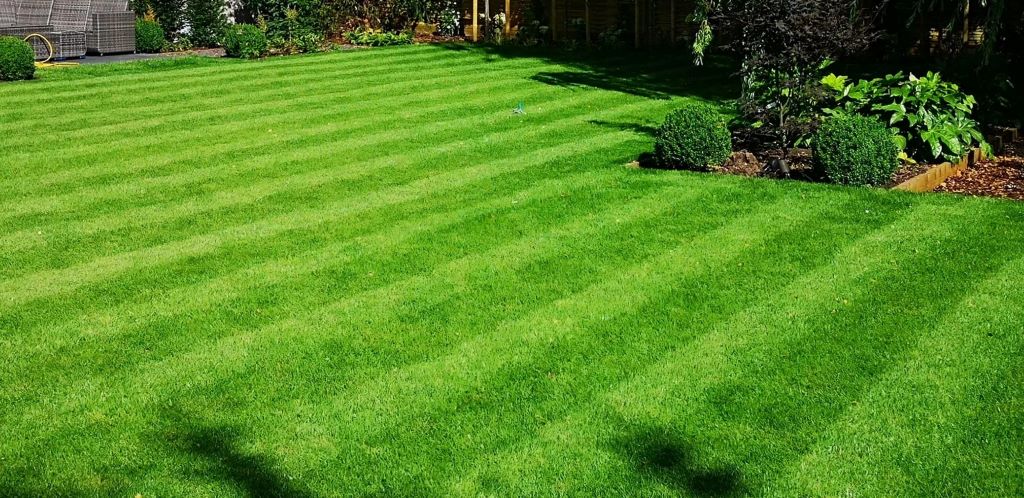
Learning how to revive a lawn after harsh winter frost damage requires patience, careful observation, and consistent maintenance. Small improvements made at the proper time produce healthier grass throughout the growing season.
Begin with inspection, improve soil health, repair damaged areas, and maintain proper watering practices. Follow these proven steps today to restore a greener, thicker, and stronger lawn that withstands future winters.
Frequently Asked Questions
How long does frost-damaged grass take to recover?
Most healthy lawns recover within several weeks after temperatures become consistently warmer.
Can dead frost-damaged grass turn green again?
Only living grass crowns recover, while completely dead grass requires reseeding or replacement.
Should I fertilize immediately after winter?
Apply fertilizer after inspecting the lawn and confirming active new growth.
Is watering important after frost damage?
Yes, consistent deep watering supports root recovery once the soil begins drying.
When should I reseed bare patches?
Reseed after soil temperatures become suitable and the ground remains workable.