
A lush, vibrant lawn is the pride of many homeowners, a green carpet that enhances curb appeal and provides a welcoming space for outdoor activities. However, time, traffic, and environmental stressors can take their toll, leading to thinning turf, bare patches, and a generally lackluster appearance. The good news? You don’t need to start from scratch. Planting grass seed on an existing lawn, a process often called overseeding, is a highly effective way to rejuvenate your turf, improve its density, and restore its verdant glory. This comprehensive guide will walk you through every step, ensuring you have the knowledge and confidence to transform your lawn into the envy of the neighborhood.
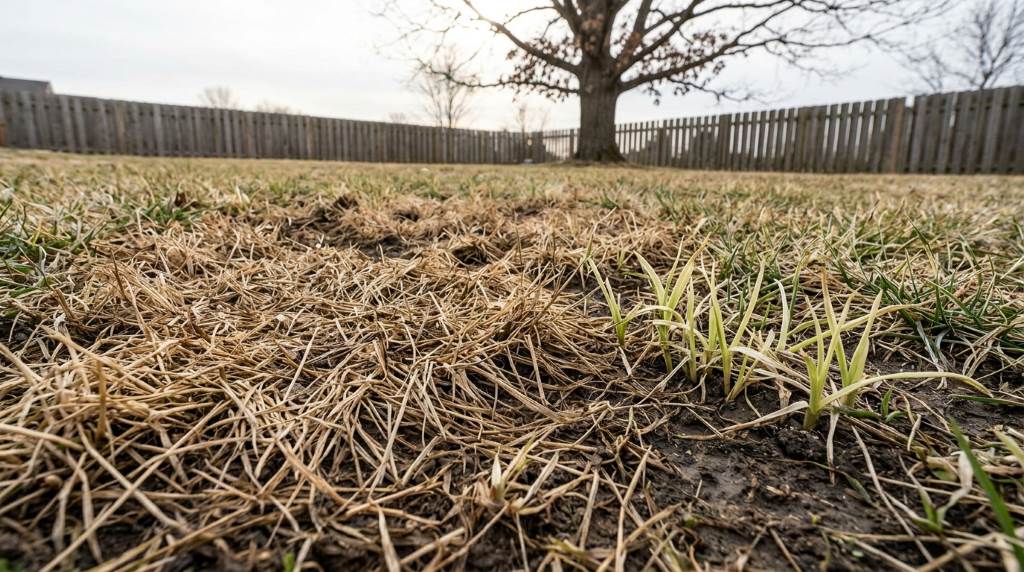
Understanding the “why” behind overseeding is just as crucial as the “how.” Over time, individual grass plants age and their reproduction rates slow down. This natural decline, coupled with wear and tear from foot traffic, pet activity, and harsh weather conditions, can lead to a visibly thinner lawn. Thinning turf is not just an aesthetic issue; it also creates opportunities for weeds to invade and establish themselves, further degrading the lawn’s health and appearance. Furthermore, some patches may die off completely due to disease, insect infestations, or localized stress like drought or excessive shade. Overseeding directly addresses these issues by introducing new, vigorous grass plants that fill in sparse areas, outcompete weeds, and enhance the overall resilience and beauty of your lawn. It’s a proactive approach to lawn care that pays dividends in a thicker, healthier, and more attractive turf.
Preparing for Seeding Success: Timing and Groundwork are Key
The success of your overseeding project hinges significantly on two critical factors: timing and meticulous preparation of your existing lawn. Rushing these stages can lead to wasted effort and disappointing results.
The optimal timing for overseeding largely depends on your climate and the type of grass you are planting. For cool-season grasses, such as Kentucky bluegrass, fescue, and ryegrass (prevalent in regions with cold winters and hot summers), early fall is generally considered the golden window. Typically, this means late August to mid-October. During this period, the soil is still warm from the summer sun, encouraging rapid germination, while the cooler air temperatures reduce stress on young seedlings. Weed competition is also less fierce in the fall. Spring (mid-March to late April) is the second-best option, though you may face more competition from weeds and the approaching summer heat can stress new grass.
For warm-season grasses, like Bermuda, Zoysia, and St. Augustine (thriving in hotter climates), late spring to early summer is the ideal time to overseed, as these varieties germinate and grow best in warmer temperatures. Avoid overseeding during the peak of summer heat or when freezing temperatures are imminent. Checking your local agricultural extension office for specific regional recommendations is always a wise move.
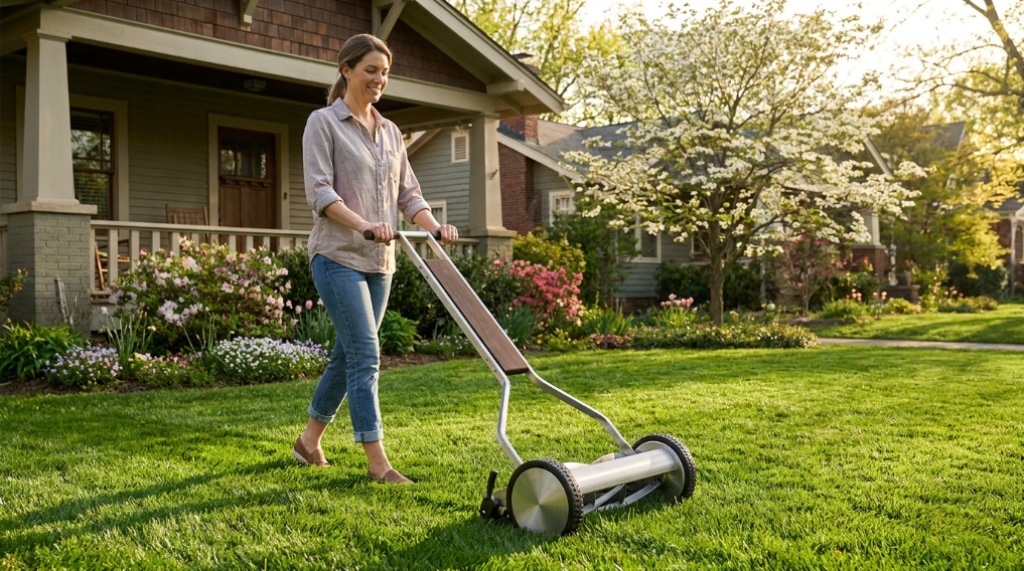
Once you’ve pinpointed the right time, thorough lawn preparation is paramount. This isn’t just a cursory tidying up; it’s about creating the ideal environment for your new seeds to germinate and thrive. Start by mowing your existing lawn shorter than usual, typically around 1.5 to 2 inches. This allows sunlight to reach the soil and the new seeds, and prevents the existing grass from shading out the newcomers. Bagging the clippings is crucial at this stage to remove any potential thatch buildup and ensure good seed-to-soil contact.
Next, address the issue of thatch. Thatch is a layer of dead grass, roots, and other organic matter that accumulates between the green grass blades and the soil surface. A thin layer (less than half an inch) can be beneficial, but excessive thatch can act as a barrier, preventing water, nutrients, and seeds from reaching the soil. If you have a thatch layer thicker than half an inch, you’ll need to dethatch your lawn. This can be done using a specialized dethatching rake (for smaller areas) or a power dethatcher (also known as a verticutter or power rake) for larger lawns. These tools pull up the thatch, which you should then rake and remove.
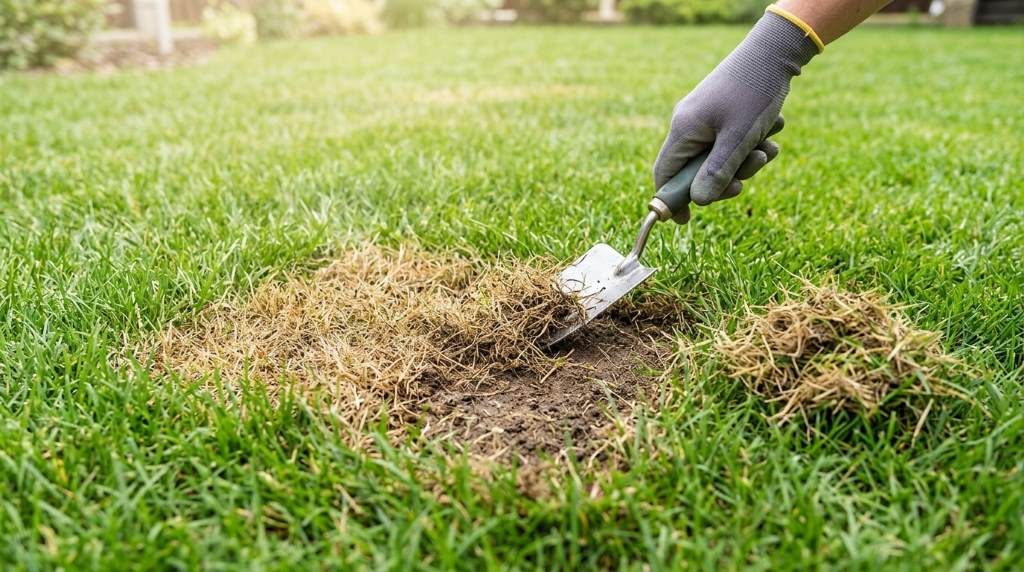
Following dethatching, aeration is highly recommended, especially if your soil is compacted. Compacted soil restricts root growth, water infiltration, and nutrient absorption. Core aeration involves removing small plugs of soil from the lawn, creating channels for air, water, and nutrients to penetrate deeper. This also creates ideal pockets for grass seeds to lodge and germinate. You can rent a core aerator for this task. After aeration, leave the soil cores on the lawn to break down naturally; they’ll return valuable nutrients to the soil. Addressing any existing weed problems before spreading seed is also important. Hand-pull weeds where possible, or use a targeted herbicide well in advance of seeding, following the product instructions carefully regarding waiting periods before planting new seed. Finally, lightly rake the entire lawn to loosen the top layer of soil and remove any remaining debris. This creates a more receptive seedbed.
The Seeding Process: Choosing Seed, Spreading, and Initial Care
With your lawn prepped and ready, it’s time to select your grass seed and get it onto the ground.
Choosing the right grass seed is a critical decision that will impact the long-term success and appearance of your lawn. Don’t just grab the cheapest bag off the shelf. Consider your climate (cool-season or warm-season grasses), the amount of sunlight your lawn receives (full sun, partial shade, or dense shade mixes are available), your soil type, and the level of foot traffic your lawn endures.
For overseeding an existing lawn, it’s often best to choose a seed blend that is compatible with your current grass type or one that will improve its characteristics (e.g., adding a more drought-tolerant variety). Look for high-quality seed with a good germination rate and minimal weed seed content (check the label). If you’re unsure, your local nursery or garden center can provide expert advice. Consider factors like disease resistance and desired texture. Investing in good quality seed is an investment in the future health and beauty of your lawn.
Once you have your seed, it’s time for spreading. The goal is even distribution to avoid a patchy, inconsistent look. A broadcast or drop spreader is the most effective tool for this. Consult the seed bag for the recommended application rate for overseeding – this is usually a specific number of pounds per 1,000 square feet. It’s often better to apply slightly more seed than too little, especially in thinner areas. To ensure even coverage, divide the seed in half and apply it in two passes, with the second pass perpendicular to the first (e.g., one pass north-to-south, the second east-to-west). This crisscross pattern minimizes misses and overlaps. For very small areas or patching bare spots, you can spread the seed by hand, though achieving evenness can be trickier.
After spreading the seed, it’s beneficial to lightly rake the area again. Use a leaf rake turned upside down, so the tines are pointing up. Gently drag it over the seeded areas. This helps to work the seeds into the top quarter-inch of soil, ensuring good seed-to-soil contact, which is vital for germination. You don’t want to bury the seeds too deeply. Some people opt to apply a very thin layer (about 1/4 inch) of quality compost or weed-free topsoil after seeding, especially in bare patches. This can help retain moisture and provide nutrients for the new seedlings, but it’s not always necessary if your soil preparation was thorough.
Fertilizing at the time of seeding can give your new grass a significant boost. Use a starter fertilizer, which is specially formulated with a higher phosphorus content (the middle number in the N-P-K ratio) to promote strong root development. Apply the starter fertilizer according to the manufacturer’s instructions, typically using the same spreader you used for the seed. Be careful not to over-fertilize, as this can harm the delicate seedlings.
Related: Neem Oil for Lawn Grub Control: A Natural Shield for Your Turf
Nurturing Your New Growth: Watering, Mowing, and Long-Term Care
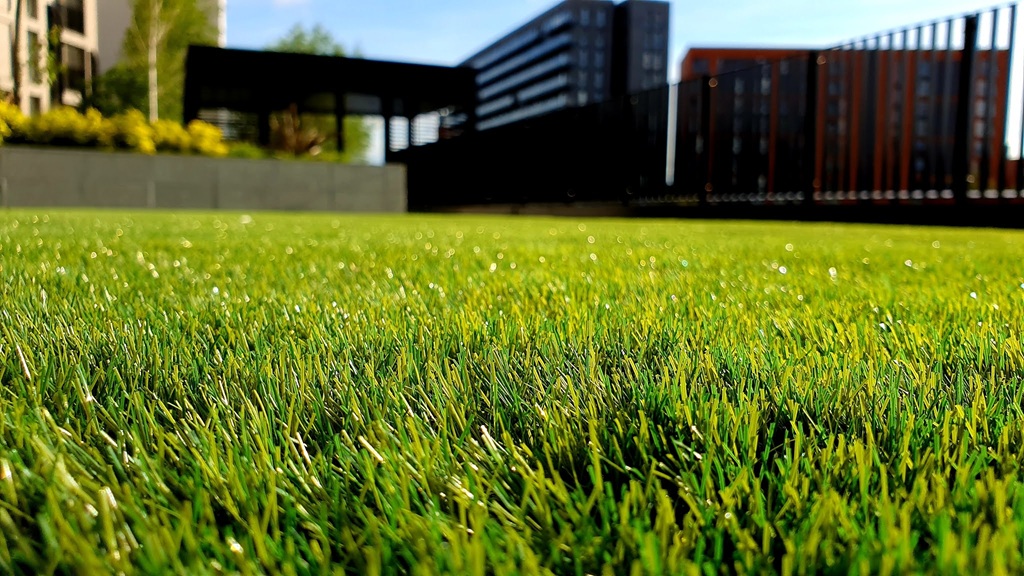
The period immediately following seeding is crucial. Consistent and proper care will determine the success of your overseeding efforts.
Watering is the most critical component in the initial stages. The newly sown seeds need consistent moisture to germinate and establish roots. For the first one to three weeks (depending on grass type and weather), water the seeded areas lightly but frequently – often two to four times a day for short periods (5-10 minutes per session). The goal is to keep the top inch or so of soil consistently moist, like a damp sponge, but not waterlogged. Avoid letting the soil dry out completely, as this can kill the germinating seeds.
Once the new grass seedlings emerge and begin to grow, you can gradually reduce the frequency of watering and increase the duration, encouraging deeper root growth. Aim to water more deeply and less often. Eventually, you’ll transition to your regular lawn watering schedule, which for established lawns is typically 1 to 1.5 inches of water per week, applied in one or two deep soakings.
Limit traffic on the newly seeded areas as much as possible. Keep pets and people off the lawn until the new grass is well-established, typically after it has been mowed at least three to four times. The young seedlings are very delicate and can be easily damaged or uprooted by foot traffic.
Mowing your newly overseeded lawn requires a bit of patience. Wait until the new grass seedlings have reached a height of at least 3 to 4 inches before their first mow. This allows them to develop a strong enough root system to withstand the stress of mowing. When you do mow for the first time, ensure your mower blades are sharp (dull blades can tear and damage young grass). Mow at the highest recommended setting for your grass type, and never remove more than one-third of the grass blade height at any single mowing. Continue to mow high for the first season to encourage deep root growth and help the new grass compete with existing turf and weeds.
Long-term care involves continuing good lawn maintenance practices. This includes regular, appropriate mowing, deep and infrequent watering, seasonal fertilization tailored to your lawn’s needs (based on soil test results if possible), and ongoing weed and pest control. A healthy, dense lawn is its own best defense against problems. Keep an eye on your newly thickened lawn and address any issues promptly. With consistent care, your overseeded lawn will continue to thrive and provide a beautiful, resilient green space for years to come. Remember that overseeding isn’t necessarily a one-time fix; for a consistently spectacular lawn, consider making it a regular part of your annual lawn care routine, perhaps every few years, depending on your lawn’s condition and your aesthetic goals.
Related: Your Comprehensive Guide to Installing a Residential Lawn Sprinkler System
People Also Ask (FAQs)
Q1: What is the best time of year to plant grass seed on an existing lawn?
A1: For cool-season grasses (like fescue, Kentucky bluegrass, ryegrass), early fall (late August to mid-October) is ideal. The soil is warm, encouraging germination, and cooler air temperatures reduce stress on new seedlings. Spring is the next best option. For warm-season grasses (like Bermuda, Zoysia), late spring to early summer is best.
Q2: How short should I cut my existing grass before overseeding?
A2: Mow your existing lawn shorter than usual, to about 1.5 to 2 inches. This allows sunlight to reach the new seeds and reduces competition from the established grass. Be sure to bag the clippings.
Q3: Do I need to rake after putting grass seed down?
A3: Yes, it’s highly recommended. After spreading the seed, lightly rake the area with a leaf rake (tines up) to ensure good seed-to-soil contact. This helps the seeds settle into the top quarter-inch of soil, which is optimal for germination.
Q4: How often should I water new grass seed on an existing lawn?
A4: For the first 1-3 weeks, water lightly but frequently, typically 2-4 times a day for 5-10 minutes each time. The goal is to keep the top inch of soil consistently moist. Once seedlings emerge, gradually reduce frequency and increase duration to encourage deeper root growth.
Q5: Can I just throw grass seed on my lawn?
A5: While you can simply throw grass seed down, it’s generally not effective and leads to poor germination rates. For best results, proper lawn preparation (mowing short, dethatching, aerating) and ensuring good seed-to-soil contact are crucial. Simply scattering seed means much of it won’t find good soil or adequate moisture.
Q6: How long does it take for new grass seed to grow when overseeding?
A6: Germination time varies by grass type and conditions, but typically you’ll see new seedlings emerge within 7 to 21 days. Full establishment, where the grass is mature enough for regular use and mowing, can take several weeks to a few months.
Q7: What kind of fertilizer should I use when overseeding?
A7: Use a starter fertilizer specifically formulated for new grass. These fertilizers have a higher phosphorus content (the middle number in the N-P-K ratio), which promotes strong root development in seedlings.
Q8: When can I mow after overseeding my lawn?
A8: Wait until the new grass seedlings are at least 3 to 4 inches tall before their first mow. Use sharp mower blades, mow at the highest setting for your grass type, and never remove more than one-third of the grass blade height at one time.
Related: When is the Absolute Best Time to Water Your Lawn for Lush, Green Glory?
Conclusion
Planting grass seed on an existing lawn is a rewarding endeavor that can dramatically improve the health, density, and overall aesthetic of your outdoor space. While it requires careful planning, thorough preparation, and diligent aftercare, the results – a lush, resilient, and vibrant lawn – are well worth the effort. By understanding the optimal timing, meticulously preparing your soil, choosing the right seed, and providing consistent initial care, particularly with watering, you can successfully breathe new life into tired turf. Overseeding is more than just a quick fix; it’s a strategic investment in the long-term beauty and vitality of your lawn, ensuring it remains a welcoming and enjoyable extension of your home for years to come. So, roll up your sleeves, follow these steps, and get ready to watch your lawn transform.