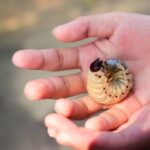

Lawn grubs, the C-shaped larvae of various beetle species like Japanese beetles and June bugs, can be a homeowner’s nightmare. These subterranean pests feast on grassroots, leading to unsightly brown patches, spongy turf, and eventual lawn death if left unchecked. As environmentally conscious lawn care practices gain traction, many are turning to natural solutions like neem oil for effective grub control. This comprehensive guide delves into the latest insights on using neem oil to protect your lawn, offering detailed advice for a healthy, grub-free yard.
For years, homeowners have sought safe yet potent ways to combat these turf-destroying pests. Neem oil, a botanical extract from the seeds of the neem tree (Azadirachta indica), has emerged as a leading natural alternative to synthetic chemical pesticides. Its power lies in a complex array of compounds, most notably Azadirachtin, which offers a multi-pronged attack against grubs without the harsh side effects associated with conventional insecticides. Understanding how to apply it correctly and at the right time is crucial for maximizing its benefits and ensuring your lawn remains a vibrant, healthy ecosystem.
Understanding Lawn Grubs and the Damage They Inflict
Before diving into neem oil application, it’s essential to recognize the enemy and the tell-tale signs of their presence. Lawn grubs are typically white or grayish-white with brown heads and three pairs of legs near the head. When disturbed, they instinctively curl into a “C” shape.
Key Signs of Grub Infestation:
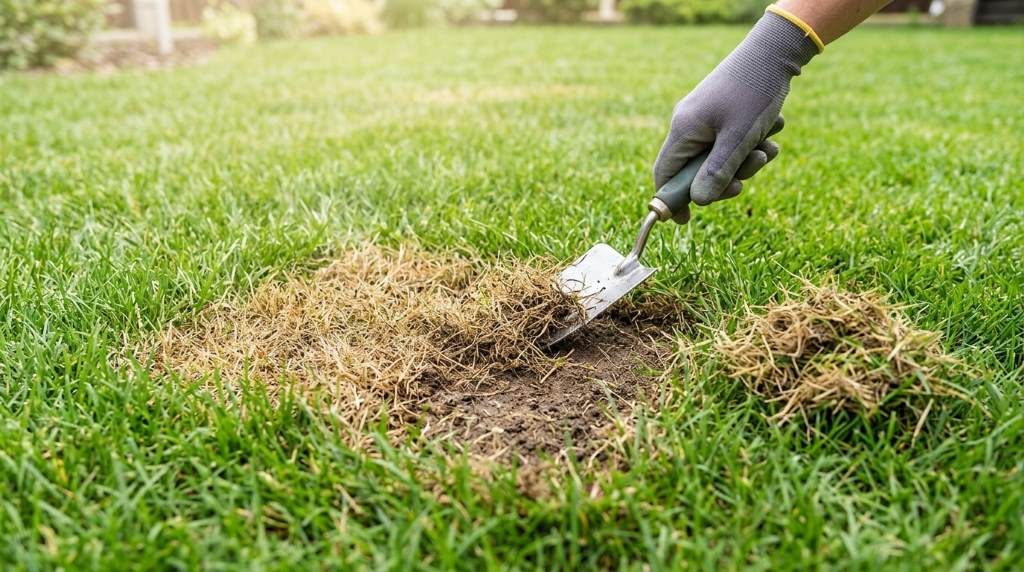
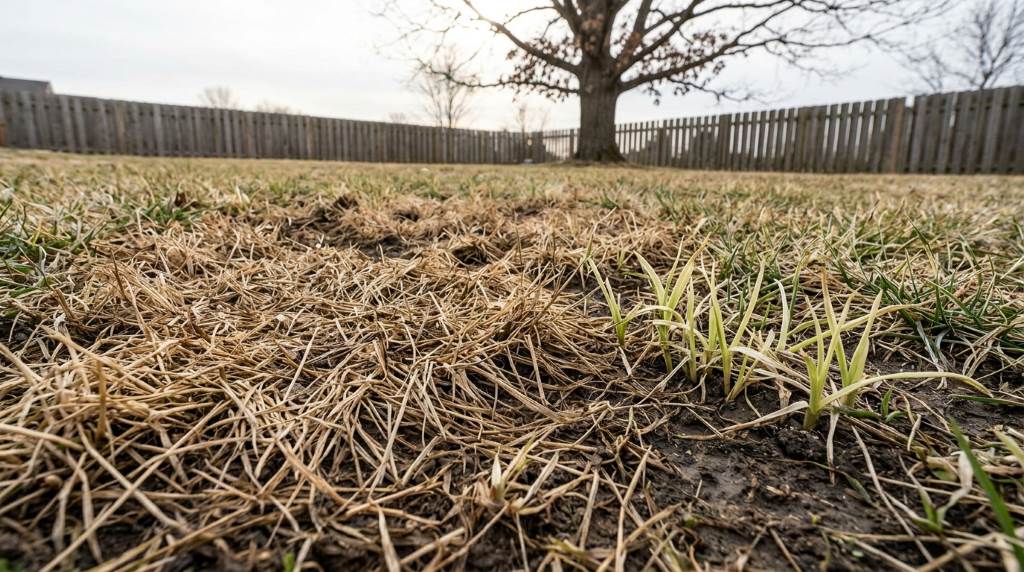
- Irregular Brown Patches: As grubs feed on roots, irregular patches of grass will begin to thin, yellow, and eventually turn brown and die, especially during late summer and early fall.
- Spongy or Loose Turf: Damaged turf will feel spongy underfoot. In severe infestations, you might be able to roll back sections of turf like a carpet because the roots have been severed.
- Increased Animal Activity: Animals like raccoons, skunks, moles, and birds find grubs to be a tasty meal. An unusual increase in these animals digging up your lawn can be a strong indicator of a grub problem.
- Visible Grubs: To confirm an infestation, dig up a few one-square-foot sections of your lawn to a depth of 2-4 inches, particularly in the transition zones between healthy and damaged grass. If you find ten or more grubs per square foot, a treatment is generally warranted. Fewer grubs (around 5 per square foot) might still be a concern if your lawn is already stressed or if you’ve had significant grub damage in previous years.
The life cycle of common lawn grubs is a critical factor in timing control measures. Most adult beetles lay their eggs in the soil during mid to late summer. These eggs hatch within a few weeks, and the young, small grubs immediately begin feeding on grassroots. They continue to feed and grow through the fall before burrowing deeper into the soil to overwinter. As soil temperatures rise in spring, these now larger grubs return to the root zone for another period of feeding before pupating and emerging as adult beetles to start the cycle anew. Neem oil is most effective against young, actively feeding grubs.
Nature’s Grub Deterrent and How It Works
Neem oil isn’t a new discovery; it has been used in traditional agriculture and medicine for centuries, particularly in India. Its effectiveness against lawn grubs stems primarily from the compound Azadirachtin, though other constituents also play a role.
Mechanisms of Action:
- Anti-feedant: Azadirachtin makes plant roots less palatable to grubs. When ingested, it disrupts their appetite, causing them to stop feeding and eventually starve.
- Insect Growth Regulator (IGR): This is perhaps the most significant action. Azadirachtin interferes with the grub’s hormonal system, inhibiting proper molting (shedding their skin to grow), pupation, and development. This prevents them from reaching maturity and reproducing.
- Repellent: The odor and taste of neem oil can deter adult beetles from laying eggs in treated areas, thus helping to prevent future infestations.
- Oviposition Deterrent: Some studies suggest neem can discourage female beetles from depositing eggs in treated soil.
- Suffocation (Clarified Hydrophobic Neem Oil): While cold-pressed neem oil (which contains higher Azadirachtin levels) is generally recommended for its IGR properties, products marketed as “clarified hydrophobic extract of neem oil” work primarily by coating and suffocating insects and their eggs. These may have some effect on grubs if they come into direct contact, but are generally considered less potent for systemic grub control than Azadirachtin-rich formulations.
It’s important to understand that neem oil is not an instant-kill pesticide like many synthetic chemicals. Its action is more subtle and cumulative, working by disrupting the life cycle of the grubs. This makes it a more environmentally sound approach, as it has a lower impact on beneficial organisms when used correctly.
Choosing and Preparing Your Neem Oil Solution
When selecting neem oil for grub control, look for products that specify “cold-pressed neem oil” or indicate the percentage of Azadirachtin. Pure, cold-pressed neem oil will have the highest concentration of this active ingredient. Some products are sold as concentrates that you need to dilute, while others come in ready-to-spray (RTS) formulations.
Creating a DIY Neem Oil Spray:
A common recommendation for a homemade neem oil solution is:
- 1-2 tablespoons (0.5 to 1 ounce) of high-quality, cold-pressed neem oil concentrate (preferably with at least 0.5% to 3% Azadirachtin, though higher concentrations may be found in commercial products designed for professional use).
- 1-2 teaspoons of a mild liquid insecticidal soap or pure Castile soap. This acts as an emulsifier, allowing the oil and water to mix properly. Do not use detergents, as they can harm plants.
- 1 gallon of warm water. Warm water helps the oil and soap mix more easily.
Instructions for Mixing:
- Mix the soap into the warm water first.
- Slowly add the neem oil to the soapy water, stirring continuously to ensure it emulsifies.
- Use the mixture within a few hours, as the Azadirachtin can begin to break down once mixed with water and exposed to light. Always make a fresh batch for each application.
Commercial neem oil products will have specific mixing and application rates on their labels – always read and follow the manufacturer’s instructions precisely. These products are formulated for stability and efficacy, and their directions are based on extensive testing. Using more than recommended does not typically improve results and can potentially harm your lawn or beneficial insects.
The Optimal Timing and Application of Neem Oil for Grub Control
Timing is everything when it comes to effectively using neem oil against lawn grubs. The goal is to target the grubs when they are young, small, and actively feeding near the soil surface.
Primary Application Window: Late Summer to Early Fall
- This period (typically August through early October, depending on your climate zone) is when newly hatched grubs are most vulnerable. They are small and feeding voraciously to prepare for winter. Applying neem oil during this window allows the Azadirachtin to be ingested by these young grubs, disrupting their development before they can cause significant damage.
Secondary Application Window: Spring
- Neem oil can also be applied in the spring (typically April to May) as overwintered grubs move back towards the surface to feed before pupating. However, these grubs are larger and may be more resistant. Spring applications can help reduce the number of grubs that will emerge as adult beetles, but they are generally considered less effective for preventing the current season’s root damage than late summer/early fall treatments.
Application Method: Soil Drenching for Best Results
For lawn grubs, which reside in the soil, a soil drench is the most effective application method. This ensures the neem oil solution penetrates the thatch layer and reaches the root zone where the grubs are feeding.
Step-by-Step Application Guide:
- Mow Your Lawn: Cut your grass to a normal height a day or two before application. This helps the solution reach the soil more easily.
- Water Your Lawn (Pre-Application): If the soil is dry, water your lawn thoroughly a day before applying neem oil. Moist soil helps the solution penetrate deeper and also encourages grubs to be closer to the surface. However, avoid applying to waterlogged soil.
- Prepare the Neem Oil Solution: Mix your neem oil concentrate with water and an emulsifier according to the product label or the DIY recipe mentioned earlier.
- Apply Evenly: Use a backpack sprayer, pump sprayer, or a hose-end sprayer (if the product is designed for it) to apply the solution evenly over the infested areas or the entire lawn if you’re doing a preventative treatment. Ensure thorough coverage. For spot treatments, extend the application slightly beyond the visibly damaged areas.
- Water In (Post-Application): After applying the neem oil solution, water your lawn again lightly (about 1/4 to 1/2 inch of water). This helps to wash the neem oil off the grass blades and down into the soil where the grubs are active. This step is crucial for effectiveness. Check product labels, as some may have specific watering-in instructions.
- Timing of Day: Apply neem oil in the early morning or late evening. This is when beneficial insects like bees are less active, reducing any potential impact on them. It also helps prevent rapid evaporation and potential leaf burn on very hot, sunny days. Avoid application if rain is expected within 24 hours (unless the product label specifies otherwise for watering-in).
Reapplication:
Neem oil breaks down in the environment, especially when exposed to sunlight and microbial activity. Therefore, reapplication is often necessary.
- For active infestations, you may need to reapply every 7 to 14 days for a series of 2-3 applications, or as directed by the product label.
- Monitor your lawn for signs of grub activity and reapply if new damage appears or grub populations remain high.
Related: Your Comprehensive Guide to Installing a Residential Lawn Sprinkler System
Benefits and Considerations of Using Neem Oil

Neem oil offers several advantages for lawn grub control, but it’s also important to be aware of its limitations and considerations.
Benefits:
- Natural and Biodegradable: Derived from a plant, neem oil breaks down relatively quickly in the soil, reducing the risk of long-term environmental residue.
- Targets Multiple Life Stages (Primarily Larvae): While most effective on young larvae, its IGR properties can affect later larval stages and pupation.
- Lower Impact on Beneficials (When Used Properly): Neem oil is generally considered less harmful to beneficial insects like earthworms, bees (when applied during low activity periods), and predatory beetles compared to broad-spectrum synthetic pesticides. Azadirachtin primarily affects insects that ingest it by feeding on treated plants.
- Resistance Management: Because neem oil has multiple modes of action, insects are less likely to develop resistance to it compared to single-mode synthetic insecticides.
- Soil Health: Some anecdotal evidence suggests neem cake (the residue left after oil extraction, sometimes used as a soil amendment) can improve soil structure and microbial activity, though this is distinct from liquid neem oil application for grubs.
Considerations:
- Slower Acting: Don’t expect immediate grub death. Neem oil works by disrupting growth and feeding, so results may take several days to a week or more to become apparent.
- Multiple Applications May Be Needed: Due to its biodegradable nature and the grub life cycle, repeated applications are often necessary for effective control, especially during heavy infestations.
- Azadirachtin Content Varies: The effectiveness can depend heavily on the concentration of Azadirachtin in the product. Always choose high-quality, cold-pressed neem oil or products with a clearly stated Azadirachtin percentage.
- Potential for Phytotoxicity (Leaf Burn): Applying neem oil, especially at higher concentrations or during hot, sunny conditions, can sometimes cause leaf burn on sensitive grass types. Always test on a small, inconspicuous area first if you’re unsure. Applying during cooler parts of the day minimizes this risk.
- Odor: Neem oil has a distinct garlic/sulfur-like odor, which some people find unpleasant. This odor usually dissipates within a day or two after application.
- Impact on Aquatic Life: Neem oil can be toxic to fish and other aquatic organisms. Avoid applying it near water bodies or where runoff could carry it into storm drains or waterways.
- Effectiveness Can Vary: Factors like soil type, thatch layer thickness, grub species, infestation severity, and environmental conditions can influence neem oil’s effectiveness.
Related: When is the Absolute Best Time to Water Your Lawn for Lush, Green Glory?
Integrating Neem Oil into a Holistic Lawn Care Strategy
For the best long-term grub control, integrate neem oil applications into a broader Integrated Pest Management (IPM) strategy for your lawn.
- Healthy Lawn Practices: A dense, healthy lawn is more resilient to grub damage. Proper mowing (not too short), adequate fertilization (avoiding over-fertilization, especially with high nitrogen in summer which can attract egg-laying beetles), and appropriate watering (deep and infrequent to encourage deep roots) are crucial.
- Dethatching and Aeration: A thick thatch layer can prevent neem oil from reaching the soil and can also provide a favorable environment for grubs. Dethatch if the layer is more than 1/2 inch thick. Core aeration helps improve soil structure, drainage, and the penetration of water and treatments.
- Monitor Adult Beetle Activity: Keep an eye out for adult beetles (like Japanese beetles) in early to mid-summer. High numbers of adult beetles can signal a higher likelihood of grub infestations later.
- Beneficial Nematodes: Consider introducing beneficial nematodes (species like Heterorhabditis bacteriophora or Steinernema feltiae) as another natural grub control method. These microscopic worms seek out and kill grubs. They can be used in conjunction with neem oil, though it’s often recommended to apply them at different times to maximize the efficacy of both.
- Milky Spore: For Japanese beetle grubs specifically, milky spore disease (Paenibacillus popilliae) can be a long-term control option. However, it can take several years to build up effective levels in the soil and is only effective against Japanese beetle larvae.
By combining these strategies, you can create a lawn environment that is less susceptible to grub infestations and better able to recover from any minor damage.
People Also Ask (FAQs) – Neem Oil for Lawn Grub Control
Q1: How long does it take for neem oil to kill lawn grubs?
A1: Neem oil doesn’t kill grubs on immediate contact like many synthetic pesticides. It works as an anti-feedant and insect growth regulator. You may start to see a reduction in grub activity and damage within a few days to a week, but significant population decline can take longer, often requiring multiple applications. Its primary effect is to stop grubs from feeding and maturing.
Q2: Is neem oil safe for pets and children after lawn application?
A2: Generally, once the neem oil spray has dried on the lawn, it is considered safe for pets and children to re-enter the area. However, it’s always best to keep them off the treated lawn until it is thoroughly dry. Pure neem oil, if ingested in large quantities, can be harmful, so store concentrates safely out of reach. Always follow product label instructions regarding re-entry times.
Q3: Can I apply neem oil to my vegetable garden for grubs too?
A3: Yes, neem oil is widely used in vegetable gardens to control various pests, including soil-dwelling larvae. Ensure the product you are using is labeled for use on edible plants and observe any pre-harvest interval (PHI) guidelines on the label, which dictate the time you must wait between application and harvesting.
Q4: What is the best type of neem oil for grub control?
A4: Cold-pressed neem oil with a high concentration of Azadirachtin (the primary active ingredient) is generally considered most effective for its insect growth regulator properties. Look for products that specify “cold-pressed” or list the Azadirachtin percentage. Clarified hydrophobic neem oil is less effective as an IGR and works more by suffocation.
Q5: Will neem oil kill beneficial earthworms in my lawn?
A5: Neem oil, when used as directed for lawn applications, is generally considered to have a low impact on earthworm populations. Earthworms primarily ingest soil and decaying organic matter. The concentrations used for grub control are typically not high enough to cause significant harm to earthworms deep in the soil.
Q6: How often should I apply neem oil for lawn grubs?
A6: For active grub infestations, you may need to reapply neem oil every 7 to 14 days for 2-3 applications, especially during the late summer/early fall treatment window. For preventative measures, one or two thorough applications during the optimal timing may suffice. Always follow the specific reapplication instructions on the product label.
Q7: Can I mix neem oil with other pesticides?
A7: It’s generally not recommended to mix neem oil with other pesticides unless the product labels specifically state they are compatible. Mixing can sometimes reduce the effectiveness of one or both products or create a solution that could be harmful to your lawn.
Q8: What if neem oil doesn’t seem to be working on my lawn grubs?
A8: Several factors can influence effectiveness: * Incorrect Timing: You might be applying it when grubs are too large or not actively feeding near the surface. * Insufficient Concentration/Coverage: Ensure you’re using the correct dilution and applying it evenly and thoroughly, watering it into the soil. * Heavy Infestation: Very severe infestations may require a more aggressive or multi-faceted approach. * Thick Thatch: A heavy thatch layer can prevent neem oil from reaching the soil and the grubs. * Product Quality: Ensure you are using a high-quality neem oil product rich in Azadirachtin. * Patience: Neem oil works slower than chemical pesticides. Give it adequate time. If problems persist, consult with a local lawn care professional or extension office.
Related: Eco-Friendly Lawn Care California: Safe, Green And Sustainable
Conclusion
Neem oil offers a promising, nature-derived solution for managing lawn grubs, aligning with a growing desire for more sustainable and eco-friendly lawn care. Its strength lies in its multi-faceted impact on grub behavior and development, primarily through the active compound Azadirachtin. By understanding the grub life cycle, choosing quality neem oil products, and adhering to proper application timing and methods – particularly a soil drench in late summer or early fall – homeowners can significantly reduce grub populations and protect their turf. While neem oil may require more patience and potentially more frequent applications than synthetic alternatives, its benefits for a healthier lawn ecosystem make it a valuable tool in the modern gardener’s arsenal. Integrating neem oil use with overall good lawn care practices will provide the best defense against these damaging pests, ensuring your lawn remains a lush, vibrant, and inviting space.