
A patchy, uneven lawn can be frustrating. You water it, mow it, and care for it — yet some areas still look thin, bumpy, or discolored. The good news is that most uneven grass growth problems are fixable. With the right lawn care tools and a clear plan, you can restore your lawn to a smooth, healthy, and uniform appearance.
This article walks you through the causes of uneven growth, the tools you need, and the step-by-step methods to fix the problem for good.
Why Grass Grows Unevenly
Before reaching for any tool, it helps to understand why your lawn looks uneven in the first place. Several factors can cause irregular growth patterns.
Soil compaction is one of the most common culprits. When soil becomes too dense, grass roots cannot penetrate deeply. As a result, some patches receive fewer nutrients and water than others. This creates visible differences in color and height across your lawn.
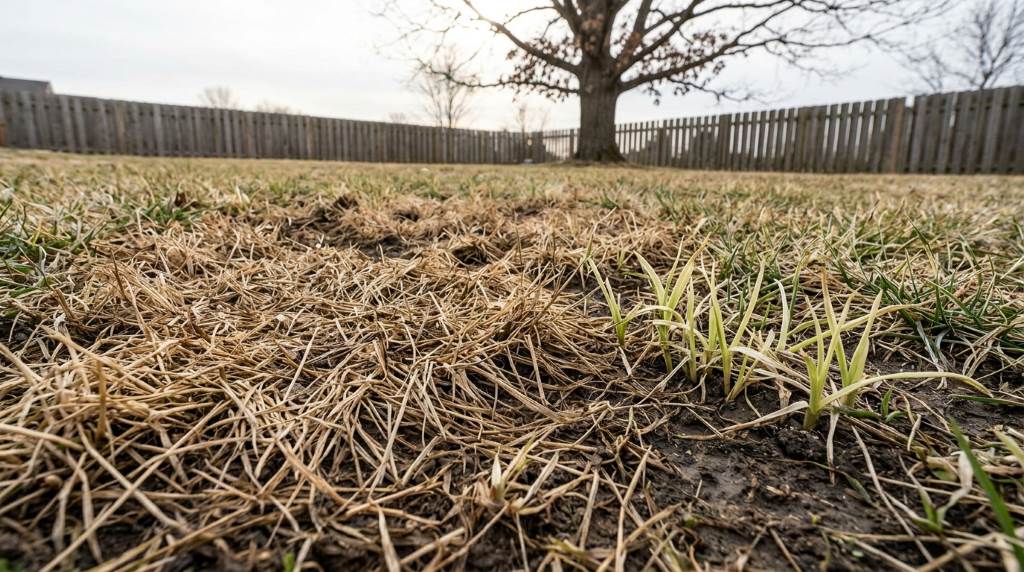
Thatch buildup is another major cause. Thatch is a layer of dead grass, roots, and debris that collects between the soil and the green grass above. A thin layer is fine, but when it gets too thick, it blocks water and air from reaching the roots.
Poor drainage can also lead to uneven growth. Low spots in your lawn collect water. This drowns grass roots in some areas while other spots remain too dry. Additionally, shaded areas under trees or near fences often grow more slowly than open, sun-exposed sections.
Nutrient deficiencies and pest damage round out the list. Grubs, for example, eat grass roots from below. This leaves dead or thin patches that stand out sharply against healthy turf.
Once you identify the cause, you can choose the right tool and technique to address it effectively.
Essential Lawn Care Tools for the Job
Having the right equipment makes a significant difference. Here is a breakdown of the key tools and what each one does.
Lawn Aerator
A lawn aerator creates small holes in the soil. This relieves compaction and allows water, air, and nutrients to reach grass roots more easily. You can choose between a spike aerator, which pokes holes, or a plug aerator, which removes small cores of soil. Plug aerators are generally more effective for heavily compacted ground.
Dethatching Rake or Power Dethatcher
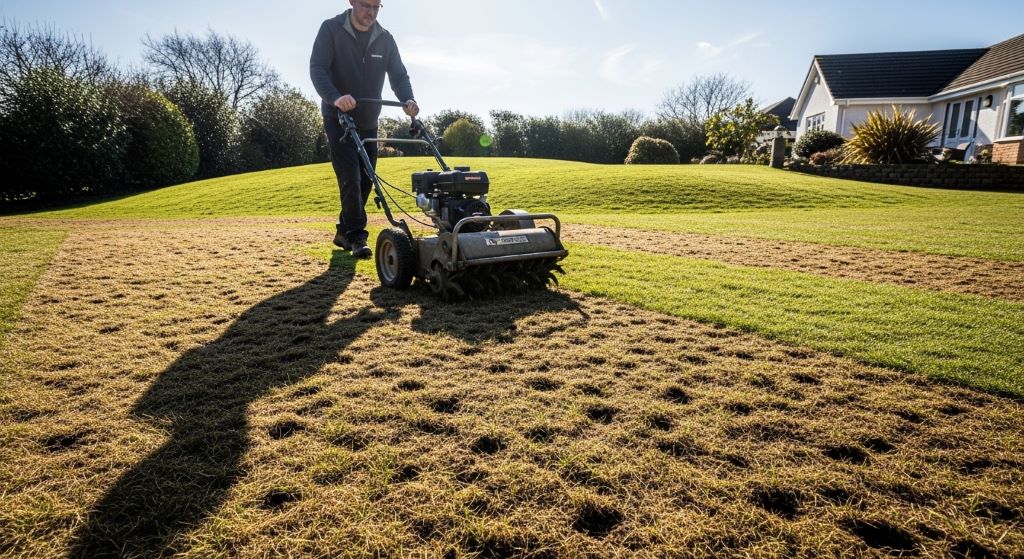
A dethatching rake is a heavy-duty rake with stiff, curved tines. It pulls thatch up from the soil surface. For larger lawns, a power dethatcher (also called a scarifier) does the same job faster and more thoroughly. This tool is essential when thatch thickness exceeds half an inch.
Lawn Leveling Rake
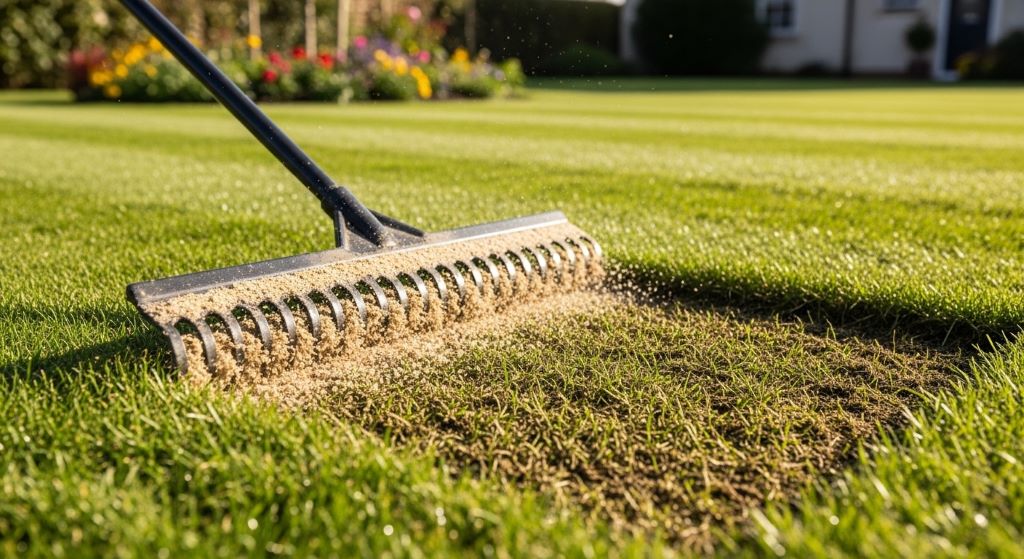
A lawn leveling rake has a wide, flat head. It spreads topdressing material — usually a sand and soil mix — evenly across the surface. This tool is invaluable for smoothing out low spots and bumps without damaging existing grass.
Topdressing Spreader
A topdressing spreader distributes compost, sand, or soil mixtures evenly across large areas. It saves time and ensures consistent coverage, which is key to achieving a smooth, level surface.
Broadcast or Drop Spreader
These spreaders distribute grass seed and fertilizer. A broadcast spreader throws material in a wide arc, making it ideal for large open areas. A drop spreader applies material in a narrow strip directly below the hopper, giving you more precision near borders and garden beds.
Garden Roller
A garden roller is a heavy cylindrical tool that you push or pull across your lawn. It flattens minor bumps and helps newly seeded areas make solid contact with the soil. However, you should avoid using it too frequently, as excessive rolling can contribute to soil compaction over time.
Soil pH Tester
Uneven growth is sometimes a chemistry problem, not just a physical one. A soil pH tester tells you whether your soil is too acidic or too alkaline. Grass grows best in soil with a pH between 6.0 and 7.0. Testing different areas of your lawn can reveal why some patches struggle while others thrive.
Step-by-Step Guide to Fixing Uneven Grass Growth
Now that you have your tools ready, follow these steps to address the problem systematically.
Step 1 — Test and Diagnose Your Lawn
Start by walking your lawn carefully. Note where the uneven patches are located. Look for signs of compaction, thatch, waterlogging, or pest activity. Use your soil pH tester in multiple areas to check for nutrient imbalances. This diagnosis shapes everything that follows.
Step 2 — Mow at the Right Height
Before any major treatment, mow your lawn to a height of about two inches. This makes it easier to see problem areas clearly. It also allows your tools to work more effectively during the next steps. Avoid cutting more than one-third of the grass blade at once, as this stresses the turf.
Step 3 — Dethatch the Lawn
If your thatch layer is thicker than half an inch, dethatching should come first. Use your dethatching rake or power dethatcher to work through the turf in overlapping rows. Rake up and remove all the loosened debris. This opens up the soil surface and prepares it for the next treatment.
Step 4 — Aerate the Soil
After dethatching, run your plug aerator across the entire lawn. Pay extra attention to compacted areas, such as pathways, play areas, and spots near tree roots. Leave the soil plugs on the surface. They will break down naturally and return organic matter to the soil.
Step 5 — Level Low Spots with Topdressing
Mix a topdressing blend of roughly 70% sand and 30% compost. Spread it across low areas using your topdressing spreader and then level it with your lawn leveling rake. Work the material into the aeration holes and spread it thinly — no more than half an inch at a time — over depressed sections. If a spot needs significant filling, repeat this process over several seasons rather than dumping a thick layer all at once. Thick topdressing can smother existing grass.
Step 6 — Overseed Thin or Bare Patches
Once the surface is level, it is time to fill in sparse areas. Use a drop spreader for precision in small patches or a broadcast spreader for larger bare zones. Choose a grass seed that matches your existing turf type. After spreading, lightly rake the seeds into the topdressing and water gently. Keep the area moist for at least two to three weeks until germination takes hold.
Step 7 — Fertilize Based on Soil Test Results
Apply a balanced fertilizer or a targeted formula based on what your soil test revealed. Use your broadcast or drop spreader for even coverage. If your pH is off, add lime to raise it or sulfur to lower it. Correcting the soil chemistry ensures that all areas of your lawn can absorb nutrients equally — which directly leads to more uniform growth.
Step 8 — Roll Lightly if Needed
After seeding, you may use a garden roller filled to a light weight to press seeds firmly against the soil. This improves seed-to-soil contact and speeds up germination. However, keep the roller light. A heavy roller on wet soil can create new compaction issues.
Step 9 — Water Consistently
Water is essential after all these treatments. Set up a regular watering schedule that keeps the soil moist but not waterlogged. Early morning watering is ideal because it allows the lawn to dry during the day, reducing the risk of fungal disease. Uneven watering habits can quickly undo all your hard work.
Maintaining a Level, Healthy Lawn Going Forward
Fixing your lawn is a great achievement. However, maintaining it requires ongoing attention.
Aerate your lawn at least once a year, ideally in early fall or spring depending on your grass type. Dethatch every one to two years before thatch has a chance to build up again. Top-dress and overseed in fall when cool-season grasses are actively growing, or in late spring for warm-season varieties.
Rotate your mowing direction each time you cut the grass. This prevents soil from being compacted in one direction repeatedly. It also encourages grass blades to grow upright rather than leaning to one side.
Additionally, check for drainage problems after heavy rain. If puddles form in the same spots repeatedly, consider installing a French drain or regrading the area. Persistent waterlogging will keep bringing back uneven growth no matter how many times you treat the lawn.
Finally, monitor your lawn regularly through the growing season. Catching small problems early — a thin patch here, a slightly compacted section there — means you can address them with minimal effort before they become large, visible issues.
Conclusion
Fixing uneven grass growth patterns requires both the right tools and a clear understanding of the problem. A lawn aerator relieves compaction. A dethatching rake removes debris buildup. A leveling rake and topdressing spreader smooth out the surface. A broadcast spreader distributes seed and fertilizer evenly. Together, these lawn care tools give you everything you need to restore uniformity to your turf.
The process takes time and consistency. However, by diagnosing the root causes first, following a systematic approach, and maintaining good lawn habits afterward, you can achieve a smooth, lush, and evenly growing lawn that stays that way season after season.
Frequently Asked Questions
-
What is the best tool to fix bumpy, uneven lawn surfaces?
A lawn leveling rake combined with a topdressing mix of sand and compost is the most effective combination. You spread the topdressing over low spots and smooth it with the rake. For more pronounced bumps, a garden roller can also help flatten minor high spots.
-
How often should I aerate my lawn to prevent uneven growth?
Most lawns benefit from aeration once a year. High-traffic lawns or those with heavy clay soil may need it twice a year — once in spring and once in fall. Regular aeration prevents compaction from blocking water and nutrients, which is a key driver of uneven growth.
-
Can I fix thin or bare patches without reseeding?
In some cases, improving soil conditions through aeration, dethatching, and fertilizing will allow existing grass to spread and fill thin areas naturally. However, bare patches where grass has died completely will need overseeding to recover fully.
-
How do I know if my lawn has a thatch problem?
Push a screwdriver or your finger into the lawn surface. If there is a spongy layer between the soil and the grass blades that is more than half an inch thick, you have a thatch problem. Dethatching with a rake or power dethatcher is the solution.
-
What type of grass seed should I use for overseeding patches?
Always match the seed to your existing grass type. For cool-season lawns, fescue, bluegrass, or ryegrass works well. For warm-season lawns, use Bermuda, zoysia, or St. Augustine varieties. Using a mismatched seed type creates new uneven patterns over time.
Related Topics:
Lawn Care Schedules for Different Seasons: A Comprehensive Guide
Lawn Decoration Ideas for Summer Parties: Transform Your Outdoor Space