

Maintaining a lush, green lawn requires consistent care tailored to each season. Seasonal lawn maintenance ensures your yard stays healthy, vibrant, and ready to withstand changing weather. By following a clear plan, you can tackle tasks like mowing, fertilizing, and weed control effectively. A well-kept lawn boosts curb appeal and creates a welcoming outdoor space. Whether you’re a new homeowner or a seasoned gardener, understanding what to do each season for a healthy lawn is key. This guide covers essential steps for spring, summer, fall, and winter, offering practical tips to keep your grass thriving. Ready to transform your yard? Let’s dive into seasonal lawn maintenance!
Spring: Reviving Your Lawn After Winter
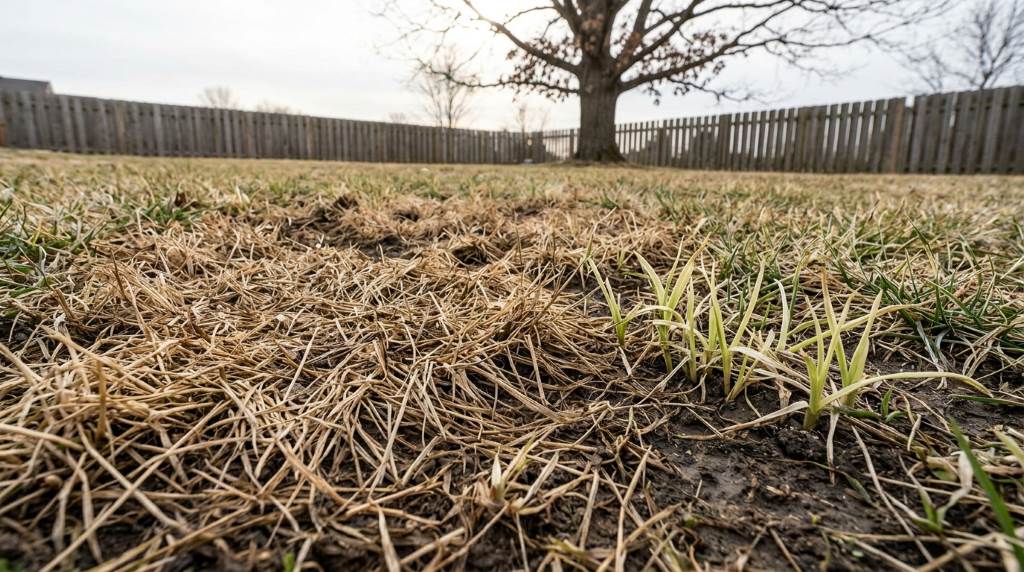
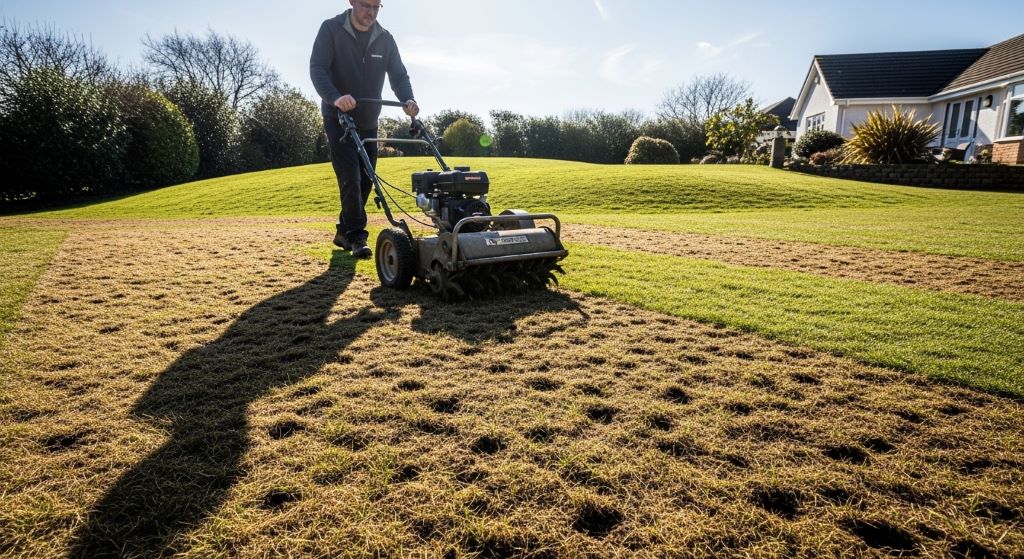
Spring is the time to wake your lawn from winter dormancy. Start by raking away debris, leaves, and dead grass to clear the way for new growth. Aeration is crucial in spring, as it loosens compacted soil and improves water and nutrient absorption. According to a study by the University of Illinois Extension, aerating in spring can boost grass health by 20%. Next, overseed thin areas to fill patches and promote a dense lawn. Fertilize with a nitrogen-rich product to encourage growth, but avoid overdoing it to prevent burn.
Additionally, check your mower blade sharpness and set it to a higher cut—about 3 inches—to avoid stressing young grass. My own lawn struggled after a harsh winter, but regular aeration and overseeding in spring restored its lushness. Finally, apply a pre-emergent herbicide to stop weeds before they sprout. These steps set the foundation for a healthy lawn all year.
Summer: Keeping Your Lawn Lush and Green
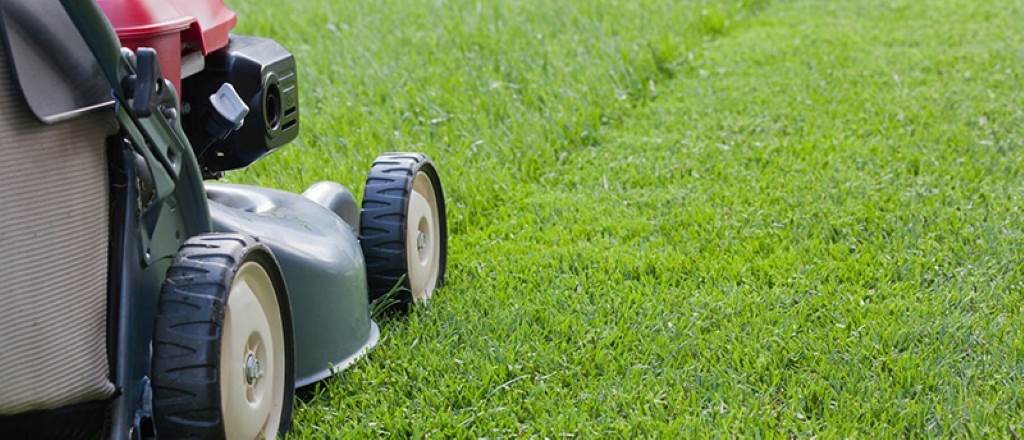
Summer brings heat and drought, challenging your lawn’s resilience. Watering is critical during this season. Aim for 1–1.5 inches of water weekly, preferably early in the morning to reduce evaporation. The Lawn Institute reports that deep, infrequent watering promotes stronger roots. Mow regularly, but keep grass taller (around 3.5 inches) to shade the soil and retain moisture. Avoid cutting more than one-third of the grass height at once to prevent stress.
Moreover, watch for pests like grubs, which can damage roots. I once noticed brown patches in my yard, only to find grubs beneath. A quick application of a natural pesticide saved the lawn. Fertilize lightly with a slow-release product to maintain growth without burning the grass. Also, tackle weeds promptly with spot treatments. Consistent summer care keeps your lawn vibrant despite the heat. Explore Summer Lawn Care Tips in California.
Fall: Preparing Your Lawn for Winter
Fall is ideal for strengthening your lawn before winter. Start with aeration to relieve soil compaction from summer use. Overseeding in fall is also effective, as cooler temperatures and moist soil encourage germination. A study from Purdue University found that fall overseeding improves lawn density by up to 30%. Apply a balanced fertilizer with potassium to boost root health and cold resistance. Rake leaves regularly to prevent suffocation of grass and reduce mold risk.
Additionally, mow at a slightly lower height (around 2.5 inches) as growth slows. I learned the hard way that neglecting fall cleanup led to patchy grass in spring. Test your soil pH and amend it if needed to ensure optimal nutrient uptake. Finally, remove weeds and debris to give your lawn a clean slate for winter. These steps ensure your lawn emerges strong in spring.
Winter: Protecting Your Lawn in Dormancy
Winter lawn care focuses on protection and minimal maintenance. Avoid walking on frozen grass, as it can damage blades and compact soil. Clear heavy snow from high-traffic areas to prevent ice buildup, which can suffocate grass. According to the Royal Horticultural Society, excessive snow weight can reduce lawn vigor by 15%. If you live in a milder climate, lightly water during dry spells to prevent desiccation.
Furthermore, winter is the perfect time to service your mower and sharpen blades for spring. I once skipped this step and struggled with uneven cuts when spring arrived. Avoid fertilizing or applying chemicals, as dormant grass won’t benefit. Instead, plan your spring tasks, like soil testing or ordering seeds. By protecting your lawn in winter, you set the stage for a healthy growing season.
Personal Experience: Learning Through Trial and Error
A few years ago, my lawn was a patchy mess due to inconsistent care. I ignored seasonal lawn maintenance, thinking occasional mowing was enough. After a particularly dry summer, my yard looked more like straw than grass. Determined to fix it, I researched and followed a seasonal plan. Spring aeration and overseeding revived thin spots, while summer watering kept it green. By fall, I prioritized fertilization and leaf cleanup, which made a huge difference. Now, my lawn is the envy of the neighborhood. This experience taught me that consistent, season-specific care is essential for a healthy lawn. You can achieve the same results with a little effort!
Tips for All Seasons: General Maintenance Practices
Regardless of the season, some practices benefit your lawn year-round. Regular soil testing helps you understand nutrient needs and pH levels. The Lawn Institute recommends testing every 2–3 years for optimal results. Keep your mower blades sharp to ensure clean cuts and reduce grass stress. Also, monitor for pests and diseases, addressing them quickly to prevent spread. Use organic or slow-release fertilizers to avoid chemical overload.
Moreover, practice proper watering techniques, adjusting based on weather and season. For example, water less in fall and more in summer. Finally, stay proactive with weed control using manual removal or targeted herbicides. These habits, combined with seasonal lawn maintenance, ensure a consistently healthy lawn.
Conclusion
Seasonal lawn maintenance is the key to a vibrant, healthy lawn year-round. By tailoring tasks like aeration, fertilizing, and watering to each season, you can achieve a lush yard that enhances your home’s appeal. Spring revives, summer sustains, fall strengthens, and winter protects your lawn. With consistent care, your grass will thrive through any weather. My own journey from a patchy lawn to a green masterpiece proves that dedication pays off. Start your seasonal lawn maintenance plan today and enjoy a beautiful yard! Share your lawn care tips in the comments or spread this guide to help others grow a stunning lawn.
FAQs
Why is seasonal lawn maintenance important?
Seasonal lawn maintenance ensures your lawn stays healthy by addressing specific needs like aeration, fertilizing, and weed control each season.
How often should I water my lawn in summer?
Water your lawn with 1–1.5 inches weekly, ideally in the morning, to promote deep roots and reduce evaporation.
When is the best time to aerate my lawn?
Aerate in spring or fall when soil is moist but not soggy, allowing better nutrient and water absorption.
Can I fertilize my lawn in winter?
Avoid fertilizing in winter, as dormant grass doesn’t absorb nutrients. Focus on spring and fall applications instead.
How do I prevent weeds during seasonal lawn maintenance?
Use pre-emergent herbicides in spring and spot-treat weeds in summer and fall for effective control year-round.