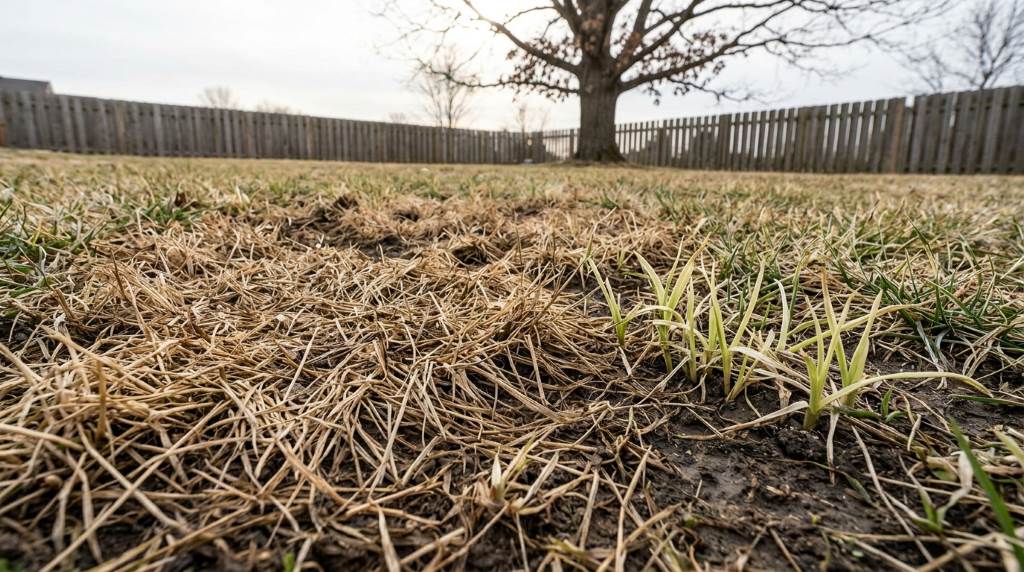

Dealing with lawn bare spots can be frustrating, transforming your lush green carpet into a patchy eyesore. Whether it’s from pet damage, heavy foot traffic, or fungal diseases, those bald patches disrupt your lawn’s aesthetic and health. This comprehensive guide will walk you through the steps to effectively eliminate bare spots and restore your lawn to its former glory. Let’s dig in and discover how to bring your turf back to life!
Identifying the Causes of Lawn Bare Spots
Before you start repairing, it’s crucial to understand why those lawn bare spots appeared in the first place. Pinpointing the root cause allows for targeted treatment and prevents future occurrences.
- Pet Urine: High nitrogen content in pet urine can burn grass, leaving circular dead patches.
- Heavy Traffic: Compacted soil from constant foot traffic restricts root growth, leading to bare areas.
- Fungal Diseases: Diseases like dollar spot or brown patch can quickly decimate sections of your lawn.
- Grubs and Insects: Pests feeding on grass roots can create significant bare spots.
- Poor Soil Conditions: Nutrient deficiencies, pH imbalances, and compacted soil hinder grass growth.
- Shade and Drainage Issues: Areas with too much shade or poor drainage struggle to sustain healthy turf.
- Spilled Chemicals: Accidental spills of fertilizers, herbicides, or other chemicals can kill grass.
Understanding these causes is the first step toward effective lawn repair.
Preparing the Bare Spot for Repair
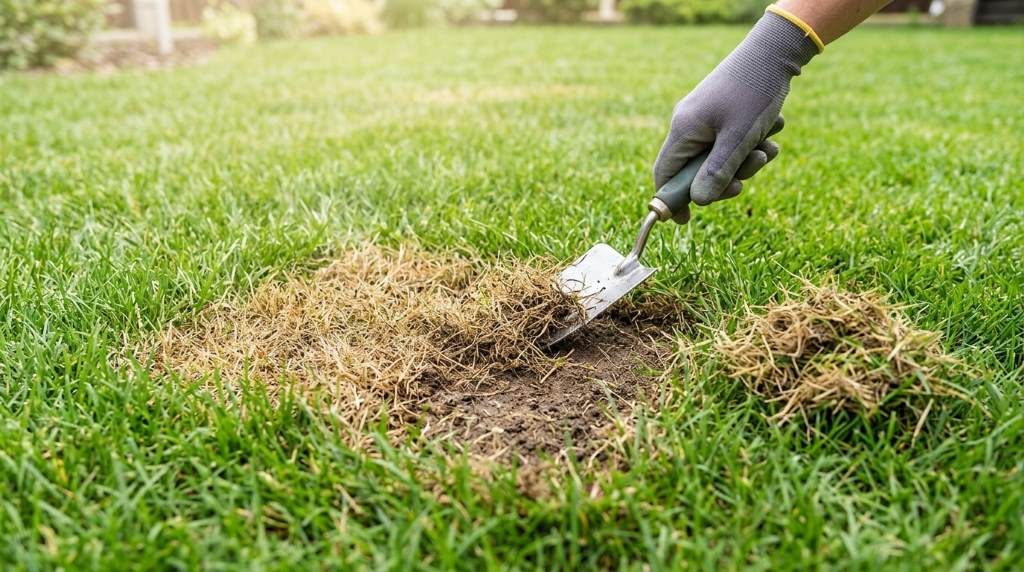
Once you’ve identified the cause, preparing the bare spot is essential for successful restoration. This involves cleaning up the area and ensuring the soil is ready for new growth.
- Remove Debris: Clear away dead grass, leaves, and any other debris from the bare spot.
- Loosen Compacted Soil: Use a garden fork or tiller to break up compacted soil, improving aeration and drainage.
- Test Soil pH: A soil test kit helps determine the pH level and identify nutrient deficiencies. Aim for a pH between 6.0 and 7.0 for most grasses.
- Amend the Soil: Incorporate compost or topsoil to enrich the soil with organic matter and improve its structure. This step is critical for healthy root development.
Proper soil preparation creates a favorable environment for new grass to thrive.
Choosing the Right Grass Seed or Sod
Selecting the appropriate grass seed or sod is crucial for a successful repair. Consider your climate, soil type, and the amount of sunlight the area receives.
- Cool-Season Grasses: Kentucky bluegrass, perennial ryegrass, and fescue are suitable for cooler climates.
- Warm-Season Grasses: Bermuda grass, zoysia grass, and St. Augustine grass thrive in warmer regions.
- Shade-Tolerant Grasses: Fine fescues and some varieties of St. Augustine grass are ideal for shady areas.
- Sod vs. Seed: Sod provides instant results, while seed is more budget-friendly but requires patience.
Choosing the right grass variety ensures compatibility with your existing lawn and environmental conditions.
Seeding or Sodding the Bare Spot
Now it’s time to introduce new grass to the prepared area. Whether you select to seed or sod, follow these steps for optimal results.
Seeding:
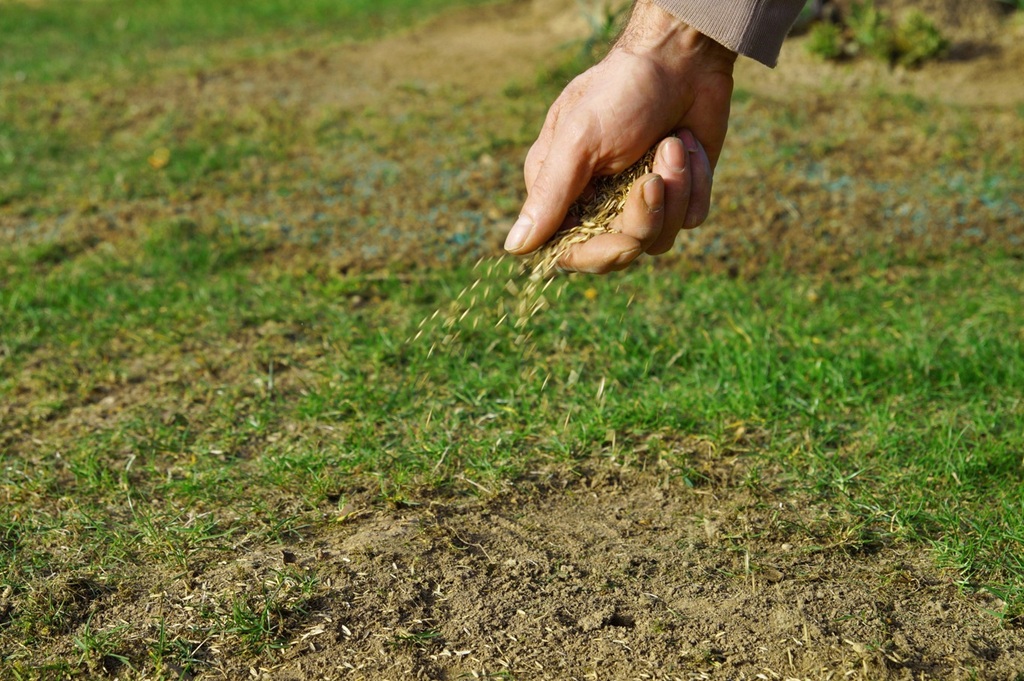
- Spread Seed Evenly: Use a spreader to distribute grass seed evenly over the bare spot.
- Lightly Rake: Gently rake the seeds into the top layer of soil.
- Apply Starter Fertilizer: Use a starter fertilizer to promote root development.
- Water Regularly: Keep the soil consistently moist until the grass germinates.
- Mulch: Cover the seeded area with a thin layer of straw or peat moss to retain moisture.
Sodding:
- Lay Sod Tightly: Place sod pieces tightly together, ensuring no gaps.
- Roll and Tamp: Use a roller to press the sod firmly into the soil.
- Water Thoroughly: Water the sod deeply and frequently for the first few weeks.
- Avoid Heavy Traffic: Keep off the sodded area until the roots establish.
Proper planting techniques are essential for successful grass establishment.
Maintaining Your Repaired Lawn
After seeding or sodding, consistent maintenance is vital for a healthy, uniform lawn.
- Regular Watering: Water deeply and less frequently to encourage deep root growth.
- Fertilization: Apply a balanced fertilizer according to the grass type and soil test results.
- Weed Control: Use pre-emergent and post-emergent herbicides to control weeds.
- Mowing: Mow regularly at the appropriate height to maintain a healthy lawn.
- Aeration: Aerate compacted soil annually to improve air and water penetration.
- Overseeding: Overseed thin areas in the fall to maintain a thick, healthy lawn.
- Pest Control: Treat for grubs and other pests to prevent further damage.
Consistent lawn care ensures long-term health and prevents future bare spots.
Addressing Specific Bare Spot Causes
Let’s look at how to address some specific causes of lawn bare spots to prevent them from recurring.
- Pet Urine Spots:
- Water the area immediately after your pet urinates.
- Create a designated pet area.
- Use lawn repair products designed to neutralize urine.
- Compacted Soil:
- Aerate the soil regularly.
- Reduce foot traffic in affected areas.
- Use soil amendments to improve soil structure.
- Fungal Diseases:
- Identify the specific disease and apply appropriate fungicides.
- Improve drainage and aeration.
- Avoid overwatering.
Targeted solutions help prevent the recurrence of specific problems.
Long-Term Lawn Health Strategies
Maintaining a healthy lawn is an ongoing process. Implementing these strategies will help prevent bare spots and ensure a lush, vibrant lawn.
- Regular Soil Testing: Test your soil annually to identify and correct nutrient deficiencies.
- Proper Mowing Techniques: Mow at the correct height and avoid removing more than one-third of the grass blade at a time.
- Integrated Pest Management: Use natural pest control methods and apply chemical treatments only when necessary.
- Seasonal Lawn Care: Adjust your lawn care routine according to the season.
By adopting proactive lawn care practices, you can minimize the risk of bare spots and maintain a healthy, beautiful lawn.
Read More Also: Tackling Common Lawn Problems: A Comprehensive Guide to a Lush, Healthy Yard
Take Action Today!
Don’t let lawn bare spots detract from your home’s curb appeal. By following these steps, you can effectively repair those unsightly patches and restore your lawn to its former glory. Start by identifying the cause, preparing the area, and choosing the right grass seed or sod. Remember, consistent maintenance is key to a healthy, vibrant lawn.
Ready to transform your lawn? Take the first step today! Test your soil, choose your grass seed, and begin your journey to a lush, bare spot-free lawn. Invest in your lawn’s health and enjoy the results for years to come.
Read More:
Pet Damaged Lawn Repair: Revive Your Green Space After Canine Chaos
Lawn Care Solutions for Common Grass Problems and How to Fix Them