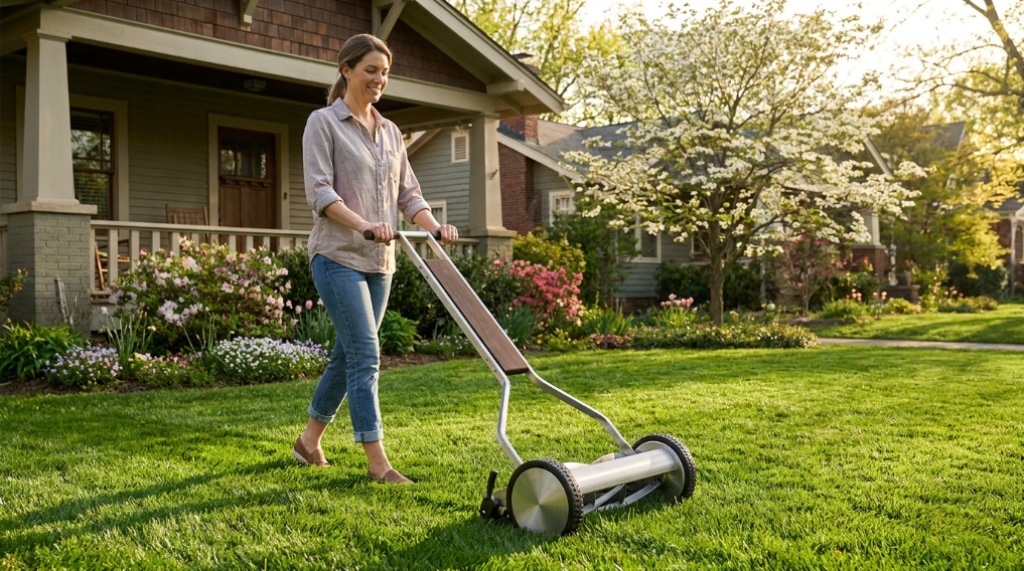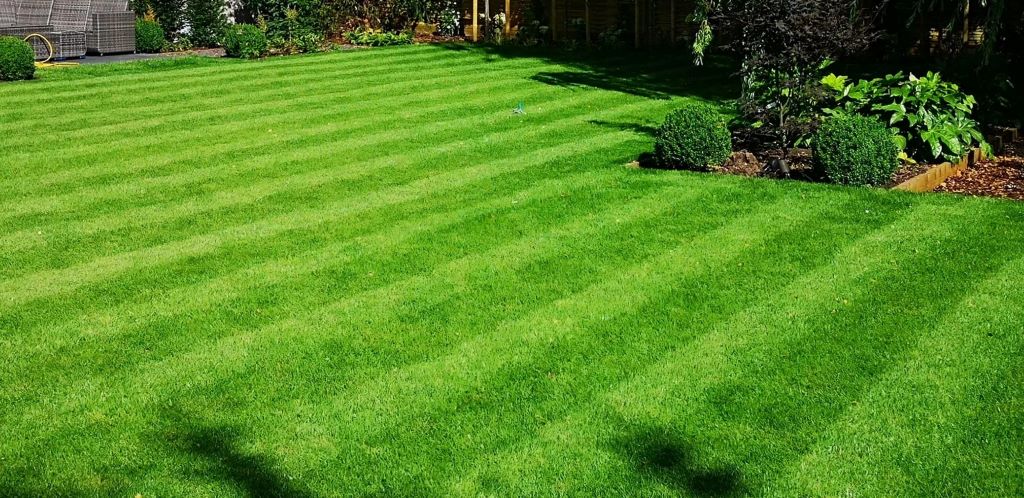


A vibrant, healthy lawn is the cornerstone of a beautiful home. It’s the backdrop for summer barbecues, the playground for kids and pets, and a source of pride for homeowners. But maintaining a pristine lawn problems can feel like an uphill battle. From pesky weeds and persistent brown patches to invasive pests and perplexing diseases, a myriad of challenges can threaten your lawn’s health and curb appeal.
This comprehensive guide delves into the most common lawn problems faced by homeowners, providing detailed insights into their causes, effective solutions, and preventive measures. We’ll also explore some of the top-rated lawn care products available, helping you make informed decisions to revitalize and maintain your green space.
Understanding Your Lawn: The Foundation of Effective Care
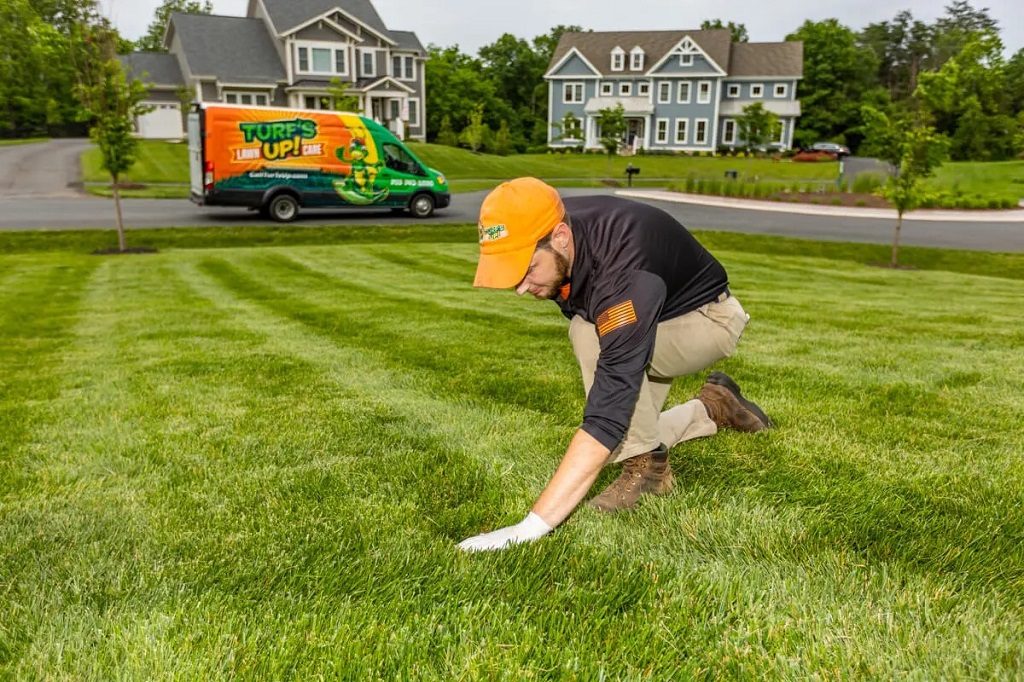
Before diving into specific problems, it’s crucial to understand the type of grass you have and the unique challenges it faces. Different grass varieties have varying needs in terms of sunlight, water, and nutrients. Identifying your grass type is the first step towards tailoring a care plan that addresses its specific requirements.
Cool-Season Grasses
- Kentucky Bluegrass: This popular choice is known for its lush, dark green appearance and ability to withstand moderate foot traffic. However, it requires frequent watering and fertilization to thrive.
- Tall Fescue: A hardy and drought-tolerant option, tall fescue is well-suited for high-traffic areas. It prefers full sun but can tolerate some shade.
- Perennial Ryegrass: Often used in seed mixes, perennial ryegrass germinates quickly and provides a dense, green cover. It’s less tolerant of heat and drought than other cool-season grasses.
- Fine Fescue: This shade-tolerant variety is a good choice for lawns with limited sunlight. It requires less frequent mowing and fertilization.
Warm-Season Grasses
- Bermudagrass: A popular choice in warmer climates, Bermudagrass is known for its heat and drought tolerance. It requires full sun and frequent mowing.
- Zoysiagrass: This dense, wear-resistant grass is well-suited for high-traffic areas. It’s slow to establish but requires less water and fertilizer once mature.
- St. Augustinegrass: A shade-tolerant option, St. Augustinegrass is popular in the southern United States. It’s susceptible to chinch bugs and other pests.
- Centipedegrass: This low-maintenance grass is well-suited for sandy soils. It’s slow-growing and requires less frequent mowing.
Once you’ve identified your grass type, you can better understand its specific needs and tailor your lawn care practices accordingly. This knowledge will help you prevent problems before they arise and address existing issues effectively.
Common Lawn Problems and Solutions
-
Weeds: The Unwanted Guests
Weeds are the bane of every homeowner’s existence. These unwelcome invaders compete with your grass for resources, disrupting its growth and detracting from its aesthetic appeal. Identifying the type of weeds plaguing your lawn is crucial for effective control.
- Broadleaf Weeds: These weeds, such as dandelions, clover, and plantain, have wider leaves than grass blades. They can be controlled with selective herbicides that target broadleaf weeds without harming your grass.
- Grassy Weeds: These weeds, such as crabgrass and quackgrass, resemble grass but have different growth habits. They can be more challenging to control, often requiring pre-emergent herbicides to prevent their germination or non-selective herbicides for established infestations.
Solutions:
- Pre-emergent Herbicides: Apply these herbicides in early spring to prevent weed seeds from germinating.
- Post-emergent Herbicides: Use these herbicides to kill existing weeds. Choose selective herbicides to target specific weed types without harming your grass.
- Hand Weeding: For small infestations, manually removing weeds can be effective. Be sure to remove the entire root system to prevent regrowth.
- Mulching: Applying a layer of mulch around trees and shrubs can help suppress weed growth.
- Proper Lawn Care: Maintaining a healthy lawn through proper mowing, watering, and fertilization can help crowd out weeds and prevent their establishment.
-
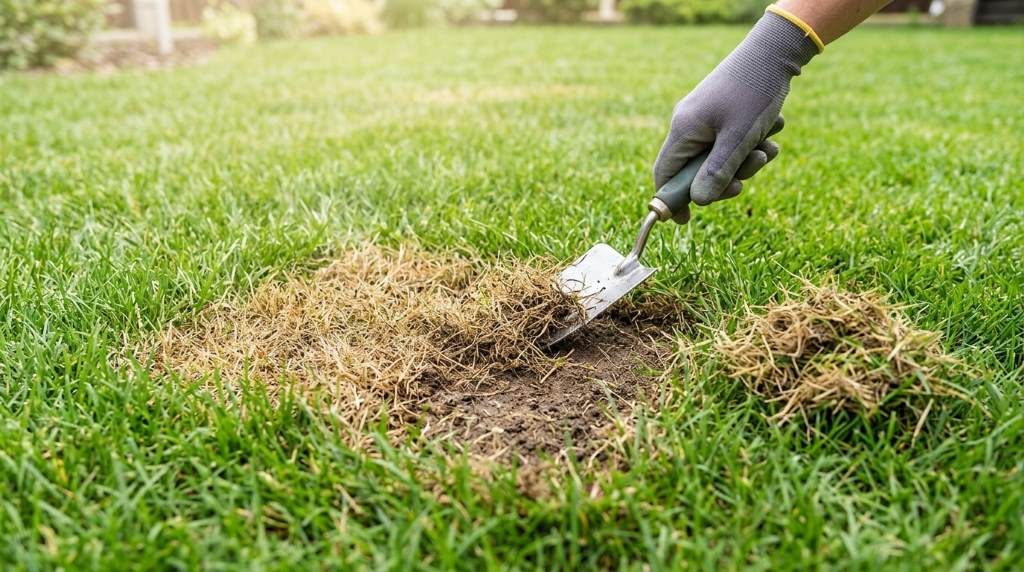
Brown Patches: A Sign of Distress
Brown patches are unsightly blemishes on your lawn, often indicating underlying issues such as fungal diseases, insect infestations, or improper watering.
- Fungal Diseases: Diseases like brown patch and dollar spot thrive in warm, humid conditions. They cause circular patches of brown, dead grass.
- Insect Infestations: Grubs and other soil-dwelling insects can damage grass roots, leading to brown patches.
- Improper Watering: Overwatering or underwatering can stress your lawn, making it more susceptible to diseases and pests.
Solutions:
- Fungicides: Apply fungicides to control fungal diseases. Choose a product specifically formulated for the disease affecting your lawn.
- Insecticides: Use insecticides to control insect infestations. Follow product instructions carefully to avoid harming beneficial insects.
- Aerate Your Lawn: Aeration helps improve soil drainage and reduce compaction, making it less hospitable to disease-causing fungi.
- Water Deeply and Infrequently: Water your lawn deeply but infrequently to encourage deep root growth.
- Dethatch Your Lawn: Dethatching removes the layer of dead grass and other organic matter that can harbor disease-causing organisms.
-
Bare Spots: Filling the Gaps
Bare spots are unsightly gaps in your lawn, often caused by heavy foot traffic, pet urine, or improper lawn care practices.
- Heavy Foot Traffic: Compacted soil and damaged grass roots can lead to bare spots in high-traffic areas.
- Pet Urine: The high nitrogen content in pet urine can burn grass, creating brown spots that eventually turn bare.
- Improper Lawn Care: Scalping your lawn by mowing too low or using dull mower blades can damage grass and create bare spots.
Solutions:
- Overseeding: Spread grass seed over bare spots to fill in the gaps. Choose a seed variety that matches your existing lawn.
- Topdressing: Apply a thin layer of topsoil over bare spots to improve soil quality and encourage seed germination.
- Aerate Compacted Soil: Aeration helps loosen compacted soil, allowing air, water, and nutrients to reach grass roots.
- Train Pets: Train your pets to relieve themselves in a designated area away from your lawn.
- Water and Fertilize Regularly: Provide adequate water and nutrients to encourage new grass growth.
-
Uneven Growth: A Patchwork Lawn
Uneven growth can create a patchwork appearance, detracting from your lawn’s uniformity. This issue can stem from various factors, including soil compaction, nutrient deficiencies, and improper mowing practices.
- Soil Compaction: Compacted soil restricts root growth, leading to uneven grass development.
- Nutrient Deficiencies: Lack of essential nutrients like nitrogen, phosphorus, and potassium can hinder grass growth and cause uneven coloration.
- Improper Mowing: Mowing too low or using dull mower blades can scalp your lawn, leading to uneven growth and stress.
Solutions:
- Aerate Your Lawn: Aeration helps alleviate soil compaction, promoting even root growth and nutrient absorption.
- Soil Test: Conduct a soil test to identify nutrient deficiencies and amend your soil accordingly.
- Fertilize Regularly: Apply fertilizer according to your soil test results and grass type.
- Mow at the Correct Height: Mow your lawn at the recommended height for your grass type. Avoid scalping, which can damage grass and lead to uneven growth.
- Sharpen Mower Blades: Sharp mower blades make clean cuts, promoting healthy grass growth and preventing stress.
-
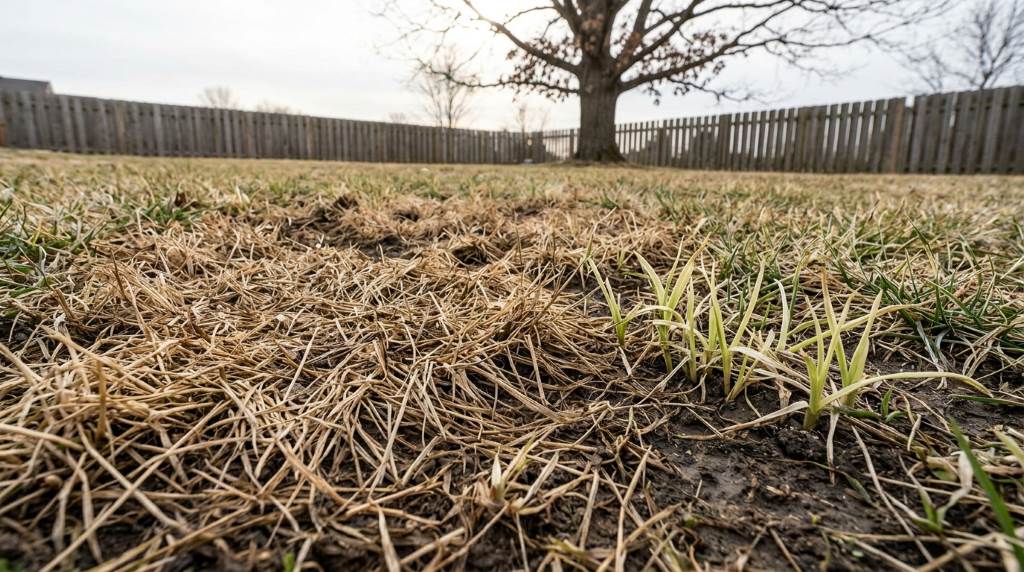
Thatch Buildup: A Hidden Menace
Thatch is a layer of dead grass and other organic matter that accumulates between the soil surface and the green grass blades. While a thin layer of thatch can be beneficial, excessive buildup can impede water and nutrient penetration, creating a breeding ground for pests and diseases.
Solutions:
- Dethatching: Dethatching removes the excess thatch layer, improving water and nutrient infiltration.
- Core Aeration: Aeration helps break up thatch and improve soil drainage.
- Topdressing: Applying a thin layer of topsoil after dethatching or aeration can help improve soil quality and encourage grass growth.
- Proper Lawn Care: Maintaining a healthy lawn through proper mowing, watering, and fertilization can help prevent excessive thatch buildup.
Top-Rated Lawn Care Products
- Scotts Turf Builder Triple Action
This versatile product combines a weed killer, fertilizer, and preventer, offering a comprehensive solution for weed control and lawn health. It targets a wide range of broadleaf weeds while providing essential nutrients for a thick, green lawn.
- Sunday Lawn Care
This subscription service offers personalized lawn care plans based on your grass type, soil conditions, and climate. They deliver customized fertilizer and weed control treatments directly to your door, simplifying lawn care and ensuring optimal results.
- Milorganite Organic Nitrogen Fertilizer
This slow-release fertilizer is made from heat-dried microbes, providing a safe and sustainable source of nitrogen for your lawn. It promotes healthy growth without the risk of burning and helps improve soil health over time.
- Bonide Weed Beater Ultra
This powerful herbicide controls a wide range of broadleaf weeds, including dandelions, clover, and ground ivy. Its fast-acting formula delivers visible results within hours, restoring your lawn’s beauty.
- Ortho Bug B Gon Max Insect Killer
This broad-spectrum insecticide controls a variety of lawn pests, including grubs, chinch bugs, and ants. Its long-lasting formula provides season-long protection, keeping your lawn pest-free and healthy.
Frequently Asked Questions
-
How often should I water my lawn?
Water deeply and infrequently, aiming for about 1 inch of water per week. Adjust watering frequency based on rainfall, temperature, and soil conditions.
-
When should I fertilize my lawn?
Fertilize your lawn based on your grass type and soil test results. Cool-season grasses typically benefit from fertilization in spring and fall, while warm-season grasses thrive with summer fertilization.
-
How often should I mow my lawn?
Mow your lawn frequently enough to avoid removing more than one-third of the grass blade at a time. Adjust mowing height based on your grass type and personal preference.
-
How can I prevent lawn diseases?
Maintain a healthy lawn through proper watering, fertilization, and aeration. Avoid overwatering, which can create a favorable environment for disease-causing fungi.
-
How can I get rid of grubs in my lawn?
Apply a grub control product in late spring or early summer to prevent grub infestations. For existing infestations, use a curative insecticide to eliminate grubs.
-
How can I improve the drainage in my lawn?
Aerate your lawn to improve soil drainage and reduce compaction. You can also consider installing a French drain or other drainage system to address severe drainage issues.
-
How can I make my lawn thicker?
Overseed your lawn in spring or fall to thicken existing grass and fill in bare spots. Water and fertilize regularly to encourage new grass growth.
-
How can I prevent my dog from damaging my lawn?
Train your dog to relieve themselves in a designated area away from your lawn. You can also try using a pet-friendly lawn repair product to repair damaged areas.
-
How can I get rid of moss in my lawn?
Moss thrives in shady, damp conditions with acidic soil. Improve drainage, increase sunlight exposure, and apply lime to raise soil pH to discourage moss growth.
-
How can I prevent my lawn from turning brown in the summer?
Water deeply and infrequently to encourage deep root growth. Choose drought-tolerant grass varieties for your climate. Avoid over-fertilizing, which can burn your lawn.
Conclusion
Maintaining a healthy lawn requires ongoing effort and attention. By understanding your grass type, addressing common problems promptly, and implementing preventive measures, you can achieve a lush, vibrant lawn that enhances your home’s curb appeal and provides a welcoming space for outdoor enjoyment. Remember, a healthy lawn is not just about aesthetics; it’s a testament to your dedication and a source of pride for years to come.
Read More:
The Green Revolution: A Deep Dive into Organic Lawn Feed
Top Dressing Lawn: How and Why
Essential Tools for Lawn Maintenance: Reviews, Solutions, Pros and Cons, and FAQs
Xeriscaping: A Water-Wise Oasis in Dry Climates
Hydroponics vs. Aquaponics: A Deep Dive into Soilless Gardening