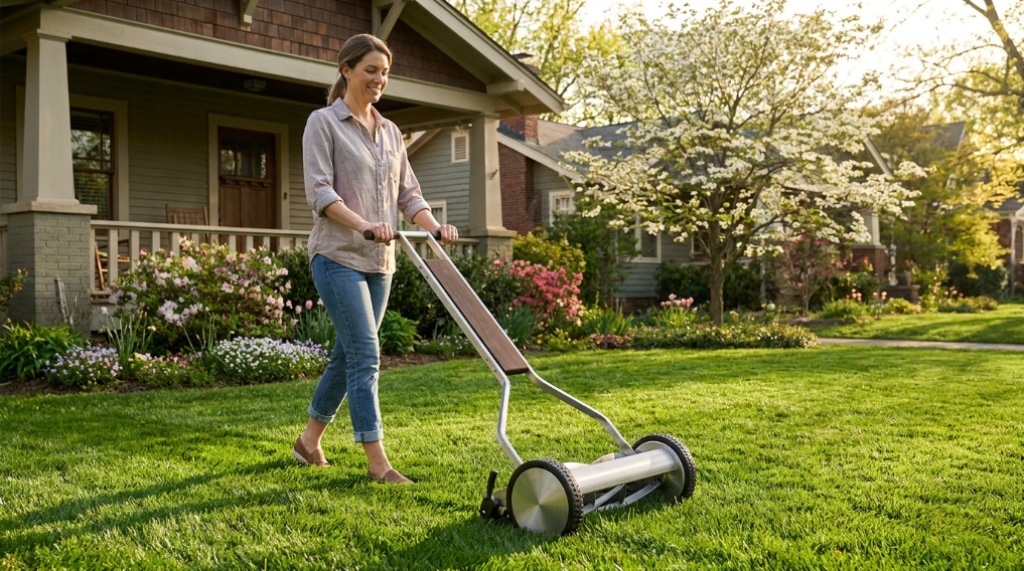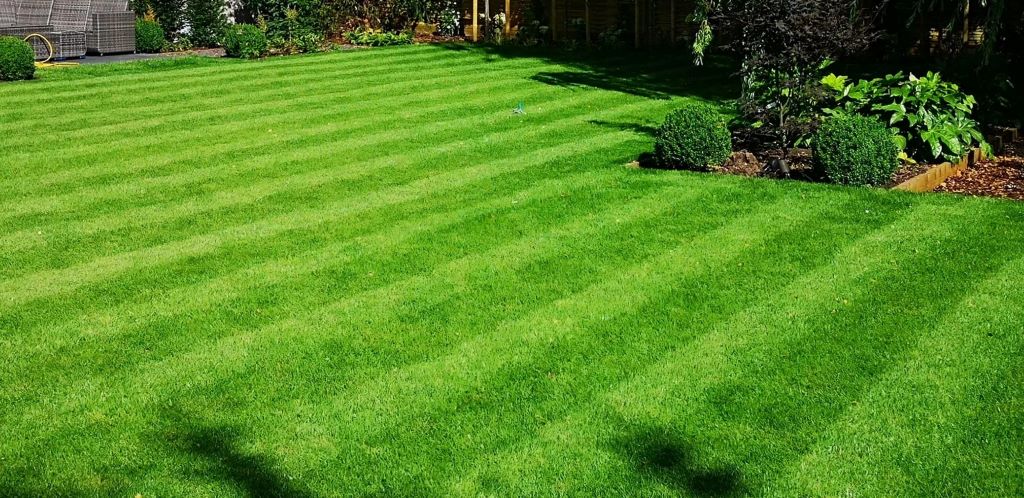


The smell of freshly cut grass, the soft feel beneath your bare feet, the vibrant green that beckons you outdoors – a healthy organic lawn feed is a source of pride and joy for many homeowners. But achieving that picture-perfect lawn often comes with a hefty price tag, both financially and environmentally. Traditional synthetic fertilizers, while effective, can contribute to water pollution, harm beneficial soil organisms, and even pose risks to pets and children.
Enter organic lawn feed, a natural alternative that nourishes your lawn while minimizing harm to the environment. This comprehensive guide delves into the world of organic lawn feed, exploring its benefits, drawbacks, application methods, and everything in between. We’ll also take a look at some popular products, address common concerns, and provide solutions to common lawn problems.
What is Organic Lawn Feed?
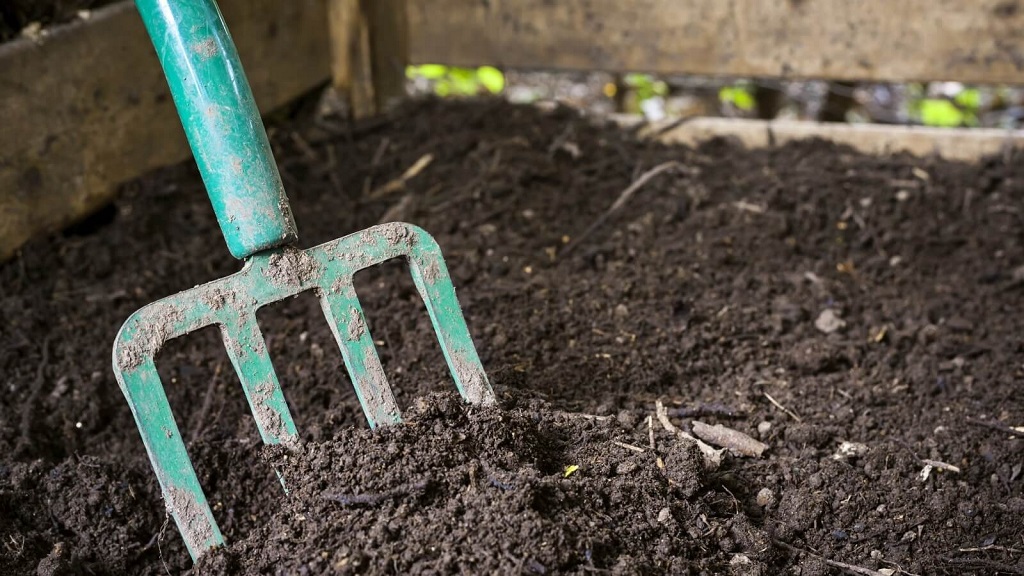
Organic lawn feed is derived from natural sources, such as plant and animal byproducts. Unlike synthetic fertilizers that provide a quick but short-lived nutrient fix, organic lawn feed focuses on building healthy soil. It works by feeding the soil’s microorganisms, which in turn break down the organic matter and release nutrients slowly and steadily to the grass roots. This process improves soil structure, water retention, and overall lawn health, resulting in a lush, resilient lawn that can better withstand pests, diseases, and environmental stress.
Common ingredients in organic lawn feed include:
- Compost: A rich source of nutrients and beneficial microbes.
- Manure: Provides nitrogen and other essential nutrients.
- Seaweed: A natural source of potash, which promotes strong root growth.
- Corn gluten meal: A natural pre-emergent herbicide that also provides nitrogen.
- Bone meal: A source of phosphorus, essential for root development.
- Blood meal: A quick-release source of nitrogen.
Why Choose Organic Lawn Feed?
Switching to organic lawn feed offers a myriad of benefits for your lawn, your family, and the environment:
Environmental Benefits:
- Reduces water pollution: Organic fertilizers are less likely to leach into waterways, minimizing harm to aquatic life.
- Improves soil health: Encourages beneficial microbial activity, leading to better soil structure and water retention.
- Reduces reliance on synthetic chemicals: Minimizes exposure to potentially harmful chemicals.
- Supports biodiversity: Creates a healthier environment for pollinators and other beneficial insects.
Lawn Benefits:
- Sustained nutrient release: Provides a slow and steady supply of nutrients, promoting long-term lawn health.
- Stronger root system: Encourages deeper root growth, leading to a more drought-tolerant lawn.
- Increased disease resistance: Healthy soil and grass are less susceptible to diseases.
- Improved soil structure: Better aeration and drainage, reducing compaction and thatch buildup.
Health Benefits:
- Safer for children and pets: Reduces exposure to potentially harmful chemicals found in synthetic fertilizers.
- Minimizes risk of chemical burns: Organic fertilizers are gentler on grass and less likely to cause fertilizer burn.
Organic Lawn Feed: Pros and Cons
While organic lawn feed offers numerous advantages, it’s essential to be aware of its limitations:
Pros:
- Environmentally friendly
- Improves soil health
- Promotes long-term lawn health
- Safer for children and pets
Cons:
- Slower results: Organic fertilizers take longer to break down and release nutrients, so you may not see immediate results.
- May require more frequent applications: Due to the slow-release nature, you might need to apply organic fertilizers more often than synthetic ones.
- Can be more expensive: Organic fertilizers can be pricier than synthetic options.
- Potential for weed seeds: Some organic fertilizers, especially those containing compost or manure, may contain weed seeds.
Popular Organic Lawn Feed Products
The market offers a wide range of organic lawn feed options, each with its unique blend of ingredients and benefits. Here are a few popular choices:
- Milorganite: A classic organic fertilizer made from heat-dried microbes that digest organic matter in wastewater. It’s known for its slow-release nitrogen and non-burning properties.
- Espoma Organic Lawn Food: This brand offers a variety of organic fertilizers tailored to different lawn needs, including formulas for new lawns, established lawns, and shade lawns.
- Dr. Earth Lawn Fertilizer: This company focuses on premium organic ingredients, including probiotics and mycorrhizae, to enhance soil health and nutrient uptake.
- Ringer Lawn Restore: A liquid organic fertilizer that combines seaweed, fish hydrolysate, and molasses to provide essential nutrients and stimulate microbial activity.
Tip: When choosing an organic lawn feed, consider your lawn’s specific needs, such as soil type, grass type, and climate. Reading online reviews can also help you find a product that suits your requirements.
How to Apply Organic Lawn Feed
Proper application is crucial for maximizing the benefits of organic lawn feed. Here’s a general guide:
- Soil Test: Before applying any fertilizer, it’s recommended to conduct a soil test to determine your lawn’s nutrient needs and pH level. This will help you choose the right type of organic fertilizer and adjust the application rate accordingly.
- Timing: The best time to apply organic lawn feed is during the growing season, typically spring and fall. Avoid applying during periods of extreme heat or drought.
- Application Method: You can apply organic lawn feed using a spreader, either a broadcast spreader for larger areas or a drop spreader for smaller lawns. Follow the product’s instructions for the recommended application rate.
- Watering: After applying, water your lawn lightly to help the fertilizer penetrate the soil.
Organic Lawn Care Solutions
Organic lawn care goes beyond just using organic fertilizer. It involves a holistic approach that focuses on building a healthy soil ecosystem. Here are some tips for organic lawn care success:
- Mowing High: Keep your grass taller (around 3 inches) to encourage deeper root growth and shade out weeds.
- Grasscycling: Leave grass clippings on the lawn to return nutrients to the soil.
- Aerate: Aerating your lawn improves soil drainage and allows for better nutrient penetration.
- Overseeding: Overseed in the fall to thicken your lawn and crowd out weeds.
- Compost Topdressing: Apply a thin layer of compost to your lawn to improve soil health and provide nutrients.
- Natural Weed Control: Use corn gluten meal as a pre-emergent herbicide or hand-pull weeds.
Addressing Common Lawn Problems with Organic Solutions
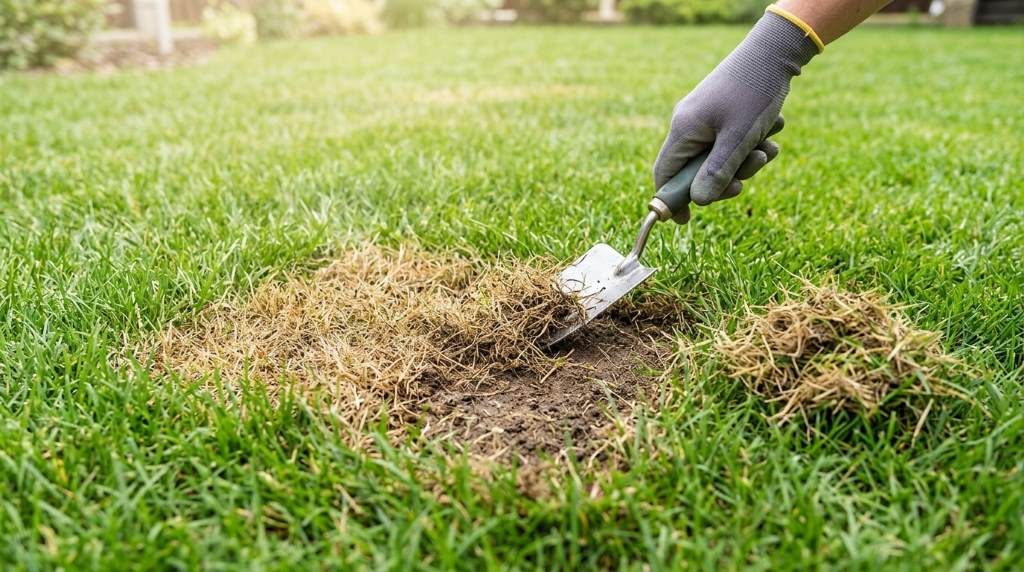
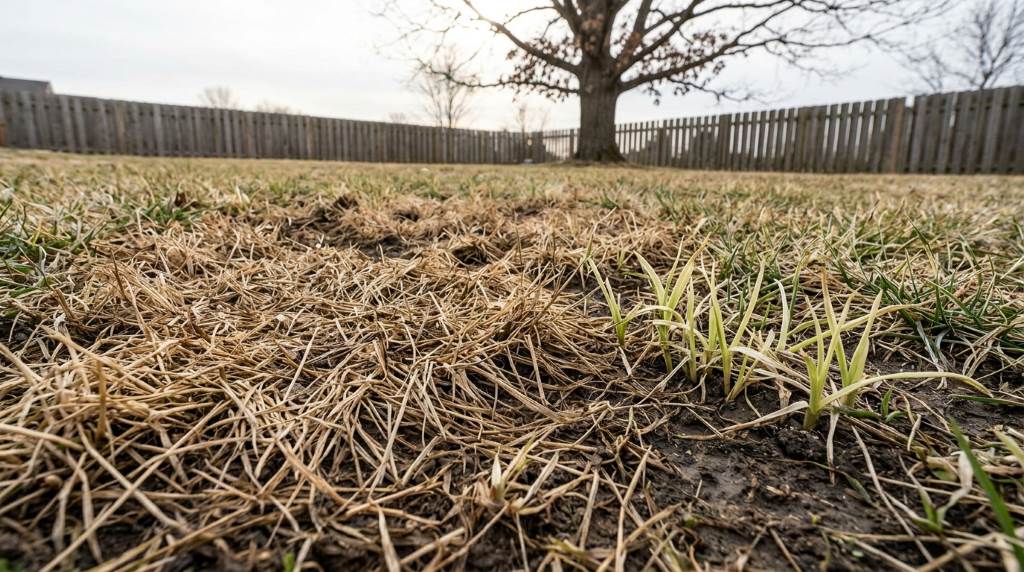
Problem: Brown patches or bare spots. Solution: Improve soil health with compost topdressing and overseeding. Water deeply and infrequently.
Problem: Weed infestation. Solution: Use corn gluten meal as a pre-emergent herbicide, hand-pull weeds, and thicken your lawn with overseeding.
Problem: Thatch buildup. Solution: Aerate your lawn and apply beneficial microbes to help break down thatch.
Problem: Grubs or other lawn pests. Solution: Apply beneficial nematodes to control grubs. Encourage natural predators like birds and beneficial insects.
Organic Lawn Feed: FAQs
Q: Is organic lawn feed safe for pets and children?
A: Yes, organic lawn feed is generally safer for pets and children than synthetic fertilizers as it doesn’t contain harsh chemicals. However, it’s still a good idea to keep pets and children off the lawn until the fertilizer has been watered in.
Q: How long does it take for organic lawn feed to work?
A: Organic fertilizers release nutrients slowly, so you may not see results for several weeks. However, the benefits are long-lasting and contribute to overall lawn health.
Q: Can I use organic lawn feed on any type of grass?
A: Yes, organic lawn feed is suitable for all grass types.
Q: Where can I buy organic lawn feed?
A: You can find organic at garden centers, home improvement stores, and online retailers.
Q: Is organic lawn care more expensive?
A: Organic lawn care products can be more expensive upfront, but the long-term benefits, such as improved soil health and reduced need for chemical treatments, can save you money in the long run.
Q: Can I make my own organic lawn feed?
A: Yes, you can make your own organic lawn using compost, manure, and other natural ingredients. However, it requires some effort and knowledge to ensure the right balance of nutrients.
Reviews of Organic Lawn Feed
Many homeowners who have switched to organic lawn care are thrilled with the results. They report healthier, greener lawns that require less water and fewer chemical treatments. Online reviews of popular organic lawn products often highlight the following benefits:
- Improved lawn health: Users report thicker, greener lawns with fewer weeds and diseases.
- Environmentally friendly: Reviewers appreciate the eco-friendly nature of organic fertilizers.
- Safe for pets and children: Many users choose organic lawn because it’s safer for their families and pets.
- Easy to use: Most organic fertilizers are easy to apply with a spreader.
While some reviewers mention the slower results and higher cost of organic fertilizers, the majority agree that the benefits outweigh the drawbacks.
The Future of Organic Lawn Care
As awareness of the environmental and health impacts of synthetic chemicals grows, organic lawn care is gaining popularity. The demand for sustainable and eco-friendly lawn care solutions is driving innovation in the organic fertilizer industry. New products with improved formulations and application methods are constantly being developed.
Furthermore, the growing body of research on soil health and the benefits of organic practices is further strengthening the case for organic lawn care.
By choosing organic lawn , you’re not only investing in a beautiful lawn but also contributing to a healthier planet. It’s a small step that can make a big difference. So, ditch the chemicals and embrace the green revolution!
Read More:
Essential Tools for Lawn Maintenance: Reviews, Solutions, Pros and Cons, and FAQs
Xeriscaping: A Water-Wise Oasis in Dry Climates
Hydroponics vs. Aquaponics: A Deep Dive into Soilless Gardening
How to Restore Soil Health for Sustainable Farming: A Comprehensive Guide