
The world of gardening is evolving, and with it, innovative techniques are sprouting up to meet the demands of a growing population and changing climate. Among these, hydroponics and aquaponics stand out as popular soilless cultivation methods, offering unique advantages for both hobbyist and commercial growers. But what exactly are these methods, and which one is right for you? Let’s dive deep into the fascinating world of hydroponics and aquaponics, exploring their intricacies, benefits, drawbacks, and everything in between.
Understanding the Basics: What are Hydroponics and Aquaponics?
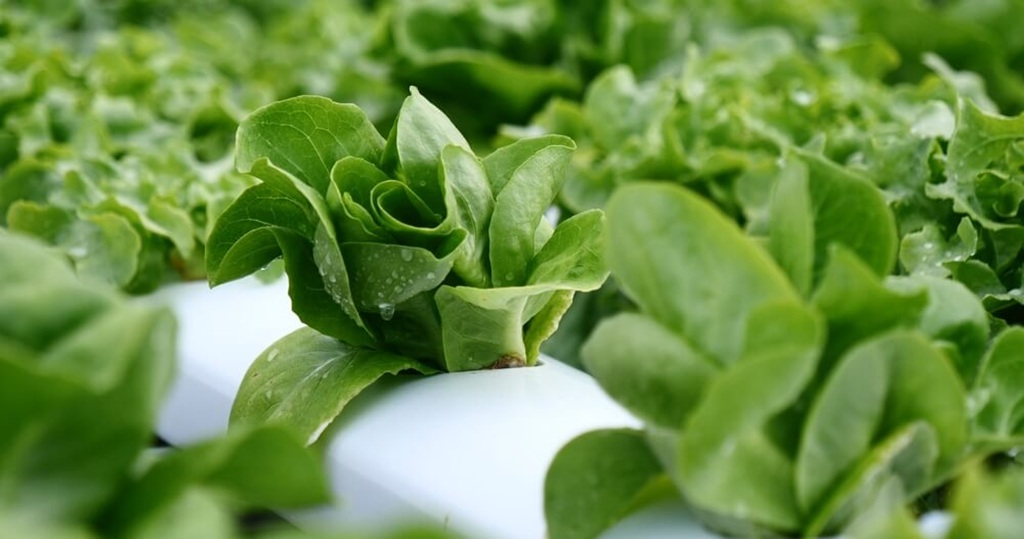
Hydroponics is a method of growing plants without soil, where the roots are immersed in a nutrient-rich water solution. This solution provides the plants with all the essential minerals they need for optimal growth. Various hydroponic systems exist, each with its own setup and water management technique, including:
- Wick System: The simplest type, using a wick to passively draw nutrient solution to the roots.
- Deep Water Culture (DWC): Roots are submerged in an aerated nutrient solution.
- Nutrient Film Technique (NFT): A thin film of nutrient solution flows over the roots.
- Ebb and Flow (Flood and Drain): The growing tray is periodically flooded with nutrient solution and then drained.
- Drip System: The nutrient solution is delivered directly to the base of each plant.
Aquaponics, on the other hand, takes hydroponics a step further by incorporating fish into the equation. It’s a symbiotic system where fish waste provides nutrients for the plants, and the plants, in turn, filter the water for the fish. This creates a closed-loop ecosystem that mimics natural processes.
Hydroponics vs. Aquaponics: A Head-to-Head Comparison
While both methods offer the benefits of soilless gardening, they differ in key aspects:
| Feature | Hydroponics | Aquaponics |
| Nutrient Source | Synthetic nutrient solutions | Fish waste |
| System Complexity | Relatively simpler | More complex due to fish care |
| Startup Cost | Generally lower | Higher due to fish tanks and related equipment |
| Maintenance | Requires regular monitoring of nutrient levels and pH | Involves fish care, water quality monitoring, and system balancing |
| Sustainability | Can be sustainable with careful nutrient management | Inherently more sustainable due to the closed-loop system |
| Biodiversity | Focuses solely on plant growth | Supports both plant and fish life |
| Yield | Can produce high yields with optimized conditions | Yield can be influenced by fish health and system balance |
Export to Sheets
Pros and Cons of Hydroponics
Pros:
- Higher yields: Optimized nutrient delivery and environmental control can lead to significantly higher yields compared to traditional soil gardening.
- Faster growth: Plants access nutrients more readily, resulting in faster growth cycles.
- Water conservation: Water is recirculated, leading to significant water savings compared to traditional irrigation.
- No weeds: Eliminates the need for weeding and herbicides.
- Reduced pests and diseases: Controlled environment minimizes pest and disease outbreaks.
- Year-round growing: Allows for growing plants regardless of the season or climate.
- Suitable for limited spaces: Can be set up in urban environments or areas with limited space.
Cons:
- Initial investment: Setting up a hydroponic system requires an initial investment in equipment and supplies.
- Technical knowledge: Requires some understanding of plant nutrition and system maintenance.
- Power dependence: Most systems rely on pumps and lights, making them dependent on electricity.
- Nutrient imbalances: Requires careful monitoring and adjustment of nutrient solutions.
- Waterborne diseases: Can be susceptible to waterborne diseases if proper hygiene is not maintained.
Pros and Cons of Aquaponics
Pros:
- Highly sustainable: Creates a closed-loop ecosystem that minimizes waste and resource consumption.
- Organic produce: Fish waste provides natural nutrients, eliminating the need for synthetic fertilizers.
- Dual output: Produces both plants and fish, diversifying the harvest.
- Reduced environmental impact: Conserves water and reduces reliance on chemical inputs.
- Educational value: Offers a valuable learning experience about ecosystems and sustainable food production.
Cons:
- Higher startup costs: Requires investment in fish tanks, pumps, filters, and other equipment.
- Increased complexity: Involves managing both plant and fish health, requiring more knowledge and attention.
- System balancing: Maintaining a balanced ecosystem can be challenging, requiring careful monitoring and adjustments.
- Fish health issues: Susceptible to fish diseases and parasites that can affect the entire system.
- Limited plant choices: Not all plants thrive in aquaponic systems due to specific water and nutrient requirements.
Reviews: What Growers are Saying
Hydroponics:
- “I love the control and efficiency of my hydroponic setup. I’ve been able to grow fresh herbs and vegetables year-round, even in my small apartment.” – Sarah J.
- “Hydroponics has significantly increased my yields and reduced my water usage. It’s a game-changer for sustainable gardening.” – Mark L.
- “The initial learning curve was a bit steep, but once I got the hang of it, hydroponics has been incredibly rewarding.” – Emily S.
Aquaponics:
- “Aquaponics is fascinating! It’s amazing to see the symbiotic relationship between the fish and plants. Plus, the fresh fish is a bonus!” – David R.
- “I’m passionate about sustainable living, and aquaponics aligns perfectly with my values. It’s a truly rewarding way to grow food.” – Maria G.
- “Balancing the system can be tricky at times, but the results are worth it. The organic produce from my aquaponic garden is incredible.” – John B.
Related: How to Restore Soil Health for Sustainable Farming: A Comprehensive Guide
Choosing the Right Method for You
The choice between hydroponics and aquaponics depends on your individual needs, goals, and resources. Consider the following factors:
- Your budget: Hydroponics generally has lower startup costs compared to aquaponics.
- Your space: Both methods can be adapted to various spaces, but aquaponics may require more room for fish tanks.
- Your time commitment: Aquaponics demands more time and attention due to fish care and system balancing.
- Your experience level: Hydroponics is generally easier to start with, while aquaponics requires more knowledge and experience.
- Your goals: Are you primarily interested in plant production, or do you want the added benefit of raising fish?
Hydroponics vs. Aquaponics (FAQ)
Q: Can I use tap water for hydroponics and aquaponics?
A: While tap water can be used, it’s often recommended to let it sit for 24-48 hours to allow chlorine to evaporate. Alternatively, you can use filtered or purified water.
Q: What types of plants can I grow in hydroponics and aquaponics?
A: Most vegetables, herbs, and leafy greens thrive in hydroponics. Aquaponics is suitable for plants that prefer slightly acidic water and moderate nutrient levels, such as lettuce, spinach, kale, and herbs.
Q: What kind of fish are used in aquaponics?
A: Common fish choices include tilapia, goldfish, koi, and catfish.
Q: Do I need special lighting for hydroponics and aquaponics?
A: If you’re growing indoors or in low-light conditions, you’ll need to supplement with grow lights. LED grow lights are energy-efficient and provide the specific light spectrum plants need.
Related: Battling Weeds: Organic and Sustainable Control Methods
Q: How often do I need to change the nutrient solution in hydroponics?
A: The frequency of nutrient solution changes depends on the system, plant type, and growth stage. Generally, it’s recommended to change the solution every 1-3 weeks.
Q: Is aquaponics truly organic?
A: While aquaponics uses natural fish waste as fertilizer, the debate about its “organic” status continues. Some argue that the lack of soil disqualifies it from organic certification.
Q: Where can I learn more about hydroponics and aquaponics?
A: Numerous online resources, books, and workshops are available to help you delve deeper into these fascinating growing methods.
The Future of Soilless Gardening
Hydroponics and aquaponics represent the future of sustainable and efficient food production. As technology advances and research expands, we can expect even more innovative applications of these methods. Whether you’re a seasoned gardener or a curious beginner, exploring the world of soilless gardening can open up a world of possibilities for growing fresh, healthy produce in any environment.