

The sight of lush green lawns has long been synonymous with the idyllic home. However, the reality of maintaining such landscapes, particularly in arid and semi-arid regions, is often at odds with environmental sustainability and water conservation efforts. Enter xeriscaping, a landscaping philosophy that embraces the beauty of drought-tolerant plants and water-wise practices. This comprehensive guide delves into the world of xeriscaping, exploring its principles, benefits, and practical implementation, along with reviews, pros and cons, and answers to frequently asked questions.
Understanding Xeriscaping
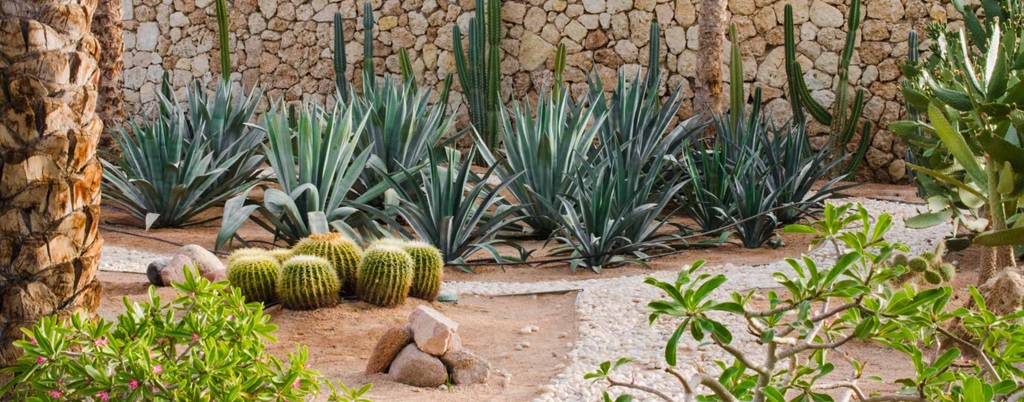
Derived from the Greek word “xeros” meaning dry, xeriscaping is far from creating a barren, desert-like landscape. Instead, it’s about designing a garden that thrives in its natural environment by utilizing plants adapted to arid conditions and implementing water-efficient irrigation techniques. Xeriscaping is a holistic approach that considers planning, soil improvement, plant selection, and maintenance to create a sustainable and aesthetically pleasing landscape.
Key Principles of Xeriscaping
- Planning and Design: Analyzing the site’s topography, soil type, and sun exposure to create hydrozones – grouping plants with similar water requirements together.
- Soil Improvement: Amending the soil with organic matter to improve drainage and water retention.
- Plant Selection: Choosing drought-tolerant plants adapted to the local climate and soil conditions.
- Efficient Irrigation: Utilizing drip irrigation, soaker hoses, or other water-saving techniques to deliver water directly to the roots.
- Mulching: Applying organic mulch to suppress weeds, reduce evaporation, and moderate soil temperature.
- Limited Turf Areas: Minimizing the use of traditional lawns and replacing them with groundcovers, gravel, or permeable paving.
Benefits of Xeriscaping
Environmental Benefits
- Water Conservation: Xeriscaping significantly reduces water consumption, a crucial factor in drought-prone regions facing water scarcity.
- Reduced Runoff and Pollution: By minimizing water usage, xeriscaping helps prevent soil erosion and the runoff of fertilizers and pesticides into waterways.
- Wildlife Habitat: Native and drought-tolerant plants attract pollinators, birds, and other beneficial wildlife, contributing to biodiversity.
- Reduced Maintenance: Once established, xeriscapes require less mowing, watering, and fertilizing, saving time and resources.
Economic Benefits
- Lower Water Bills: Reduced water consumption translates to significant savings on water bills.
- Reduced Maintenance Costs: Less frequent watering, mowing, and fertilizing result in lower maintenance costs.
- Increased Property Value: A well-designed xeriscape can enhance the aesthetic appeal and value of a property.
Xeriscaping in Practice
Planning Your Xeriscape
- Analyze your site: Observe the sun exposure, drainage patterns, and soil type in different areas of your yard.
- Create hydrozones: Group plants with similar water needs together to optimize irrigation efficiency.
- Choose a theme: Select a style that complements your home’s architecture and personal preferences. Popular xeriscape themes include Southwestern, Mediterranean, and contemporary.
- Develop a design: Sketch out your plan, including plant placement, hardscape features, and irrigation systems.
Soil Preparation
- Improve drainage: Amend heavy clay soils with organic matter like compost or peat moss to enhance drainage.
- Increase water retention: Sandy soils benefit from the addition of compost or other organic materials to improve water-holding capacity.
- Test soil pH: Ensure the soil pH is suitable for the plants you intend to grow.
Plant Selection
- Choose native plants: Native plants are naturally adapted to the local climate and require minimal watering once established.
- Consider drought-tolerant species: Explore a wide variety of drought-tolerant plants, including succulents, ornamental grasses, and native shrubs.
- Select plants with varying textures and colors: Create visual interest by incorporating plants with different foliage colors, textures, and bloom times.
- Group plants strategically: Place taller plants in the background and shorter ones in the foreground for a layered effect.
Irrigation Techniques
- Drip irrigation: Delivers water directly to the plant roots, minimizing evaporation and water waste.
- Soaker hoses: Provide a slow, steady supply of water to a targeted area.
- Rainwater harvesting: Collect rainwater in barrels or cisterns for irrigating your xeriscape.
- Mulching: Apply a layer of organic mulch, such as wood chips or bark, to conserve soil moisture and suppress weeds.
Maintenance
- Watering: Water deeply but infrequently, allowing the soil to dry out between waterings.
- Weeding: Regularly remove weeds to prevent competition for water and nutrients.
- Pruning: Prune shrubs and trees as needed to maintain their shape and promote healthy growth.
- Fertilizing: Use slow-release fertilizers sparingly to avoid encouraging excessive growth.
Xeriscaping Reviews
Positive Reviews
- “Xeriscaping has transformed my yard into a beautiful and low-maintenance oasis. I love the variety of drought-tolerant plants and the fact that I’m saving water and money.” – Sarah J.
- “I was skeptical at first, but xeriscaping has exceeded my expectations. My garden is thriving, and I’m no longer a slave to the sprinkler system.” – John D.
- “Xeriscaping is the perfect solution for our dry climate. It’s environmentally friendly, cost-effective, and aesthetically pleasing.” – Maria G.
Challenges and Considerations
- Initial investment: Implementing a xeriscape may require an upfront investment in plant material, irrigation systems, and labor.
- Plant selection: Choosing the right plants for your specific climate and soil conditions is crucial for success.
- Maintenance: While xeriscapes require less maintenance than traditional lawns, they still need occasional watering, weeding, and pruning.
- Homeowner association restrictions: Some homeowner associations may have rules regarding landscaping that could limit xeriscaping options.
Related: Hydroponics vs. Aquaponics: A Deep Dive into Soilless Gardening
Pros and Cons of Xeriscaping
Pros:
- Water conservation
- Reduced maintenance
- Environmental benefits
- Cost savings
- Aesthetically pleasing
Cons:
- Initial investment
- Plant selection challenges
- Potential HOA restrictions
- May require professional help
Frequently Asked Questions (FAQ)
- Is xeriscaping only for desert climates?
No, xeriscaping principles can be applied in any region facing water scarcity or seeking to conserve water.
- Can I have a lawn with xeriscaping?
Yes, you can incorporate small patches of drought-tolerant grass or groundcovers as lawn alternatives.
- Where can I find xeriscape plants?
Local nurseries and garden centers often carry a selection of drought-tolerant plants suitable for your region.
Related: How to Restore Soil Health for Sustainable Farming: A Comprehensive Guide
- Do xeriscapes attract wildlife?
Yes, native and drought-tolerant plants provide food and habitat for pollinators, birds, and other beneficial wildlife.
- Is xeriscaping expensive?
While there may be an initial investment, xeriscaping can save money in the long run through reduced water bills and maintenance costs.
- Can I do xeriscaping myself?
Yes, many homeowners successfully implement xeriscapes themselves. However, for complex designs or large-scale projects, seeking professional help may be beneficial.
Conclusion
Xeriscaping offers a sustainable and aesthetically pleasing approach to landscaping in dry climates. By embracing the beauty of drought-tolerant plants and water-wise practices, homeowners can create vibrant gardens that thrive in harmony with their natural environment. With careful planning, plant selection, and maintenance, xeriscaping can transform thirsty lawns into water-wise oases, conserving precious resources and enhancing the beauty of our surroundings.