
In the heart of a thriving farm lies a hidden world, teeming with life and brimming with potential. This world is the soil, the foundation upon which our entire agricultural system rests. For generations, farmers have understood the importance of healthy soil, recognizing it as the lifeblood of their crops and the key to sustainable food production.
However, in recent decades, intensive farming practices have taken a toll on our soils, depleting them of essential nutrients and disrupting the delicate balance of life within. The consequences are far-reaching, impacting not only crop yields and farmer livelihoods but also the health of our planet.
This comprehensive guide delves deep into the world of soil health, exploring its significance, the causes of degradation, and most importantly, the practical steps farmers can take to restore and revitalize their land. Whether you’re a seasoned farmer or just starting your agricultural journey, this guide will equip you with the knowledge and tools to cultivate healthy soil, ensuring a bountiful harvest for years to come.
Understanding the Vital Role of Soil Health
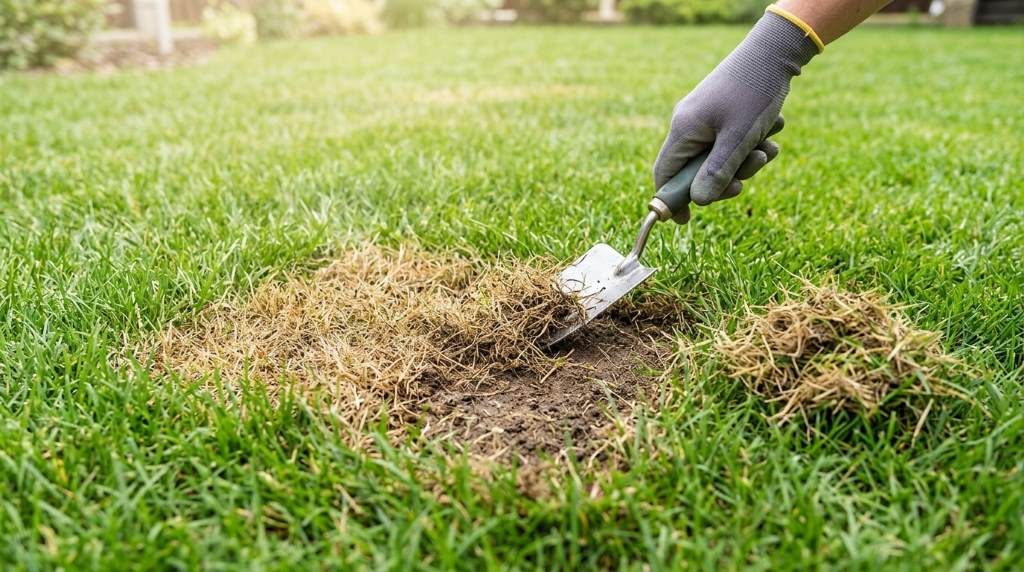
Soil is far more than just dirt; it’s a complex ecosystem teeming with billions of organisms, from microscopic bacteria and fungi to earthworms and insects. These organisms work tirelessly, breaking down organic matter, cycling nutrients, and creating a fertile environment for plants to thrive.
Healthy soil provides a multitude of benefits, including:
- Improved Crop Yields: Nutrient-rich soil translates to healthier, more productive crops, leading to increased yields and profitability.
- Enhanced Water Retention: Healthy soil acts like a sponge, absorbing and retaining water, reducing the need for irrigation, and mitigating the impacts of drought.
- Reduced Erosion: A well-structured soil with strong root systems is less susceptible to erosion, preventing topsoil loss and protecting water quality.
- Increased Resilience: Healthy soil helps crops withstand stress from pests, diseases, and extreme weather events.
- Climate Change Mitigation: Soil acts as a significant carbon sink, sequestering carbon dioxide from the atmosphere and mitigating climate change.
The Silent Crisis: Unmasking Soil Degradation
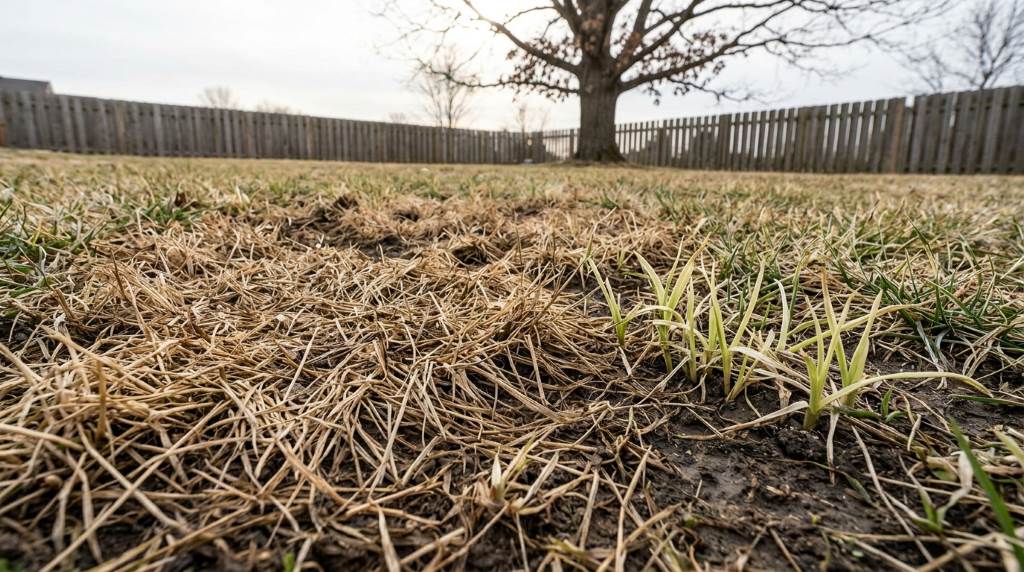
Despite its vital importance, soil health is facing a global crisis. Decades of intensive agriculture, characterized by monoculture cropping, excessive tillage, and heavy reliance on synthetic fertilizers and pesticides, have degraded our soils, leaving them depleted and vulnerable.
The consequences of soil degradation are alarming:
- Reduced Crop Productivity: Nutrient-deficient soil leads to stunted growth, lower yields, and decreased crop quality.
- Increased Water Pollution: Runoff from degraded soil carries excess nutrients and pesticides into waterways, harming aquatic life and contaminating drinking water sources.
- Loss of Biodiversity: Intensive farming practices disrupt the delicate balance of soil life, leading to a decline in biodiversity and the loss of beneficial organisms.
- Climate Change Exacerbation: Degraded soil releases carbon dioxide back into the atmosphere, contributing to climate change.
Restoring Soil Health: A Holistic Approach
Reversing the tide of soil degradation requires a shift towards sustainable farming practices that prioritize soil health. This involves adopting a holistic approach that focuses on rebuilding soil organic matter, enhancing biodiversity, and minimizing disturbance.
Here are some key strategies for restoring soil health:
-
Minimize Tillage:
Excessive tillage disrupts soil structure, destroys beneficial organisms, and accelerates erosion. Reducing or eliminating tillage through practices like no-till farming or conservation tillage helps preserve soil health.
-
Cover Cropping:
Planting cover crops, such as legumes, grasses, or brassicas, during fallow periods protects the soil from erosion, adds organic matter, and improves soil fertility.
-
Crop Rotation:
Rotating crops with different nutrient requirements helps break pest cycles, improves soil health, and reduces the need for synthetic fertilizers.
-
Organic Amendments:
Adding organic matter, such as compost or manure, to the soil improves its structure, water-holding capacity, and nutrient content.
-
Integrated Pest Management:
Implementing integrated pest management (IPM) strategies minimize the use of synthetic pesticides, protecting beneficial soil organisms and promoting biodiversity.
-
Agroforestry:
Integrating trees into farming systems provides shade, wind protection, and organic matter, enhancing soil health and creating a more diverse ecosystem.
-
Managed Grazing:
Rotating livestock on pastures mimics natural grazing patterns, promoting plant growth, improving soil fertility, and reducing erosion.
Reviews: What Farmers Are Saying
“Since adopting no-till farming and cover cropping, I’ve seen a dramatic improvement in my soil health. My yields are up, my water usage is down, and my crops are more resilient.” – John, Corn and Soybean Farmer
“Organic amendments have transformed my soil from a lifeless dust bowl into a thriving ecosystem. My vegetables are healthier and tastier than ever before.” – Maria, Organic Vegetable Farmer
“Managed grazing has revitalized my pastures, increasing forage production and improving the health of my livestock.” – David, Cattle Rancher
Related: Battling Weeds: Organic and Sustainable Control Methods
Pros and Cons of Restoring Soil Health

Pros:
- Increased crop yields and profitability
- Reduced water usage and irrigation costs
- Improved soil fertility and nutrient cycling
- Enhanced drought resistance and climate resilience
- Reduced erosion and water pollution
- Increased biodiversity and ecosystem health
- Carbon sequestration and climate change mitigation
Cons:
- Transitioning to sustainable practices may require upfront investment and learning
- Some practices, like no-till farming, may require specialized equipment
- Monitoring soil health and adjusting management practices requires time and effort
FAQ: Common Questions About Soil Health
- What is the best way to test my soil health?
A comprehensive soil test can provide valuable information about your soil’s nutrient levels, pH, and organic matter content. Contact your local agricultural extension office for guidance on soil testing and interpretation.
- How long does it take to restore soil health?
The time it takes to restore soil health depends on the severity of degradation and the management practices implemented. However, with consistent effort, you can start seeing improvements within a few years.
- Can I restore soil health on a small scale?
Absolutely! Even small-scale farmers and gardeners can implement practices like composting, cover cropping, and crop rotation to improve soil health.
Related: Agrobots: The Rise of Automation in Farming
- Where can I learn more about sustainable farming practices?
Numerous resources are available to help you learn more about sustainable farming. Contact your local agricultural extension office, conservation district, or sustainable agriculture organizations for guidance and support.
Conclusion: Investing in the Future of Farming
Restoring soil health is not just an environmental imperative; it’s an investment in the future of farming. By adopting sustainable practices that prioritize soil health, farmers can increase their yields, reduce their environmental impact, and contribute to a healthier planet.
The journey towards soil health may require time, effort, and a willingness to learn and adapt. But the rewards are immeasurable, ensuring a thriving farm, a bountiful harvest, and a legacy of sustainability for generations to come.