
Summer is the time to enjoy your lawn, whether it’s for barbecues, games, or simply relaxing in the sun. However, the summer heat can also take a toll on your lawn, leaving it dry, brown, and patchy. Proper summer lawn care is essential to keep your grass healthy and vibrant throughout the season. This comprehensive guide covers everything you need to know, from mowing and watering to fertilization and pest control, along with reviews of popular products, pros and cons of different practices, and answers to frequently asked questions.
Mowing: The Foundation of Summer Lawn Care
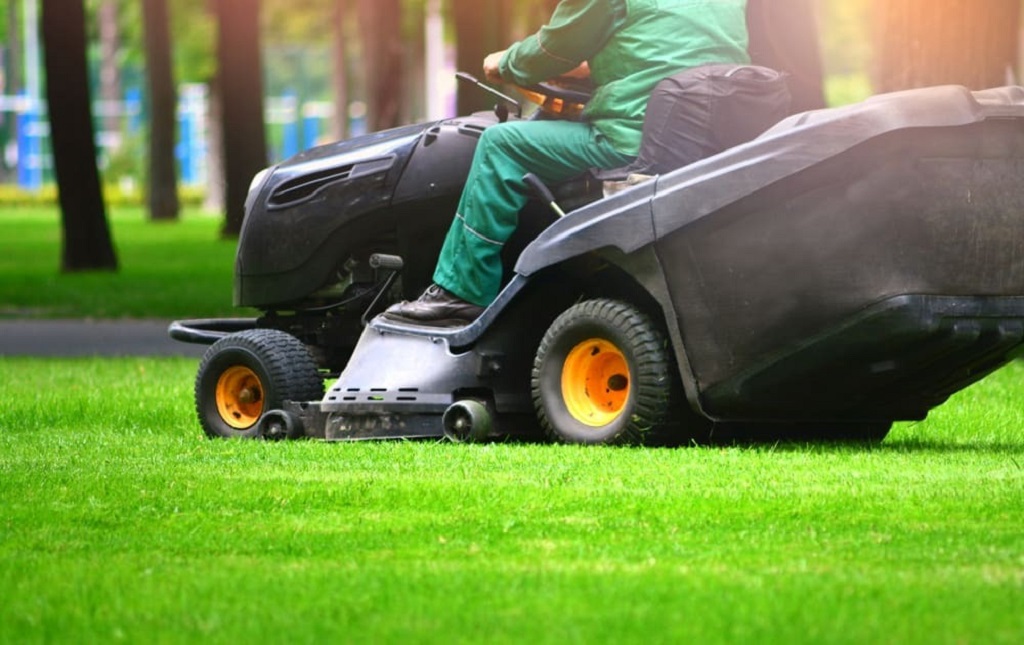
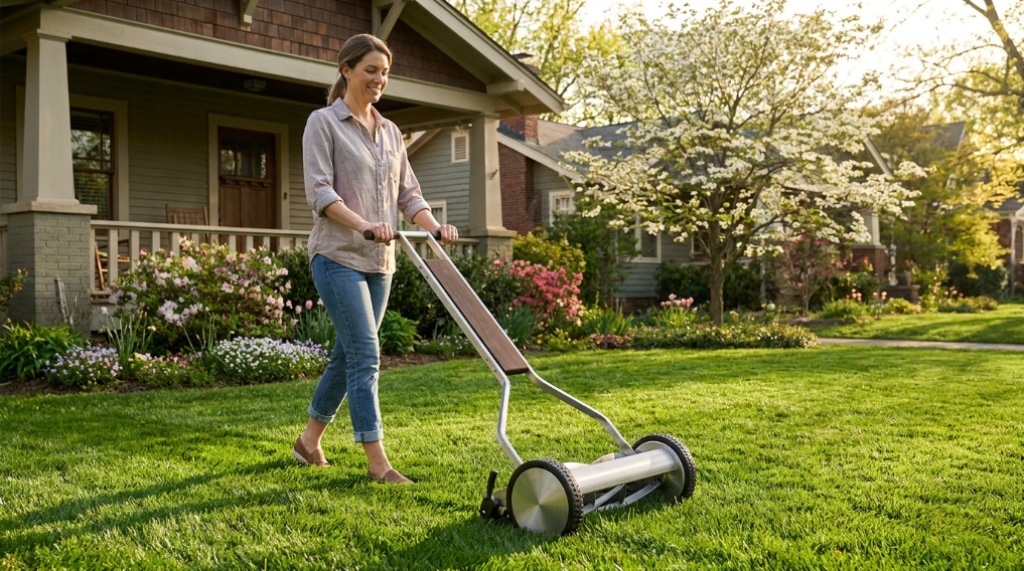
Mowing is the most basic and crucial aspect of summer lawn care. It not only keeps your lawn looking neat but also promotes healthy growth. Here are some key mowing practices for summer:
- Mow high: During summer, raise your mower blade to cut the grass taller. Taller grass shades the soil, reducing water evaporation and preventing weed growth. Aim for a cutting height of 3-4 inches for most cool-season grasses and 2-3 inches for warm-season grasses.
- Sharpen your blades: Dull mower blades tear the grass, leaving it susceptible to diseases and pests. Sharpen your blades every few weeks or as needed.
- Follow the one-third rule: Never remove more than one-third of the grass height at a time. Cutting too much can stress the grass and make it more vulnerable to damage.
- Mulch clippings: Whenever possible, leave the grass clippings on the lawn. They decompose and return valuable nutrients to the soil.
Product Review: Greenworks 12 Amp 20-Inch 3-in-1 Corded Lawn Mower
This mower from Greenworks is a popular choice for homeowners with small to medium-sized lawns. It’s lightweight, easy to maneuver, and offers three cutting options: mulching, bagging, and side discharge. The powerful 12-amp motor cuts through thick grass with ease, and the adjustable cutting height allows you to customize the mowing height to your lawn’s needs.
Pros:
- Lightweight and easy to use
- Powerful motor
- 3-in-1 cutting system
- Adjustable cutting height
Cons:
- Corded, limiting reach
- Not ideal for large lawns
Watering: Quenching Your Lawn’s Thirst
Proper watering is crucial during the hot summer months to prevent your lawn from drying out. Here are some watering tips:
- Water deeply and infrequently: Encourage deep root growth by watering deeply but less often. Aim for 1 inch of water per week, applied in one or two sessions.
- Water early in the morning: Watering early in the morning allows the water to soak into the soil before the sun evaporates it. Avoid watering in the evening, as this can promote fungal diseases.
- Use a sprinkler system: A sprinkler system provides even coverage and conserves water compared to manual watering.
- Monitor soil moisture: Check the soil moisture regularly to ensure your lawn is getting enough water. You can use a soil probe or simply stick your finger into the soil.
Product Review: Orbit 58322 Voyager II Programmable Sprinkler System
The Orbit Voyager II is a versatile and user-friendly sprinkler timer that allows you to customize your watering schedule based on your lawn’s needs. It features a large LCD screen, easy programming, and multiple watering options. You can set different watering times for different zones, ensuring that your entire lawn receives the right amount of water.
Pros:
- Easy to program
- Versatile watering options
- Large LCD screen
- Multiple zones
Cons:
- Requires batteries
- May not be compatible with all sprinkler systems
Fertilization: Feeding Your Lawn for Summer Success
Fertilizing your lawn during the summer provides it with the essential nutrients it needs to thrive in the heat. Here are some fertilization tips:
- Choose the right fertilizer: Use a slow-release fertilizer specifically formulated for summer lawn care. Look for a fertilizer with a high nitrogen content to promote growth and a low phosphorus content to avoid runoff pollution.
- Apply fertilizer evenly: Use a spreader to apply the fertilizer evenly across your lawn. Avoid over-fertilizing, as this can burn the grass.
- Water after fertilizing: Watering after fertilizing helps the nutrients soak into the soil and reach the roots.
Product Review: Milorganite 0636 Organic Nitrogen Fertilizer
Milorganite is a popular organic fertilizer that provides slow-release nitrogen and other essential nutrients for a healthy lawn. It’s made from heat-dried microbes that digest organic matter, making it an environmentally friendly choice. Milorganite also helps to improve soil health and reduce thatch buildup.
Pros:
- Slow-release nitrogen
- Organic and environmentally friendly
- Improves soil health
- Reduces thatch buildup
Cons:
- Can be expensive
- May have a strong odor
Weed Control: Keeping Unwanted Guests at Bay
Weeds compete with your grass for water and nutrients, making it essential to control them during the summer. Here are some weed control tips:
- Prevent weeds: A thick, healthy lawn is the best defense against weeds. Proper mowing, watering, and fertilization practices can help to prevent weed growth.
- Hand-pull weeds: For small infestations, hand-pulling weeds is an effective and environmentally friendly option.
- Use herbicides: For larger infestations, you may need to use herbicides. Choose a selective herbicide that targets the specific weeds you’re dealing with.
- Apply herbicides carefully: Follow the instructions on the herbicide label carefully to avoid damaging your lawn or other plants.
Product Review: Ortho Weed B Gon Weed Killer for Lawns
Ortho Weed B Gon is a popular selective herbicide that kills broadleaf weeds without harming your lawn. It’s easy to apply and provides quick results. This product is available in both liquid and granular formulations.
Pros:
- Kills a wide range of broadleaf weeds
- Easy to apply
- Quick results
Cons:
- Not effective against all weeds
- Can damage desirable plants if not applied carefully
Pest Control: Protecting Your Lawn from Insects and Diseases
Pests and diseases can also damage your lawn during the summer. Here are some pest control tips:
- Identify the pest or disease: Proper identification is crucial for effective pest control. Consult with a local extension office or lawn care professional if you’re unsure.
- Use natural pest control methods: Whenever possible, use natural pest control methods such as beneficial insects or cultural practices to manage pests.
- Use pesticides sparingly: If necessary, use pesticides sparingly and follow the instructions on the label carefully.
- Maintain a healthy lawn: A healthy lawn is more resistant to pests and diseases.
Product Review: Scotts GrubEx1 Season Long Grub Killer
Scotts GrubEx1 is a granular insecticide that prevents grubs from damaging your lawn. It’s applied in the spring or early summer and provides season-long protection. This product is effective against a wide range of grub species.
Pros:
- Season-long protection
- Effective against a wide range of grubs
- Easy to apply
Cons:
- Can be harmful to beneficial insects
- May need to be reapplied in areas with heavy grub infestations
Aeration and Overseeding: Rejuvenating Your Lawn
Aeration and overseeding are beneficial practices that can help to rejuvenate your lawn during the summer.
- Aeration: Aeration involves creating small holes in the soil to improve air circulation, water infiltration, and nutrient uptake. It’s best done in the fall or spring, but can also be done in the summer if your lawn is compacted.
- Overseeding: Overseeding involves spreading grass seed over your existing lawn to fill in bare spots and thicken the turf. It’s best done in the fall or spring, but can also be done in the summer if you provide adequate water and shade.
Product Review: Yard Butler Manual Core Aerator
The Yard Butler Manual Core Aerator is a simple and affordable tool that allows you to aerate your lawn without the need for expensive equipment. It features a foot bar for easy operation and removes plugs of soil from your lawn, improving air circulation and water infiltration.
Pros:
- Affordable
- Easy to use
- Environmentally friendly
Cons:
- Can be time-consuming for large lawns
- Requires some physical effort
Dethatching: Removing Excess Thatch
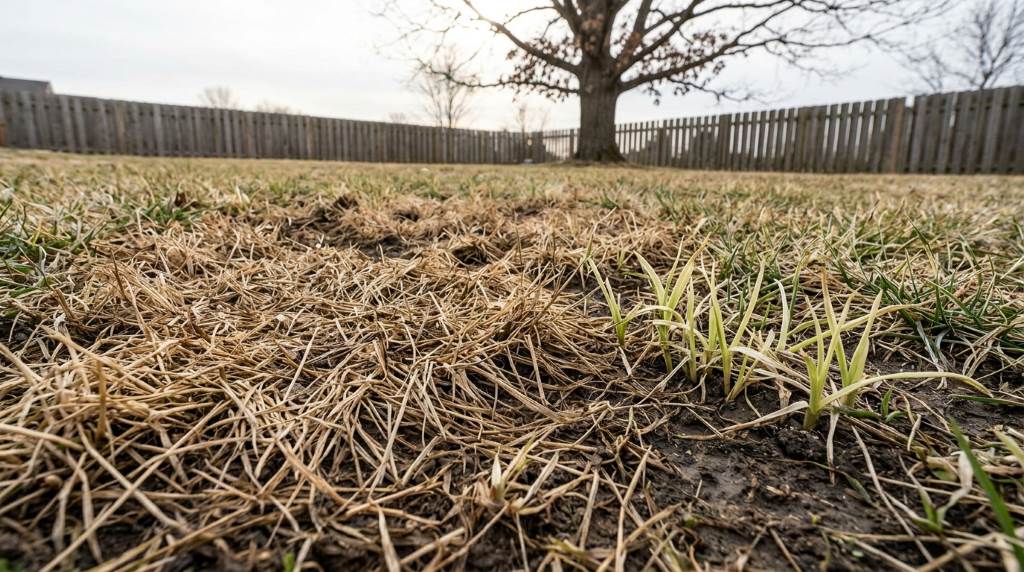
Thatch is a layer of dead grass and other organic matter that accumulates between the soil and the grass blades. A thin layer of thatch is beneficial, but excessive thatch can prevent water and nutrients from reaching the soil. Dethatching involves removing excess thatch to improve lawn health.
- Dethatching tools: You can dethatch your lawn using a dethatching rake, a power dethatcher, or a vertical mower.
- Dethatching frequency: Dethatching is typically done in the fall or spring, but can also be done in the summer if necessary.
- Water after dethatching: Water your lawn thoroughly after dethatching to help it recover.
Product Review: Greenworks 14-Inch 10 Amp Corded Dethatcher
The Greenworks 14-Inch Corded Dethatcher is a powerful and efficient tool that makes quick work of dethatching your lawn. It features a 10-amp motor, adjustable tine depth, and a large collection bag. This dethatcher is ideal for small to medium-sized lawns.
Pros:
- Powerful motor
- Adjustable tine depth
- Large collection bag
Cons:
- Corded, limiting reach
- Not ideal for large lawns
Frequently Asked Questions (FAQ)
Q: How often should I water my lawn in the summer?
A: Water deeply and infrequently, aiming for 1 inch of water per week, applied in one or two sessions. Water early in the morning to minimize evaporation.
Q: How can I prevent brown spots on my lawn?
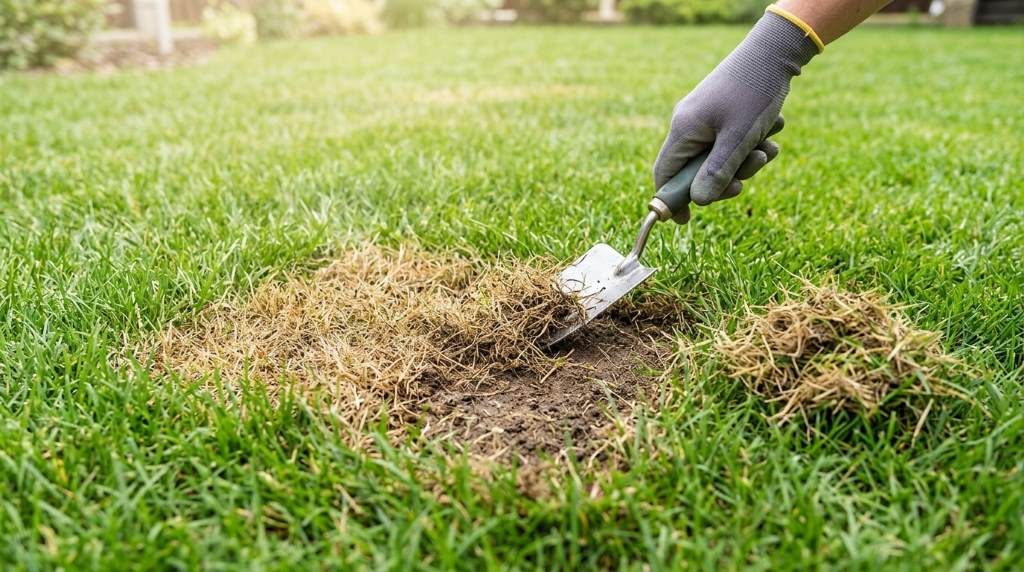
A: Brown spots can be caused by various factors, including underwatering, over-fertilizing, pet urine, and fungal diseases. Proper watering, fertilization, and pest control practices can help to prevent brown spots.
Q: What is the best way to control weeds in my lawn?
A: A thick, healthy lawn is the best defense against weeds. Prevent weeds by practicing proper mowing, watering, and fertilization. For existing weeds, hand-pulling or using selective herbicides are effective options.
Q: When should I aerate and overseed my lawn?
A: Aeration and overseeding are typically done in the fall or spring, but can also be done in the summer if necessary. Provide adequate water and shade if you aerate or overseed during the summer.
Q: How can I tell if my lawn has grubs?
A: Signs of grub damage include brown patches, wilting grass, and loose turf. You may also see birds or skunks digging in your lawn for grubs.
Q: What is the best way to control grubs in my lawn?
A: Preventative grub control products, such as Scotts GrubEx1, are the most effective way to control grubs. These products are applied in the spring or early summer and provide season-long protection.
Conclusion
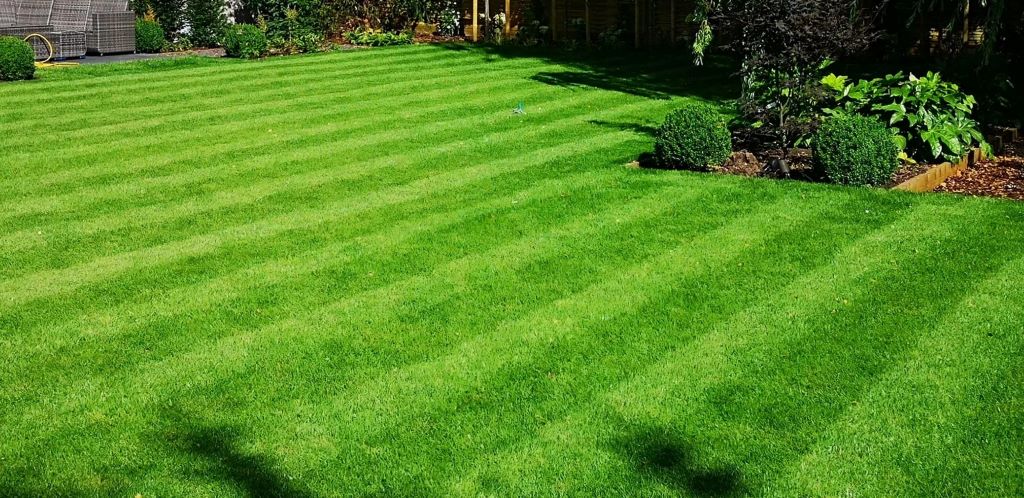
Summer lawn care requires diligence and attention to detail, but the rewards are well worth the effort. By following the tips and practices outlined in this guide, you can enjoy a lush, healthy lawn throughout the summer season. Remember to mow high, water deeply, fertilize appropriately, control weeds and pests, and consider aerating, overseeding, and dethatching to maintain a vibrant lawn. Choose the right products for your needs and consult with local experts or lawn care professionals for personalized advice. With proper care, your lawn will be the envy of the neighborhood all summer long.
Read More:
The Green Revolution: A Deep Dive into Organic Lawn Feed
Top Dressing Lawn: How and Why
Essential Tools for Lawn Maintenance: Reviews, Solutions, Pros and Cons, and FAQs
Xeriscaping: A Water-Wise Oasis in Dry Climates
Hydroponics vs. Aquaponics: A Deep Dive into Soilless Gardening