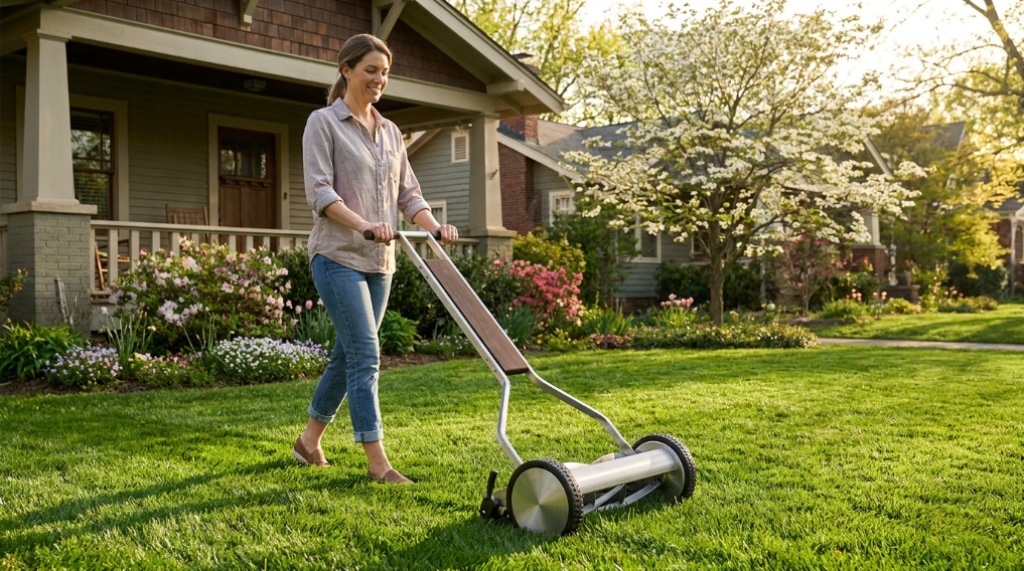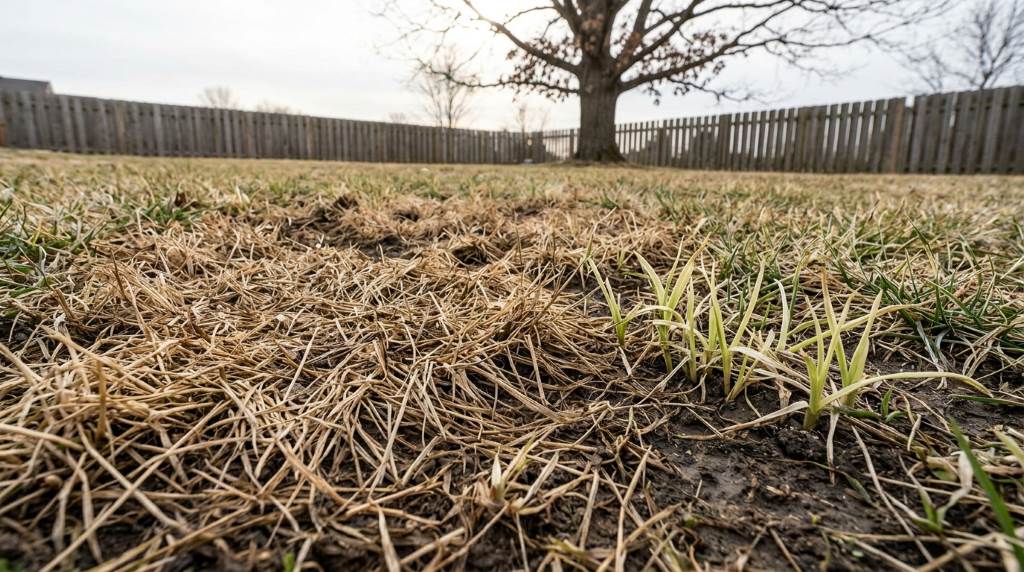


Laying a new lawn can transform your outdoor space, adding beauty, functionality, and value to your property. Whether you’re starting from scratch or renovating an existing lay new lawn, the process requires careful planning, preparation, and execution. In this article, we’ll walk you through the step-by-step process of laying a new lawn, provide reviews of popular lawn types, offer solutions to common problems, and answer frequently asked questions to ensure your lawn thrives for years to come.
Step-by-Step Guide to Laying a New Lawn
-
Assess Your Lawn Area
Before you begin, evaluate the area where you plan to lay your new lawn. Consider factors such as:
- Sunlight Exposure: Determine how much sunlight the area receives daily. Some grasses thrive in full sun, while others prefer shade.
- Soil Type: Test your soil to understand its pH level and nutrient content. Most grasses prefer slightly acidic soil with a pH of 6.0 to 7.0.
- Drainage: Ensure the area has proper drainage to prevent waterlogging, which can damage your lawn.
-
Choose the Right Lawn Type
Selecting the right type of grass is crucial for a healthy lawn. Here are some popular options:
- Buffalo Grass: Known for its drought tolerance and soft texture, it’s ideal for warm climates.
- Kikuyu Grass: A hardy, fast-growing grass suitable for high-traffic areas.
- Zoysia Grass: Offers a lush, dense appearance and thrives in both sun and partial shade.
- Ryegrass: A cool-season grass that establishes quickly and is perfect for temperate regions.
-
Prepare the Soil
Proper soil preparation is the foundation of a healthy lawn. Follow these steps:
- Clear the Area: Remove weeds, rocks, and debris from the site.
- Till the Soil: Use a tiller to loosen the soil to a depth of at least 6 inches. This promotes root growth and improves drainage.
- Amend the Soil: Add organic matter like compost or well-rotted manure to enrich the soil. If necessary, adjust the pH level using lime (to raise pH) or sulfur (to lower pH).
- Level the Ground: Rake the soil to create a smooth, even surface. Fill in low spots and remove high areas to prevent water pooling.
-
Install Irrigation System
An efficient irrigation system ensures your lawn receives consistent moisture. Options include:
- Sprinkler Systems: Ideal for large areas, providing even water distribution.
- Drip Irrigation: Suitable for smaller lawns or areas with water restrictions.
- Soaker Hoses: A cost-effective option for watering specific areas.
-
Lay the Lawn
You can choose between two methods: sodding or seeding.
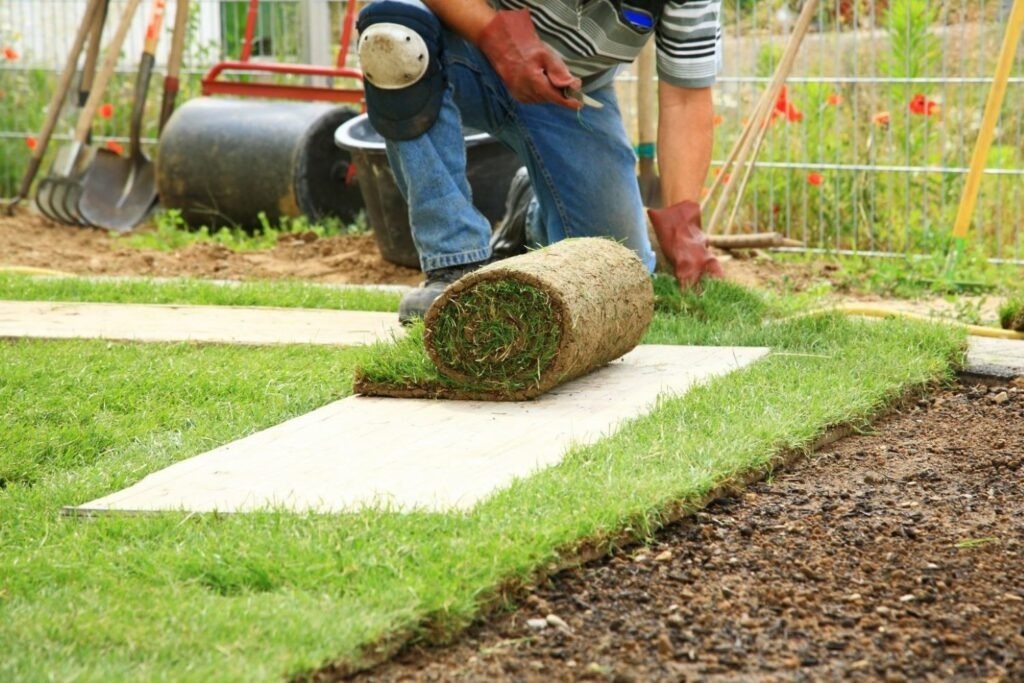
- Sodding: This involves laying pre-grown grass rolls. It provides instant results but is more expensive.
- Unroll the sod strips and place them tightly together, staggering the seams like bricks.
- Press the sod firmly into the soil to eliminate air pockets.
- Water thoroughly after installation.
- Seeding: A more affordable option but requires patience as the grass takes time to grow.
- Spread the seeds evenly using a broadcast spreader.
- Lightly rake the seeds into the soil and cover with a thin layer of mulch.
- Water gently to keep the soil moist until germination.
-
Post-Installation Care
Proper care is essential to establish your new lawn:
- Watering: Keep the soil consistently moist for the first few weeks. Gradually reduce watering frequency as the grass establishes.
- Mowing: Wait until the grass reaches about 3 inches before mowing. Never remove more than one-third of the grass height at a time.
- Fertilizing: Apply a balanced fertilizer 4-6 weeks after installation to promote healthy growth.
- Weed Control: Monitor for weeds and remove them promptly to prevent competition for nutrients.
Reviews of Popular Lawn Types
- Buffalo Grass
- Pros: Drought-tolerant, soft texture, low maintenance.
- Cons: Can become invasive, requires regular dethatching.
- Best For: Warm climates and families with children or pets.
- Kikuyu Grass
- Pros: Durable, fast-growing, recovers quickly from damage.
- Cons: Requires frequent mowing, can spread aggressively.
- Best For: High-traffic areas and sports fields.
- Zoysia Grass
- Pros: Dense growth, weed-resistant, thrives in various light conditions.
- Cons: Slow establishment, turns brown in winter.
- Best For: Homeowners seeking a lush, low-maintenance lawn.
- Ryegrass
- Pros: Quick germination, fine texture, excellent for overseeding.
- Cons: Requires regular watering, less heat-tolerant.
- Best For: Cool-season regions and temporary lawns.
Common Lawn Problems and Solutions
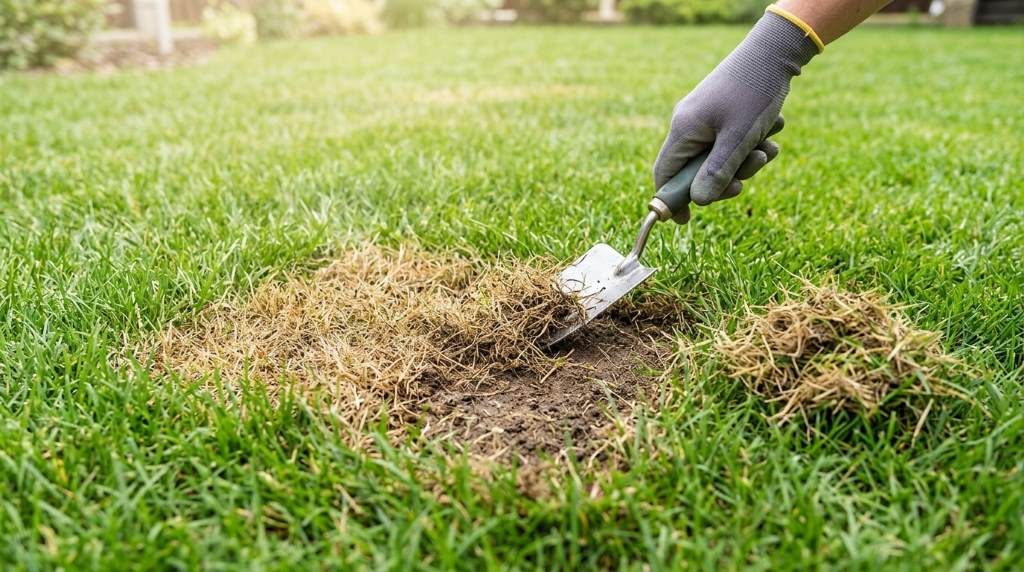
- Patchy or Thin Grass
- Cause: Poor soil preparation, uneven seeding, or insufficient watering.
- Solution: Reseed bare spots, ensure even watering, and improve soil quality with compost.
- Weeds
- Cause: Weed seeds in the soil or poor lawn density.
- Solution: Apply pre-emergent herbicides, manually remove weeds, and maintain a thick, healthy lawn to prevent weed growth.
- Brown Spots
- Cause: Overwatering, fungal diseases, or pet urine.
- Solution: Adjust watering practices, apply fungicides, and train pets to use a designated area.
- Poor Drainage
- Cause: Compacted soil or improper grading.
- Solution: Aerate the soil, add organic matter, and regrade the area to improve drainage.
Frequently Asked Questions (FAQs)
-
How long does it take for a new lawn to establish?
- Answer: Sodded lawns typically establish within 2-3 weeks, while seeded lawns may take 6-8 weeks or longer, depending on the grass type and growing conditions.
-
Can I lay a new lawn over an existing one?
- Answer: It’s not recommended. Existing grass and weeds can interfere with the new lawn’s growth. Remove the old lawn and prepare the soil properly.
-
How often should I water a new lawn?
- Answer: Water daily for the first two weeks, then gradually reduce to 2-3 times per week. Ensure the soil remains moist but not waterlogged.
-
When is the best time to lay a new lawn?
- Answer: The ideal time depends on your grass type. Cool-season grasses are best planted in early fall or spring, while warm-season grasses thrive when planted in late spring or early summer.
-
How do I prevent weeds in my new lawn?
- Answer: Use pre-emergent herbicides, maintain proper mowing height, and ensure your lawn is healthy and dense to outcompete weeds.
-
Can I walk on my new lawn immediately?
- Answer: Avoid walking on a new lawn for at least 2-3 weeks to allow the roots to establish. For sodded lawns, wait until the sod has firmly rooted.
Conclusion
Laying a new lawn is a rewarding project that enhances your outdoor space and provides a lush, green area for relaxation and recreation. By following the steps outlined in this guide, choosing the right grass type, and addressing common challenges, you can create a beautiful, healthy lawn that stands the test of time. Whether you opt for sodding or seeding, proper preparation and care are key to success. With the right approach, your new lawn will become the envy of the neighborhood and a source of pride for years to come.
Read More: