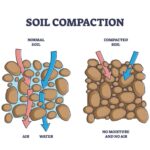

Soil compaction is a widespread issue that silently impacts the health and productivity of our landscapes. Whether you’re a farmer, gardener, or homeowner, understanding the root causes of this problem is crucial for maintaining thriving soil. This article dives deep into the factors contributing to soil compaction, offering practical insights and solutions.
Understanding the Mechanisms of Soil Compaction
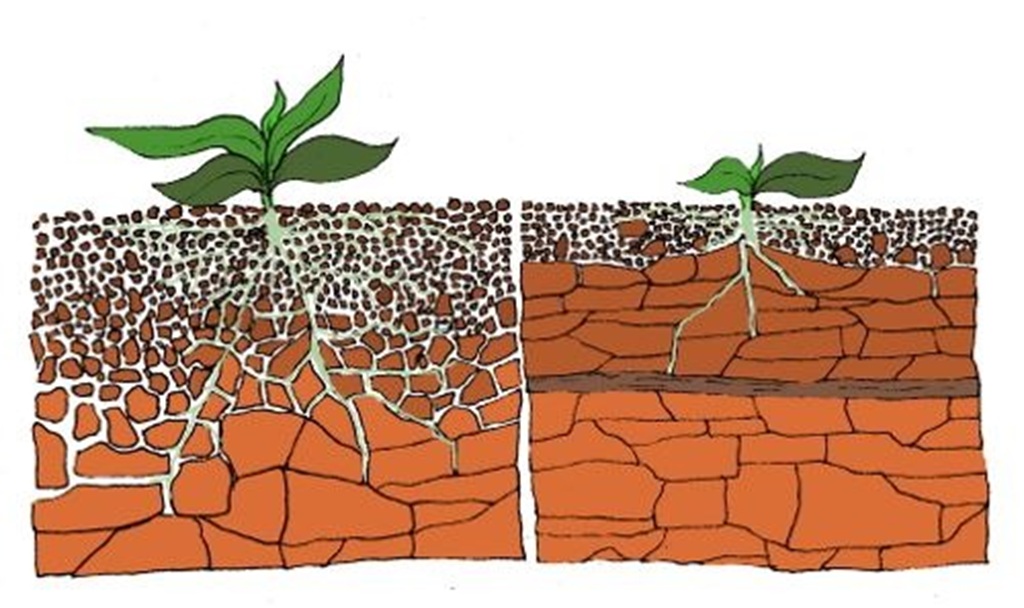
Essentially, soil compaction occurs when soil particles are pressed together, reducing pore space and increasing density. This results in a less porous environment, hindering water infiltration, air circulation, and root growth. Let’s explore the key factors that contribute to this detrimental process.
Heavy Machinery and Equipment: The Primary Culprit
One of the most significant causes of soil compaction is the use of heavy machinery. Tractors, combines, and other agricultural equipment exert immense pressure on the soil surface.
- This pressure compresses the soil layers, particularly in the topsoil.
- Repeated passes over the same area exacerbate the problem, leading to severe compaction.
- Construction equipment and heavy vehicles also contribute to compaction in non-agricultural settings.
Livestock Trampling: Impact on Pastures and Fields
In agricultural settings, livestock can contribute significantly to soil compaction. The weight of animals, especially in concentrated areas, compresses the soil.
- Frequent trampling reduces pore space and creates a dense layer.
- This is particularly problematic in wet conditions, where soil is more susceptible to compression.
- Overgrazing often leads to increased compaction due to concentrated animal traffic.
Natural Forces: Rain and Erosion
While human activities are primary drivers, natural forces also play a role in soil compaction. Heavy rainfall can compact the soil surface.
- The impact of raindrops breaks down soil aggregates, leading to a denser surface crust.
- Erosion, especially water erosion, can remove topsoil and expose compacted subsoil.
- Areas with poor drainage are more prone to compaction from natural causes.
Improper Tillage and Soil Management
Inappropriate tillage practices can also lead to soil compaction. Excessive or untimely tillage can disrupt soil structure.
- Tilling when the soil is too wet can smear the soil, creating a compacted layer.
- Repeated tillage at the same depth can form a hardpan, a dense layer that restricts root growth.
- Lack of organic matter also contributes to compaction, as organic matter helps maintain soil structure.
Urbanization and Construction Activities
Urban environments face unique challenges regarding soil compaction. Construction activities, such as building foundations and road construction, compress the soil significantly.
- Heavy machinery used in construction exerts tremendous pressure.
- Removal of topsoil and vegetation reduces the soil’s ability to absorb water and air.
- Impervious surfaces, such as concrete and asphalt, prevent water infiltration and contribute to surface compaction.
Identifying the Signs of Soil Compaction
Recognizing the signs of soil compaction is the first step toward addressing the issue. Here are some common indicators:
- Poor plant growth: Stunted growth, yellowing leaves, and reduced yields.
- Waterlogging and poor drainage: Water puddles on the surface and drains slowly.
- Hard, dense soil surface: Difficulty inserting a shovel or digging.
- Reduced root penetration: Roots are shallow and restricted.
- Increased runoff and erosion: Water flows quickly over the surface, carrying away topsoil.
Mitigating and Preventing Soil Compaction
Addressing soil compaction requires a multifaceted approach. Here are some effective strategies:
Implementing Proper Tillage Practices
- Avoid tilling when the soil is too wet.
- Use minimum tillage or no-till methods to preserve soil structure.
- Vary tillage depth to prevent hardpan formation.
Enhancing Soil Organic Matter
- Add compost, manure, or cover crops to improve soil structure and aeration.
- Organic matter increases pore space and reduces compaction.
- Cover crops also prevent erosion and improve water infiltration.
Managing Livestock Grazing
- Implement rotational grazing to prevent overgrazing and concentrated trampling.
- Provide alternative watering and feeding areas to distribute animal traffic.
- Reduce stocking rates to minimize pressure on the soil.
Using Appropriate Machinery and Techniques
- Minimize the use of heavy machinery, especially when the soil is wet.
- Use low-pressure tires to reduce soil pressure.
- Limit the number of passes over the same area.
Improving Drainage
- Install drainage systems to prevent waterlogging.
- Create raised beds or contour farming to improve surface drainage.
- Address any existing drainage issues promptly.
Utilizing Soil Amendments
- Gypsum can help break up compacted clay soils.
- Aeration techniques, such as core aeration, can improve soil structure.
- Adding biochar can increase pore space and improve water holding capacity.
Read More Also: How to Keep Your Lawn Healthy During Wet Weather
The Importance of Healthy Soil
Healthy, uncompacted soil is vital for plant growth, water retention, and overall ecosystem health. By understanding the causes and implementing effective mitigation strategies, we can protect our soil from the detrimental effects of soil compaction.
Take Action Today!
Are you concerned about soil compaction in your garden, farm, or landscape? Start by assessing your soil and implementing the strategies outlined in this article. Remember, healthy soil is the foundation for a thriving environment.
Call to Action: Share this article with others to raise awareness about soil health. Evaluate your soil today and begin implementing changes to reduce compaction. Contact your local agricultural extension office for further advice and soil testing resources.
Read More:
Grass Tastic: Unlocking the Secrets to a Lush Lawn
How to Keep Your Lawn Healthy During Wet Weather
Top Dressing Lawn: How and Why