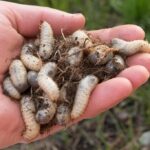

Chafer Grubs can wreak havoc on your lawn, turning lush green turf into a patchy, brown mess. If you’re noticing thinning grass, spongy soil, or increased bird activity, you might be dealing with these destructive pests. But don’t despair! This comprehensive guide will walk you through effective strategies to eliminate chafer grubs and restore your lawn’s health. We’ll cover everything from identifying these pests to implementing both natural and chemical control methods, ensuring you can tackle this problem head-on.
Understanding Chafer Grubs and Their Life Cycle

Before we dive into eradication methods, let’s understand what we’re dealing with. Chafer grubs are the larvae of chafer beetles. These white, C-shaped grubs feed on the roots of your grass, causing significant damage. Recognizing their life cycle is crucial for effective control.
-
Life Cycle:
- Adult beetles lay eggs in the soil during late spring and early summer.
- The eggs hatch into grubs, which feed on grass roots throughout the summer and fall.
- Grubs overwinter in the soil and emerge as adult beetles in the spring.
- Knowing this cycle helps you time your treatments for optimal results.
Identifying Chafer Grub Damage
Identifying the signs of a chafer grub infestation is the first step towards resolving the issue. Look out for these telltale signs:
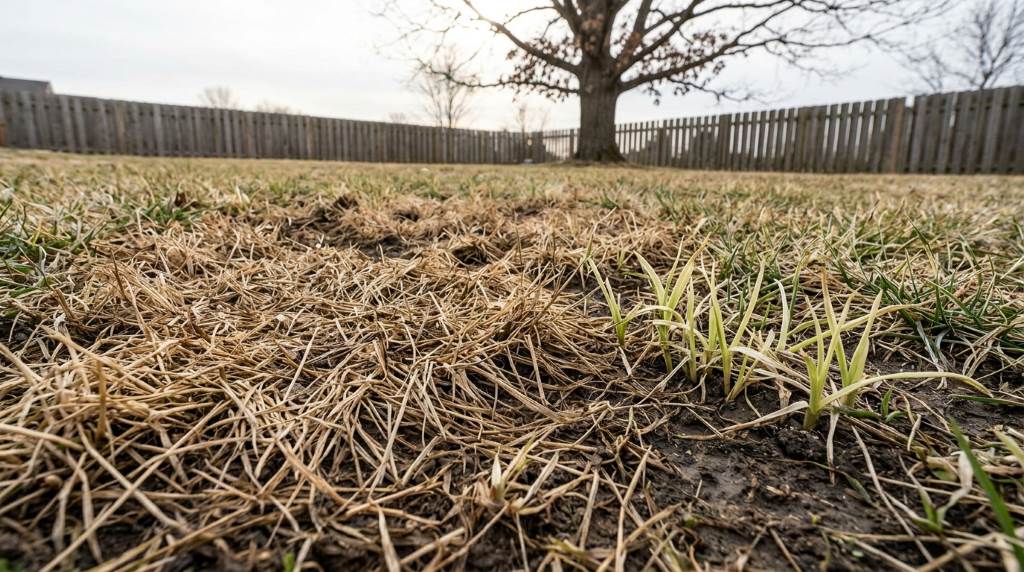
- Brown, Patchy Grass: Areas of your lawn may turn brown and die, especially during dry periods.
- Spongy Soil: The soil may feel spongy and loose due to root damage.
- Increased Bird and Animal Activity: Birds, skunks, and other animals may dig up your lawn in search of grubs.
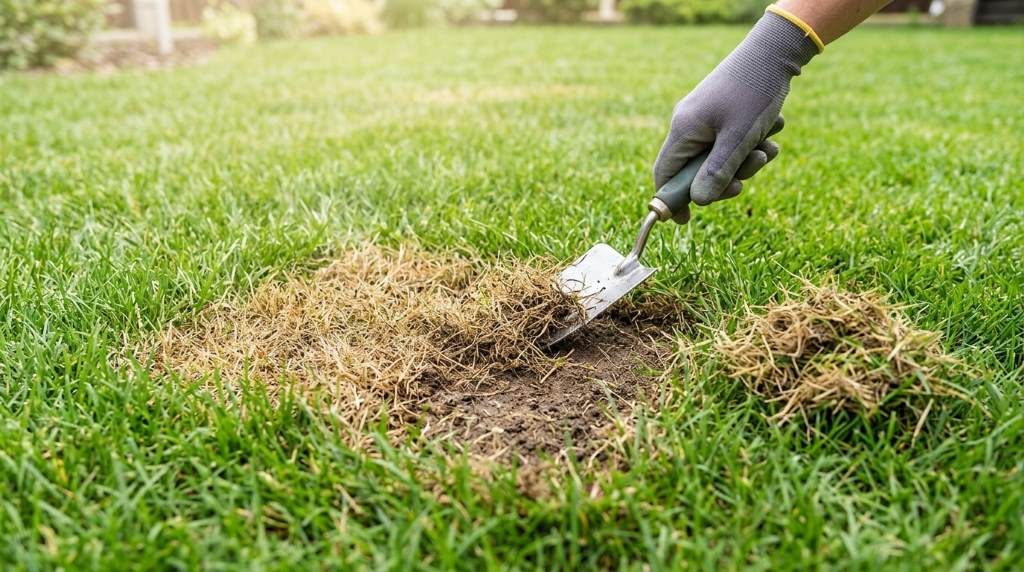
- Turf Lifts Easily: Damaged turf can be easily lifted, as the roots are no longer holding it in place.
Natural Methods for Chafer Grub Control
If you prefer a natural approach, several methods can help control chafer grub populations without resorting to harsh chemicals.
- Beneficial Nematodes:
- These microscopic worms are natural predators of chafer grubs.
- Apply them to your lawn in late summer or early fall when grubs are actively feeding.
- Ensure the soil is moist before and after application for optimal effectiveness.
- Milky Spore:
- This naturally occurring bacteria infects and kills chafer grubs.
- It can take several years to establish but provides long-term control.
- Apply milky spore powder to your lawn according to the manufacturer’s instructions.
- Attract Natural Predators:
- Encourage birds and other grub-eating animals by providing shelter and water sources.
- Consider installing bird feeders or creating wildlife-friendly habitats.
- Maintaining a Healthy Lawn:
- A healthy, robust lawn is more resistant to grub damage.
- Proper watering, mowing, and fertilization can strengthen your grass roots.
Chemical Control Options
For severe infestations, chemical treatments may be necessary. When using pesticides, always follow the manufacturer’s instructions and take safety precautions.
- Insecticides:
- Choose an insecticide specifically labeled for chafer grub control.
- Apply the product in late summer or early fall when grubs are actively feeding.
- Granular or liquid formulations are available, depending on your preference.
- Timing is Key:
- The effectiveness of chemical treatments depends on proper timing.
- Apply insecticides when grubs are small and actively feeding near the soil surface.
- Consult with a local garden center or pest control professional for advice on the best products and application times.
Preventative Measures to Avoid Future Infestations
Prevention is always better than cure. Take these steps to minimize the risk of future chafer grub infestations:
- Maintain a Healthy Lawn:
- Regular aeration, dethatching, and overseeding can keep your lawn healthy and resistant to pests.
- Ensure proper drainage to prevent waterlogged soil, which can attract chafer beetles.
- Monitor for Adult Beetles:
- Keep an eye out for adult chafer beetles in late spring and early summer.
- If you see a large number of beetles, consider preventative treatments.
- Soil Health:
- Healthy soil supports healthy grass, and healthy grass can better resist pests.
- Regular soil testing can help you understand what your lawn needs.
When to Call a Professional
If you’re struggling to control chafer grubs on your own, consider seeking professional help. A pest control specialist can:
- Accurately identify the pest and assess the extent of the damage.
- Recommend and apply appropriate treatments.
- Provide expert advice on lawn care and preventative measures.
Read More Also: From Bare to Beautiful: A Comprehensive Guide to Growing Lush New Lawn Seed
Summary and Call to Action
Dealing with chafer grubs can be frustrating, but by understanding their life cycle and implementing effective control methods, you can restore your lawn to its former glory. Whether you choose natural or chemical treatments, remember that timing and consistency are crucial.
Don’t let chafer grubs ruin your beautiful lawn! Take action today. Start by assessing the damage, identifying the grubs, and choosing the appropriate treatment method. For persistent issues, don’t hesitate to consult a professional.
Ready to reclaim your lawn? Share your experiences and questions in the comments below!
Read More: How to Detect and Treat Common Lawn Pest Infestations