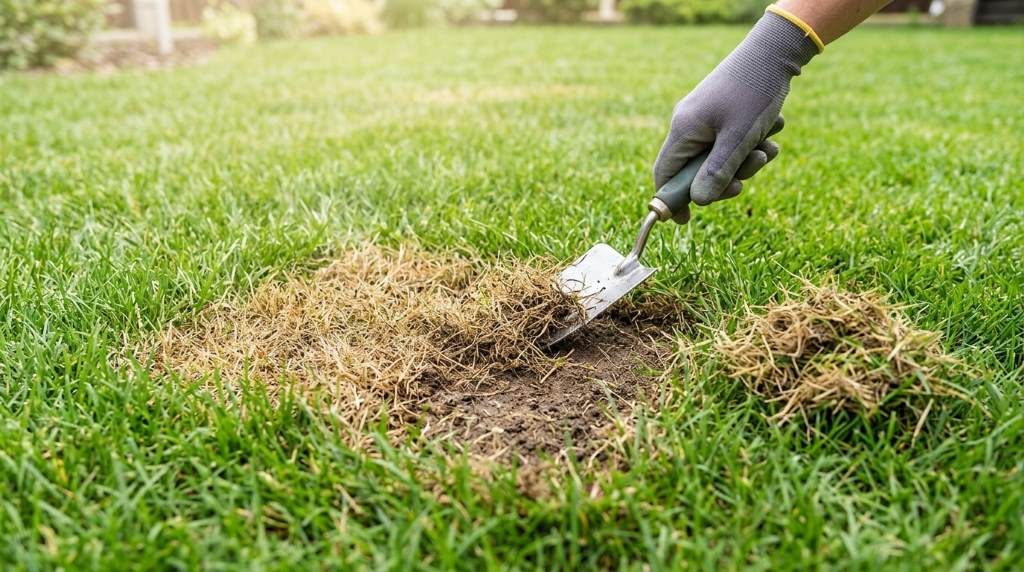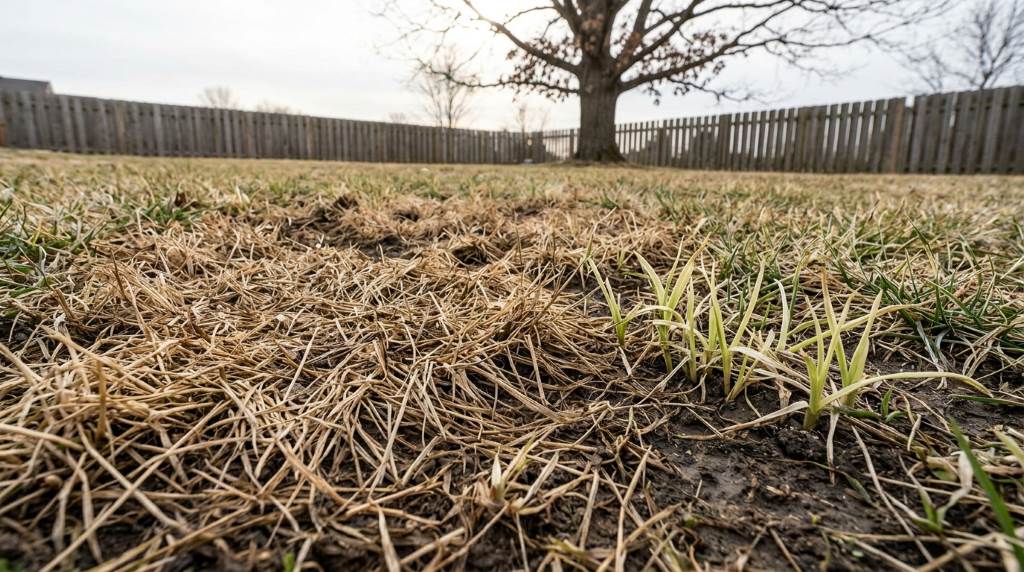

A vibrant, healthy lawn is the cornerstone of a beautiful home. It’s the backdrop for backyard barbecues, the playground for kids and pets, and a soothing green oasis that boosts curb appeal. But achieving that picture-perfect lawn isn’t always easy. Whether you’re starting from scratch with a new construction home or patching up bare spots in an existing lawn, growing new grass from seed can be a rewarding, albeit challenging, endeavor.
This comprehensive guide will equip you with the knowledge and tools you need to cultivate a thriving lawn from seed. We’ll cover everything from soil preparation and seed selection to watering techniques and troubleshooting common problems. Plus, we’ll delve into reviews of popular grass seed brands and offer solutions to common lawn-growing challenges.
Laying the Groundwork: Soil Preparation

Before you even think about scattering seed, preparing your soil is crucial. It’s the foundation for healthy growth, providing essential nutrients and a supportive environment for your new grass seedlings.
- Weed Control: Start by eliminating existing weeds. You can do this manually by digging them out or by using a non-selective herbicide. If using an herbicide, be sure to follow the manufacturer’s instructions carefully and allow the recommended time before proceeding with seeding.
- Soil Testing: Understanding your soil composition is key. A simple soil test will reveal its pH level and nutrient content. Most grasses thrive in slightly acidic soil with a pH between 6.0 and 7.0. You can adjust the pH with lime (to raise it) or sulfur (to lower it). The soil test will also indicate any nutrient deficiencies, which you can address with appropriate fertilizers.
- Improve Soil Structure: Compacted soil hinders root growth and water drainage. To improve its structure, consider aerating the soil with a core aerator, especially if you have clay soil. Then, amend the soil with organic matter like compost or peat moss. This enhances drainage, aeration, and nutrient retention.
- Grading and Leveling: Ensure a smooth surface by grading and leveling the area. This prevents water pooling and promotes even seed germination. Fill in any low spots and remove any rocks or debris.
Choosing the Right Seed: A Grass Type for Every Need
Selecting the right grass seed is paramount to your lawn’s success. Consider your local climate, soil conditions, sun exposure, and desired level of maintenance.
Cool-Season Grasses:
- Kentucky Bluegrass: Known for its lush, dark green color and ability to form a dense turf. It thrives in cooler climates with moderate sunlight and requires regular maintenance.
- Perennial Ryegrass: A fast-growing grass that germinates quickly and tolerates heavy foot traffic. It’s often mixed with Kentucky bluegrass to improve wear resistance.
- Fine Fescue: A shade-tolerant and drought-resistant option suitable for cooler climates. It’s often used in low-maintenance lawns.
Warm-Season Grasses:
- Bermudagrass: A popular choice for warm climates due to its heat and drought tolerance. It forms a dense turf and recovers quickly from wear and tear.
- Zoysiagrass: A slow-growing but highly durable grass that tolerates heat, drought, and shade. It requires less frequent mowing than Bermudagrass.
- St. Augustinegrass: A coarse-textured grass that thrives in warm, humid climates. It’s known for its shade tolerance and ability to crowd out weeds.
Seed Mixes:
Many seed mixes combine different grass types to offer benefits like improved disease resistance, drought tolerance, and shade tolerance. Look for mixes specifically formulated for your region and lawn conditions.
Sowing the Seeds of Success: Planting Techniques
With your soil prepared and seed selected, it’s time to plant! Follow these steps for optimal germination:
- Timing: The best time to plant grass seed depends on your chosen grass type. Cool-season grasses are best sown in early spring or fall, while warm-season grasses thrive when planted in late spring or early summer.
- Seeding Rate: Follow the recommended seeding rate on the seed package. Over-seeding can lead to overcrowding and competition for resources, while under-seeding results in a thin, patchy lawn.
- Spreading Techniques: Use a broadcast spreader for even distribution. For smaller areas, you can hand-sow, but ensure even coverage. Lightly rake the seed into the soil to ensure good soil contact.
- Mulching: Applying a thin layer of straw mulch helps retain moisture, prevent soil erosion, and protect the seedlings from birds.
Nurturing New Growth: Watering and Fertilizing
Proper watering and fertilizing are essential for establishing a healthy lawn.
- Watering: Keep the soil consistently moist but not soggy. Water lightly and frequently, especially during the germination period. As the seedlings mature, you can gradually reduce the frequency and increase the amount of water per session.
- Fertilizing: A starter fertilizer, rich in phosphorus, encourages strong root development. Apply it according to the product instructions. Once the grass is established, switch to a regular lawn fertilizer to provide ongoing nutrients.
Troubleshooting Common Problems
Even with the best care, you may encounter some challenges. Here are solutions to common problems:
- Patchy Growth: This could be due to uneven seeding, poor soil contact, or bird activity. Overseed bare spots and ensure good seed-to-soil contact.
- Weed Infestation: Prevent weeds by applying a pre-emergent herbicide before seeding. For existing weeds, use a post-emergent herbicide, but be cautious as it can harm young grass seedlings.
- Disease Outbreaks: Ensure proper watering and avoid over-fertilization to prevent fungal diseases. If disease occurs, consult a local garden center for appropriate fungicides.
- Insect Damage: Monitor your lawn for signs of insect activity. If you notice damage, identify the culprit and use targeted insecticides.
Popular Grass Seed Brands: Reviews and Recommendations
Choosing the right grass seed brand can be overwhelming. Here are reviews of some popular options:
- Scotts: A well-known brand offering a wide variety of grass seed mixes for different needs and regions. Their products are generally reliable and produce good results.
- Pennington: Another reputable brand with a diverse selection of grass seed, including mixes specifically formulated for shade, drought tolerance, and high-traffic areas.
- Jonathan Green: This brand focuses on premium grass seed with advanced technologies for improved disease resistance and drought tolerance. Their Black Beauty® Ultra grass seed is a popular choice for its dark green color and dense growth.
- Outsidepride: This online retailer offers a wide selection of grass seed, including individual varieties and custom mixes. They are known for their competitive prices and high-quality seeds.
Tip: When choosing a brand, consider factors like your specific needs, budget, and local availability. Read online reviews and compare products before making a decision.
Solutions for Common Lawn-Growing Challenges
- Shady Lawns: Opt for shade-tolerant grass seed mixes containing fine fescue or St. Augustinegrass. Prune trees and shrubs to allow more sunlight to reach the lawn.
- High-Traffic Areas: Choose wear-resistant grasses like perennial ryegrass or Bermudagrass. Consider installing stepping stones or pathways to reduce foot traffic in concentrated areas.
- Drought-Prone Lawns: Select drought-tolerant grasses like Zoysiagrass or buffalograss. Water deeply and infrequently to encourage deep root growth.
- Sloped Lawns: Use erosion control blankets or netting to prevent seed wash-off. Choose a grass seed mix with quick-germinating varieties to stabilize the soil.
Read More Also: Essential Tools for Lawn Maintenance: Reviews, Solutions, Pros and Cons, and FAQs
Frequently Asked Questions (FAQ)
Q: How long does it take for grass seed to germinate?
A: Germination time varies depending on the grass type and environmental conditions. Generally, it takes between 7 and 21 days for most grasses to germinate.
Q: When can I walk on my new lawn?
A: Wait until the grass is at least 3 inches tall before walking on it. Avoid heavy foot traffic until the lawn is well-established.
Q: How often should I mow my new lawn?
A: Mow your new lawn when it reaches about 3 inches tall. Use a sharp mower blade and remove no more than one-third of the grass height at a time.
Q: Can I overseed an existing lawn?
A: Yes, overseeding is a great way to thicken an existing lawn and fill in bare spots. Choose a grass seed that matches your existing lawn type.
Q: What should I do if my new lawn turns yellow?
A: Yellowing could be due to several factors, including underwatering, overwatering, nutrient deficiency, or disease. Identify the cause and address it accordingly.
Conclusion: Reaping the Rewards of a Lush Lawn
Growing a new lawn from seed requires patience, effort, and a bit of know-how. But the rewards are well worth it. By following the steps outlined in this guide, you can transform a bare patch of earth into a vibrant, healthy lawn that enhances your home’s beauty and provides a welcoming space for years to come. Remember to select the right seed for your climate and conditions, prepare your soil properly, and provide consistent care. With a little dedication, you’ll be enjoying the fruits of your labor – a lush, green lawn that’s the envy of the neighborhood.
Read More: