

A lush, green lawn is the dream of many homeowners. It’s the perfect backdrop for summer barbecues, a soft playground for kids and pets, and a boost to your home’s curb appeal. But achieving this picture-perfect lawn can be challenging, especially when faced with the frustrating reality of patchy grass.
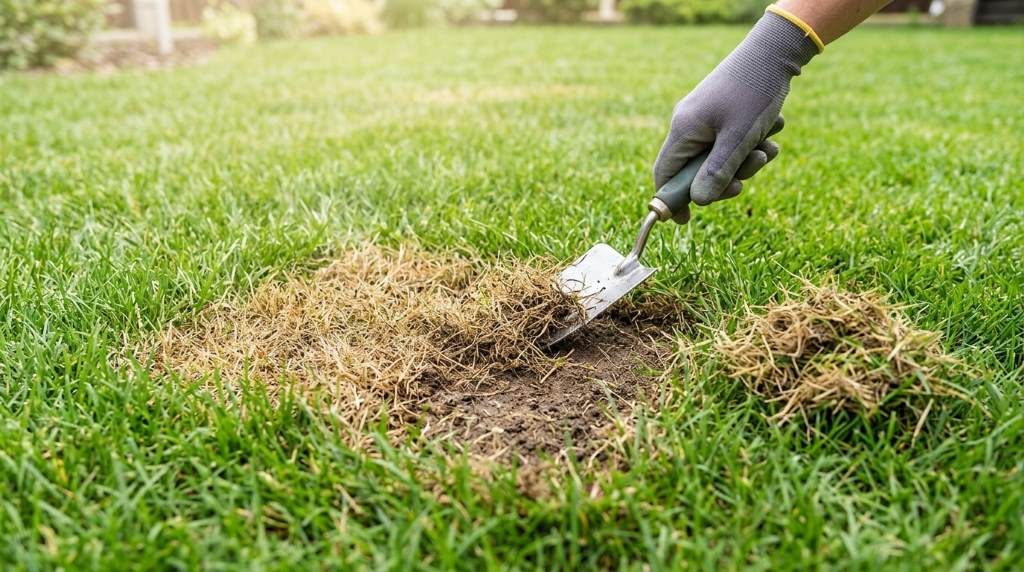
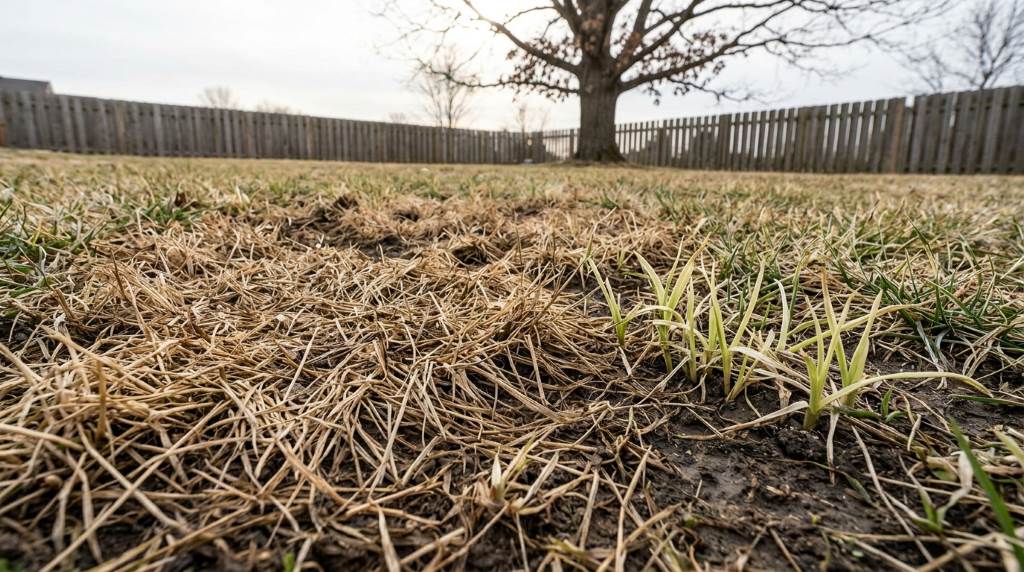
Bare spots, uneven growth, and discoloration can plague even the most well-maintained lawns. Whether it’s due to pet damage, heavy foot traffic, pests, diseases, or simply poor soil conditions, a patchy lawn can detract from the beauty of your outdoor space.
Fortunately, a patchy lawn isn’t a lost cause. With a bit of effort and the right approach, you can restore your lawn to its former glory and enjoy a vibrant, healthy yard once again. This comprehensive guide will walk you through the steps to identify the cause of your lawn problems, implement effective solutions, and maintain a thriving lawn for years to come.
Identifying the Culprits Behind Your Patchy Lawn
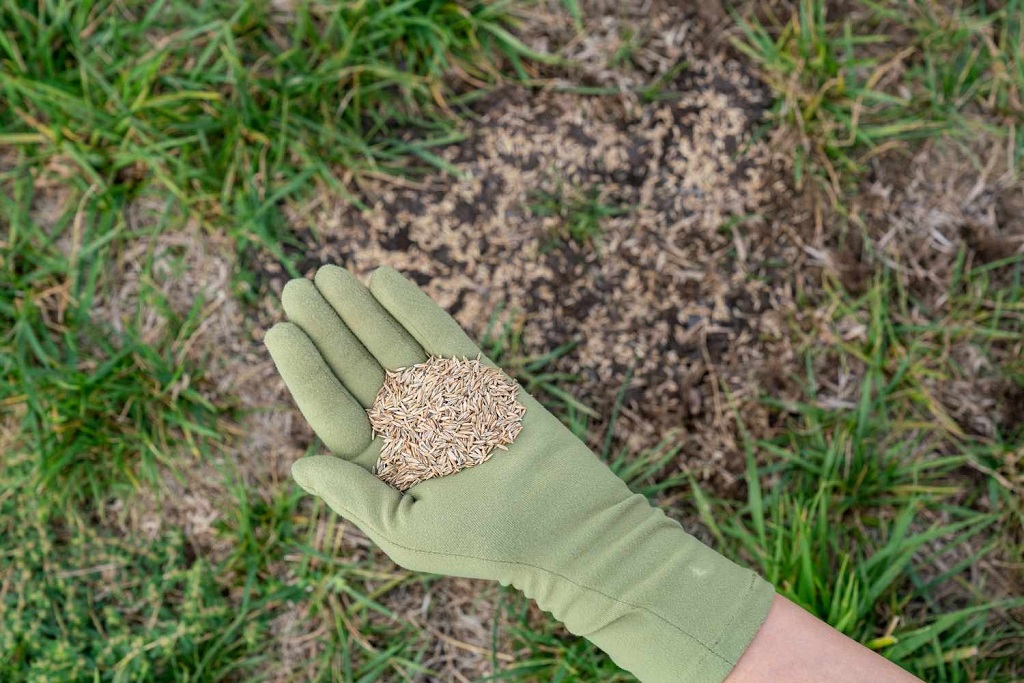
Before you start applying any treatments or reseeding, it’s crucial to identify the root cause of your patchy lawn. This will help you choose the most effective solution and prevent the problem from recurring. Here are some common culprits:
- Pet Damage: Dog urine is high in nitrogen, which can burn grass and create brown spots. Excessive digging and running can also damage the lawn.
- Heavy Foot Traffic: High-traffic areas, such as pathways and play areas, can compact the soil, making it difficult for grass to grow.
- Grubs and Pests: Grubs feed on grass roots, causing patches of dead grass. Other pests, such as chinch bugs and sod webworms, can also damage lawns.
- Diseases: Fungal diseases, such as brown patch and dollar spot, can cause circular patches of brown or dead grass.
- Poor Soil Conditions: Compacted soil, poor drainage, nutrient deficiencies, and acidic soil can all contribute to patchy growth.
- Improper Mowing: Mowing too low or using dull mower blades can stress the grass and make it more susceptible to disease and damage.
- Uneven Watering: Overwatering can lead to fungal diseases, while underwatering can cause the grass to dry out and die.
- Thatch Buildup: Thatch is a layer of dead grass and organic matter that accumulates between the soil and grass blades. Excessive thatch can prevent water and nutrients from reaching the roots.
Effective Solutions to Fix Your Patchy Lawn
Once you’ve identified the cause of your patchy lawn, you can implement the appropriate solutions to restore its health and beauty. Here are some effective strategies:
-
Aeration:
Aeration involves creating small holes in the soil to improve drainage and allow air, water, and nutrients to reach the roots. This is particularly beneficial for compacted soil. You can aerate your lawn using a manual aerator, a core aerator, or by hiring a professional lawn care service.
Pros:
- Improves soil drainage and aeration
- Enhances nutrient uptake
- Reduces soil compaction
- Promotes deeper root growth
Cons:
- Can be labor-intensive
- May temporarily disrupt the lawn’s appearance
-
Overseeding:
Overseeding involves spreading grass seed over existing turf to fill in bare spots and thicken thin areas. Choose a grass seed that matches your existing lawn type and is well-suited to your climate and soil conditions.
Pros:
- Fills in bare spots and thickens the lawn
- Improves the lawn’s color and density
- Relatively inexpensive and easy to do
Cons:
- Requires proper seedbed preparation and watering
- May take several weeks for new grass to establish
-
Topdressing:
Topdressing involves spreading a thin layer of compost or topsoil over the lawn to improve soil quality and provide nutrients. This can be particularly beneficial for lawns with poor soil conditions.
Pros:
- Improves soil fertility and structure
- Enhances water retention
- Levels out uneven areas
Cons:
- Can be messy and time-consuming
- May require multiple applications
-
Dethatching:
Dethatching involves removing excess thatch from the lawn to improve water and nutrient penetration. You can dethatch your lawn using a manual thatch rake, a power rake, or by hiring a professional.
Pros:
- Improves water and nutrient penetration
- Reduces the risk of fungal diseases
- Promotes healthier grass growth
Cons:
- Can be damaging to the lawn if done incorrectly
- May temporarily disrupt the lawn’s appearance
Read More Also: Hydroponics vs. Aquaponics: A Deep Dive into Soilless Gardening
-
Addressing Specific Problems:
- Pet Damage: Train your dog to urinate in a designated area, dilute urine with water, or use pet-safe lawn repair products.
- Grubs and Pests: Apply insecticides to control grubs and other pests.
- Diseases: Apply fungicides to treat fungal diseases.
- Poor Soil Conditions: Amend the soil with compost, topsoil, or fertilizer to improve its quality.
-
Proper Lawn Care Practices:
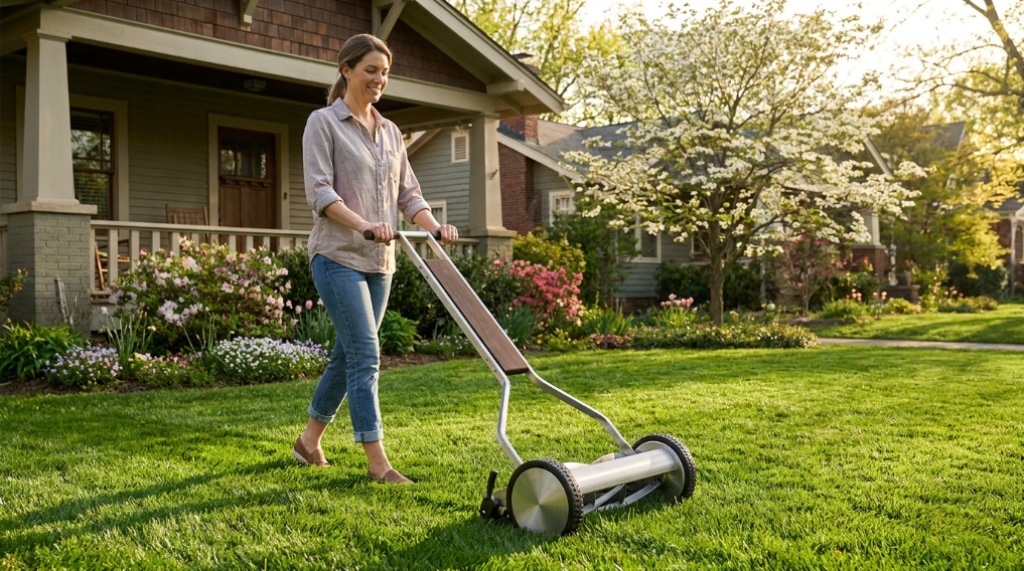
- Mowing: Mow your lawn regularly at the correct height for your grass type. Use sharp mower blades and avoid scalping the lawn.
- Watering: Water your lawn deeply and infrequently to encourage deep root growth.
- Fertilizing: Fertilize your lawn regularly with a balanced fertilizer to provide essential nutrients.
Reviews of Popular Lawn Repair Products and Services
- Scotts Turf Builder Patch & Repair:
- Pros: Easy to use, contains seed, fertilizer, and mulch, good for small patches.
- Cons: May not be effective for large areas, can be expensive.
- Jonathan Green Black Beauty Ultra:
- Pros: High-quality seed blend, good for overseeding and new lawns, drought-tolerant.
- Cons: Can be expensive, requires proper seedbed preparation.
- Sunday Lawn Care:
- Pros: Personalized lawn care plans, uses natural and organic products, convenient subscription service.
- Cons: Can be expensive, may not be available in all areas.
- TruGreen Lawn Care:
- Pros: Wide range of services, experienced technicians, guaranteed results.
- Cons: Can be expensive, may use synthetic chemicals.
Pros and Cons of DIY vs. Professional Lawn Care
DIY Lawn Care:
Pros:
- More affordable
- Greater control over products and methods
- Sense of accomplishment
Cons:
- Can be time-consuming and labor-intensive
- Requires knowledge and experience
- May not achieve professional results
Professional Lawn Care:
Pros:
- Saves time and effort
- Expertise and specialized equipment
- Guaranteed results
Cons:
- Can be expensive
- Less control over products and methods
- May require a long-term commitment
Frequently Asked Questions (FAQ)
-
How long does it take to fix a patchy lawn?
The time it takes to fix a patchy lawn depends on the severity of the problem, the chosen solutions, and the growing conditions. It can take anywhere from a few weeks to several months to see significant improvement.
-
Can I fix my patchy lawn myself, or should I hire a professional?
If you have small patches or minor problems, you may be able to fix your lawn yourself. However, for larger areas or more complex issues, it’s best to hire a professional lawn care service.
-
What is the best time of year to fix a patchy lawn?
The best time to fix a patchy lawn depends on your grass type and climate. Generally, cool-season grasses are best seeded in the fall or spring, while warm-season grasses are best seeded in the late spring or early summer.
-
How often should I water my lawn?
Water your lawn deeply and infrequently to encourage deep root growth. The frequency of watering will depend on your climate, soil type, and grass type.
-
How can I prevent my lawn from becoming patchy in the future?
Proper lawn care practices, such as regular mowing, watering, and fertilizing, can help prevent your lawn from becoming patchy. You should also address any underlying problems, such as compacted soil or pet damage.
-
What are some natural ways to fix a patchy lawn?
Some natural ways to fix a patchy lawn include aerating, overseeding with a quality seed mix, topdressing with compost, and using organic fertilizers.
-
How can I get rid of brown spots in my lawn?
Brown spots in your lawn can be caused by various factors, such as pet damage, grubs, diseases, or poor soil conditions. Identify the cause and implement the appropriate solution, such as diluting pet urine, applying insecticides or fungicides, or improving soil quality.
-
Is it better to reseed or resod a patchy lawn?
Reseeding is generally more affordable and less disruptive than resodding. However, resodding provides instant results and may be a better option for large areas or severely damaged lawns.
-
How can I make my lawn thicker?
Overseeding, proper mowing practices, and regular fertilization can help thicken your lawn. Aerating and topdressing can also improve soil conditions and promote thicker growth.
-
What are some common lawn care mistakes to avoid?
Some common lawn care mistakes to avoid include mowing too low, overwatering or underwatering, using the wrong type of fertilizer, and neglecting to address underlying problems.
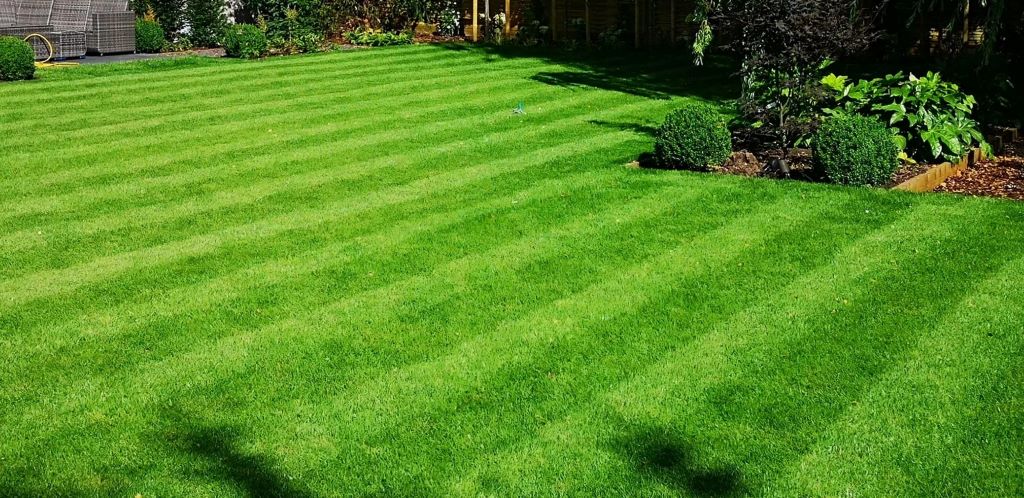
By following the advice in this guide, you can transform your patchy lawn into a lush, healthy, and vibrant outdoor space that you can enjoy for years to come. Remember that patience and persistence are key, and with a bit of effort, you can achieve the lawn of your dreams.
Read More:
How to Get Rid of Mushrooms in Your Lawn
Unlock the Secrets of a Gardener’s Daily Routine