
Mushrooms popping up in your lawn can be a perplexing sight. While some might find them charming, others consider them an unwelcome intrusion. These fungal fruiting bodies are often a sign of healthy soil, but they can also indicate underlying issues that need addressing. This comprehensive guide will delve into the world of lawn mushrooms, exploring their causes, providing effective removal strategies, and offering long-term solutions to prevent their return.
Understanding the Fungus Among Us
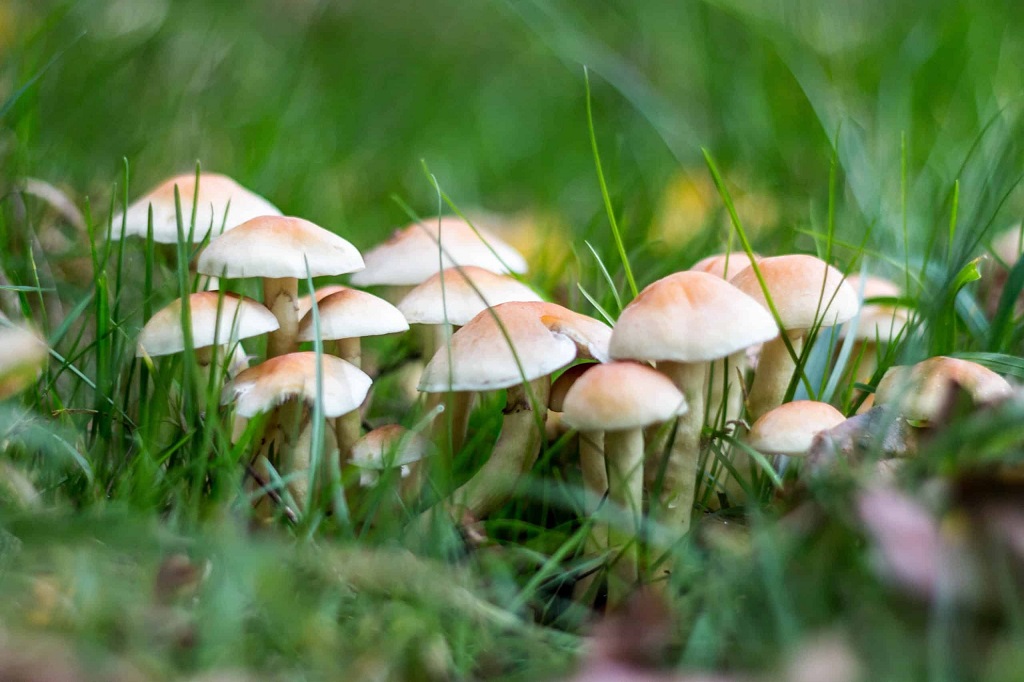
Before declaring war on mushrooms, it’s helpful to understand their nature. Mushrooms are the reproductive structures of fungi that live in the soil. The main body of the fungus, known as the mycelium, is a network of thread-like structures that decompose organic matter like dead leaves, grass clippings, and tree roots. When conditions are right, usually after periods of rain or in damp, shady areas, the mycelium produces mushrooms to spread spores and reproduce.
Why Do Mushrooms Grow in My Lawn?
Several factors contribute to mushroom growth in lawns:
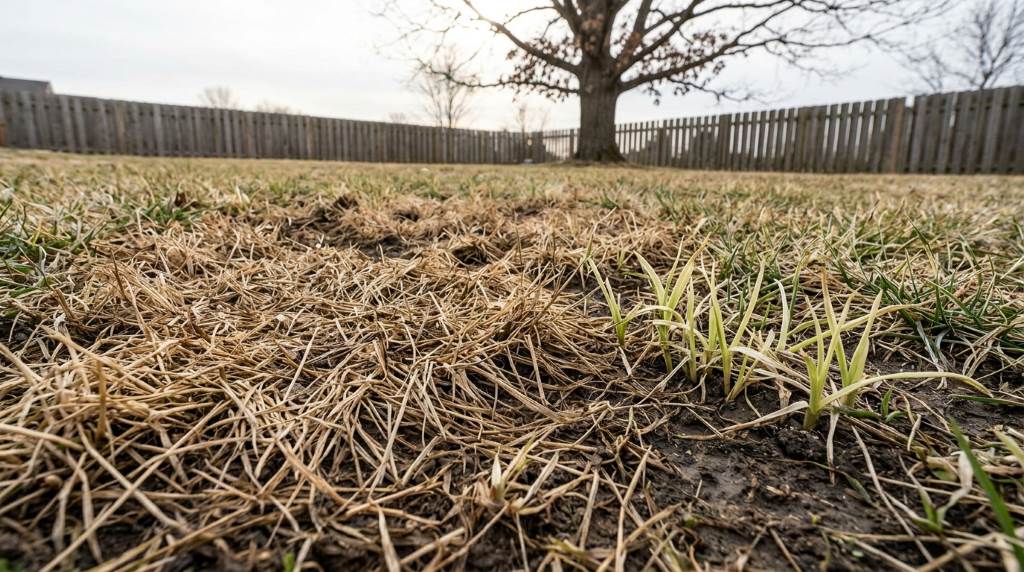
- Abundant Organic Matter: Lawns with a high content of thatch (a layer of dead grass and other organic debris) or buried wood provide a feast for fungi, encouraging mushroom growth.
- Moisture: Mushrooms thrive in moist environments. Overwatering, poor drainage, or excessive shade can create ideal conditions for fungal growth.
- Soil Compaction: Compacted soil restricts water infiltration and air circulation, creating a damp environment favorable for fungi.
- Pet Waste: Dog urine is high in nitrogen, which can contribute to fungal growth.
Are Mushrooms Harmful to My Lawn?
In most cases, mushrooms themselves are not harmful to your lawn. They are simply a sign of a thriving fungal ecosystem in your soil. However, some mushrooms can be poisonous if ingested, especially by children or pets. It’s crucial to identify any mushrooms growing in your lawn and remove any that might pose a risk.
Effective Methods to Get Rid of Mushrooms
If you’re determined to evict these fungal tenants from your lawn, here are some effective removal strategies:
-
Manual Removal:
- Hand-picking: This is the simplest and most immediate solution. Put on gloves, pluck the mushrooms from the base, and dispose of them in a sealed bag to prevent spore dispersal.
- Raking: Regularly raking your lawn can help remove small mushrooms and break up fungal mats.
-
Addressing Underlying Issues:
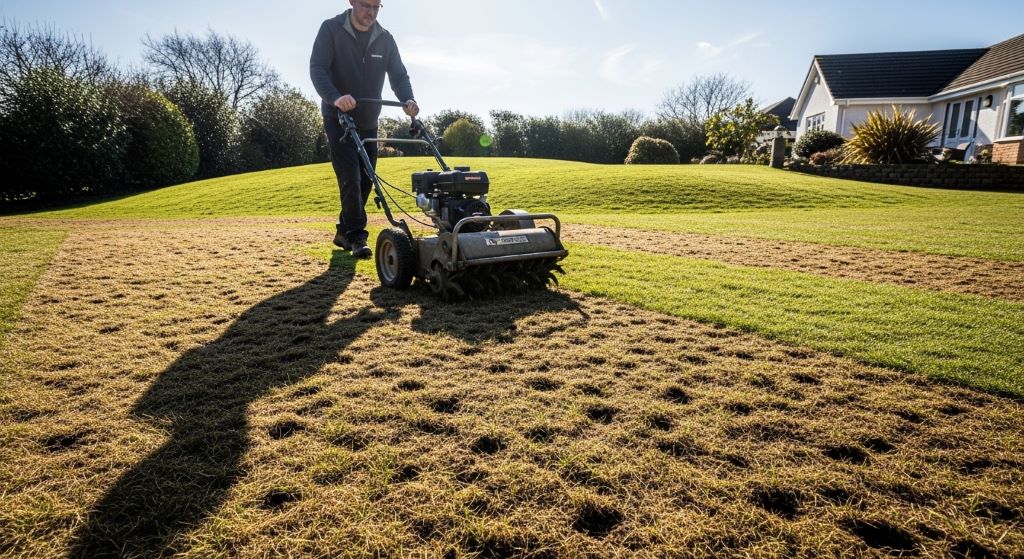
- Dethatching: If your lawn has a thick layer of thatch, dethatching can help improve drainage and reduce fungal habitat.
- Aerating: Aerating compacted soil improves air circulation and water infiltration, making the environment less hospitable to fungi.
- Improving Drainage: If your lawn has poor drainage, consider installing French drains or amending the soil with organic matter to improve water flow.
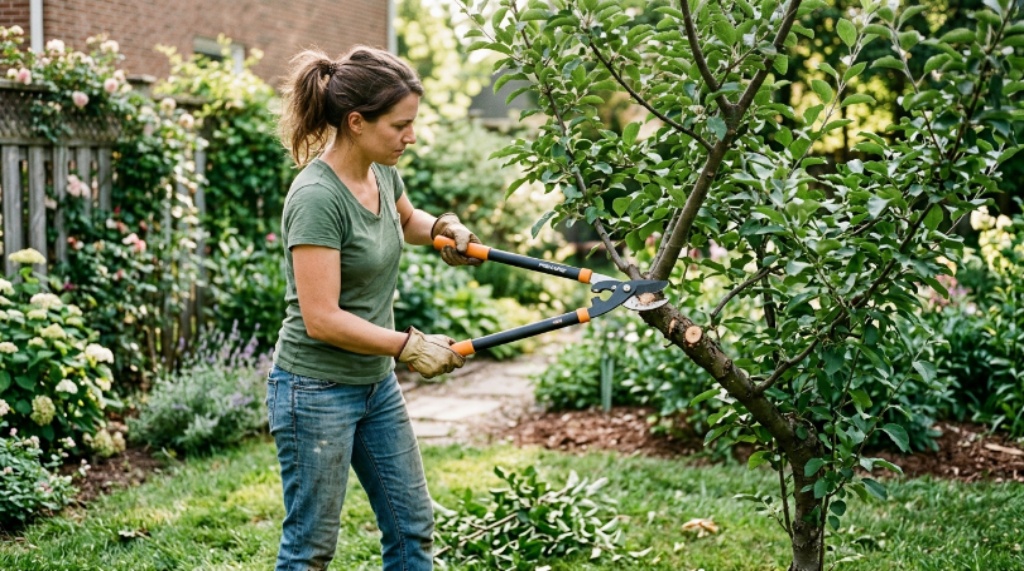
- Reducing Shade: If possible, trim trees or shrubs that cast excessive shade on your lawn.
-
Chemical Treatments:
- Fungicides: While fungicides can be effective in killing fungi, they are often a temporary solution and can harm beneficial soil organisms. Use fungicides sparingly and only as a last resort.
- Nitrogen Fertilizer: Applying a nitrogen-rich fertilizer can help speed up the decomposition of organic matter, reducing the food source for fungi.
Preventing Mushroom Regrowth
Prevention is key to maintaining a mushroom-free lawn. Here are some proactive measures:
- Proper Lawn Care: Water your lawn deeply and infrequently, mow at the correct height for your grass type, and fertilize appropriately.
- Remove Dog Waste: Promptly clean up after your pets to reduce nitrogen levels in the soil.
- Maintain a Healthy Soil: Regularly aerate and dethatch your lawn, and amend the soil with organic matter to improve drainage and promote healthy microbial activity.
Reviews of Popular Mushroom Removal Products
While manual removal and addressing underlying issues are often the most effective and environmentally friendly ways to get rid of mushrooms, several commercial products claim to help control fungal growth. Here are reviews of some popular options:
- BioAdvanced Fungus Control for Lawns: This granular fungicide contains propiconazole, which effectively controls a broad spectrum of lawn diseases, including those caused by fungi. It’s easy to apply with a spreader and provides long-lasting protection.
- Pros: Effective control, broad spectrum, long-lasting.
- Cons: May harm beneficial soil organisms, can be expensive.
- Scotts DiseaseEx Lawn Fungicide: This liquid fungicide contains azoxystrobin, another effective fungicide that controls various lawn diseases. It’s easy to apply with a hose-end sprayer and provides quick results.
- Pros: Fast-acting, easy to apply.
- Cons: May need multiple applications, can be less effective against some types of fungi.
- Monterey Lawn and Garden Fungicide: This concentrated fungicide contains chlorothalonil, a broad-spectrum fungicide that controls various fungal diseases. It’s more affordable than other options and can be used on various plants, not just lawns.
- Pros: Affordable, versatile, effective control.
- Cons: Requires mixing and spraying, may need multiple applications.
Remember to always read and follow the instructions on the product label carefully before applying any chemical treatment to your lawn.
Read More Also: How to Restore Soil Health for Sustainable Farming: A Comprehensive Guide
Frequently Asked Questions (FAQ)
-
Are all mushrooms poisonous?
No, not all mushrooms are poisonous. However, some can be toxic if ingested, so it’s best to err on the side of caution and remove any mushrooms growing in your lawn, especially if you have children or pets.
-
Will vinegar kill mushrooms?
Vinegar can kill the visible part of the mushroom, but it won’t eliminate the underlying fungus. The mushrooms are likely to return.
-
Can I eat the mushrooms growing in my lawn?
It’s strongly advised not to eat any mushrooms growing in your lawn unless you are absolutely certain of their identity and edibility. Many poisonous mushrooms resemble edible ones, and misidentification can have serious consequences.
-
Why do mushrooms appear after rain?
Mushrooms thrive in moist conditions. Rain provides the moisture needed for the fungal mycelium to produce mushrooms and release spores.
-
How long does it take for mushrooms to disappear?
The lifespan of mushrooms varies depending on the species and environmental conditions. Some may disappear within a few days, while others can persist for several weeks.
-
Should I be concerned if I see mushrooms in my lawn?
In most cases, mushrooms are not a cause for concern and are simply a sign of healthy soil. However, if you’re concerned about the type of mushroom or its potential toxicity, it’s best to remove it.
-
How can I prevent mushrooms from growing in my lawn?
Maintaining a healthy lawn through proper watering, mowing, fertilizing, and aeration can help prevent mushroom growth. Additionally, removing thatch, improving drainage, and reducing shade can make your lawn less hospitable to fungi.
-
Are there any home remedies for getting rid of mushrooms?
Some home remedies, like baking soda solutions or dish soap sprays, may temporarily reduce mushroom growth, but they are unlikely to eliminate the underlying fungus. Addressing the underlying causes of mushroom growth is crucial for long-term control.
-
When is the best time to treat my lawn for mushrooms?
The best time to treat your lawn for mushrooms is in the spring or fall when temperatures are cooler and the soil is moist.
-
Can I compost mushrooms from my lawn?
While it’s technically possible to compost mushrooms, it’s not recommended unless you are absolutely certain they are not poisonous. Composting poisonous can spread toxins to your garden.
Conclusion
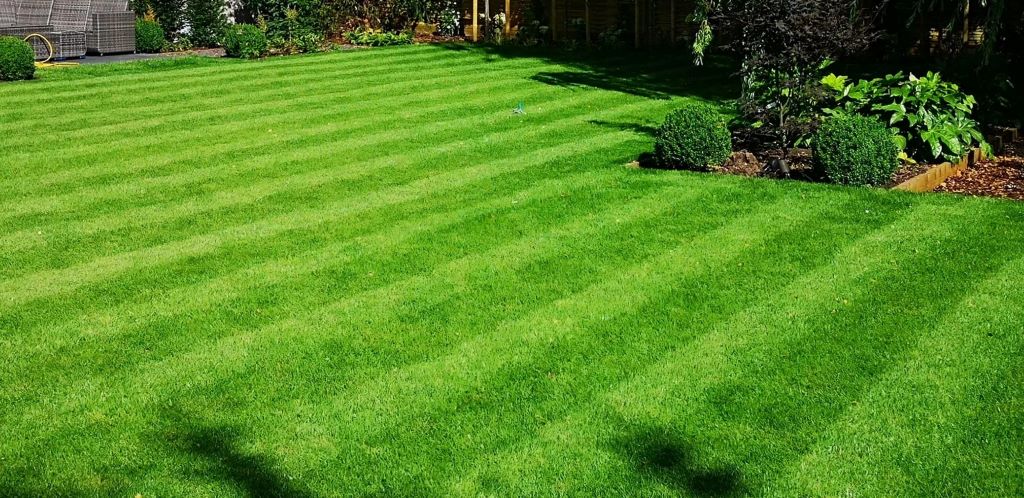
Mushrooms in your lawn can be a fascinating curiosity or an unwelcome nuisance. While they often indicate healthy soil, they can also be a sign of underlying issues that need addressing. By understanding the causes of mushroom growth and implementing effective removal and prevention strategies, you can maintain a healthy and aesthetically pleasing lawn. Remember, a holistic approach that combines cultural practices, addressing underlying issues, and, if necessary, targeted treatments is key to achieving long-term success in controlling in your lawn.
Read More:
How to Restore Soil Health for Sustainable Farming
Battling Weeds: Organic and Sustainable Control Methods
Agrobots: The Rise of Automation in Farming
DIY Landscaping Ideas: 15 Projects for Your Yard