
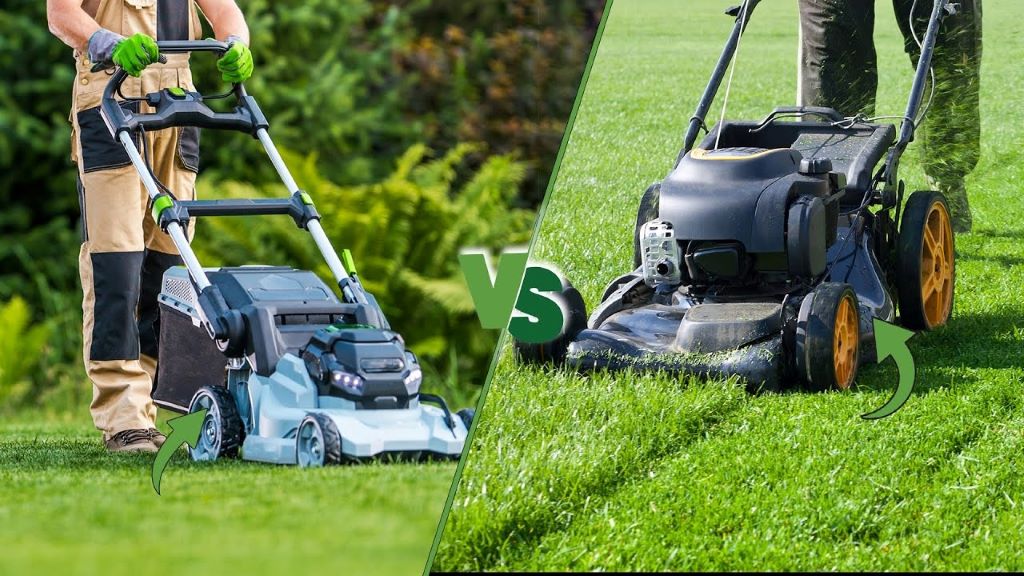
Gardening: it’s a therapeutic escape for some, a necessary chore for others. But whether you relish the scent of freshly cut grass or simply want a tidy yard, the tools you use can make or break the experience. For decades, the hum of gas-powered engines dominated the suburban soundscape, but a quieter revolution has been brewing. Electric lawn tools have surged in popularity, presenting a crucial choice: go cordless, or stick with the cord?
This isn’t just about personal preference; it’s about efficiency, convenience, power, and even environmental impact. In this comprehensive guide, we’ll dive deep into the world of cordless vs. corded lawn tools, dissecting their pros and cons to help you cultivate the perfect arsenal for your outdoor haven. Forget endless research and conflicting advice – by the time you finish this article, you’ll have all the insights needed to make an informed decision and truly unleash your inner gardener!
The Corded Contender: Uninterrupted Power, Tried-and-True Performance
For many years, corded electric lawn tools were the eco-conscious alternative to noisy, fume-spewing gas models. They offered a cleaner, often lighter, and more budget-friendly approach to yard care. But what exactly are the advantages and disadvantages of these perpetually plugged-in powerhouses?
Pros of Corded Lawn Tools:
- Unlimited, Consistent Power: This is arguably the biggest selling point. As long as you have an electrical outlet and an extension cord long enough to reach your entire lawn, you’ll never run out of juice. There’s no fading power, no unexpected stops, and no need to wait for a battery to recharge. This makes them ideal for heavy-duty tasks like tackling overgrown lawns, thick hedges, or stubborn weeds. The motor receives a continuous flow of electricity, ensuring consistent performance from start to finish.
- Lighter Weight: Without the hefty battery pack, corded tools are typically significantly lighter than their cordless counterparts. This can dramatically reduce fatigue, especially during extended use or when working with tools like electric hedge trimmers or corded leaf blowers that require overhead handling. The reduced weight also makes them easier to maneuver and store.
- More Affordable Upfront Cost: Generally, corded electric lawn equipment comes with a lower initial price tag. You’re not paying for expensive lithium-ion batteries or a dedicated charger, making them a more accessible option for homeowners on a tighter budget.
- Low Maintenance: Compared to gas-powered tools that require fuel, oil changes, spark plug replacements, and air filter cleaning, corded tools are remarkably low maintenance. Simply plug them in, and they’re ready to go. This translates to less time spent on upkeep and more time enjoying your pristine lawn.
- Environmental Friendliness: While not entirely emission-free (as they rely on the electricity grid), corded electric tools produce no direct emissions during operation. If your electricity comes from renewable sources, they are an even greener choice. This aligns with a growing desire for sustainable lawn care.
Cons of Corded Lawn Tools:
- Limited Mobility and Range: This is the most significant drawback. You are tethered to a power outlet, which severely restricts your movement. Large yards, properties with limited outdoor outlets, or those with complex layouts can make cord management a constant hassle. You might find yourself frequently stopping to reposition the extension cord, untangle it from obstacles, or search for another outlet.
- Tripping Hazard and Safety Concerns: The omnipresent extension cord poses a genuine tripping hazard for both the user and anyone else in the vicinity. There’s also the risk of accidentally cutting the cord with the tool itself, which can be dangerous and damage the equipment. Careful cord management is crucial for safety.
- Extension Cord Limitations: Long extension cords can sometimes lead to a slight drop in power, especially with high-wattage tools, and finding the right gauge of cord for your tool and distance is important.
- Storage and Setup: While the tools themselves might be light, dealing with long, coiled extension cords for storage and setup can be cumbersome.
The Cordless Crusader: Freedom, Convenience, and Evolving Power
The advent of powerful, long-lasting lithium-ion batteries has revolutionized the cordless tool market. No longer limited to small, underpowered gadgets, today’s battery-powered lawn equipment can rival their corded and even some gas-powered counterparts in terms of performance.
Pros of Cordless Lawn Tools:
- Unrestricted Mobility and Freedom: This is the ultimate game-changer. With no cord to tie you down, you can move freely around your entire property, reaching every corner and tackling any landscaping challenge without interruption. This freedom is especially valuable for large yards, properties with diverse terrain, or areas far from power outlets. Think about reaching that back hedge or the far side of your garden shed with ease.
- Enhanced Safety: The absence of an extension cord eliminates tripping hazards and the risk of accidental cuts, making for a safer working environment.
- Convenience and Quick Setup: Just pop in a charged battery, and you’re ready to go. There’s no unwinding and winding up cords, no searching for outlets, and no fuss. This makes them perfect for quick touch-ups or spontaneous bursts of gardening.
- Quieter Operation: Most cordless electric tools are significantly quieter than both corded and gas-powered models. This is a huge benefit for your ears, your neighbors, and allows for more peaceful enjoyment of your outdoor space.
- Portability and Easy Storage: Cordless tools are generally more compact and easier to transport. Many models are designed for efficient storage, often featuring foldable handles or compact designs.
- System Versatility: Many brands offer battery systems where a single battery can power multiple tools – from your cordless lawn mower to your battery-powered string trimmer, leaf blower, or even a cordless chainsaw. This reduces clutter, saves money on extra batteries, and simplifies your charging routine.
- Technological Advancements: Battery technology is constantly improving, leading to longer runtimes, faster charging, and increased power output. Modern brushless motors also contribute to greater efficiency and durability.
Cons of Cordless Lawn Tools:
- Limited Runtime and Battery Life: The primary limitation of cordless tools is their battery life. Depending on the tool, battery capacity, and intensity of use, you’ll have a finite amount of runtime. For larger projects, this might necessitate having spare batteries on hand or pausing to recharge, which can interrupt your workflow.
- Higher Upfront Cost: The initial investment for cordless tools is typically higher due to the cost of the rechargeable lithium-ion batteries and chargers. While many come as kits, buying additional batteries can add up.
- Battery Degradation Over Time: Like all rechargeable batteries, those in cordless tools will gradually lose their capacity to hold a charge over time. This means eventual replacement, which is an additional cost.
- Weight: While offering immense freedom, the integrated battery pack makes cordless tools inherently heavier than their corded counterparts. For prolonged use, this added weight can contribute to fatigue, especially with handheld tools.
- Performance Fluctuation (Historically): Older cordless models sometimes experienced a noticeable drop in power as the battery drained. While modern lithium-ion and brushless motor technologies have largely mitigated this, it’s still a consideration for some less advanced models or heavy-duty applications.
Who Should Choose What? Tailoring Your Toolset to Your Yard
The “best” choice between cordless and corded lawn tools isn’t universal. It hinges entirely on your specific needs, the size and complexity of your yard, and your personal preferences for convenience and power.
Opt for Corded Lawn Tools if:
- You have a small to medium-sized lawn (under 1/4 acre): The limited range is less of an issue, and you can easily reach all areas from a single or a few outlets.
- You prioritize continuous, uninterrupted power: For dense growth or demanding tasks, corded tools offer unwavering performance.
- Budget is a primary concern: Corded tools are generally more affordable to purchase.
- You don’t mind managing an extension cord: You’re comfortable with the minor inconvenience of cord awareness.
- You need lightweight tools: For tasks requiring extended holding or overhead work, the lighter weight of corded tools can be a significant advantage.
Consider Cordless Lawn Tools if:
- You have a medium to large yard (over 1/4 acre): The freedom of movement becomes invaluable, allowing you to cover larger areas without being constrained by an outlet.
- Mobility and convenience are paramount: You value the ability to work anywhere, anytime, without setup hassle.
- You want a quieter gardening experience: Cordless tools are significantly less noisy.
- You prioritize safety from tripping hazards: No cord, no risk.
- You want a versatile tool system: If you plan to invest in multiple lawn care tools, a shared battery platform can be incredibly efficient.
- You need tools for quick jobs or remote areas: Perfect for spontaneous trimming or working where outlets are scarce.
Beyond the Cord: Important Considerations for Both Types
Regardless of your cord preference, there are several universal factors to consider when choosing your next lawn tool:
- Power and Performance (Wattage/Voltage): For corded tools, look at wattage; for cordless, consider voltage (V) and amp-hours (Ah) of the battery. Higher numbers generally mean more power and longer runtimes.
- Brushless Motors: For cordless tools, a brushless motor is a significant upgrade. They are more efficient, provide more power, have a longer lifespan, and generate less heat.
- Ergonomics and Comfort: How does the tool feel in your hands? Is it well-balanced? Are the grips comfortable? Prolonged use of an uncomfortable tool can lead to fatigue and even injury.
- Durability and Build Quality: Invest in a tool that feels solid and well-made. Read reviews to gauge real-world durability.
- Brand Reputation and Warranty: Reputable brands often offer better warranties and customer support.
- Specific Tool Needs: A cordless pole saw is ideal for pruning high branches, while a corded electric lawn mower might be perfect for a small, flat lawn. Consider the specific tasks you’ll be performing.
- Noise Levels: While electric tools are generally quieter than gas, there’s still a spectrum. If noise is a major concern, look for models specifically advertised as low-noise.
The Future of Lawn Care: A Hybrid Approach?
For many serious DIYers and even some professionals, the ideal solution often involves a mix of both. A powerful corded electric chainsaw might be indispensable for felling small trees, while a lightweight cordless string trimmer handles the daily edging. As battery technology continues to advance, the gap in power and runtime between corded and cordless is rapidly shrinking, making cordless options increasingly viable for a wider range of applications.
Take Control of Your Yard Today!
The debate between cordless vs. corded lawn tools isn’t about one being inherently “better” than the other. It’s about finding the perfect synergy between your needs, your property, and the capabilities of modern garden technology. Whether you prioritize the boundless power of a corded machine or the liberating freedom of a battery-powered one, the market offers an incredible array of choices.
Don’t let indecision hold you back from achieving the lush, well-manicured lawn of your dreams. Evaluate your yard size, consider your typical tasks, and weigh the benefits of cordless flexibility against the reliability of corded power.
Ready to transform your lawn care routine? Browse our extensive selection of high-quality corded and cordless lawn tools today and discover the perfect fit for your outdoor oasis! Your perfect yard is just a click away!
Read More:
Greener Pastures Ahead: Installing a Residential Lawn Sprinkler System