

Imagine stepping outside to a lush, vibrant lawn that turns heads in your neighborhood. A well-maintained lawn not only boosts your home’s curb appeal but also creates a welcoming outdoor space for relaxation and play. However, achieving that picture-perfect yard requires more than occasional mowing—it demands a strategic, season-by-season approach to lawn maintenance. In this guide, we’ll walk you through tailored lawn care schedules for spring, summer, fall, and winter, ensuring your grass stays healthy and thriving year-round. Whether you’re a seasoned gardener or a first-time homeowner, this article will equip you with practical tips to keep your lawn in top shape.
Why Seasonal Lawn Care Matters
Your lawn is a living ecosystem that responds to changing weather, soil conditions, and environmental factors. Each season brings unique challenges and opportunities for grass health, from spring growth spurts to winter dormancy. By following a seasonal lawn care schedule, you can address specific needs like fertilization, weed control, and aeration at the right time, preventing issues like patchy grass, pests, or disease. This guide covers essential tasks, tools, and tips for each season, optimized for various grass types and climates.
Spring Lawn Care: Kickstarting Growth
Spring is the season of renewal, and your lawn is ready to wake up from winter dormancy. This is the time to set the foundation for a healthy yard.
Key Tasks for Spring
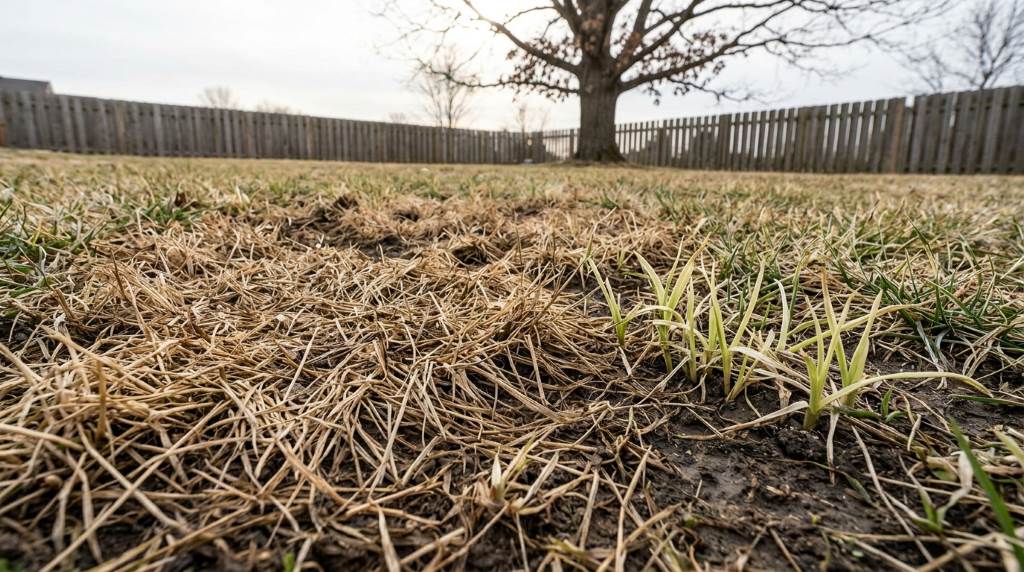
- Clean Up Debris: Remove leaves, twigs, and other debris that accumulated over winter. This prevents mold and allows sunlight to reach the grass.
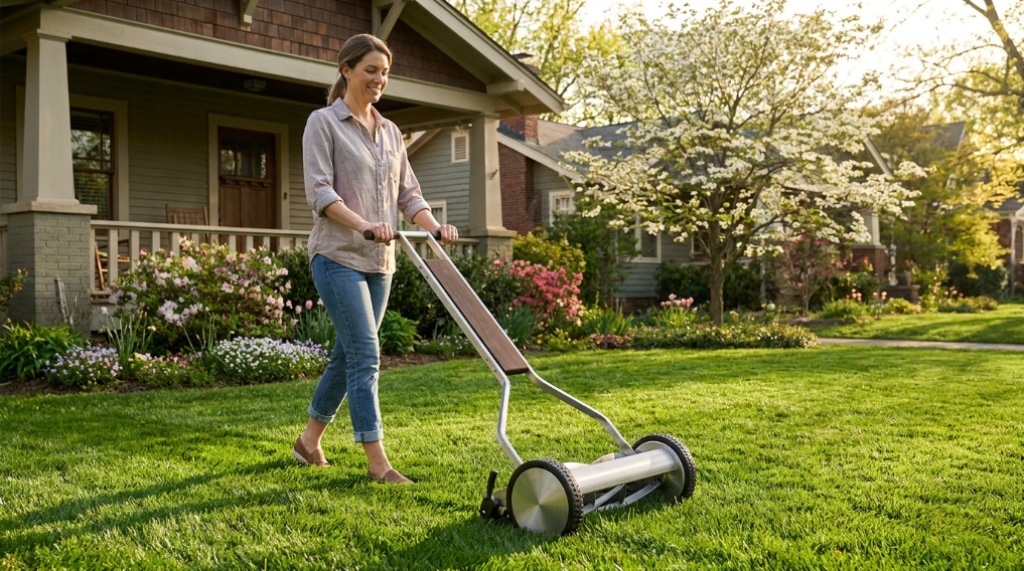
- Mowing: Start mowing when grass reaches about 3 inches tall. Set your mower blade to a higher setting (around 2.5–3 inches) to avoid stressing young grass.
- Aeration: Aerate compacted soil to improve water, nutrient, and oxygen flow to the roots. Use a core aerator for best results, especially for clay-heavy soils.
- Fertilization: Apply a balanced, slow-release nitrogen fertilizer to promote healthy growth. Look for a 10-10-10 or 20-10-10 formula, depending on your soil test results.
- Weed Control: Apply pre-emergent herbicides to prevent crabgrass and other weeds. Spot-treat broadleaf weeds like dandelions with a selective herbicide.
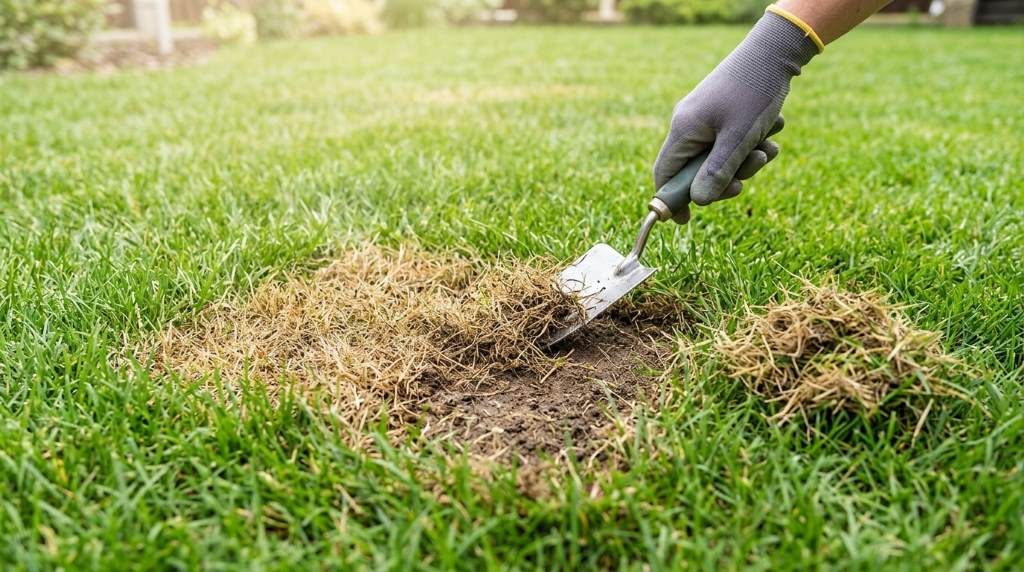
- Seeding: Overseed thin or bare patches with a grass seed variety suited to your region (e.g., Kentucky bluegrass for cool-season lawns or Bermuda for warm-season lawns).
Spring Tips
- Test your soil’s pH to ensure it’s between 6.0 and 7.0 for optimal nutrient absorption.
- Water lightly and frequently (about 1 inch per week) to support new growth.
- Sharpen mower blades to ensure clean cuts and reduce grass stress.
Summer Lawn Care: Maintaining Vigor
Summer brings heat, drought, and heavy foot traffic, which can stress your lawn. The goal is to maintain its health while combating environmental challenges.
Key Tasks for Summer
- Mowing: Raise your mower blade to 3–4 inches to shade the soil and reduce water loss. Mow in the early morning or late evening to avoid heat stress.
- Watering: Water deeply but infrequently, aiming for 1–1.5 inches per week. Water early in the morning to minimize evaporation and fungal growth.
- Fertilization: Use a slow-release fertilizer with higher potassium to strengthen grass against heat and drought. Avoid over-fertilizing, as it can burn the lawn.
- Pest Control: Monitor for pests like grubs or chinch bugs. Use targeted insecticides if damage is evident, such as brown patches or wilting grass.
- Weed Management: Spot-treat weeds with post-emergent herbicides, focusing on problem areas. Hand-pull weeds to minimize chemical use.
- Traffic Management: Limit heavy foot traffic on the lawn to prevent soil compaction and grass damage.
Summer Tips
- Use a rain gauge to track watering and avoid overwatering.
- Check for signs of fungal diseases, like brown patch, and treat with fungicides if necessary.
- Consider drought-tolerant grass varieties if your region faces water restrictions.

Fall Lawn Care: Preparing for Dormancy
Fall is a critical time to strengthen your lawn before winter. Cooler temperatures and increased moisture create ideal conditions for grass recovery and root development.
Key Tasks for Fall
- Aeration: Aerate again to relieve summer compaction and improve soil health.
- Fertilization: Apply a high-nitrogen fertilizer to support root growth and store nutrients for spring. A 24-0-10 formula works well for most lawns.
- Seeding: Fall is the best time for overseeding, especially for cool-season grasses. The cooler air and warm soil promote germination.
- Weed Control: Apply broadleaf herbicides to tackle persistent weeds like clover or chickweed.
- Leaf Removal: Rake or mulch leaves regularly to prevent suffocation of the grass and reduce mold risk.
- Mowing: Gradually lower your mower blade as temperatures drop, but avoid cutting grass shorter than 2 inches.
Fall Tips
- Use a mulching mower to shred leaves into fine pieces that decompose and enrich the soil.
- Check for thatch buildup (a layer of dead grass) and dethatch if it’s thicker than half an inch.
- Water less frequently as rainfall increases, but ensure the lawn gets about 1 inch per week.
Read Also:
Lawn Care Myths Debunked: What Really Works?
How to Maintain Your Lawn Mower for Optimal Performance
Winter Lawn Care: Protecting Your Yard
Winter is a time of rest for most lawns, especially in colder climates where grass goes dormant. However, some maintenance tasks are still necessary to protect your yard.
Key Tasks for Winter
- Minimize Traffic: Avoid walking on frozen or dormant grass to prevent damage to the blades and roots.
- Snow Management: Clear heavy snow from the lawn to prevent mold and compaction. Use a plastic shovel to avoid harming the grass.
- Equipment Maintenance: Clean, sharpen, and store lawn tools like mowers and aerators to prepare for spring.
- Weed Prevention: Apply a late-fall or early-winter pre-emergent herbicide in warmer climates to prevent winter weeds like annual bluegrass.
- Warm-Season Grass Care: In milder regions, continue light watering (0.5 inches per week) for warm-season grasses like Zoysia or St. Augustine.
Winter Tips
- Inspect your lawn for signs of voles or other rodents that may damage grass under snow cover.
- Plan your spring lawn care schedule, including soil testing and seed purchases.
- Avoid using salt-based deicers near the lawn, as they can harm grass and soil.
Tailoring Your Schedule to Your Region
Lawn care needs vary depending on your climate and grass type. Cool-season grasses (e.g., fescue, ryegrass) thrive in northern regions with distinct seasons, while warm-season grasses (e.g., Bermuda, Zoysia) are better suited to southern climates. Check your USDA Hardiness Zone to choose the right grass and adjust your schedule. For example:
- Northern Climates: Focus on spring and fall fertilization and aeration.
- Southern Climates: Emphasize summer watering and winter weed control.
- Transition Zones: Combine strategies for both grass types, with extra attention to soil health.
Common Mistakes to Avoid
- Overwatering: Too much water leads to shallow roots and fungal issues.
- Incorrect Mowing: Cutting grass too short weakens it and invites weeds.
- Skipping Soil Tests: Without testing, you may apply the wrong fertilizer or miss pH imbalances.
- Ignoring Weeds: Delaying weed control allows them to spread and compete with grass.
Tools for Success
Invest in quality tools to make lawn care easier:
- Lawn Mower: Choose a push or riding mower based on yard size.
- Aerator: Rent or buy a core aerator for annual use.
- Sprinkler System: Use a timed sprinkler for consistent watering.
- Soil Test Kit: Affordable kits help you monitor pH and nutrient levels.
Conclusion
A thriving lawn starts with a solid plan and consistent care. Use this seasonal lawn care schedule to keep your yard healthy and beautiful year-round. Start by assessing your lawn’s current state—grab a soil test kit, check your mower blades, and mark your calendar for key tasks. Share your lawn care tips or questions in the comments below, and subscribe to our blog for more gardening advice to transform your outdoor space!