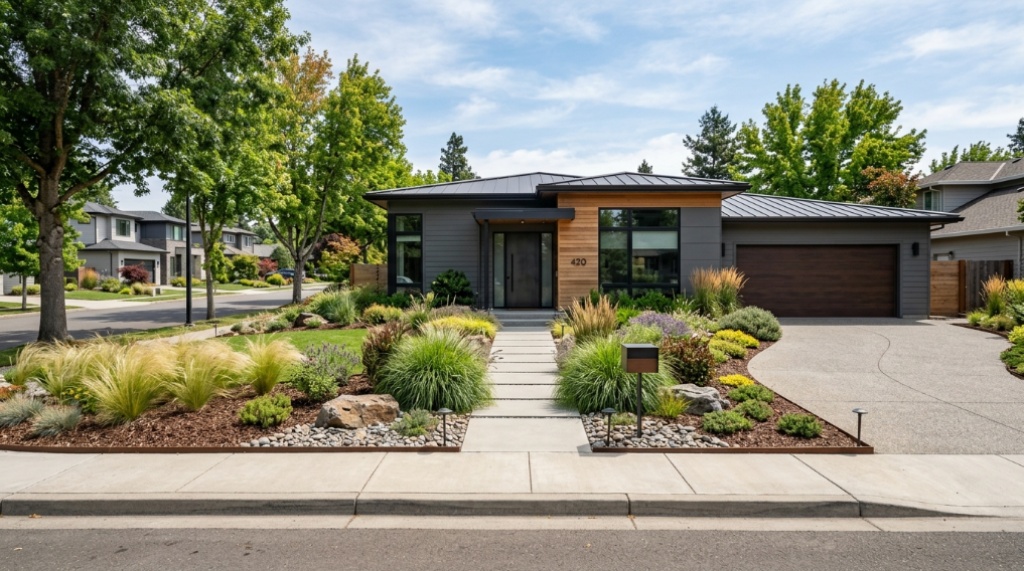

A lawn that looks sharp every week can quietly consume hours of mowing, edging, watering, and cleanup. For homeowners in warm-season grass regions, the problem is sharper: Bermuda, Zoysia, St. Augustine, and centipede grow aggressively in summer heat, sometimes needing a cut every five to seven days. Switching to the right equipment changes that math. If you are weighing battery power for a southern or transition-zone yard, a detailed cordless electric lawn mower review for warm-season grass can show you what actually holds up in heavy, fast-growing turf. The right mower, the right height, and a few smart changes can cut your weekly workload without turning the yard into a patchy mess.
Quick Answer
You can reduce lawn maintenance by mowing higher (2.5–3.5 inches for most warm-season grasses), mowing less often but never removing more than one-third of the blade at a time, keeping a sharp blade, watering deeply but infrequently, and choosing a cordless electric mower that matches your lawn size and grass type. Curb appeal survives because healthy, taller turf crowds out weeds, hides stress, and needs less water and fertilizer.
Key Takeaways
- Raising the cutting height is the single fastest way to slow growth and reduce mowing frequency.
- Mowing less often is fine only if you follow the one-third rule; scalping stresses warm-season grass and invites weeds.
- A cordless electric mower makes sense for most suburban lots under about half an acre, especially when you keep a spare battery.
- Mulching clippings back into the lawn returns nitrogen and reduces the need for fertilizer.
- Curb appeal depends more on consistency and edge definition than on mowing every few days.
Why Warm-Season Lawns Are Maintenance-Heavy in the First Place
Warm-season grasses grow fastest when temperatures sit between roughly 80°F and 95°F. During peak summer, Bermuda and Zoysia can push new growth quickly enough that a lawn mowed at 1.5 inches looks shaggy within four or five days. That aggressive growth is also what makes these grasses so durable and drought-tolerant, so the goal is not to stop growth but to manage it with less effort.
Two other factors add hidden work: frequent shallow watering, which encourages shallow roots and more top growth, and dull blades, which tear grass instead of cutting it. Torn tips brown out, making the lawn look worse and requiring more cleanup. Fixing these two issues alone often reduces visible maintenance without any equipment change.

The Core Strategy: Mow Higher, Mow Smarter
Raising the deck height is the most effective low-effort change. Taller grass blades shade the soil, reduce evaporation, and develop deeper roots. The lawn grows slightly slower at the top while staying greener under heat stress. The trade-off is that very tall turf in humid climates can increase disease pressure, so stay within recommended ranges rather than going as high as possible.
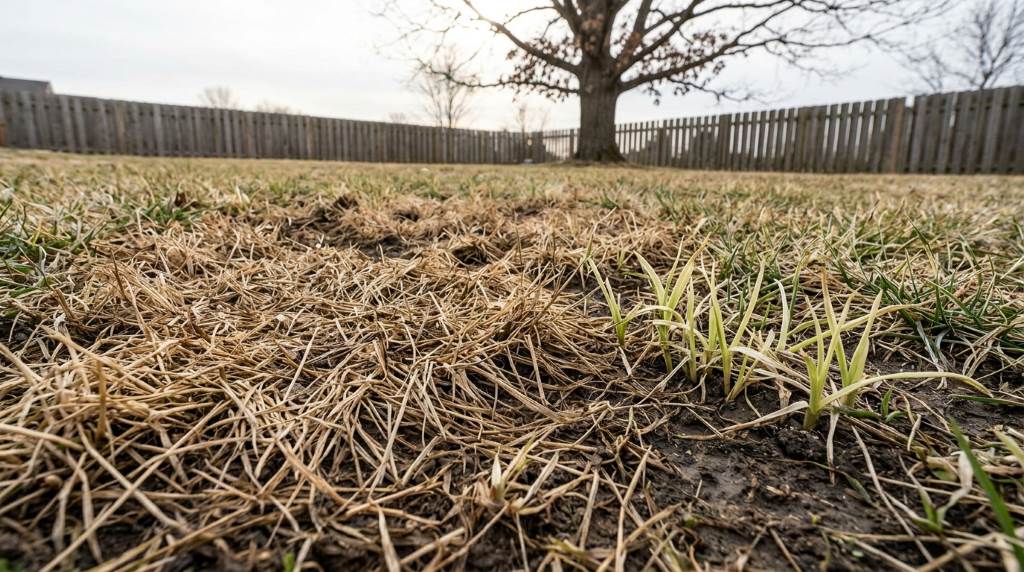
Pair the height change with the one-third rule: never cut more than one-third of the total blade length in a single mowing. If your grass is six inches tall and you want it at three, split it into two mowings a few days apart instead of one scalping pass. Scalping shocks the plant, exposes stems, and creates the exact patchy look you were trying to avoid.
Recommended Cutting Heights by Grass Type
| Grass Type | Typical Height Range | Practical Note |
|---|---|---|
| Bermuda | 1–2 inches | Prefers lower cuts; raise slightly in drought |
| Zoysia | 1.5–2.5 inches | Thick thatch; keep blade sharp |
| St. Augustine | 3–4 inches | Shade-tolerant; never scalp |
| Centipede | 1.5–2.5 inches | Slow grower; easy to over-mow |
Check your specific cultivar, because improved varieties sometimes tolerate different heights than older types.
When a Cordless Electric Mower Actually Reduces Your Workload
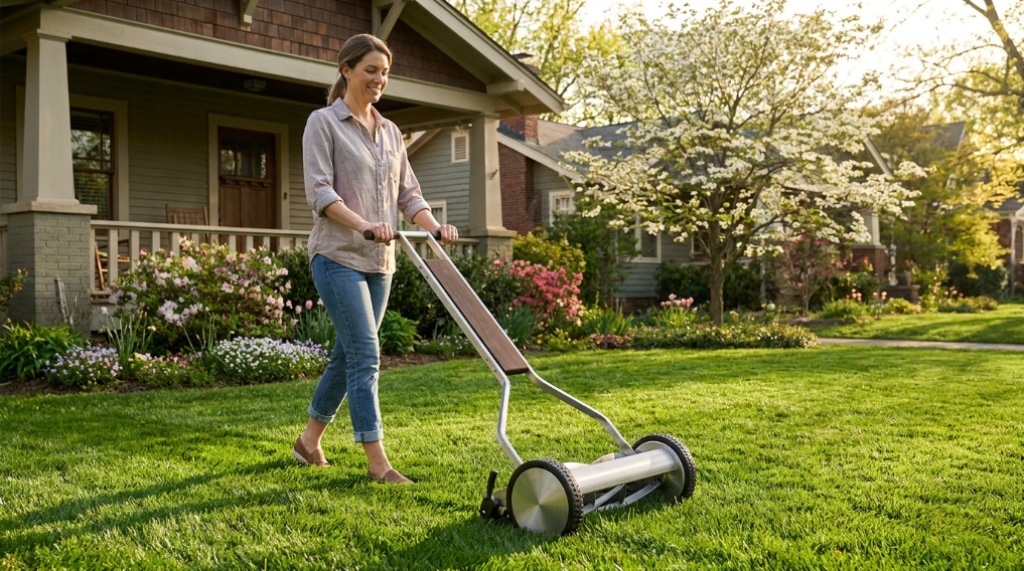
A cordless electric mower helps most when your lawn is compact and obstacle-heavy. No gas, no oil changes, no pull-start, no fumes, and no trip to the gas station. Push-button start and lighter weight make quick mid-week touch-ups realistic, which matters when you are trying to avoid a single marathon mowing session.
The main limits are runtime and cut quality in dense, wet, or overgrown grass. Warm-season turf gets thick fast, and a mower that struggles in tall St. Augustine will leave stragglers and force a second pass. Battery capacity and blade speed matter more here than on a cool-season fescue lawn. If your yard regularly gets away from you, a higher-voltage model with a larger deck tends to handle the catch-up cut better than a lightweight trim mower.
Quick Comparison: Cordless Electric vs. Gas
| Factor | Cordless Electric | Gas |
|---|---|---|
| Routine maintenance | Minimal (blade, battery care) | Oil, filters, spark plug, fuel |
| Noise | Quiet enough for early or late mowing | Loud; may annoy neighbors |
| Runtime | Limited per battery charge | Refuel and continue |
| Best for | Small to mid-size lots, frequent light cuts | Large or consistently overgrown lawns |
Watering and Fertilizing Changes That Cut Mowing Frequency
Deep, infrequent watering encourages roots to grow downward instead of producing constant top growth. One thorough soaking per week, delivered early in the morning, usually beats several light sprinklings. In many regions, warm-season grasses can survive on less water than homeowners assume once they are established; overwatering is a common cause of both fast growth and disease.
Fertilizer is similar. More nitrogen means more clippings and more mowing. Feeding at the lower end of recommended rates, and timing applications to the active growing season, keeps the lawn healthy without forcing excessive growth. Mulching clippings back into the turf returns some nitrogen naturally, so you can often reduce bagged fertilizer without any visible decline, to keep your outdoor space looking its best year-round, it helps to understand what is lawn maintenance and how often should it be done.
What to Stop Doing
- Stop bagging clippings on every mow; mulch them instead when growth is manageable.
- Stop mowing on a fixed weekly schedule regardless of growth; mow by height, not by calendar.
- Stop watering lightly every day; it creates shallow roots and weak turf.
- Stop cutting lower than recommended in an attempt to mow less often. It backfires.
Simple Habits That Protect Curb Appeal With Less Effort
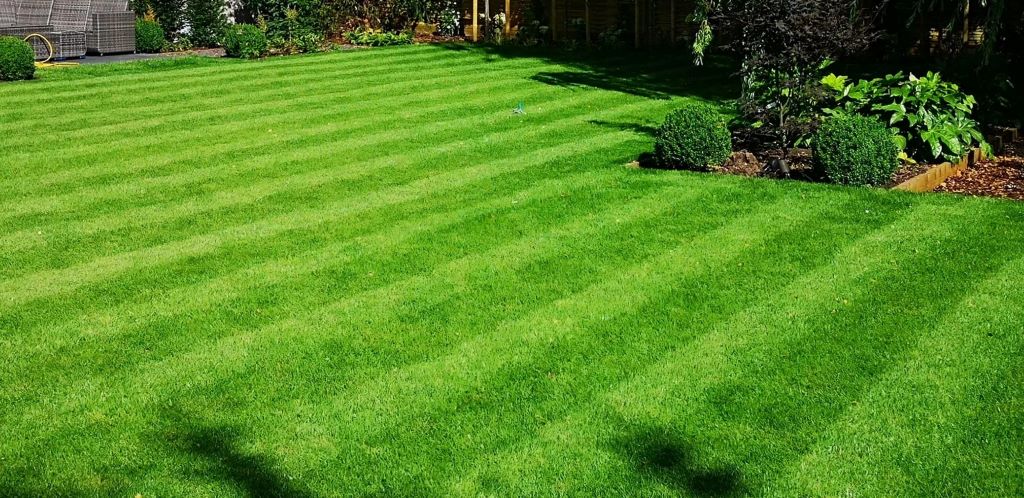
Consistency beats intensity. A lawn that is always slightly taller and evenly cut reads as healthier than one that swings between scalped and overgrown. A few small habits preserve that look without extra mowing.
- Mow in alternating directions each time to prevent ruts and grain.
- Keep the blade sharp; sharpen or replace it at least once per season in heavy growth.
- Trim edges every second or third mow rather than every time.
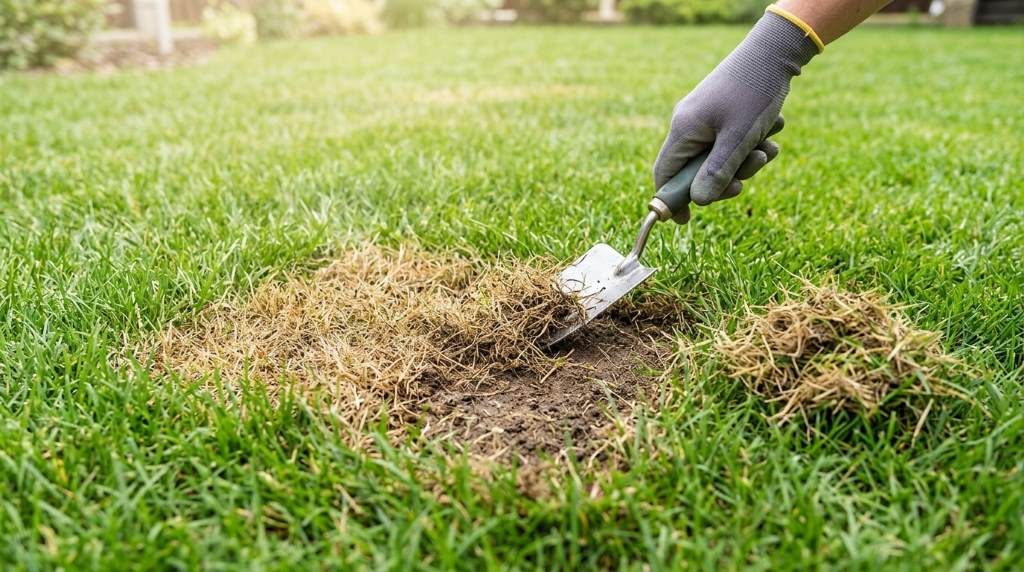
- Fix bare spots early; weeds fill gaps fast in warm-season lawns.
- Leave a defined edge along walkways and beds. Crisp borders do more for curb appeal than a shorter cut.
Together, these steps typically reduce mowing frequency without any noticeable drop in how the yard looks from the street.
Frequently Asked Questions
How often should I mow a warm-season lawn in summer?
It depends on growth rate and cutting height. Many warm-season lawns need mowing every five to ten days in peak summer, but raising the deck height can push that closer to ten to fourteen days while still following the one-third rule.
Does mowing higher really reduce maintenance?
Yes. Taller grass shades the soil, slows evaporation, and reduces stress, so the lawn needs less water and shows fewer problems. It also crowds out weeds, cutting down on weeding and herbicide use.
Is a cordless electric mower strong enough for St. Augustine or Bermuda?
For small to mid-size lawns and regular cutting, yes. Dense or overgrown turf demands more power and runtime, so choose a model with a larger deck and a spare battery if your grass gets thick quickly.
Can I skip bagging grass clippings?
Usually yes. Mulching clippings returns nutrients to the soil and saves time. Only bag when the lawn is overgrown or clippings clump, since thick clumps smother grass underneath.
What is the biggest mistake homeowners make when trying to mow less?
Cutting too low to stretch the interval between mowings. Scalping weakens the grass, exposes soil, and invites weeds, which creates more work later.
Conclusion
Reducing lawn maintenance is less about finding a shortcut and more about working with how warm-season grass grows. Raise the cutting height, follow the one-third rule, water deeply and infrequently, and mulch clippings. Choose a cordless electric mower that matches your lawn size and grass density, and keep the blade sharp. Do those things and you can mow less often while keeping the yard looking tidy from the curb. Start with one change this week: raise the deck by half an inch and see how the lawn responds.