
Dealing with pesky lawn weeds can be a frustrating experience for any homeowner. Those unwanted intruders can quickly turn a lush green carpet into a patchy eyesore. Understanding the common culprits and how to effectively manage them is crucial for maintaining a healthy and beautiful lawn. This guide will walk you through identifying seven widespread weeds, offering practical tips for control and prevention, ensuring your yard stays vibrant and weed-free.
Identifying Common Lawn Weeds
Accurate identification is the first step in effective weed control. Many homeowners struggle with distinguishing between beneficial plants and invasive lawn weeds. Let’s explore some of the most frequently encountered varieties.
-
Dandelion (Taraxacum officinale)
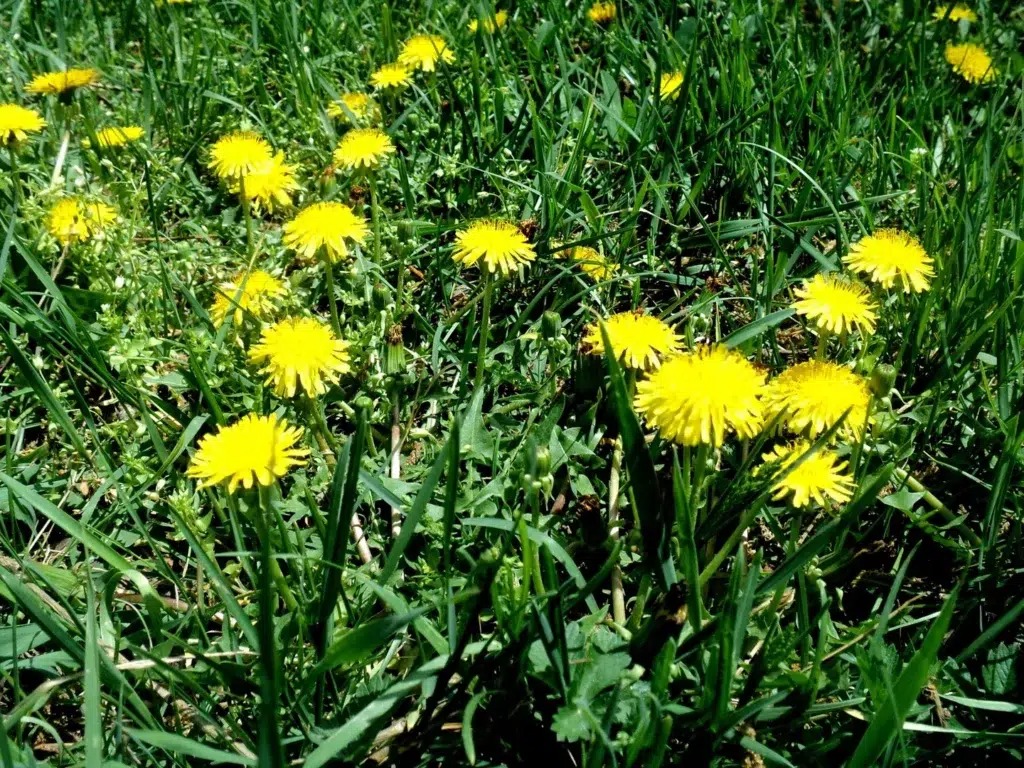
- This ubiquitous weed is easily recognized by its bright yellow flowers and distinctive puffball seed heads.
- Dandelions have a deep taproot, making them resilient and difficult to remove manually.
- They thrive in nutrient-poor soils and are often an indicator of soil compaction.
-
Crabgrass (Digitaria spp.)
- Crabgrass is a summer annual that forms dense, spreading mats, often appearing as coarse, light-green patches.
- It thrives in hot, dry conditions and is a prolific seed producer, leading to rapid spread.
- This warm-season grass-like weed can outcompete desirable turf during the summer months.
-
White Clover (Trifolium repens)
- White clover is a low-growing perennial with distinctive three-leaf clover patterns and white, globe-shaped flowers.
- It’s a nitrogen-fixing plant, which can actually improve soil fertility, but it can also become invasive.
- Often found in lawns lacking nitrogen, this broadleaf weed can quickly spread.
-
Chickweed (Stellaria media)
- Chickweed is a winter annual that forms dense mats of small, oval leaves and tiny white flowers.
- It prefers cool, moist conditions and is often found in shady areas.
- This weed is a prolific seed producer and can quickly spread throughout the lawn.
-
Broadleaf Plantain (Plantago major)
- Broadleaf plantain is characterized by its wide, oval leaves with prominent parallel veins.
- It forms a rosette at ground level and is often found in compacted soils.
- These hardy weeds can tolerate a wide range of growing conditions.
-
Purslane (Portulaca oleracea)
- Purslane is a succulent weed with fleshy, reddish stems and small, paddle-shaped leaves.
- It thrives in hot, dry conditions and is known for its ability to tolerate poor soils.
- This weed spreads quickly via seeds and stem fragments.
-
Ground Ivy (Glechoma hederacea)
- Ground ivy, also known as creeping charlie, is a perennial weed with scalloped, kidney-shaped leaves and purplish-blue flowers.
- It spreads rapidly by creeping stems that root at nodes.
- This invasive weed thrives in shady, moist areas and can be difficult to eradicate.
Effective Lawn Weed Control Strategies
Once you’ve identified the lawn weeds invading your yard, it’s time to take action. Several control methods can be employed, depending on the type and severity of the infestation.
-
Cultural Practices
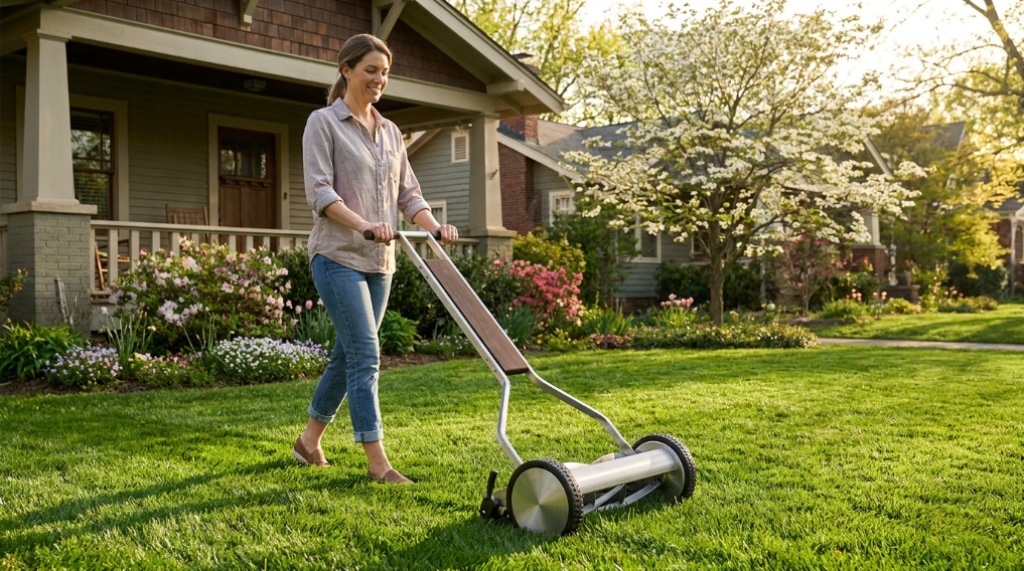
- Maintain a Healthy Lawn: A thick, healthy lawn is the best defense against weeds. Proper mowing, watering, and fertilization can create an environment that favors desirable turf.
- Proper Mowing: Mow at the correct height for your grass type. Taller grass shades the soil, inhibiting weed seed germination.
- Watering: Water deeply and less frequently to encourage deep root growth, making your lawn more resilient.
- Aeration: Aerate compacted soils to improve drainage and root growth, reducing weed pressure.
-
Manual Removal
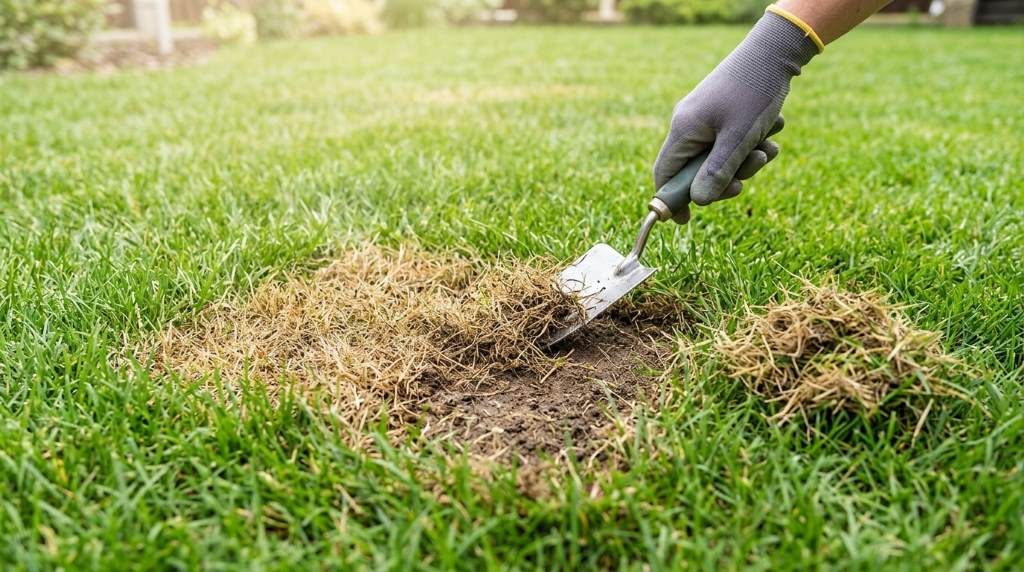
- For small infestations, hand-pulling weeds can be effective. Ensure you remove the entire root system, especially for weeds like dandelions.
- Using a weeding tool can help you extract deep-rooted weeds more effectively.
-
Herbicide Application
- Pre-Emergent Herbicides: Apply pre-emergent herbicides in early spring to prevent weed seeds from germinating.
- Post-Emergent Herbicides: Use post-emergent herbicides to target existing weeds. Choose a product that is specific to the type of weed you are trying to control.
- Selective vs. Non-Selective: Selective herbicides target specific weeds, while non-selective herbicides kill all vegetation. Choose wisely.
- Always follow the instructions on the herbicide label for safe and effective application.
-
Natural Weed Control
- Vinegar: White vinegar can be used as a natural weed killer, but it may also harm surrounding plants.
- Corn Gluten Meal: This natural pre-emergent herbicide inhibits weed seed germination.
- Mulching: Mulch around garden beds and lawn edges to prevent weeds.
Read More Also: Top Dressing Lawn: How and Why
Preventing Future Weed Growth
Prevention is key to maintaining a weed-free lawn. Implementing proactive measures can significantly reduce the likelihood of future infestations.
-
Soil Testing
- Conduct a soil test to determine nutrient deficiencies and pH imbalances. Correcting these issues can create a healthier environment for your lawn.
-
Overseeding
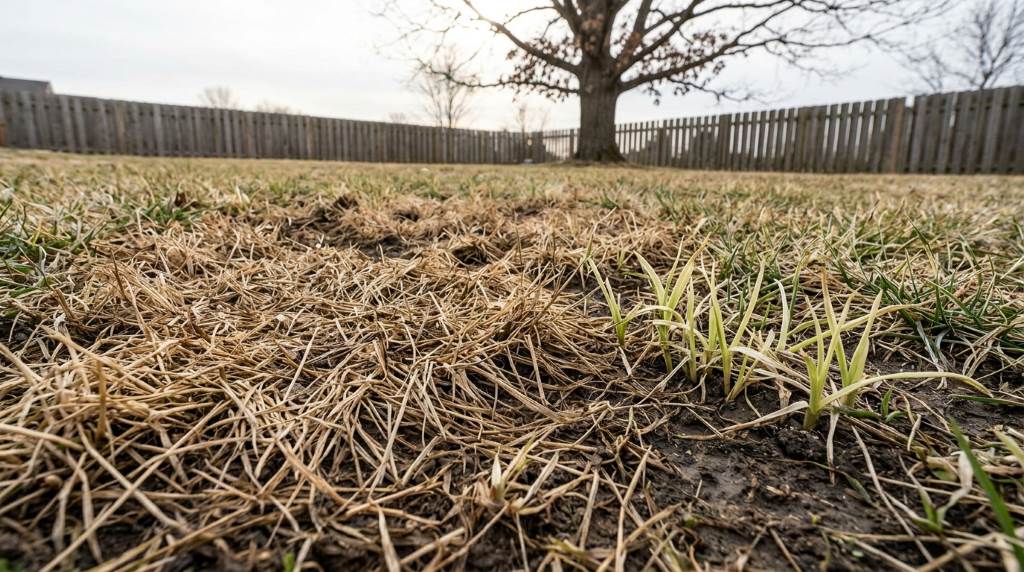
- Overseed bare patches in your lawn to create a dense turf that outcompetes weeds.
-
Regular Maintenance
- Maintain a consistent lawn care routine, including regular mowing, watering, and fertilization.
-
Edge Control
- Use edging to create a barrier between your lawn and garden beds, preventing weeds from spreading.
By understanding the common lawn weeds and implementing these control and prevention strategies, you can achieve a beautiful, weed-free lawn. Remember, consistent effort and proper maintenance are essential for long-term success.
Ready to reclaim your lawn from pesky weeds?
Take the first step today! Identify the weeds in your yard, choose the appropriate control method, and start implementing preventive measures. Share your progress and questions in the comments below, and let’s work together to create thriving lawns!