
Thatch Buildup can silently sabotage the health and beauty of your lawn. That dense, spongy layer of dead and living organic matter, while initially beneficial, can become a major problem when it accumulates excessively. Understanding how to effectively remove this buildup is crucial for maintaining a vibrant and thriving lawn. This guide will walk you through the causes, signs, and proven methods for eliminating thatch, ensuring your turf stays lush and healthy.
Understanding Thatch and Its Impact
What exactly is thatch, and why is it a concern? Thatch is a layer of both living and dead organic material that accumulates between the green vegetation and the soil surface. A thin layer is actually beneficial, acting as a natural mulch that retains moisture and moderates soil temperature. However, when the decomposition rate of this material is slower than its accumulation rate, excessive thatch buildup occurs. This leads to several problems, including:
- Restricted water and nutrient penetration.
- Increased risk of disease and pest infestations.
- Shallow root development.
- Reduced effectiveness of fertilizers and pesticides.
Identifying the Signs of Thatch Buildup
Before you start dethatching, it’s essential to confirm that you have a thatch problem. Look for these telltale signs:
- A spongy or bouncy feel when walking on the lawn.
- Difficulty inserting a finger or tool into the soil.
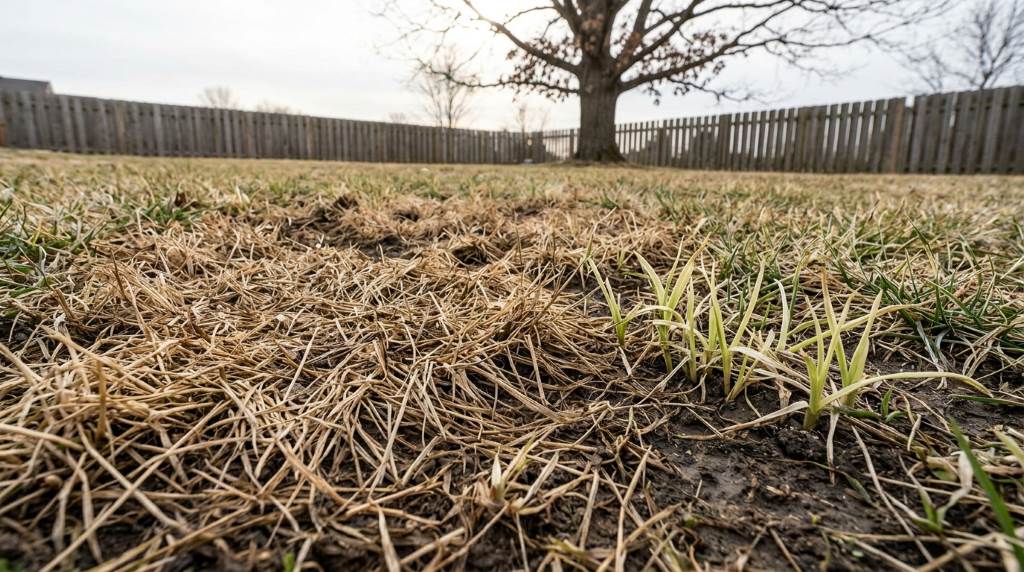
- Visible brown or yellow layer between the grass and soil.
- Increased susceptibility to lawn diseases.
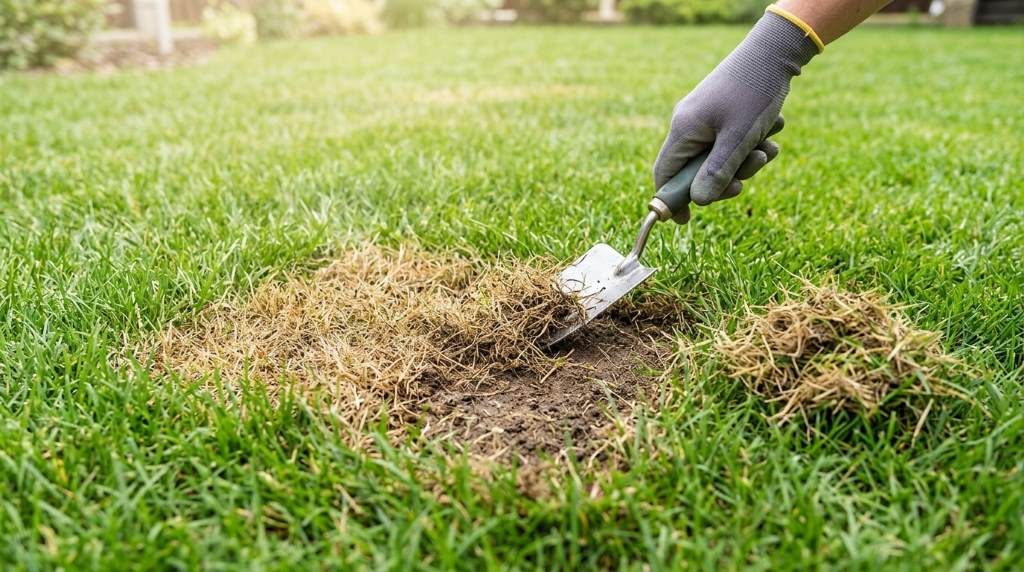
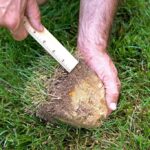
To accurately assess the extent of thatch buildup, dig up a small, wedge-shaped section of your lawn. Measure the thatch layer; anything over half an inch is considered excessive and requires removal.
Methods for Effective Thatch Removal
Several methods can be used to remove thatch, depending on the severity of the buildup and the size of your lawn. Here’s a breakdown of the most effective techniques:
-
Manual Dethatching with a Thatching Rake
For light thatch buildup or smaller lawns, a manual thatching rake is a simple and effective tool.
- How to: Use a sturdy thatching rake to vigorously rake the lawn, pulling up the dead material. Work in a consistent pattern, overlapping each pass to ensure thorough removal.
- Best for: Light thatch layers and small lawns.
- Pros: Inexpensive, simple to use.
- Cons: Labor-intensive, not suitable for large areas or heavy thatch.
-
Power Raking or Vertical Mowing
For moderate to heavy thatch buildup, a power rake or vertical mower is a more efficient solution.
- How to: These machines use vertical blades to cut through the thatch layer and lift it to the surface. Adjust the blade depth to avoid damaging healthy grass. Make multiple passes in different directions for thorough removal.
- Best for: Moderate to heavy thatch layers and larger lawns.
- Pros: Effective for removing significant thatch, covers large areas quickly.
- Cons: Requires equipment rental or purchase, can damage the lawn if used improperly.
- Vertical cutting is a good way to help remove the dead material.
-
Core Aeration
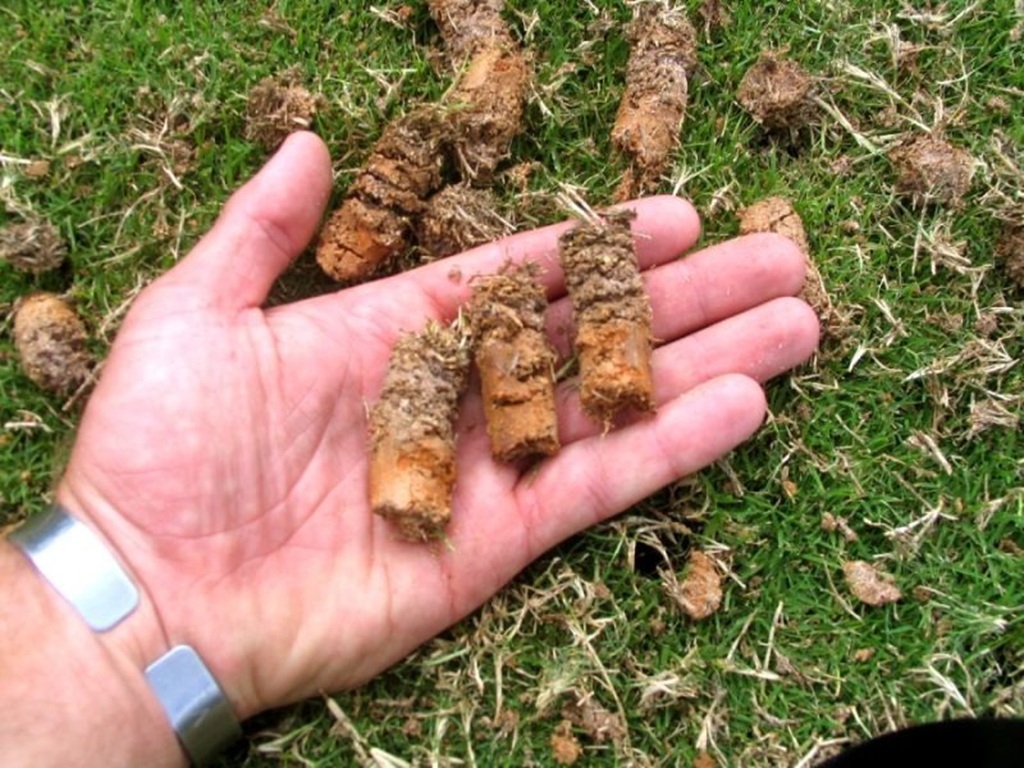
Core aeration is a technique that removes small plugs of soil and thatch, improving air and water penetration.
- How to: Use a core aerator to remove plugs of soil, leaving holes in the lawn. Allow the plugs to dry and break down, or remove them with a rake.
- Best for: Compacted soil and moderate thatch buildup.
- Pros: Improves soil aeration, reduces compaction, enhances nutrient uptake.
- Cons: Requires specialized equipment, can leave temporary holes in the lawn.
- Soil aeration is a valuable tool in lawn maintenance.
-
Liquid Dethatching Products
These products utilize enzymes or microbes to accelerate the decomposition of thatch.
- How to: Apply the product according to the manufacturer’s instructions, usually with a sprayer. These products work best when combined with proper watering and lawn care practices.
- Best for: Light thatch buildup and preventative maintenance.
- Pros: Easy to apply, reduces the need for manual labor.
- Cons: Requires repeat applications, effectiveness can vary depending on conditions.
Preventing Future Thatch Buildup
Preventing thatch buildup is just as important as removing it. Implement these practices for a healthy, thatch-free lawn:
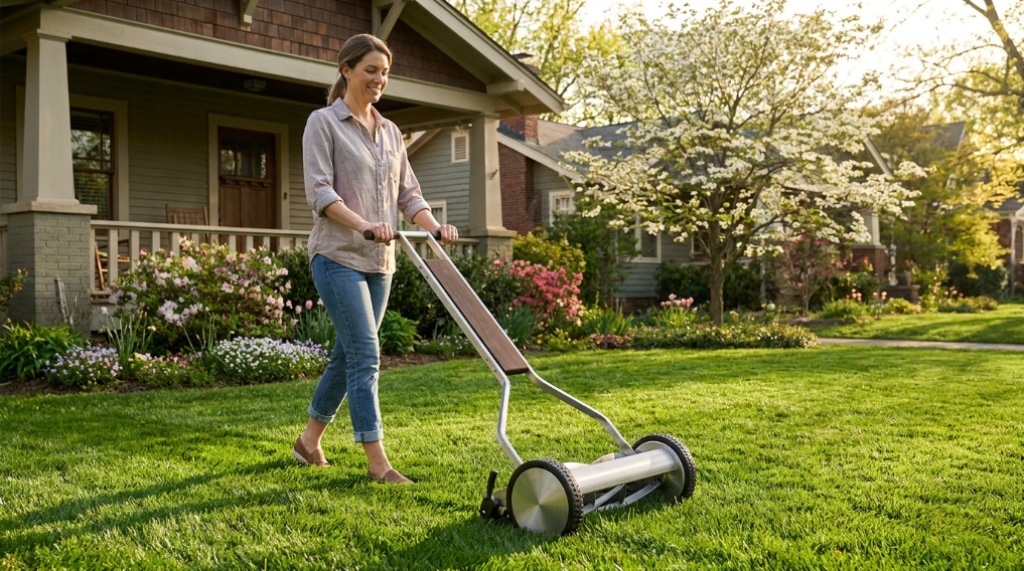
- Regular Mowing: Mow your lawn at the proper height and avoid cutting off more than one-third of the grass blade at a time.
- Proper Fertilization: Avoid over-fertilizing, as this can stimulate excessive growth and thatch accumulation.
- Consistent Watering: Water deeply and infrequently to encourage deep root growth.
- Core Aeration: Aerate your lawn annually to improve soil health and prevent compaction.
- Grass Cycling: Leave grass clippings on the lawn to decompose naturally, providing nutrients to the soil.
- Maintain proper soil pH: This helps with the decomposition of organic material.
Choosing the Right Time for Dethatching
The best time to dethatch your lawn is during its active growth period. For cool-season grasses, this is typically in the early spring or fall. Warm-season grasses should be dethatched in late spring or early summer. Avoid dethatching during periods of stress, such as extreme heat or drought.
Read More Also: Battling Weeds: Organic and Sustainable Control Methods
Maintaining a Healthy Lawn After Dethatching
After dethatching, it’s crucial to provide your lawn with proper care to ensure healthy recovery.
- Water the lawn thoroughly to promote root growth.
- Apply a light fertilizer to replenish nutrients.
- Overseed bare spots to encourage new growth.
- Monitor for signs of stress or disease.
Conclusion
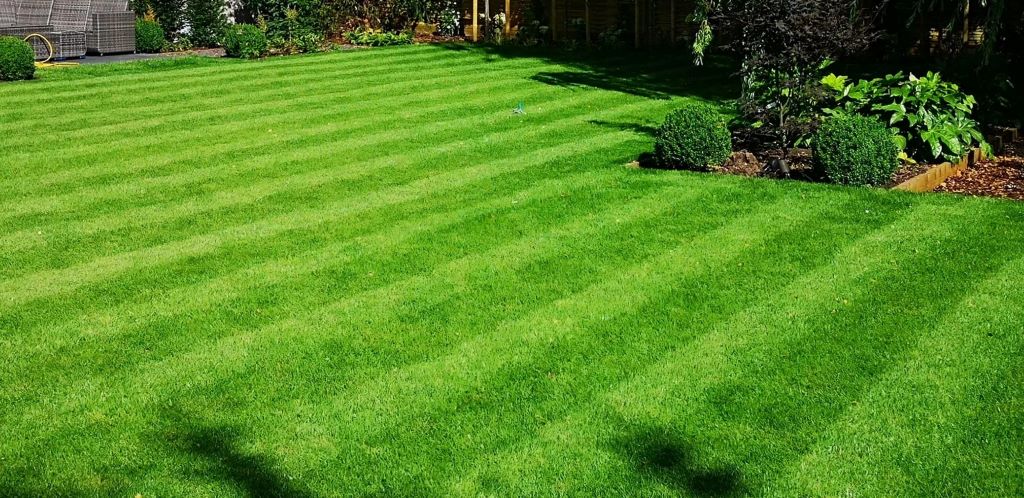
Removing thatch buildup is a vital part of maintaining a healthy and beautiful lawn. By understanding the causes, signs, and methods of thatch removal, you can effectively address this common lawn problem. Whether you choose manual raking, power raking, core aeration, or liquid dethatching products, the key is to implement a consistent lawn care routine that prevents future buildup.
Read More Also: How to Fix a Patchy Lawn: A Comprehensive Guide to Revitalizing Your Yard
Call to Action:
Ready to give your lawn the care it deserves? Start by assessing your thatch layer today. If you find excessive buildup, choose the dethatching method that best suits your needs and lawn size. Don’t forget to implement preventative measures to keep your lawn thriving for years to come. Share your dethatching experiences and tips in the comments below!