
Maintaining a lush, vibrant lawn can be a rewarding endeavor, but it’s often a battle against unseen enemies. Understanding common lawn diseases is crucial for any homeowner looking to keep their grass healthy. Are you noticing unsightly patches, discoloration, or thinning grass? You’re not alone. Many homeowners struggle with fungal infections and other turf issues. Let’s dive into the most prevalent culprits and how to combat them, ensuring your lawn remains a source of pride.
Identifying the Prime Suspect: Dollar Spot and Other Common Lawn Diseases
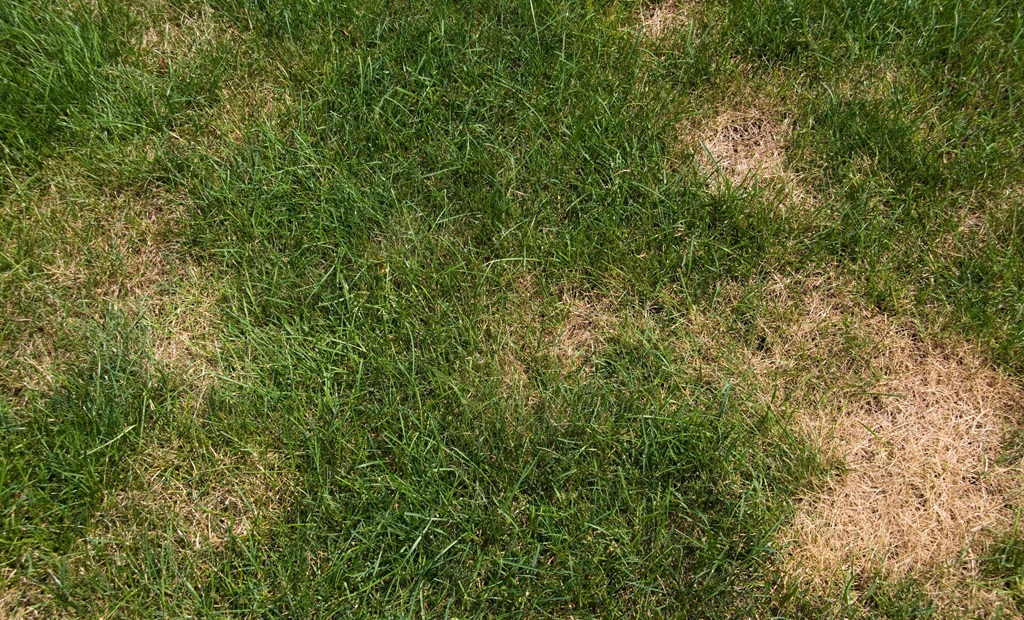
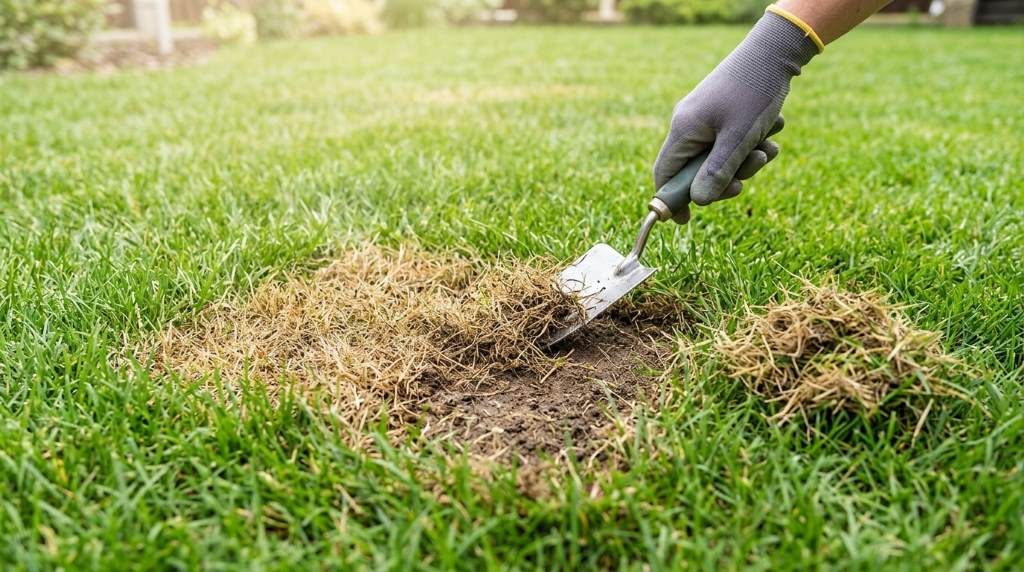
When considering the most common grass disease, Dollar Spot often takes center stage. This fungal infection is notorious for creating small, bleached-out patches that resemble silver dollars scattered across your lawn. However, other fungal and environmental stressors can also wreak havoc. Effective lawn disease management requires accurate identification and timely intervention.
Understanding the Culprits: Fungal Infections and Environmental Stressors
Several factors contribute to the proliferation of lawn diseases. Fungal infections thrive in warm, humid conditions, while environmental stressors like drought and poor soil quality weaken the turf, making it more susceptible to disease.
Dollar Spot: The Silver Dollar Menace
- Symptoms: Small, circular, bleached-out spots, typically 2-6 inches in diameter. In severe cases, these spots can merge, creating larger, irregular patches.
- Causes: Primarily caused by the fungus Sclerotinia homoeocarpa. Thrives in nitrogen-deficient lawns, high humidity, and fluctuating temperatures.
- Control: Apply nitrogen-rich fertilizers, improve air circulation, and use fungicides as a last resort.
Brown Patch: The Hot Weather Hazard
- Symptoms: Irregular, circular patches of brown or tan grass, often with a grayish “smoke ring” at the perimeter, especially in the morning.
- Causes: Caused by the fungus Rhizoctonia solani. Favors hot, humid weather and over-fertilized lawns.
- Control: Avoid over-fertilizing with nitrogen in hot weather, improve drainage, and use fungicides when necessary.
Red Thread: The Pink Patch Peril
- Symptoms: Pink or reddish thread-like structures visible on the grass blades, forming irregular patches.
- Causes: Caused by the fungus Laetisaria fuciformis. Thrives in cool, humid conditions and nitrogen-deficient lawns.
- Control: Apply nitrogen-rich fertilizers, improve air circulation, and use fungicides for severe infections.
Pythium Blight: The Rapid Destroyer
- Symptoms: Dark, greasy-looking patches that appear suddenly, often overnight. The affected grass may have a cottony, white mold in the early morning.
- Causes: Caused by the fungus Pythium spp. Favors hot, humid weather and poorly drained soil.
- Control: Improve drainage, avoid over-watering, and use fungicides specifically designed for Pythium blight.
Environmental Stressors: Weakening Your Lawn’s Defenses
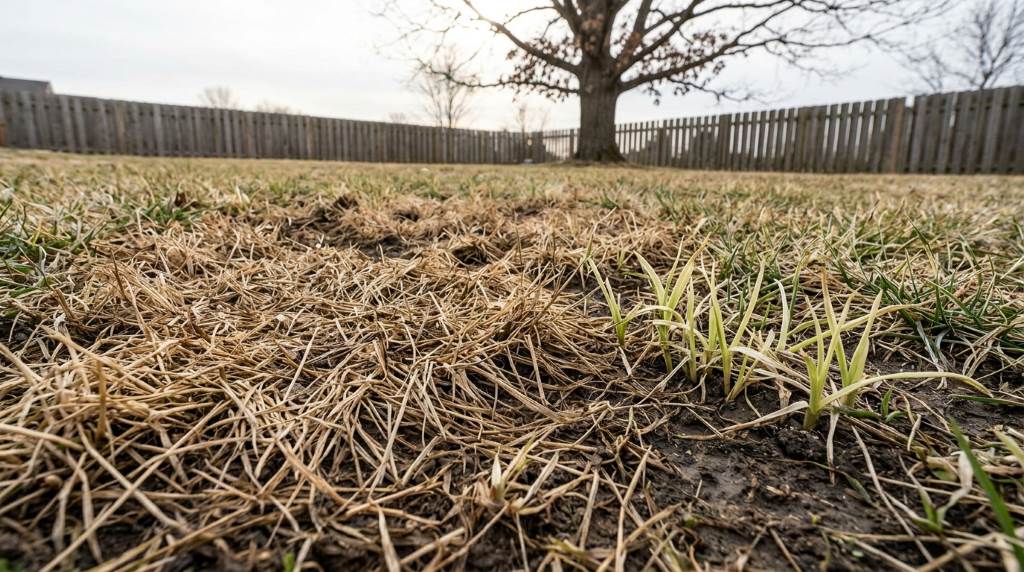
Beyond fungal infections, environmental factors play a significant role in lawn disease susceptibility.
- Drought Stress: Weakens the grass, making it more prone to infections.
- Poor Soil Drainage: Creates a damp environment conducive to fungal growth.
- Compacted Soil: Restricts root growth and nutrient uptake, weakening the turf.
- Improper Mowing: Mowing too short or with dull blades stresses the grass.
Preventative Measures: Keeping Your Lawn Healthy
Prevention is key to minimizing the impact of lawn diseases. A healthy, robust lawn is naturally more resistant to infections.
Best Practices for Lawn Health
- Proper Watering: Water deeply and infrequently, preferably in the morning.
- Fertilization: Use a balanced fertilizer based on soil test results.
- Aeration: Aerate compacted soil to improve drainage and root growth.
- Mowing: Mow at the correct height with sharp blades.
- Thatch Control: Remove excessive thatch to improve air circulation.
- Soil Testing: Regularly test your soil to identify nutrient deficiencies.
Treatment Options: Addressing Active Lawn Diseases
If your lawn is already showing signs of disease, prompt treatment is essential.
Fungicides: A Targeted Approach
- Choose fungicides specifically labeled for the identified disease.
- Follow the manufacturer’s instructions carefully.
- Apply fungicides during favorable weather conditions.
Cultural Practices: A Holistic Approach
- Adjust watering schedules to reduce moisture.
- Improve drainage by aerating and dethatching.
- Fertilize appropriately to strengthen the turf.
Discover More: Unlock the Secrets of a Gardener’s Daily Routine: What You Need to Know!
Table: Common Lawn Diseases and Their Characteristics
| Disease | Symptoms | Causes | Control |
| Dollar Spot | Small, bleached-out spots | Sclerotinia homoeocarpa | Nitrogen fertilization, improved air circulation, fungicides |
| Brown Patch | Brown/tan patches with “smoke ring” | Rhizoctonia solani | Avoid over-fertilizing, improve drainage, fungicides |
| Red Thread | Pink/red thread-like structures | Laetisaria fuciformis | Nitrogen fertilization, improved air circulation, fungicides |
| Pythium Blight | Dark, greasy patches, cottony mold | Pythium spp. | Improve drainage, avoid over-watering, Pythium-specific fungicides |
Maintaining a Healthy Lawn: A Year-Round Effort
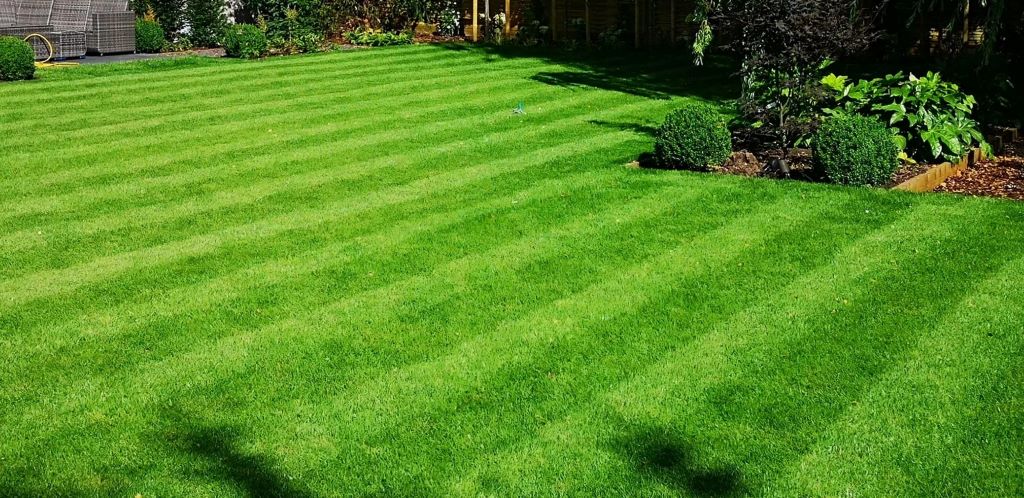
Lawn care is a continuous process that requires attention throughout the year. By understanding the common lawn diseases and implementing preventative measures, you can ensure your lawn remains healthy and vibrant.
Read More Also: How to Lay New Lawn: A Comprehensive Guide with Reviews, Solutions, and FAQs
Call to Action: Take Control of Your Lawn Today
Don’t let lawn diseases ruin your beautiful yard. If you’re struggling with unsightly patches or thinning grass, take action now! Schedule a soil test, assess your watering practices, and consider a preventative fungicide application. For expert advice and personalized solutions, consult with a local lawn care professional. Take the first step towards a healthier, more beautiful lawn today!