
Heavy clay soil can feel like a curse to rose lovers. Thick, compacted, and poor at draining, it’s a real challenge. But with the right techniques, even the stickiest clay can become a rose-growing haven. This in-depth guide dives into proven, expert-backed strategies for improving drainage in heavy clay soil for planting roses.
Understanding Clay Soil and Why It’s Problematic for Roses
Clay soil is made up of fine particles that pack tightly together. It holds water excessively and drains poorly. This can lead to root rot, fungal infections, and stunted growth in roses. A 2023 study by the American Society for Horticultural Science found that plants in poorly draining soil had a 40% lower survival rate.
Roses hate “wet feet.” Their roots need oxygen. In saturated soil, roots suffocate and rot. Clay also compacts over time, especially when walked on, worsening drainage.
How to Identify Clay Soil in Your Garden
Before solving the problem, make sure you’re dealing with clay. Clay soil feels sticky when wet and cracks when dry. A simple test: roll moist soil into a ribbon between your fingers. If it holds its shape over 2 inches, you have clay.
Additionally, observe water pooling after rain. If it lingers for hours, drainage is a serious concern. These signs confirm the need for targeted action.
Step-by-Step Methods to Improve Drainage in Clay Soil
1. Dig Deep and Double Dig
Double digging is a game-changer. It involves loosening two layers of soil. This increases airflow and drainage. Dig 12 inches deep, remove the soil, then break up the lower layer before adding compost and returning the topsoil.
According to Fine Gardening Magazine, this technique boosts root health and reduces compaction in as little as one season.
2. Add Organic Matter—A Lot of It
Compost, leaf mold, and well-rotted manure break up clay particles. This improves soil structure and water movement. Experts recommend adding 3–4 inches of organic matter and mixing it into the top 12 inches of soil.
The Royal Horticultural Society states that organic matter improves drainage and fertility while encouraging beneficial microbes. Avoid peat, which can become waterlogged.
3. Use Gypsum for Clay Soil Amendment
Gypsum (calcium sulfate) helps displace sodium in clay soils. It loosens particles, improves structure, and aids water infiltration. The University of California Agriculture and Natural Resources highlights gypsum as effective in sodic clay soils.
Apply 40 pounds per 1,000 square feet annually, and water it in deeply. Results show within a few months.
4. Build Raised Beds for Instant Results
If soil amendment isn’t enough, raised beds provide an immediate solution. Fill them with a balanced mix of sandy loam, compost, and perlite. Keep beds 12–18 inches high for proper drainage.
Raised beds also warm faster in spring, giving roses an early start. According to Garden Design Magazine, raised beds improve bloom production and disease resistance.
5. Install Drainage Systems When Necessary
Persistent drainage issues may need a French drain. This involves digging a trench, filling it with gravel and perforated pipe, and directing water away. It’s labor-intensive but effective for waterlogged gardens.
DIYers can follow guides from Family Handyman or consult a landscaper for complex terrain. This method protects plant roots and foundations from excess moisture.
6. Choose Clay-Tolerant Rose Varieties
Some rose types handle heavy soil better. Shrub roses like Knock Out, Carefree Beauty, and Bonica have robust root systems. David Austin’s English Roses are also more tolerant.
Avoid delicate hybrid teas unless you’ve drastically improved soil. Tough varieties ensure success even if conditions aren’t perfect.
Mulching and Surface Management Tips
Apply mulch, but not too thick. A 2-inch layer of bark or wood chips helps retain moisture balance without suffocating the soil. Keep mulch 2–3 inches away from rose stems to prevent rot.
Mulch also suppresses weeds and adds slow-release nutrients. Choose mulch that decomposes over time, like shredded leaves or composted bark.
Timing and Planting Tips for Roses in Clay Soil
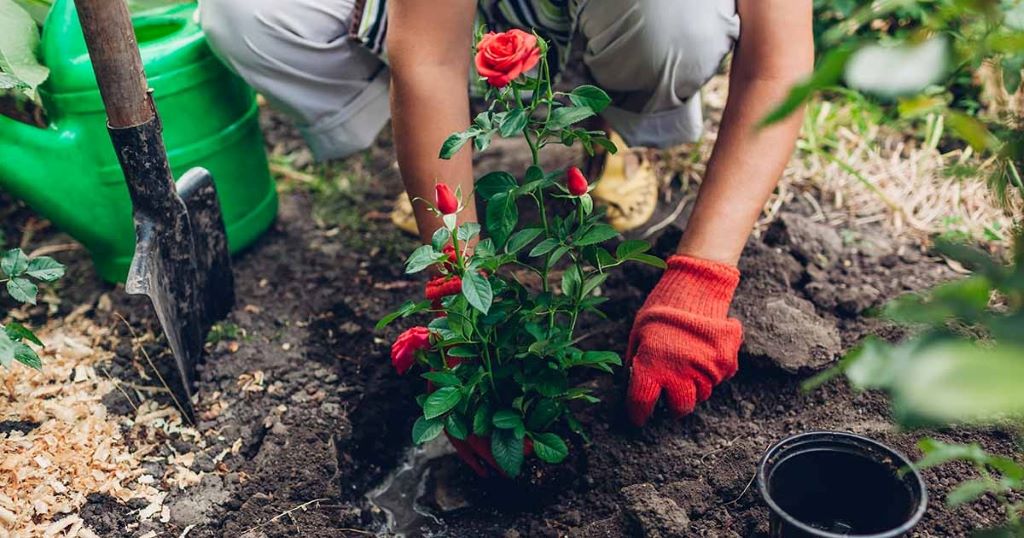
Plant roses in early spring or fall. Avoid digging wet clay, which compacts easily. Ensure the planting hole is twice as wide and slightly shallower than the root ball. Mix compost and loosen the base.
Water deeply but less frequently. This encourages deep roots, not shallow ones that rot easily. Monitor drainage weekly during rainy seasons.
Fertilizing in Clay: What to Know
Clay holds nutrients better than sandy soil, but poor drainage can lock them away. Use slow-release rose fertilizers. Look for balanced NPK (e.g., 10-10-10). Avoid over-fertilizing, which promotes foliage but not blooms.
Soil test kits can guide specific amendments. Add bone meal or rock phosphate to enhance blooming.
Featured Snippet: How Can I Improve Clay Soil Fast for Planting Roses?
To quickly improve clay soil for roses, start with organic matter. Add 3–4 inches of compost, leaf mold, or rotted manure and mix thoroughly. Next, double dig your planting area to improve aeration. Apply gypsum to break up the dense structure and improve water flow.
For an immediate fix, consider raised beds filled with well-draining soil. Choose tough, clay-tolerant rose varieties like Knock Out or Bonica. Avoid overwatering and mulch lightly to maintain balanced moisture.
These steps can transform heavy clay into a rich, fertile base in one season or less. Gardeners across the U.S. have reported healthier blooms and fewer diseases after applying these methods.
Professional Tip: Test your drainage by digging a hole and filling it with water. If it drains within 1–2 hours, your soil is rose-ready.
Read More: Xeriscaping: A Water-Wise Oasis in Dry Climates
Expert Tips from Real Gardeners
-
“I mix pine bark fines and compost in every rose hole. My clay soil has never been better.” – Michelle E., Master Gardener, Texas.
-
“Raised beds saved my garden. I had standing water every spring—now my roses thrive.” – Ryan T., Landscaper, Ohio.
-
“Gypsum worked after just a few months. My roses doubled in size the following season.” – Carol N., Organic Gardener, Georgia.
Best Products to Improve Clay Soil for Roses (Reviews)
| Product | Type | Rating | Key Benefit |
|---|---|---|---|
| Espoma Organic Compost | Organic Matter | ★★★★★ | Rich in microbes, easy to apply |
| Earth Science Gypsum | Soil Conditioner | ★★★★☆ | Breaks up clay, pet safe |
| Miracle-Gro Garden Soil for Roses | Ready Mix | ★★★★☆ | pH balanced and nutrient-rich |
| Geotextile Drain Fabric | Drainage Support | ★★★★☆ | Use with French drains |
| Raised Garden Bed Kit | Hardware | ★★★★★ | Quick setup, great for wet spots |
FAQs About Improving Drainage in Clay Soil for Roses
1. Can roses survive in clay soil without amending it?
Not well. Roses in unamended clay often struggle due to waterlogging and lack of oxygen.
2. How deep should I dig when preparing clay soil for roses?
At least 12 inches. For best results, double dig to 24 inches and mix in compost.
3. Is sand a good amendment for clay soil?
Not by itself. Sand can turn clay into concrete. Combine sand with compost for balanced texture.
4. How long does gypsum take to improve soil structure?
2 to 6 months depending on application rate, soil moisture, and temperature.
5. Can I plant roses in clay soil during the rainy season?
Avoid it. Wet clay compacts easily and damages structure. Wait until soil is damp, not soggy.
6. What mulch is best for clay soil roses?
Organic mulches like bark, straw, or shredded leaves are best. Avoid thick or synthetic mulch.
7. How often should I re-amend my soil?
Add organic matter yearly in spring or fall to maintain healthy structure and drainage.
Final Thoughts
Improving drainage in heavy clay soil for planting roses is totally achievable. It takes smart techniques, not luck. With organic matter, gypsum, raised beds, and strategic planting, your rose garden can thrive. The transformation may take effort, but the reward is a vibrant bed of roses, bursting with color and free from root rot.
Don’t settle for muddy misery—empower your garden and give your roses the foundation they deserve.
Read More: Unlock the Secrets of a Gardener’s Daily Routine: What You Need to Know!