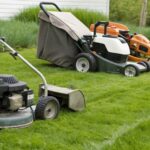

A lush, healthy lawn is a source of pride for many homeowners. But achieving that picture-perfect green carpet isn’t just about regular watering and fertilizing; it’s also about having the right tools for the job. Understanding how to choose the right lawn care equipment is essential, as the world of lawn care equipment is vast, ranging from simple hand tools to sophisticated robotic machines. Navigating this landscape can be overwhelming, but with a clear understanding of your lawn’s needs and your personal preferences, you can make informed decisions that will save you time, effort, and money in the long run.
This comprehensive guide will walk you through the essential considerations for choosing lawn care equipment, from the primary workhorses like mowers to specialized tools for aeration, dethatching, and precise edging. We’ll explore various types of equipment, discuss their pros and cons, and offer expert tips to ensure your investment leads to a truly pristine yard.
The Heart of the Operation: Choosing Your Lawn Mower
The lawn mower is arguably the most crucial piece of equipment for any homeowner. The type of mower best suited for you depends heavily on your lawn’s size, terrain, and how much effort you’re willing to expend.
-
Push Mowers (Manual and Self-Propelled):
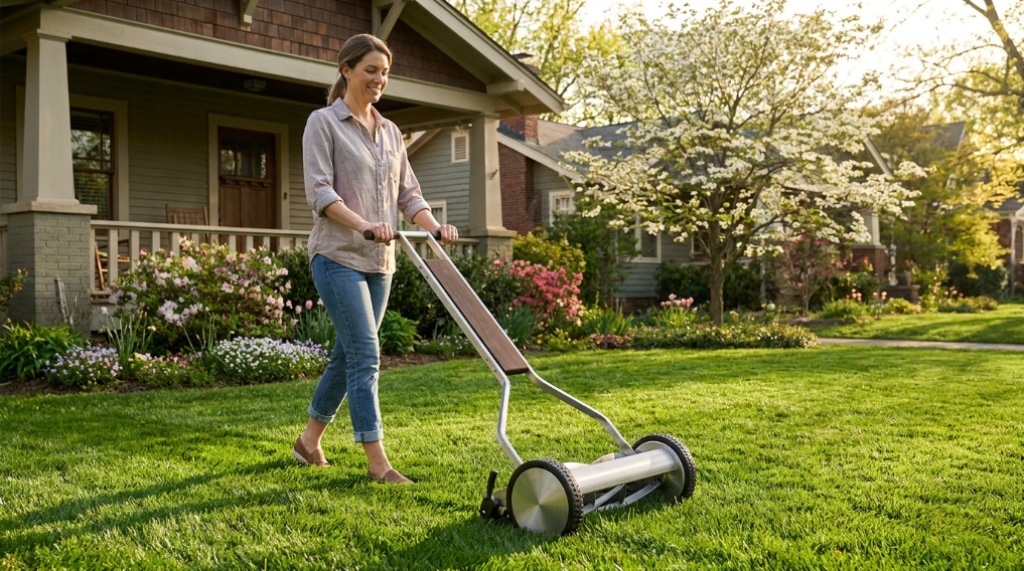
- Manual Reel Mowers: These classic, eco-friendly mowers are ideal for small, flat lawns (under 1/4 acre). They offer a clean, scissor-like cut that’s excellent for maintaining manicured turf. They’re quiet, require no fuel or electricity, and provide a decent workout. However, they struggle with tall or wet grass and require more physical effort.
- Self-Propelled Mowers (Gas or Electric): A significant upgrade for medium-sized lawns (1/4 to 1/2 acre) or those with slight inclines, self-propelled mowers do the pushing for you.
- Gas-Powered: Offer more power for thicker grass and larger areas, but they are noisier, require fuel, and involve more maintenance.
- Electric (Corded or Cordless): Quieter, lighter, and more environmentally friendly. Corded models offer unlimited runtime but are limited by cord length. Cordless (battery-powered) models provide freedom of movement but are limited by battery life and initial cost. Look for models with interchangeable batteries if you plan to invest in other battery-powered tools from the same brand.
-
Riding Lawn Mowers:
- Lawn Tractors: Best for large lawns (1/2 acre to 3 acres) with relatively open spaces. They resemble small tractors with a steering wheel and offer comfort for extended mowing sessions. Many lawn tractors can be fitted with attachments for various tasks like towing carts or spreading fertilizer, making them versatile year-round machines. They are generally more affordable than zero-turn mowers for larger properties.
- Zero-Turn Mowers: Designed for speed and exceptional maneuverability, zero-turn mowers are characterized by their ability to pivot 360 degrees, making them ideal for lawns with numerous obstacles like trees, flower beds, and intricate landscaping. They significantly reduce mowing time compared to lawn tractors but have a steeper learning curve and are typically more expensive. While not as versatile for attachments as lawn tractors, some models offer cargo beds for light hauling.
-
Robotic Lawn Mowers:
- These autonomous wonders are gaining popularity for small to medium-sized lawns (up to 1 acre). Once installed with boundary wires (or GPS for some advanced models), they mow your lawn independently, offering unparalleled convenience and a continuously manicured look. They are quiet, eco-friendly, and require minimal human intervention.
- Considerations: High initial cost, complex initial setup (boundary wires), can struggle with very tall or dense grass, and may require manual trimming for edges. Battery degradation over time is also a factor.
Key Mower Features to Consider:
- Cutting Width: A wider cutting deck covers more ground faster, ideal for larger lawns. Smaller decks offer better maneuverability in tight spaces.
- Cutting Height Adjustment: Look for easy-to-adjust mechanisms to customize your grass length.
- Mulching, Bagging, or Side Discharge:
- Mulching: Finely chops grass clippings and returns them to the lawn as natural fertilizer, promoting healthier turf.
- Bagging: Collects clippings for a cleaner look, but requires emptying.
- Side Discharge: Shoots clippings out the side, suitable for less formal lawns or very tall grass.
- Engine Power/Battery Life: Match power to your lawn’s size and grass type. For battery models, consider run time and charge time.
- Terrain: If you have slopes, look for mowers with good traction and stability (e.g., all-wheel drive for robotic mowers on inclines).
Beyond the Mower: Essential Lawn Care Companions

While the mower is the star, several other pieces of equipment are crucial for comprehensive lawn care.
-
String Trimmers (Weed Whackers) and Edgers:
- String Trimmer: Your go-to for cutting grass in areas your mower can’t reach, such as around trees, fences, garden beds, and along obstacles. They use a flexible nylon line to cut. Available in gas, corded electric, and cordless electric models. Gas trimmers are more powerful for heavy-duty use, while electric models are lighter and quieter.
- Lawn Edger: Creates crisp, defined lines between your lawn and sidewalks, driveways, or garden beds. Unlike a string trimmer, which can be used to edge by tilting it, a dedicated edger uses a rigid steel blade that cuts vertically into the soil for a precise, professional finish. If you prioritize sharp aesthetics, an edger is a worthwhile investment.
-
Leaf Blowers:
- Essential for clearing leaves, grass clippings, and other debris from your lawn, patios, and driveways.
- Handheld Blowers: Lightweight and maneuverable, ideal for smaller yards.
- Backpack Blowers: More powerful and comfortable for larger areas, distributing the weight across your back.
- Electric (Corded or Cordless) vs. Gas: Similar considerations as mowers – electric for quieter, lighter use, gas for more power and extended runtime.
-
Aerators and Dethatchers:
These tools address specific lawn health issues by improving air, water, and nutrient penetration.
- Lawn Aerator: Punches holes into the soil, typically removing small plugs of turf (core aerators) or simply pushing holes into the ground (spike aerators). Aeration is crucial for compacted soil, which can hinder root growth and water absorption. Best done in early spring or fall.
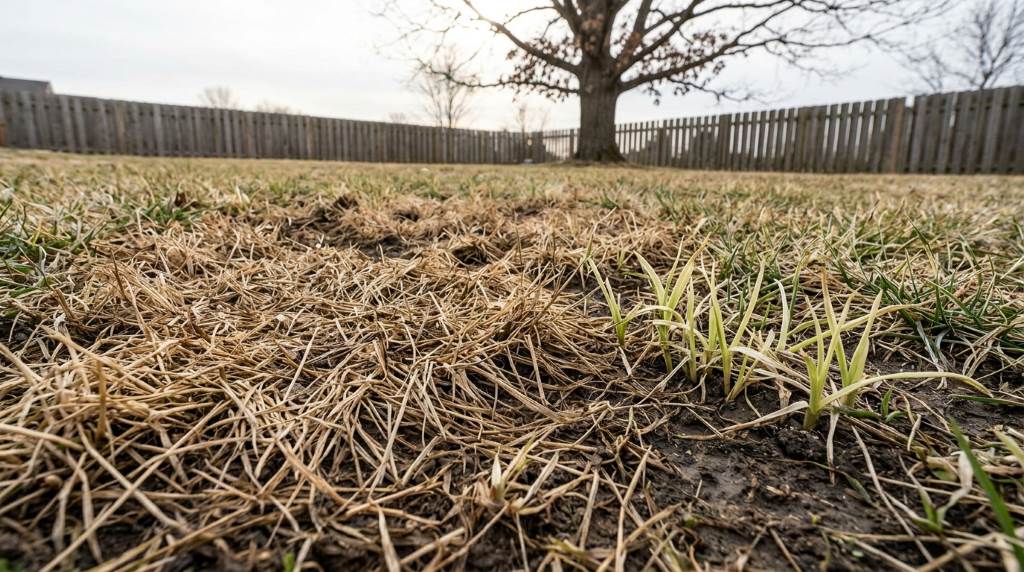
- Dethatcher (Verticutter/Scarifier): Removes thatch, a layer of dead grass, roots, and debris that accumulates between the soil and grass blades. A thick thatch layer (over 1/2 inch) can prevent water, air, and nutrients from reaching the soil, leading to unhealthy grass. Dethatching is also best done during the growing season (spring or fall) to allow the lawn to recover.
- Which to choose? If your soil is compacted (water puddles, grass struggles despite care), prioritize aeration. If you have a thick mat of dead grass preventing water from reaching the soil, dethatching is key. Often, doing both can provide significant benefits.
-
Spreaders and Sprayers:
For applying granular or liquid products to your lawn.
- Spreaders (for granular products like fertilizer, seed, pesticides):
- Broadcast Spreaders: Disperse product in a wide, fan-like pattern, efficient for large, open areas. Less precise, so care is needed around garden beds.
- Drop Spreaders: Drop product directly beneath the spreader, offering precise application for smaller areas or when you need to avoid specific zones.
- Handheld Spreaders: Convenient for very small areas or spot treatment.
- Sprayers (for liquid products like liquid fertilizers, weed killers, insecticides):
- Handheld Sprayers: Small, manual pump models for spot treatments or small areas.
- Backpack Sprayers: Larger capacity with shoulder straps, ideal for medium to large lawns.
- Tow-Behind or Push-Behind Sprayers: For very large properties, some are integrated with spreaders.
Other Useful Tools and Considerations:
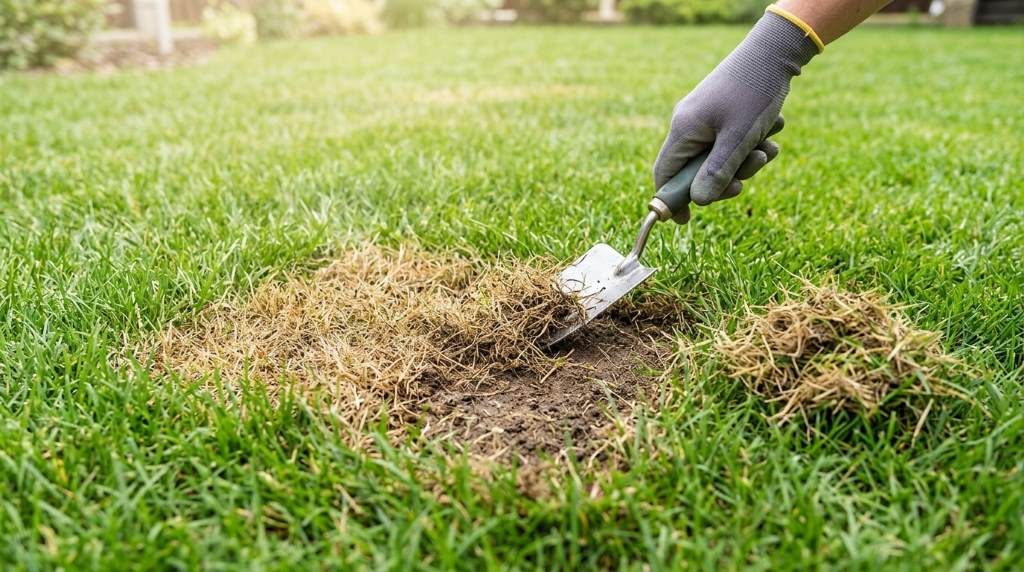
- Hand Tools: Don’t underestimate the power of basic hand tools. Rakes (leaf and garden), shovels, trowels, pruners, and garden shears are indispensable for various tasks.
- Hedge Trimmers: If you have hedges or shrubs, a powered hedge trimmer (electric or gas) will save immense time and effort compared to manual shears.
- Safety Gear: Always invest in appropriate safety gear, including gloves, eye protection, and hearing protection (especially for gas-powered equipment).
- Storage: Consider where you’ll store your equipment. Compact or foldable options are great for limited space.
- Budget: Determine your budget early on. While investing in quality equipment pays off in the long run, there are options available at various price points.
- Maintenance: Factor in the maintenance requirements of each tool. Gas-powered equipment generally needs more regular upkeep than electric or manual options. Regular cleaning, blade sharpening, and proper storage will extend the lifespan of your equipment.
Making the Final Decision: A Step-by-Step Approach
-
Assess Your Lawn:
- Size: Small (under 1/4 acre), Medium (1/4 to 1/2 acre), Large (1/2 acre to 3 acres+).
- Terrain: Flat, hilly, uneven, presence of obstacles (trees, flower beds).
- Grass Type: Some grasses are tougher to cut than others.
- Current Condition: Is it generally healthy, or does it have issues like compaction or thatch buildup?
-
Consider Your Lifestyle and Preferences:
- Time Commitment: How much time are you willing to dedicate to lawn care?
- Physical Effort: Are you looking for a workout or a more effortless experience?
- Environmental Impact: Do you prioritize eco-friendly options (electric/manual)?
- Noise Tolerance: Are quiet operations important to you and your neighbors?
- Budget: How much are you prepared to spend upfront and on ongoing maintenance (fuel, batteries, repairs)?
-
Prioritize Your Needs:
- Start with the essentials: a good lawn mower and a string trimmer.
- Then, identify specific problems your lawn faces (e.g., compacted soil, excessive thatch) to determine if you need specialized tools like aerators or dethatchers.
- Consider convenience items like leaf blowers or robotic mowers if your budget and preferences align.
-
Read Reviews and Compare Models:
- Once you have a shortlist, research specific models and brands.
- Look for reviews from other homeowners with similar lawn characteristics.
- Compare features, warranties, and after-sales service.
-
Think Long-Term:
- Investing in durable, high-quality equipment will generally save you money on repairs and replacements.
- Consider battery platforms if you opt for cordless tools; a single battery system for multiple tools can be a significant advantage.
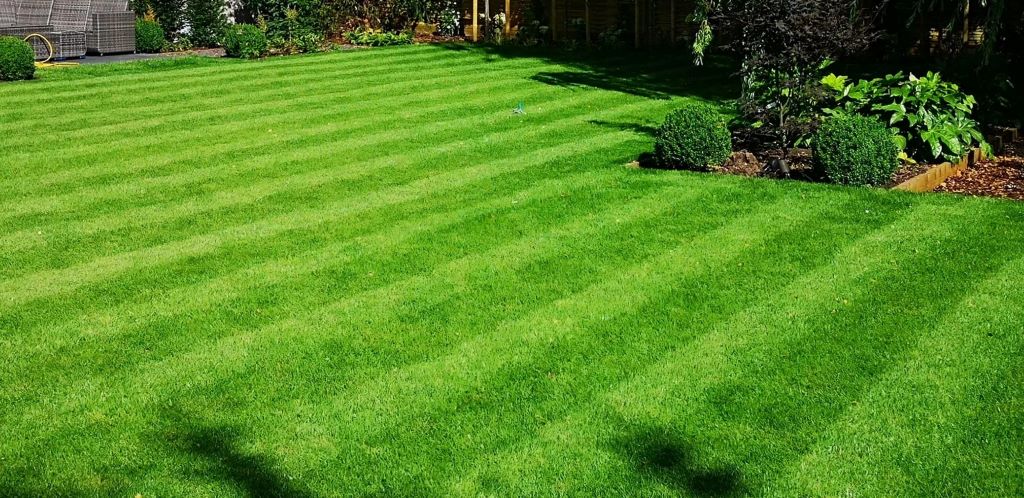
Choosing the right lawn care equipment is an investment in your home’s curb appeal and your own enjoyment of a beautiful outdoor space. By carefully evaluating your needs and understanding the options available, you can confidently select the tools that will transform your lawn care routine from a chore into a satisfying endeavor, leaving you with a perfectly manicured, healthy lawn you’ll be proud of.
Read More: