
A perfect lawn isn’t just a symbol of pride anymore—it’s a lifestyle choice. With the evolution of landscaping tools and eco-conscious trends, 2025 brings a fresh wave of advanced lawn care equipment that empowers homeowners to maintain pristine, healthy yards with less effort. From smart technology to battery-powered efficiency, here’s a definitive guide on the top lawn care equipment every homeowner should have in 2025.
1. Robotic Lawn Mowers: Mow Smarter, Not Harder
Robotic mowers have taken the market by storm. According to a report by MarketsandMarkets, the robotic lawn mower market is projected to reach $3.6 billion by 2025. These self-operating devices use GPS and smart sensors to navigate yards autonomously. Brands like Husqvarna and Worx offer models that can tackle sloped terrains and avoid obstacles.
Homeowners are choosing robotic mowers for their convenience and environmental benefits. These machines run on lithium-ion batteries, reducing emissions and noise pollution. Some models even connect to your smartphone, enabling remote scheduling and real-time monitoring.
2. Battery-Powered Lawn Mowers: Quiet Powerhouses
Gas-powered mowers are being pushed aside by battery-operated alternatives. Today’s top battery mowers—like the EGO Power+ Select Cut—deliver torque equivalent to gas without the mess or maintenance. In fact, a study from the California Air Resources Board states that using a gas lawn mower for one hour produces as much smog-forming pollution as driving a car 300 miles.
Battery mowers offer up to 90 minutes of runtime, fast charging, and interchangeable batteries with other tools. For eco-conscious homeowners, they provide a sustainable and cost-effective option for regular mowing.
3. Smart Irrigation Systems: Water with Precision
Water waste is a serious concern. The EPA estimates that over 50% of outdoor water use is lost to wind, evaporation, or runoff. Smart irrigation systems like Rachio 3 and RainMachine solve this issue by using local weather data, soil sensors, and scheduled watering to optimize consumption.
These systems prevent overwatering, protect lawns from drought, and save homeowners hundreds on their water bills annually. Paired with a mobile app, users can adjust watering times based on rainfall, season, and grass type.
4. Electric String Trimmers: Tidy Edges, Zero Emissions
Perfecting the lawn means nailing the details. That’s where string trimmers step in. New-generation electric trimmers are lightweight, quiet, and emission-free. The Ryobi ONE+ 18V or Milwaukee M18 models are standout choices in 2025.
They’re ideal for edging sidewalks, trimming around garden beds, and maintaining fence lines. Compared to gas options, electric trimmers reduce vibration and require minimal upkeep—no more mixing fuel or replacing spark plugs.
5. Leaf Blowers with Variable Speed: Control in Your Hands
Messy lawns don’t just look bad—they suffocate grass and invite pests. High-performance electric blowers now come with variable speed triggers, allowing precise control over airflow. The DeWalt 60V Max and EGO LB6504 dominate the 2025 scene with wind speeds over 125 MPH and extended battery life.
They’re also quieter, safer for ears, and better for the environment. Whether clearing leaves, grass clippings, or debris, these tools get the job done efficiently.
6. Soil Test Kits: Know Before You Grow
Healthy lawns start beneath the surface. Soil testing kits have become essential for modern lawn care. Kits like the MySoil Test or Luster Leaf 1601 provide detailed insights into pH, nutrient levels, and soil composition.
These kits help homeowners choose the right fertilizers and avoid costly trial-and-error. A recent LawnStarter survey found that lawns treated based on soil test results showed 30% better growth than untargeted treatments.
7. Lawn Aerators: Breathe Life Into Your Grass
Compacted soil blocks nutrients and water. Aerators fix that by perforating the soil, allowing air, water, and fertilizer to reach grass roots. Whether you choose a manual spike tool or a plug aerator, this equipment is critical for lawn health.
In 2025, brands like Agri-Fab and Brinly offer tow-behind models for large yards and ergonomic manual options for smaller areas. Annual aeration improves grass density and resilience, especially after heavy foot traffic or winter frost.
8. Mulching Lawn Mowers: Nourish While You Cut
Mulching mowers chop grass into fine clippings and redistribute them as natural fertilizer. This not only saves time and effort but also reduces the need for synthetic fertilizers. According to the University of Illinois Extension, mulching can return up to 25% of a lawn’s nitrogen needs annually.
Look for mowers with high-lift blades and closed decks for optimal mulching. The Honda HRX217 and Toro Recycler series remain strong contenders in this space.
9. Weed Pullers and Manual Tools: Go Back to Basics
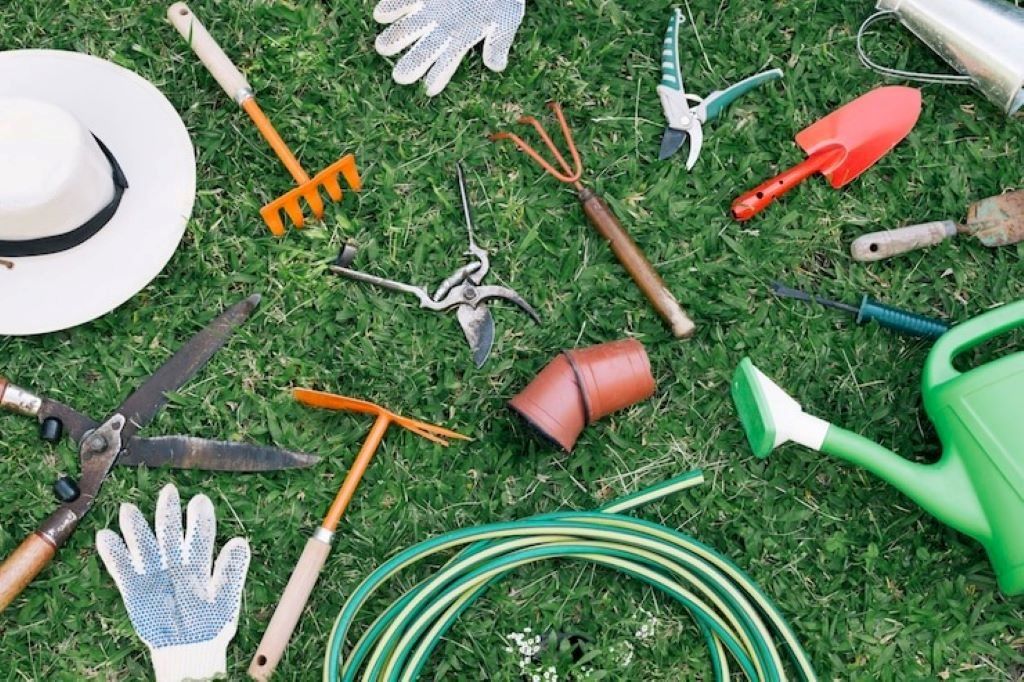
Not everything needs to be high-tech. A solid set of hand tools—like weed pullers, rakes, and shears—remains essential. Fiskars and Radius Garden tools continue to innovate ergonomically designed products that reduce strain and increase efficiency.
Hand-pulling weeds is safer for pets and kids than using herbicides. Plus, it offers immediate results without waiting for chemicals to take effect.
10. Lawn Care Apps: Your Digital Assistant
Apps like Sunday, Lawn Journal, and Yard Mastery help homeowners plan treatments, track growth, and receive seasonal tips. These apps integrate weather forecasts, soil test data, and fertilization schedules.
By combining smart data with physical tools, users can achieve professional-grade results without hiring landscapers. With a growing number of DIY enthusiasts, these apps are shaping the future of lawn care.
Read More: Master Your Mowing: How to Choose the Right Lawn Care Equipment for a Pristine Yard
FAQs
1. What is the best robotic lawn mower in 2025?
The Husqvarna Automower 450X stands out for large yards, smart navigation, and weather adaptability.
2. Are battery-powered tools better than gas-powered ones?
Yes. They’re quieter, eco-friendly, and require less maintenance while delivering comparable performance.
3. How often should I aerate my lawn?
Once a year, preferably in the fall or spring, depending on your grass type and climate.
4. Can smart irrigation save money?
Absolutely. Smart systems can cut water bills by up to 50% annually by preventing overwatering.
5. Do I still need manual tools in 2025?
Yes. Despite tech advances, hand tools are crucial for precision work and non-chemical weed control.
6. How do I test my soil at home?
Use DIY kits like MySoil or send samples to a lab for professional analysis. Follow the included instructions for best results.
7. Is mulching better than bagging grass clippings?
Yes. Mulching returns nutrients to the soil, improves moisture retention, and reduces landfill waste.
Final Thought
Maintaining a stunning lawn in 2025 no longer demands endless hours of labor. Thanks to cutting-edge tools and smart integrations, homeowners can achieve professional results faster, cheaper, and more sustainably than ever before. The top lawn care equipment every homeowner should have in 2025 reflects a broader shift toward automation, eco-awareness, and data-driven decisions. Equip yourself with these modern essentials, and your lawn will thank you every season.
Read More: Best Lawn Care Equipment for Homeowners in 2025: Your Ultimate Guide to a Perfect Yard