
A pristine lawn is a source of pride for any homeowner. But as seasons change, especially in autumn, falling leaves can quickly turn that manicured greenery into a messy, slippery, and nutrient-deprived landscape. While raking remains a classic method, the modern homeowner knows that for efficiency and ease, a leaf blower is an indispensable tool. But with a dizzying array of options – gas, electric, cordless, handheld, backpack – how do you choose the best leaf blower for your quick lawn clean-up needs?
This comprehensive guide will walk you through everything you need to know to make an informed decision, ensuring you find the perfect leaf blower to keep your yard immaculate with minimal effort.
Understanding the Basics: CFM vs. MPH
Before diving into specific models, let’s demystify the two most crucial metrics for leaf blowers: CFM and MPH.
- CFM (Cubic Feet per Minute): This measures the volume of air the blower moves per minute. Think of it as how much “stuff” the blower can push at once. A higher CFM means the blower can clear a larger area or a bigger pile of leaves more efficiently. For instance, a blower with 600 CFM and 120 MPH is excellent for sweeping dry leaves across a wide lawn.
- MPH (Miles Per Hour): This indicates the speed of the air exiting the nozzle. It signifies the force with which the air is pushed. A higher MPH is crucial for dislodging wet, heavy, or stubborn debris that might be stuck to surfaces. A blower with 250 CFM and 200 MPH, while moving less volume, will have a more concentrated, forceful stream, ideal for blasting away wet leaves from corners.
The Ideal Scenario: For optimal performance, you want a balance of both high CFM and high MPH. However, if you have to choose, prioritize CFM for large areas with dry leaves, and MPH for tackling wet or compacted debris. For most homeowners, a blower with 300-500 CFM and 100-150 MPH is usually sufficient for regular yard work. Larger properties or heavy-duty tasks might require 400-700 CFM and 150-200+ MPH.
Types of Leaf Blowers: Finding Your Match
Leaf blowers come in three primary types, each with its own advantages and disadvantages:
-
Gas-Powered Leaf Blowers
Pros:
- Maximum Power: Gas blowers generally offer the highest power output (high CFM and MPH), making them ideal for large properties, heavy debris, and professional use.
- Unlimited Mobility: No cords to restrict your movement, allowing you to cover vast areas without interruption.
- Long Runtime: As long as you have fuel, you can keep working.
Cons:
- Noise and Emissions: They are significantly louder than electric models, often requiring ear protection, and produce exhaust fumes, making them less environmentally friendly.
- Maintenance: Require regular maintenance, including fuel mixing (for 2-stroke engines), spark plug checks, and air filter cleaning.
- Weight: Tend to be heavier due to the engine and fuel tank, which can lead to user fatigue during prolonged use.
- Starting: Can be more challenging to start, often requiring priming, choking, and pull-starting.
Best for: Large yards (over half an acre), properties with abundant trees, heavy-duty leaf removal, and commercial landscaping.
-
Corded Electric Leaf Blowers
Pros:
- Lightweight and Easy to Use: No fuel or heavy batteries, making them comfortable to handle for extended periods.
- Unlimited Runtime: As long as you’re plugged into an outlet, you have continuous power.
- Quieter Operation: Generally much quieter than gas models, making them more suitable for suburban areas.
- Lower Maintenance: Minimal upkeep compared to gas blowers.
- Affordable: Often the most budget-friendly option upfront.
Cons:
- Limited Mobility: Restricted by the length of the extension cord, which can be inconvenient for larger yards or areas far from an outlet.
- Power Limitations: While powerful enough for most residential tasks, they typically don’t match the sheer force of high-end gas or battery blowers for very heavy debris.
Best for: Small to medium-sized yards, patios, driveways, and areas within easy reach of an outdoor power outlet.
-
Cordless (Battery-Powered) Leaf Blowers
Pros:
- Excellent Portability: Offer the freedom of gas blowers without the emissions or noise.
- Low Maintenance: Require minimal upkeep, primarily battery charging.
- Quiet and Eco-Friendly: Significantly quieter than gas models and produce zero direct emissions.
- Easy Start: Simply insert the battery and press a button.
- Lightweight: Generally lighter than gas models, making them easy to maneuver.
Cons:
- Limited Runtime: Battery life can be a significant factor, especially for larger yards. You might need multiple batteries or a larger capacity battery for extended use.
- Power Varies: While advancements in battery technology have made them increasingly powerful, some models may not match the brute force of top-tier gas blowers.
- Battery Cost: The initial cost can be higher, especially if you need to purchase additional batteries and a charger.
Best for: Small to medium-sized yards, quick clean-ups, and homeowners who prioritize convenience, quiet operation, and environmental friendliness.
Key Features to Look For:
Beyond the type of power, several features can significantly impact your leaf blower experience:
- Variable Speed Settings: This allows you to adjust the airflow for different tasks. A lower setting is great for delicate areas like flower beds, while a higher setting tackles stubborn debris.
- Ergonomics and Weight: A comfortable grip, balanced design, and reasonable weight are crucial, especially for handheld models. For backpack blowers, look for padded straps and a comfortable harness.
- Noise Level (Decibels – dB): If you have close neighbors, a quieter model is a courteous choice. Battery-powered and electric models are generally quieter than gas.
- Blower/Vacuum/Mulcher Functionality: Some models double as vacuums, sucking up leaves into a bag, and then mulching them to reduce volume. This is a fantastic feature for composting or easier disposal. Look for a good mulching ratio (e.g., 10:1 means 10 bags of leaves are reduced to 1 bag of mulch).
- Nozzle Attachments: Different nozzles can optimize airflow for various tasks. A wider nozzle is good for general sweeping, while a narrower, tapered nozzle increases air speed for stubborn debris.
- Battery Voltage and Amp-Hours (for Cordless): Higher voltage (e.g., 36V, 40V, 56V, 80V) generally indicates more power, while higher amp-hours (Ah) mean longer runtime. Consider getting a spare battery if you have a larger yard.
- Ease of Maintenance: Look for easy access to filters (for gas models) and simple battery charging (for cordless models).
- Durability and Build Quality: A well-built leaf blower will last longer and withstand the rigors of outdoor use.
Top Recommendations for Quick Lawn Clean-Up:
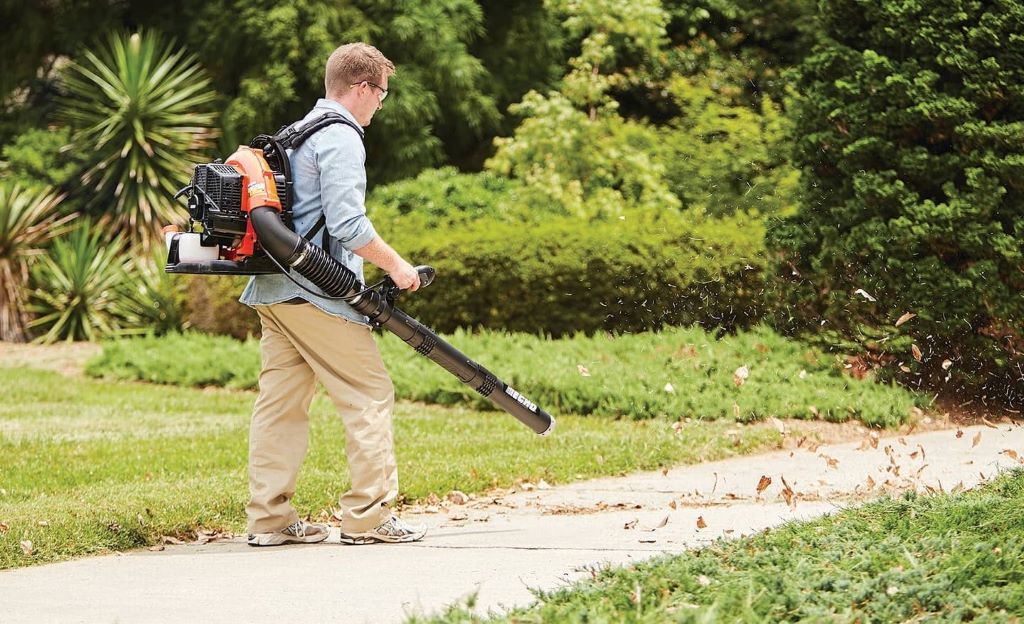
While the “best” leaf blower depends on your specific needs, here are some highly-rated and popular options across different categories that excel at quick lawn clean-ups:
For Cordless Convenience & Quiet Operation:
- EGO Power+ LB7654 765 CFM (Cordless): Often cited as one of the most powerful cordless options, this model offers impressive CFM and MPH, making it suitable for larger residential yards. Its turbo button provides an extra burst of power for tough spots.
- Greenworks Pro 80V 730 CFM (Cordless): A strong contender with high power and impressive runtime, often rivaling gas blowers in performance. Greenworks also offers backpack versions for better weight distribution.
- Ryobi 40V HP Brushless (Cordless): Known for its balance of power, quiet operation, and a range of compatible tools within the Ryobi ONE+ system.
- Husqvarna 350iB (Cordless): Offers excellent variable speed controls and impressive moving capabilities, providing a great balance of power and manageable weight.
For Raw Power (Gas):
- Husqvarna 125BVx (Gas): A popular 3-in-1 gas-powered handheld model that blows, vacuums, and mulches, offering solid power for diverse tasks.
- STIHL BR 800 C-E Magnum (Gas Backpack): While on the higher end of the power spectrum (and likely price), this is a professional-grade backpack blower for those with extensive properties and serious leaf problems.
For Budget-Friendly Electric (Corded):
- Toro PowerJet F700 (Corded Electric): Offers exceptional CFM for its price, making it a powerful choice for larger yards where cord mobility isn’t a major issue.
- WORX WG520 Turbine 600 (Corded Electric): Known for its turbine fan technology, providing strong airflow at an affordable price.
Smart Leaf Removal Strategies:
Owning the best leaf blower is just one part of the equation. Employing smart strategies will further streamline your clean-up process:
- Work in Sections: Divide your lawn into manageable sections. Start from the edges and blow leaves inward towards a central collection point.
- Work with the Wind: Whenever possible, use the wind to your advantage. Blow leaves in the direction the wind is moving them to minimize effort.
- Clear Hard Surfaces First: Tackle driveways, patios, and walkways before moving to the lawn. This prevents leaves from being blown back onto clean areas.
- Use Tarps: For large piles, blow leaves onto a tarp. This makes it incredibly easy to gather and transport them to your compost pile or disposal area.
- Mulch as You Go: If your leaf blower has a mulching function, use it! Mulched leaves decompose faster, are easier to bag, and can be used as a valuable natural fertilizer for your garden. Many lawn mowers also have mulching capabilities that can effectively break down leaves on the lawn.
- Don’t Wait Too Long: Address leaf build-up regularly. Large, wet, compacted piles are much harder to move than dry, freshly fallen leaves.
- Safety First: Always wear appropriate personal protective equipment (PPE) including eye protection, hearing protection (especially with gas blowers), and sturdy footwear.
Essential Tools for Lawn Maintenance: Reviews, Solutions, Pros and Cons, and FAQs
Conclusion: Your Lawn, Your Choice
Choosing the best leaf blower for quick lawn clean-up boils down to understanding your yard’s size, the type and volume of debris you typically encounter, your budget, and your personal preferences for power source, noise, and maintenance.
Whether you opt for the raw power of gas, the limitless convenience of a corded electric, or the quiet, portable efficiency of a battery-powered model, investing in a quality leaf blower will transform your fall clean-up routine from a dreaded chore into a satisfyingly swift task. By considering CFM, MPH, and the features that matter most to you, you’ll find the perfect tool to keep your lawn looking its absolute best, quickly and effortlessly.
Read More:
Greener Pastures Ahead: Your Comprehensive Guide to Installing a Residential Lawn Sprinkler System