
Imagine spending a sunny afternoon perfecting your lawn, only to have your mower sputter to a halt or your trimmer refuse to start. Frustrating, right? Proper lawn equipment maintenance can prevent these headaches, save you money, and keep your tools running smoothly for years. Whether you’re a weekend gardener or a landscaping pro, maintaining your lawn tools ensures they perform at their best while extending their lifespan. In this comprehensive guide, we’ll share expert lawn equipment maintenance tips to help you keep your tools in top shape, avoid costly repairs, and achieve a pristine yard every time.
Why Lawn Equipment Maintenance Matters
Maintaining lawn equipment isn’t just about keeping your tools functional—it’s about maximizing their efficiency, safety, and longevity. Regular upkeep reduces wear and tear, prevents unexpected breakdowns, and ensures your tools are ready when you need them. Neglecting maintenance can lead to reduced performance, higher fuel consumption, and even safety hazards like blade malfunctions or engine fires. By investing a little time in routine care, you can avoid expensive replacements and keep your lawn looking its best.
Benefits of Proper Maintenance
- Extended Tool Life: Regular care prevents premature wear, saving you from frequent replacements.
- Cost Savings: Routine maintenance is cheaper than repairs or new equipment.
- Improved Performance: Well-maintained tools cut cleaner, run smoother, and use less fuel.
- Safety: Properly maintained equipment reduces the risk of accidents caused by faulty parts.
Essential Lawn Equipment Maintenance Tips
To keep your lawn tools—mowers, trimmers, blowers, and more—in peak condition, follow these practical maintenance tips. We’ve organized them by tool type and maintenance task for easy reference.
-
Lawn Mower Maintenance
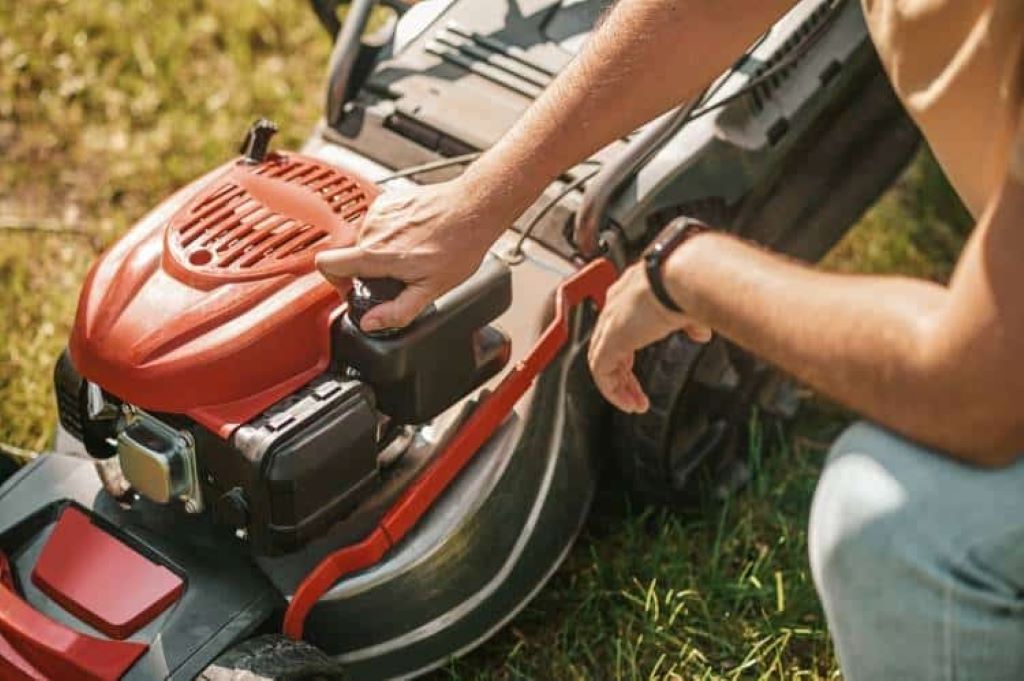
Your lawn mower is the workhorse of your yard, so it deserves extra attention. Whether you own a gas-powered, electric, or push mower, these steps will keep it running efficiently.
Clean the Mower Deck
Grass clippings, dirt, and debris can build up under the mower deck, reducing cutting efficiency and causing rust. After each use:
- Disconnect the spark plug (for gas mowers) or battery (for electric mowers) for safety.
- Scrape off debris with a putty knife or wire brush.
- Hose down the deck, avoiding the engine or electrical components.
- Dry thoroughly to prevent corrosion.
Sharpen the Blades
Dull blades tear grass rather than cut it, leading to an uneven lawn and increased strain on the engine. Sharpen mower blades at least twice per season:
- Remove the blade following the manufacturer’s instructions.
- Use a bench grinder or file to sharpen at a 45-degree angle.
- Balance the blade using a blade balancer to prevent vibrations.
- Reinstall securely.
Change the Oil and Filters
For gas-powered mowers, regular oil changes and filter replacements are critical:
- Oil: Check the oil level before each use and change it every 25–50 hours or annually, using the recommended oil type (usually SAE 30 or 10W-30).
- Air Filter: Clean or replace the air filter every season to ensure proper airflow.
- Fuel Filter: Replace annually to prevent clogs and maintain fuel efficiency.
Store Properly
Improper storage can damage your mower over time. At the end of the season:
- Drain the fuel tank or add a fuel stabilizer to prevent gum buildup.
- Store in a dry, covered area to protect against moisture and rust.
- For electric mowers, remove and store batteries in a cool, dry place.
-
String Trimmer and Edger Care
String trimmers and edgers are essential for precision work, but their small engines and moving parts require regular attention.
Inspect and Replace Trimmer Line
Worn or tangled trimmer line reduces cutting power. Check the line regularly and replace it when it’s frayed or too short:
- Choose the correct line size for your trimmer model.
- Rewind the spool evenly to prevent jams.
- For heavy-duty jobs, consider upgrading to a thicker or serrated line.
Clean the Air Intake and Cooling Fins
Overheating is a common issue with gas-powered trimmers. Keep the air intake and cooling fins clear:
- Use a soft brush to remove grass and debris.
- Check the air filter monthly and clean or replace it as needed.
Lubricate Moving Parts
Friction can wear down trimmer components. Apply a light machine oil to pivot points and other moving parts every few uses to reduce wear.
-
Leaf Blower Maintenance
Leaf blowers make yard cleanup a breeze, but they need care to stay effective.
Check and Clean the Impeller
A clogged impeller reduces blowing power. Inspect it monthly:
- Remove the housing and clear debris with a brush.
- Check for cracks or damage and replace if necessary.
Maintain the Fuel System
For gas blowers, old fuel can cause starting issues:
- Use fresh fuel with the correct oil mix (for two-stroke engines).
- Drain the tank or use a stabilizer during off-season storage.
Inspect the Spark Plug
A fouled spark plug can prevent your blower from starting. Check it every season:
- Remove and inspect for carbon buildup or wear.
- Clean with a wire brush or replace if damaged.
-
Chainsaw and Hedge Trimmer Upkeep
Chainsaws and hedge trimmers are powerful tools that require careful maintenance to stay safe and effective.
Sharpen the Chain or Blades
A dull chain or blade makes cutting harder and increases kickback risks:
- For chainsaws, use a round file to sharpen each tooth at the correct angle (usually 30 degrees).
- For hedge trimmers, use a flat file to sharpen both sides of the blades.
- Always wear gloves and follow safety guidelines.
Tighten Loose Parts
Vibrations can loosen bolts and screws. Check and tighten all fasteners before each use to prevent damage or injury.
Lubricate the Chain
Chainsaws need bar and chain oil to reduce friction. Check the oil reservoir before each use and refill with the recommended oil type.
-
General Maintenance Tips for All Lawn Tools
These universal tips apply to all lawn equipment, ensuring consistent performance and durability.
Follow the Manufacturer’s Manual
Your equipment’s manual is your best resource for model-specific maintenance schedules, fluid types, and safety tips. Keep it handy and follow its recommendations.
Use High-Quality Fuel and Lubricants
Low-quality fuel or oil can damage engines and reduce efficiency. Always use:
- Fresh, high-octane gas for gas-powered tools.
- Manufacturer-recommended oils and lubricants.
- Ethanol-free fuel when possible to prevent engine damage.
Inspect Cords and Batteries
For electric tools, check power cords for fraying or cuts. For battery-powered tools:
- Charge batteries fully before storage.
- Avoid exposing batteries to extreme temperatures.
- Replace batteries showing signs of reduced runtime.
Schedule Professional Servicing
While DIY maintenance covers most needs, a professional tune-up every 1–2 years can catch issues you might miss, especially for complex tools like gas mowers or chainsaws.
Seasonal Maintenance Checklist
To make maintenance easier, follow this seasonal checklist:
- Spring: Sharpen blades, change oil, replace filters, and inspect all tools before heavy use.
- Summer: Clean equipment after each use, check fuel levels, and monitor for wear.
- Fall: Perform deep cleaning, sharpen blades, and prepare tools for storage.
- Winter: Store tools properly, drain fuel, and remove batteries.
Common Mistakes to Avoid
Even with good intentions, these common errors can shorten your equipment’s lifespan:
- Ignoring Small Issues: A strange noise or minor leak can signal bigger problems. Address issues promptly.
- Using Incorrect Parts: Always use manufacturer-approved replacement parts to avoid damage.
- Skipping Regular Cleaning: Debris buildup can cause rust and reduce performance.
- Improper Storage: Exposure to moisture or extreme temperatures can ruin tools.
FAQs About Lawn Equipment Maintenance
How often should I sharpen my lawn mower blades?
Sharpen blades at least twice per season or every 20–25 hours of use for optimal cutting performance.
Can I use regular gas in my lawn tools?
Use fresh, high-octane, ethanol-free gas when possible to prevent engine damage and improve performance.
How do I know if my tool needs professional servicing?
If you notice persistent starting issues, unusual noises, or reduced performance despite regular maintenance, it’s time to consult a professional.
What’s the best way to store battery-powered tools?
Remove batteries, charge them to 50–70 %
, and store them in a cool, dry place away from extreme temperatures.
Conclusion: Keep Your Lawn Tools Thriving
Proper lawn equipment maintenance is the key to a healthy yard and long-lasting tools. By following these expert tips—cleaning regularly, sharpening blades, using quality fuel, and storing tools properly—you can extend the life of your equipment, save money, and enjoy a pristine lawn all season long. Start implementing these maintenance practices today, and your tools will thank you with years of reliable performance.
Call to Action: Ready to take your lawn care to the next level? Create a maintenance schedule for your tools and stick to it! Share your favorite lawn equipment maintenance tips in the comments below, or check out our other lawn care guides for more ways to keep your yard looking its best.
Read More:
Essential Lawn Maintenance Tools Every Homeowner Needs
Greener Pastures Ahead: Your Comprehensive Guide to Installing a Residential Lawn Sprinkler System