
-
The Mighty Mower: The Heart of Your Lawn
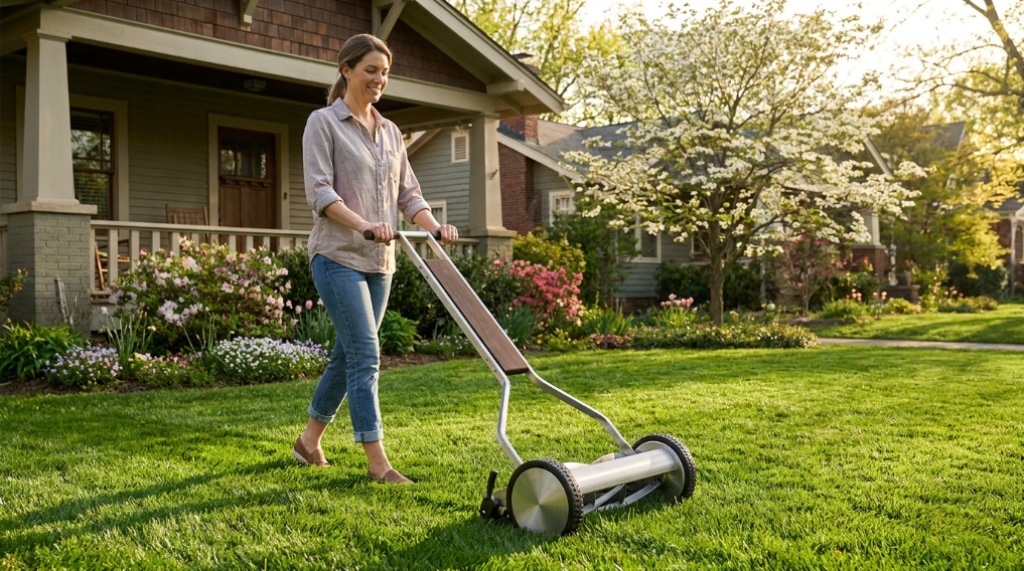
No lawn care discussion is complete without the lawn mower, the undisputed king of turf maintenance. It’s the primary tool for keeping your grass at the ideal height, promoting dense growth and a uniform appearance.
Types of Lawn Mowers:
- Gas Mowers: Best for larger lawns and thicker grass, offering superior power and mobility. They require more maintenance (fuel, oil changes, spark plugs) and produce emissions.
- Electric (Corded) Mowers: Lightweight, quieter, and eco-friendly. Ideal for smaller to medium-sized lawns where an outlet is easily accessible. The cord can be a hindrance.
- Battery-Powered (Cordless) Mowers: Offer the best of both worlds – mobility of gas with the quietness and eco-friendliness of electric. Battery life and power can vary, making them suitable for various lawn sizes depending on the model.
- Robotic Mowers: The ultimate in convenience, these autonomous machines silently maintain your lawn on a schedule. Best for flat, relatively simple lawns. High initial cost.
Key Features to Look For:
- Deck Size: Determines how wide a strip of grass is cut in one pass. Larger decks are faster for big lawns.
- Power: Measured in engine displacement (cc) for gas or voltage (V) for electric/battery. More power handles tougher grass.
- Self-Propelled: A huge back-saver, especially on sloped or large lawns, as the mower moves itself.
- Cutting Height Adjustment: Essential for adapting to different grass types and seasons.
- Mulching Capability: Returns fine grass clippings to the lawn, acting as natural fertilizer.
Maintenance Tips: Regularly clean the mowing deck, sharpen blades annually, check oil levels (for gas mowers), and replace spark plugs and air filters as needed.
-
The Precision Partner: String Trimmer (Weed Whacker)
While your mower handles the expansive areas, a string trimmer, also known as a weed whacker, is your go-to for those hard-to-reach spots. It delivers a clean finish around obstacles, fences, garden beds, and edges that your mower simply can’t touch.
Types of String Trimmers:
- Electric (Corded) Trimmers: Lightweight and easy to use, with unlimited runtime. Best for smaller yards near an outdoor outlet.
- Battery-Powered (Cordless) Trimmers: Excellent mobility and quiet operation. Ideal for medium-sized yards. Battery life is a consideration.
- Gas Trimmers: Most powerful, designed for heavy-duty trimming and larger properties. Require more maintenance and produce emissions.
Features to Consider:
- Head Type: Bump-feed (tap to release line) or automatic feed.
- Line Thickness: Thicker lines (e.g., 3mm) handle coarser weeds better.
- Shaft Type: Curved shafts are lighter and good for close work; straight shafts offer more reach.
- Edging Capability: Some models allow the head to pivot for precise edging.
Safety and Usage Tips: Always wear eye protection. Keep the string clear of hard surfaces to prevent premature wear.
-
The Clearing Champion: Leaf Blower
For quickly clearing leaves, grass clippings, and other debris from pathways, driveways, and flowerbeds, a leaf blower is indispensable. It saves immense time compared to raking and is fantastic for a final tidy-up.
Types of Leaf Blowers:
- Handheld Blowers: Lightweight and compact, suitable for smaller yards and quick cleanups.
- Backpack Blowers: More powerful, designed for larger properties and heavy-duty tasks. The weight is distributed, making them more comfortable for extended use.
- Electric (Corded) Blowers: Quiet, lightweight, and emission-free. Limited by cord length.
- Battery-Powered (Cordless) Blowers: Offer good mobility and quietness, suitable for medium-sized jobs.
- Gas Blowers: Provide the most power and runtime, ideal for commercial use or very large properties.
Key Features:
- CFM (Cubic Feet Per Minute) & MPH (Miles Per Hour): Higher numbers indicate more air volume and speed, leading to more effective blowing.
- Variable Speed Control: Allows you to adjust power for different tasks.
- Noise Level: Measured in decibels (dB). Consider quieter models if noise is a concern for you or your neighbors.
Beyond Leaves: Use your leaf blower to clear light snow, dry wet surfaces, and clean out garage corners.
-
The Definition Creator: Lawn Edger
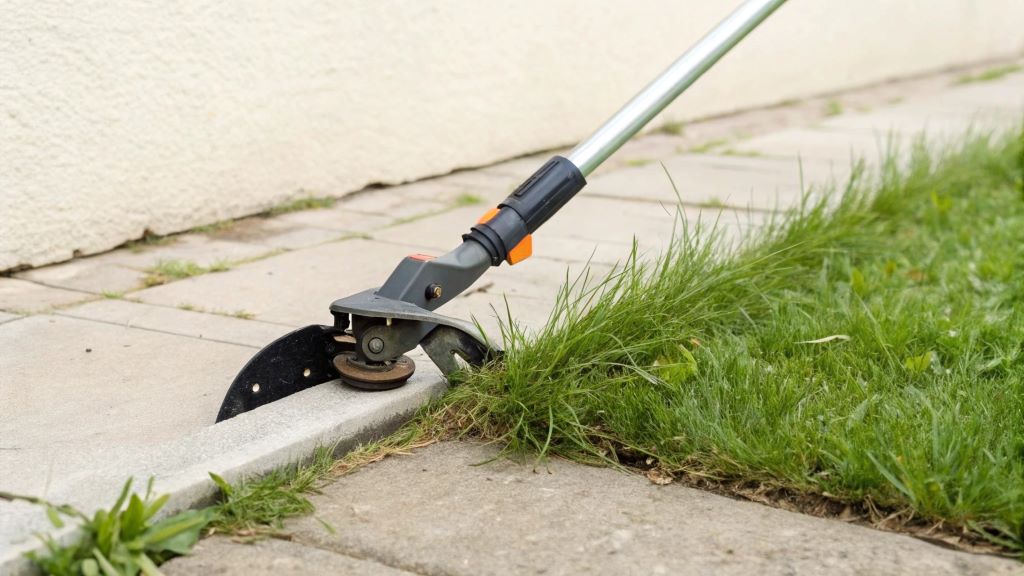
For that truly polished, professional look, a dedicated lawn edger is a game-changer. It creates sharp, clean lines along sidewalks, driveways, and garden beds, neatly separating your lawn from other areas. While a string trimmer can do some edging, a true edger offers unparalleled precision.
Types of Edgers:
- Manual Edgers: Simple, no-power required tools that rely on your strength. Good for small areas or maintaining existing edges.
- Motorized Edgers (Gas, Electric, Battery): Provide power for effortless, consistent edging, especially for longer stretches or creating new edges.
- Stick Edgers: Similar to string trimmers but with a blade for precise cuts.
- Walk-Behind Edgers: Resemble small mowers, offering great stability and power for large-scale edging.
Benefits of a Defined Edge: Beyond aesthetics, a well-defined edge prevents grass from encroaching on paved areas or garden beds, making maintenance easier in the long run.
-
The Even Distributor: Spreader
For applying seeds, fertilizer, granular pest control, or winterizing agents evenly across your lawn, a spreader is essential. Uneven application can lead to patchy growth, burnt spots, or wasted product.
Types of Spreaders:
- Broadcast Spreaders: Ideal for larger lawns, they distribute material in a wide, circular pattern. Faster coverage.
- Drop Spreaders: More precise, they drop material directly below the hopper in a controlled line. Best for smaller areas or when you need to avoid spreading material onto specific zones (e.g., flower beds).
Key Considerations:
- Hopper Capacity: How much material it can hold.
- Spread Width: For broadcast spreaders.
- Adjustable Settings: For different types and sizes of granular materials.
Tips: Always calibrate your spreader according to the product instructions to ensure even coverage. Walk at a consistent pace to avoid over or under-application.
-
The Soil Revitalizer: Aerator
Over time, foot traffic, heavy rainfall, and even mowing can compact your lawn’s soil. Compacted soil hinders water, air, and nutrient penetration, suffocating grassroots. An aerator creates small holes in the soil, allowing these essential elements to reach the root zone, leading to a healthier, more vibrant lawn.
Types of Aerators:
- Spike Aerators: Simply poke holes in the soil with solid tines. Less effective for severe compaction, but good for light aeration.
- Core Aerators: Remove small plugs (cores) of soil, providing superior aeration and relieving compaction more effectively. These are often available for rent.
- Manual Aerators: Handheld tools for small, targeted areas.
- Tow-Behind Aerators: For larger properties, attached to a riding mower or ATV.
When and How to Use: Aeration is typically done during the growing season when the grass can quickly recover, usually in spring or early fall. For best results, aerate when the soil is moist.
-
The Versatile Workhorse: Rake
Don’t underestimate the humble rake. While often associated with autumn leaves, different types of rakes serve multiple purposes, making them indispensable for various lawn care tasks.
Types of Rakes:
- Leaf Rake: Lightweight with a fan-shaped head and flexible tines, perfect for gathering leaves, grass clippings, and light debris.
- Bow Rake (Garden Rake): Heavy-duty with strong, rigid metal tines. Ideal for spreading and leveling soil, gravel, or mulch, breaking up clods, and light dethatching.
- Thatch Rake: Specifically designed with sharp, curved tines to pull up the layer of dead grass and organic matter (thatch) that can accumulate above the soil, hindering growth.
Beyond Leaves: Use a bow rake to prepare seedbeds, a leaf rake for quick cleanups after mowing, and a thatch rake to improve air and water penetration.
-
The Life Giver: Garden Hose & Nozzle
Water is fundamental to a healthy lawn, and a reliable garden hose with a versatile nozzle is your primary watering tool.
Key Features:
- Hose Material: Rubber (durable, flexible), vinyl (lighter, less durable), or hybrid.
- Hose Length & Diameter: Choose based on your lawn size and water pressure needs.
- Nozzle Spray Patterns: Look for multiple settings (shower, mist, jet, cone) for different watering needs, from delicate seedlings to powerful cleaning.
- Trigger Style: Thumb control, front trigger, or rear trigger – choose what feels most comfortable for extended use.
- Leakproof Design: Essential to prevent water waste and frustration.
Smart Watering: Water deeply and infrequently to encourage deep root growth. Water in the early morning to minimize evaporation.
-
The Detail Trimmer: Hand Pruners/Clippers
For precise trimming around delicate plants, shaping small shrubs, or tackling stubborn weeds, a good pair of hand pruners is invaluable.
Types of Hand Pruners:
- Bypass Pruners: Work like scissors, with a curved blade that bypasses a dull hook. Ideal for clean cuts on live green stems, promoting healthy regrowth.
- Anvil Pruners: Feature a straight blade that closes onto a flat anvil. Best for cutting dead, woody stems as they crush rather than slice.
Maintenance: Keep your pruners sharp by regularly sharpening the blades. Clean them after each use to prevent the spread of plant diseases.
Why Does My Lawn Mower Smoke? Unraveling the Mystery Behind Those Puzzling Plumes
-
The Hauling Helper: Wheelbarrow/Garden Cart
Whether you’re transporting bags of soil, mulch, compost, or collecting lawn debris, a wheelbarrow or garden cart is an absolute necessity. It saves your back and multiple trips.
Types:
- Wheelbarrow: Typically has one or two wheels at the front and two legs at the back. Excellent for navigating tight spaces and dumping loads.
- Garden Cart: Usually has four wheels, providing greater stability and a larger capacity. Easier to maneuver heavy loads over uneven terrain.
Key Considerations:
- Capacity: Measured in cubic feet or gallons. Choose based on the typical size of your loads.
- Material: Steel (durable, heavy), plastic (lighter, rust-resistant), or poly (good balance).
- Tire Type: Pneumatic (air-filled, better shock absorption) or solid (puncture-proof).
Beyond the Lawn: A wheelbarrow or garden cart is invaluable for all sorts of general gardening and yard work, from moving firewood to hauling tools.
Bonus Tips for Tool Maintenance: Preserve Your Investment
Having the right tools is only half the battle; keeping them in top condition ensures their longevity and performance.
- Clean After Every Use: Remove grass clippings, dirt, and sap. This prevents rust and buildup.
- Sharpen Blades Regularly: Dull blades tear grass, inviting disease. Sharpen mower blades, edger blades, and pruners.
- Lubricate Moving Parts: Apply oil or grease to hinges, pivots, and gears to ensure smooth operation.
- Inspect for Damage: Check for loose bolts, frayed cords, or worn parts before each use.
- Proper Storage: Store tools in a dry, covered area to prevent rust and damage from the elements. Hang tools to save space.
- Winterize Power Tools: For gas-powered equipment, stabilize fuel or run the tank dry. Remove batteries from cordless tools and store them in a cool, dry place.
Conclusion: Your Lawn, Your Masterpiece
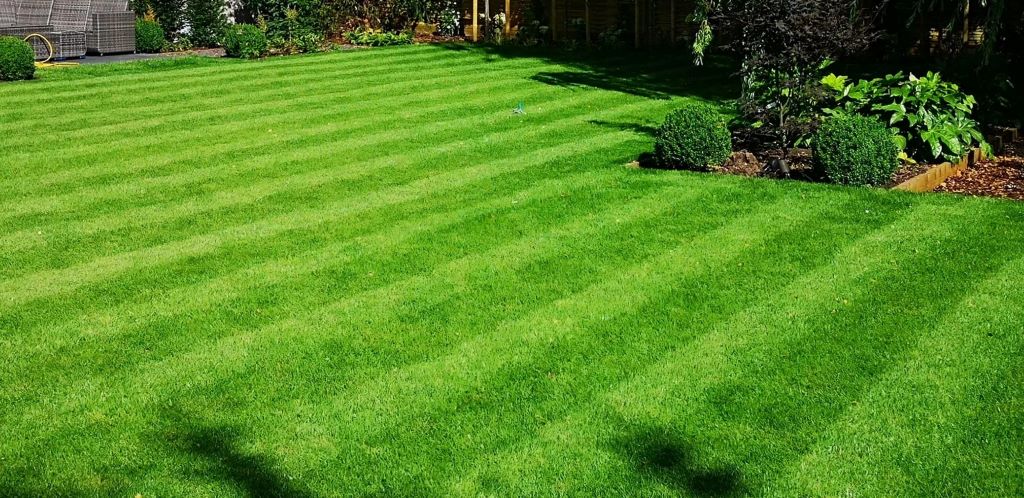
Achieving a healthy, beautiful lawn is a rewarding endeavor that significantly enhances your home’s appeal and your outdoor living experience. While it requires dedication, the process becomes infinitely easier and more enjoyable with the right tools.
By investing in these top 10 lawn care essentials – from the powerful mower to the precise hand pruners – you’re not just buying equipment; you’re investing in efficiency, effectiveness, and the sheer satisfaction of creating a vibrant green masterpiece. So, arm yourself with these indispensable tools, follow best practices for usage and maintenance, and prepare to enjoy a lawn that truly stands out.
What are your go-to lawn care tools? Share your favorites and any indispensable tips in the comments below!
Read More:
Greener Pastures Ahead: Your Comprehensive Guide to Installing a Residential Lawn Sprinkler System