
Summer heat can turn even the healthiest lawn brown and brittle. Maintaining vibrant, green grass during this demanding season requires more than just watering. A strategic summer lawn care guide is essential for homeowners and gardeners looking to preserve their lawn’s beauty and health through the hottest months. This article dives deep into the science and practical tips behind keeping your grass green in the heat.
Why Summer Lawn Care Matters
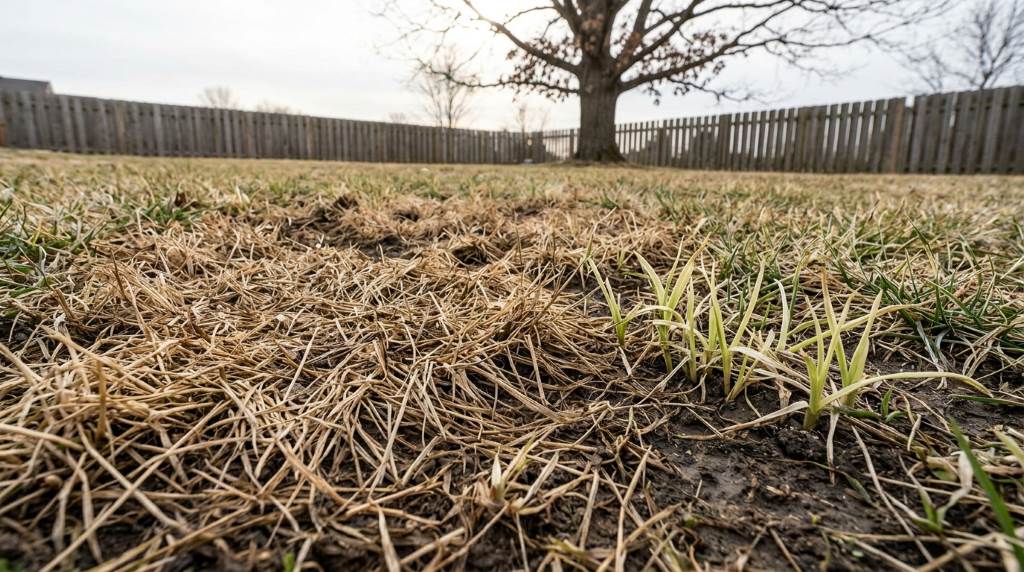
The summer season poses several challenges to lawn health. High temperatures combined with increased sunlight intensity cause grass to lose moisture quickly. According to the National Gardening Association, lawns can lose up to 60% of their moisture during peak summer heat. This dehydration stresses grass roots and hinders growth. Without proper care, lawns turn patchy, dry, and vulnerable to pests and diseases.
However, many homeowners struggle with overwatering, which can harm grass by encouraging fungal diseases and root rot. Therefore, understanding the balance between watering and other lawn care practices is vital.
Watering Smart: The Lifeline of Summer Lawns
Water is the most critical element for summer lawn survival. The general rule is to provide about 1 to 1.5 inches of water per week, including rainfall. However, timing and technique also matter. Watering early in the morning (between 6 AM and 10 AM) reduces evaporation loss and allows grass blades to dry before night, preventing fungal growth.
Additionally, deep watering is preferable to frequent shallow watering. Deep watering encourages roots to grow deeper, improving drought resistance. Lawns with shallow roots are more susceptible to heat stress and need constant watering, which isn’t sustainable.
Mowing Practices That Protect Your Lawn
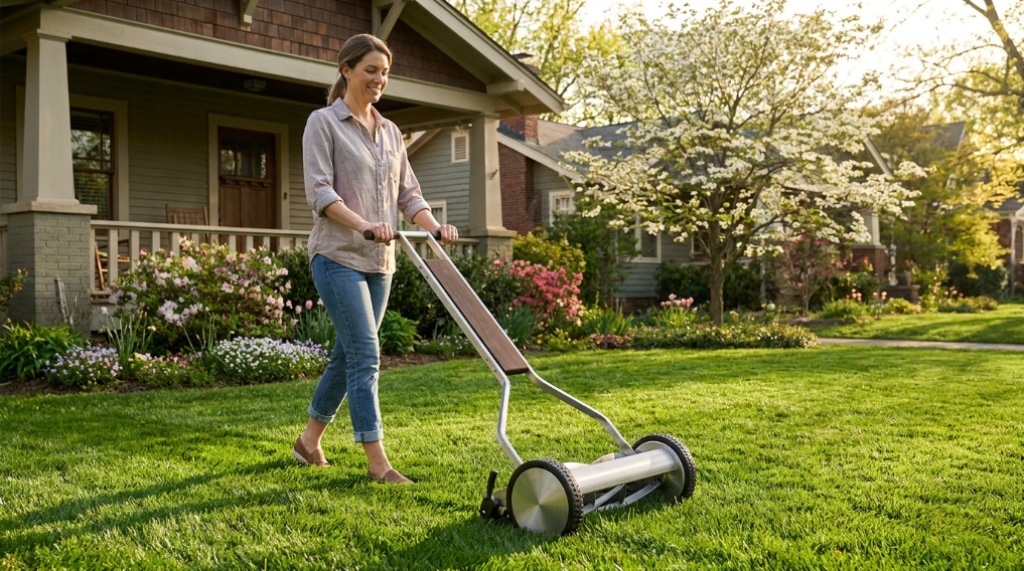
Adjusting mowing habits during summer is another essential part of a summer lawn care guide. Experts recommend raising the mowing height to about 3 to 4 inches. Taller grass blades shade the soil, reduce evaporation, and cool the roots. The University of California’s Cooperative Extension highlights that cutting more than one-third of the grass blade length at once can shock the plant, causing damage.
Moreover, keeping mower blades sharp prevents tearing grass, which can make the lawn prone to diseases. Following these tips can significantly improve lawn resilience during summer heat.
Fertilization: Feed with Caution
Many assume fertilizing in summer boosts lawn health, but it must be done wisely. Excess nitrogen fertilizers can push rapid, weak growth, which requires more water and is more vulnerable to heat. Slow-release fertilizers applied in late spring or early summer help maintain steady nutrient levels without stressing the grass.
Soil testing before fertilizing can prevent overapplication and nutrient imbalances. According to Penn State Extension, nitrogen applications should be minimal during the heat to avoid burning the lawn.
Combatting Pests and Diseases
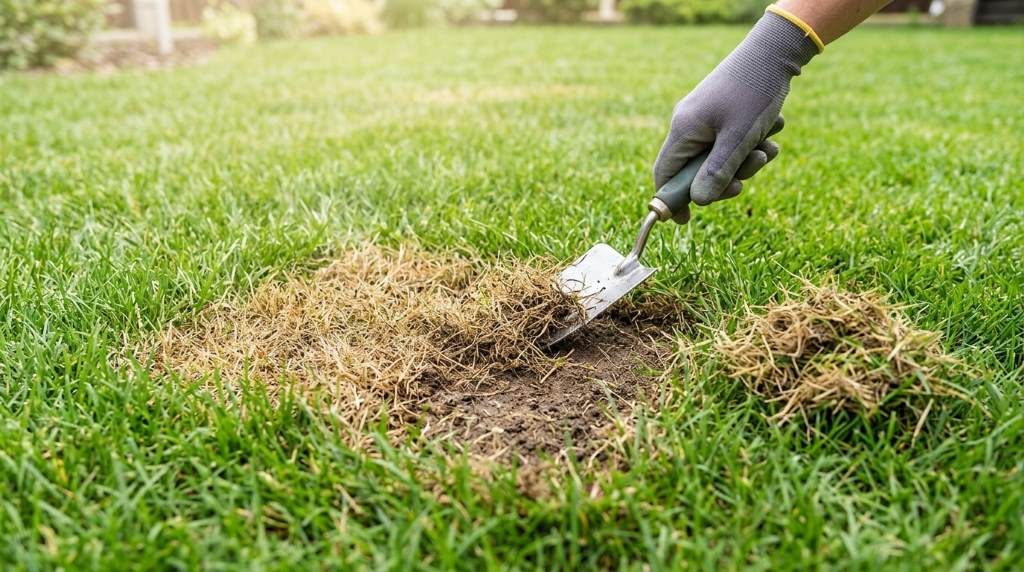
Summer heat can encourage pests like grubs and diseases such as brown patch fungus. Inspecting lawns regularly for signs of damage can help catch problems early. For example, brown patch disease creates circular brown areas and thrives in hot, humid conditions. Using fungicides at the first sign of infection and improving lawn aeration can minimize impact.
Furthermore, healthy lawns naturally resist pests. Therefore, following a good watering, mowing, and fertilizing routine forms the first line of defense.
Aeration and Dethatching: Breathable Lawns Last Longer
Compacted soil limits air, water, and nutrient absorption. Aeration during early summer relieves soil compaction by creating small holes, allowing roots to access essential resources. Similarly, dethatching removes excess dead grass layers that block moisture penetration.
These techniques promote a healthier root system and reduce the lawn’s vulnerability to heat stress.
Choosing the Right Grass Type
Not all grasses handle summer heat equally. Warm-season grasses like Bermuda, Zoysia, and Buffalo grass thrive in hot climates and require less water. Cool-season grasses such as Kentucky bluegrass struggle more under heat stress. For homeowners in warmer zones, transitioning to warm-season grasses can reduce maintenance and improve summer lawn performance.
According to the Turfgrass Producers International, selecting heat-tolerant varieties is a proactive step in long-term lawn care planning.
Expert Tips: The Ultimate Summer Lawn Care Guide
- Monitor Soil Moisture: Use a moisture meter to avoid over or underwatering.
- Use Mulch Mowers: Leave grass clippings on the lawn to recycle nutrients and retain moisture.
- Shade Vulnerable Areas: Plant shade trees or install shade cloths in spots prone to scorching.
- Limit Foot Traffic: Minimize walking on stressed lawns to prevent further damage.
Featured Snippet: What’s the Best Way to Keep Grass Green in Summer Heat?
The best way to keep grass green during summer heat involves smart watering, raising mowing height, and proper fertilization. Water early in the morning deeply once or twice a week, mow at 3-4 inches to protect soil moisture, and use slow-release fertilizers cautiously. Aerate compacted soil and monitor for pests or diseases to maintain lawn health. These combined practices reduce heat stress and promote resilient, green grass.
FAQs on Summer Lawn Care Guide: Keep Your Grass Green in the Heat
- How often should I water my lawn in summer?
Water deeply once or twice weekly, applying about 1 to 1.5 inches total, to encourage deep roots and reduce evaporation. - Can I mow my lawn every week during summer?
Yes, but raise the mower height to 3-4 inches and never cut more than one-third of the blade length. - Should I fertilize my lawn in the heat?
Use slow-release fertilizers sparingly in early summer; avoid heavy nitrogen applications during peak heat. - How do I identify lawn diseases caused by summer heat?
Look for circular brown patches, thinning grass, or fungal growth. Early treatment is essential. - What grass types survive best in summer heat?
Warm-season grasses like Bermuda and Zoysia tolerate heat better than cool-season varieties. - Is aeration necessary in summer?
Yes, aeration improves soil oxygen and water uptake, which is critical during hot, dry months. - How can I prevent pests in my summer lawn?
Maintain lawn health with proper watering and mowing; inspect regularly and treat early if needed.
Final Thought
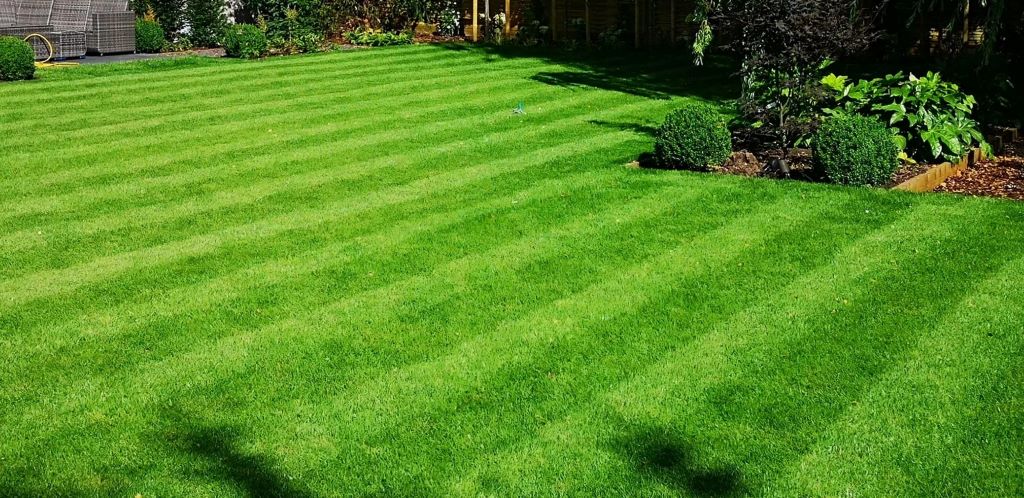
Summer lawn care is not just about watering more; it demands a strategic, knowledgeable approach to protect grass during extreme heat. By adjusting watering schedules, mowing higher, using fertilizers wisely, and addressing pests promptly, you can keep your lawn vibrant and green all summer long. Implementing these expert tips and understanding the logic behind each action ensures your grass withstands the heat with resilience and beauty.
Read More: