

Maintaining a vibrant lawn in drought-prone areas can feel like a battle against nature. Water restrictions, rising costs, and unpredictable weather patterns make traditional lawn care increasingly unsustainable. Thankfully, drought-resistant lawns offer a practical, eco-friendly solution. Selecting the right grass varieties and adopting effective care strategies can transform your yard into a lush, low-maintenance oasis that withstands dry spells.
Why Drought-Resistant Lawns Matter
According to the U.S. Environmental Protection Agency, outdoor water use accounts for nearly 30% of residential water consumption, much of which irrigates lawns. In drought-stricken regions, excessive watering strains local resources and inflates bills. Choosing drought-resistant grass reduces water demand by up to 50%, according to a study by the University of California. Furthermore, these grasses typically require fewer fertilizers and pesticides, promoting a healthier ecosystem.
However, opinions vary on what truly defines “drought-resistant.” Some experts argue that drought tolerance isn’t just about surviving without water but maintaining green coverage and root health during dry periods. Others emphasize the need for adaptability, where a grass type thrives under minimal care and poor soil conditions. Both perspectives align on one key point: the right grass choice paired with smart care delivers the best results.
Top Drought-Resistant Grass Varieties
When choosing drought-resistant lawns, several grass varieties stand out due to their deep root systems, efficient water use, and heat tolerance. Here are some top contenders:
- Buffalo Grass (Bouteloua dactyloides): Native to North America’s prairies, buffalo grass thrives on minimal water, needing only about half the irrigation of traditional Kentucky bluegrass. It features fine-textured blades, creating a soft carpet-like lawn. Experts recommend it for regions with at least six hours of sun daily.
- Bermuda Grass (Cynodon dactylon): Popular in southern climates, Bermuda grass establishes quickly and endures heat and drought. Its aggressive growth fills bare patches, which reduces weed competition. However, it requires occasional mowing and can go dormant in cooler months.
- Zoysia Grass: Known for its dense growth and wear resistance, zoysia grass manages drought by slowing growth and conserving water. It adapts well to various soil types, making it a versatile option for homeowners.
- Fescue Grass: Tall fescue, especially newer drought-tolerant cultivars, offers excellent drought resistance due to its deep root system. It stays green longer during dry spells compared to many cool-season grasses, suitable for transitional zones with moderate summers.
Each variety presents unique strengths. For example, buffalo grass excels in extreme drought but may not handle heavy foot traffic well. Bermuda grass tolerates heat and wear but requires maintenance. Understanding these trade-offs helps tailor choices to specific climates and lawn uses.
Essential Care Strategies for Drought-Resistant Lawns
Choosing the right grass only sets the stage. Proper care strategies maximize drought resistance and lawn longevity. Here’s how:
- Smart Watering Practices: Deep, infrequent watering encourages roots to grow downward, improving drought resilience. Water early mornings to reduce evaporation. Avoid shallow daily watering, which leads to weak, surface roots.
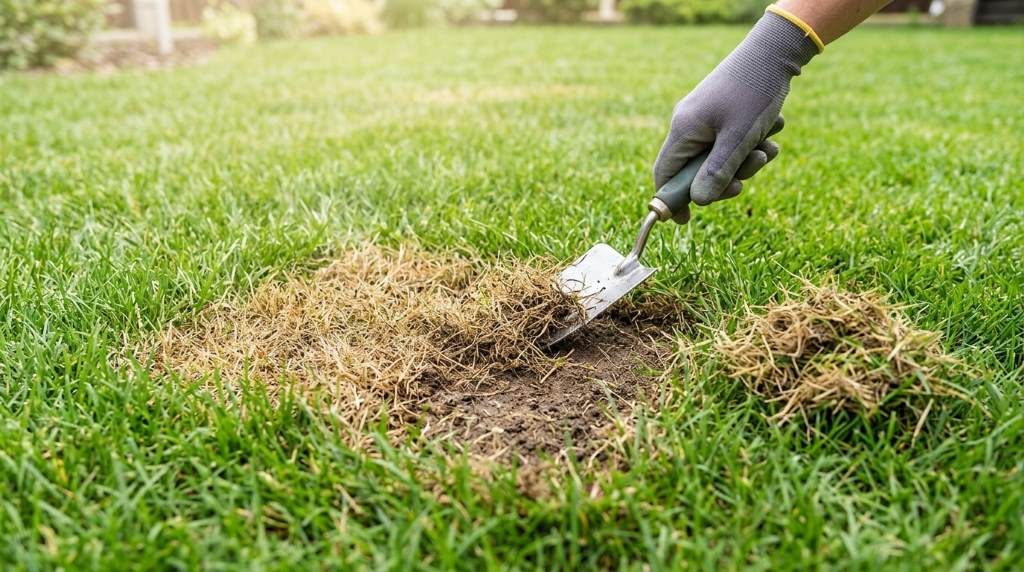
- Soil Health Improvement: Aerate compacted soil to enhance water infiltration and root penetration. Adding organic matter, like compost, improves soil moisture retention and nutrient availability.
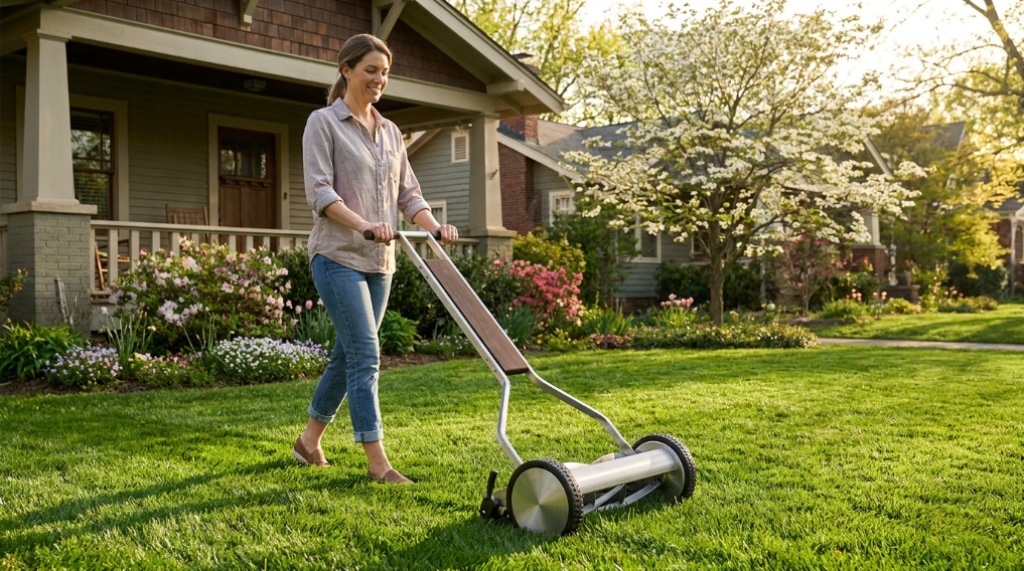
- Mowing Techniques: Set mower blades higher—around 3 to 4 inches—for drought-tolerant grasses. Taller grass blades shade roots, reduce evaporation, and promote deeper root growth.
- Mulching: Applying mulch around lawn edges helps conserve soil moisture and reduces heat stress. Mulching also suppresses weed growth, which competes for water.
- Fertilization: Use slow-release fertilizers in early spring and fall to strengthen root systems without encouraging excessive leaf growth that increases water demand.
According to turfgrass specialists, combining these care techniques can reduce water usage by 30-50%, while maintaining lawn quality. These strategies also build resilience against heat waves and dry spells, reducing the need for costly irrigation or lawn replacement.
Real-World Examples and Insights
Cities like Phoenix and Las Vegas have actively promoted drought-resistant lawns through rebate programs. Homeowners who switched to Bermuda or buffalo grass reported up to 60% reductions in water bills. Conversely, some experienced challenges with initial establishment, highlighting the need for expert advice during planting and early care stages.
Additionally, landscape architects stress that drought-resistant lawns do not mean zero watering. Seasonal irrigation remains necessary, especially during establishment or prolonged droughts. However, the reduced water needs align perfectly with sustainable living goals and local regulations.
Expert Tips for Success
- Invest in a soil moisture sensor to avoid overwatering and track lawn hydration.
- Choose grass varieties that match your specific climate zone and soil type for optimal drought performance.
- Gradually reduce watering over weeks to train roots deeper into the soil.
- Avoid heavy foot traffic during dry periods to prevent lawn stress.
Following these tips enhances your lawn’s ability to survive drought while keeping it visually appealing.
Featured Snippet:
What Are the Best Grass Varieties and Care Tips for Drought-Resistant Lawns?
The best drought-resistant grasses include buffalo grass, Bermuda grass, zoysia, and drought-tolerant fescues. These varieties feature deep roots and efficient water use. To maximize drought resistance, water deeply but less frequently, mow at higher blade heights, improve soil with compost, and use slow-release fertilizers. Combining these grasses with smart care reduces water use by nearly half and keeps lawns green during dry spells. Professional landscaping advice is crucial during establishment for best results.
Frequently Asked Questions (FAQs)
- How much water does a drought-resistant lawn save compared to traditional lawns?
Drought-resistant lawns can reduce water use by 30-60%, depending on grass type and care practices. - Can drought-resistant lawns survive without watering?
No lawn survives indefinitely without water. These grasses tolerate dry conditions but need occasional irrigation, especially when young. - Are drought-resistant grasses more expensive to establish?
Initial costs vary. Some drought-resistant grasses require specialized seed or plugs, making them slightly pricier upfront but cheaper long-term due to lower water use. - How often should I mow a drought-resistant lawn?
Mow less frequently and keep blades higher (3-4 inches). This conserves moisture and strengthens roots. - Can I convert my traditional lawn to a drought-resistant one?
Yes, but it often requires soil preparation, overseeding, or sod installation depending on your current lawn and grass choice. - Do drought-resistant lawns attract pests or weeds?
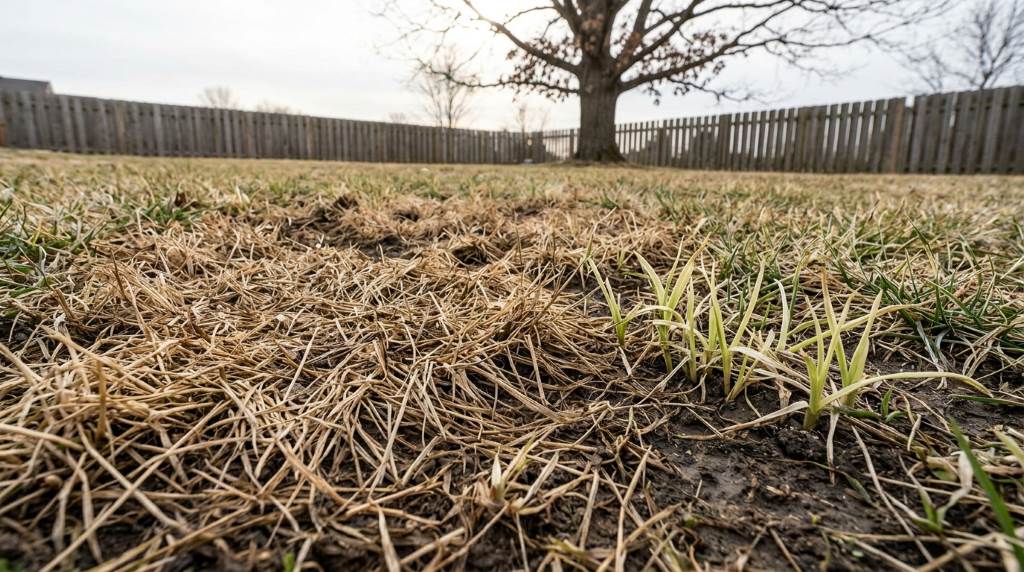
Proper care reduces pest and weed problems. However, drought stress can increase vulnerability, so monitoring remains important. - What is the best time to plant drought-resistant grass?
Early spring or fall is ideal to avoid extreme heat and maximize establishment success.
Final Thought
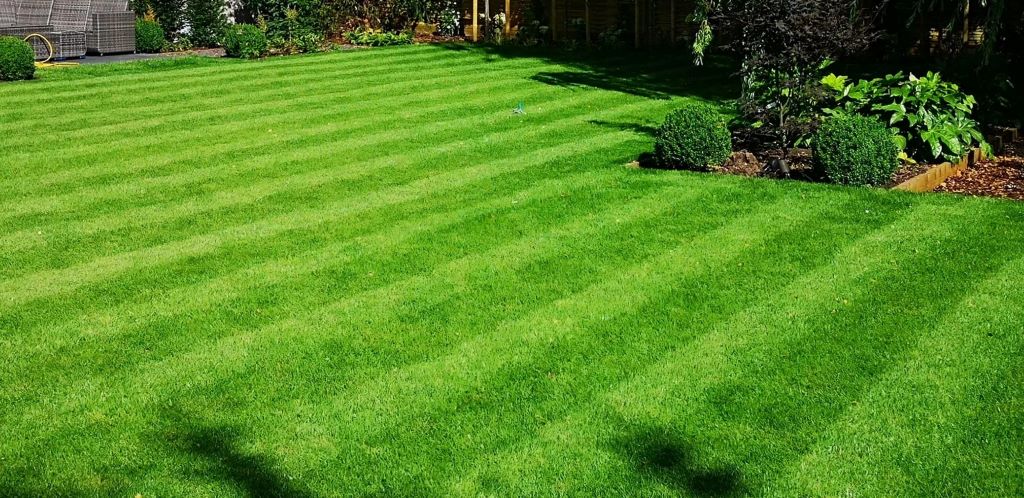
Drought-resistant lawns are no longer a niche choice—they represent the future of sustainable landscaping. Selecting the right grass varieties like buffalo, Bermuda, zoysia, or fescue, combined with intelligent watering, mowing, and soil care, dramatically reduces water consumption. This approach not only benefits the environment but also protects homeowners from rising water costs and restrictive irrigation policies. By embracing drought-resistant lawns, you turn your outdoor space into a resilient, beautiful landscape that thrives under pressure—saving water and money in the process.
Read More: