
Maintaining a healthy, green lawn is both an art and a science. Knowing how often you should water and mow your lawn plays a critical role in its appearance and longevity. Whether you’re a new homeowner or a seasoned green thumb, following proven guidelines can prevent common mistakes that lead to brown patches, disease, and poor grass growth.
The Perfect Watering Routine: Science Over Guesswork
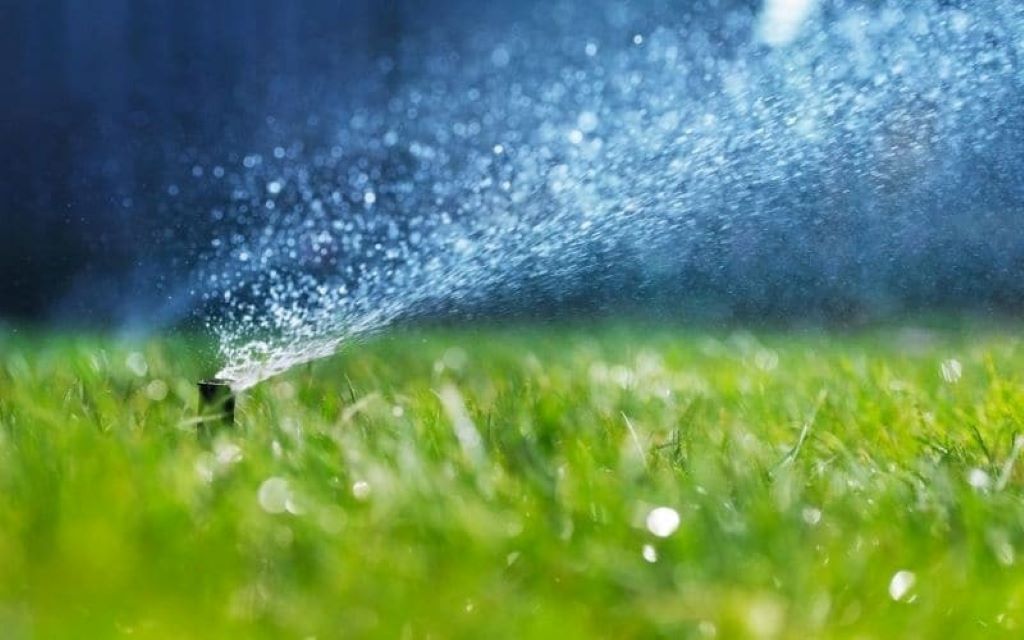
The frequency of lawn watering hinges on several factors—grass type, soil composition, climate, and seasonality. As a rule of thumb, most lawns thrive on 1 to 1.5 inches of water per week, ideally split between two sessions.
This isn’t just anecdotal. According to the University of California Agriculture and Natural Resources, deep watering encourages roots to grow deeper, making the lawn more drought-resistant. Shallow watering, on the other hand, promotes weak root systems, making grass vulnerable during dry spells.
In hotter climates, you may need to increase watering during peak summer months. Yet, overwatering is just as dangerous. It leads to fungal diseases, poor oxygenation, and wasted resources. Instead of watering daily, aim for:
- Twice per week in spring and fall
- Three times per week during hot summer months
- Once weekly or not at all in cooler, rainy months
Use a rain gauge or an empty tuna can to measure weekly rainfall and adjust accordingly. If you receive at least an inch from natural precipitation, skip supplemental watering entirely.
Timing Is Everything: When to Water Matters
Watering during the early morning, between 6 a.m. and 10 a.m., is ideal. The temperature is cooler, wind is minimal, and sunlight helps dry the blades after watering. Avoid evening watering—moisture lingering overnight fosters disease and mildew.
The Environmental Protection Agency (EPA) recommends watering early to reduce evaporation losses, which can waste up to 30% of irrigation water when done midday.
Lawn Mowing: More Than Just Aesthetic Maintenance
Mowing isn’t just cosmetic—it directly affects your lawn’s health. Mowing too often, too short, or with dull blades can damage grass, increase weed invasion, and stress your lawn.
The ideal mowing frequency depends on grass growth, which is influenced by temperature, fertilization, and watering. During peak growing seasons (spring and early summer), you may need to mow once every 5 to 7 days. In cooler or drier periods, every 10 to 14 days may suffice.
Professional tip: Never remove more than one-third of the grass blade height in a single mow. Cutting too short, also known as “scalping,” exposes the crown and weakens the plant.
Grass Type Matters: Customize Your Approach
Different grass types demand different care. For instance:
- Cool-season grasses like Kentucky bluegrass and fescues grow fastest in spring and fall. Water once or twice a week, and mow weekly.
- Warm-season grasses like Bermuda or Zoysia peak in summer. These may need watering 2–3 times a week and mowing every 5–6 days.
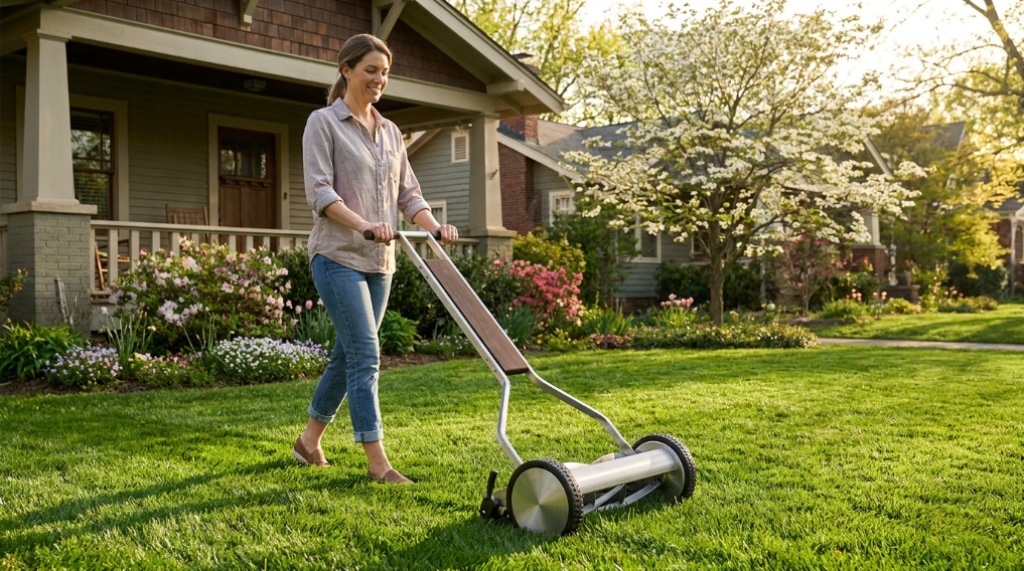
Using a reel mower or maintaining sharp mower blades reduces stress on the grass and prevents ragged edges that turn brown.
Soil and Weather Impact Your Lawn Routine
Sandy soils drain faster, requiring more frequent watering, while clay soils retain moisture longer. Adjust your watering schedule based on these characteristics.
Likewise, rainfall frequency, humidity, and local weather trends dramatically impact your routine. For example, coastal lawns with higher humidity may need less water compared to inland areas with dry air.
The Myth of the Perfect Lawn
Not all lawns need to be manicured like golf courses. Over-fertilizing, overwatering, and mowing too frequently often do more harm than good. Some homeowners over-maintain their lawns, using up to 50% more water than necessary, according to a 2023 study from the American Water Works Association.
Instead, prioritize grass health over aesthetics. A healthy lawn naturally looks lush and bounces back from stress quicker.
Featured Snippet: What’s the Ideal Schedule for Watering and Mowing?
How often should you water and mow your lawn?
Most lawns need 1 to 1.5 inches of water weekly, ideally over two watering sessions. Water early in the morning to reduce evaporation. Mow once a week during peak growing seasons, but never remove more than a third of the blade’s height. Tailor your routine based on grass type, climate, and soil conditions. A consistent, smart routine promotes deep roots, better drought resistance, and fewer weeds. Avoid daily watering or aggressive mowing to prevent stressing your lawn. Sharpen your mower blades, monitor weather conditions, and always water deeply rather than frequently.
Professional Tips from Lawn Experts
- Use a soil moisture meter. It helps prevent both overwatering and underwatering.
- Leave grass clippings on the lawn. They return nitrogen to the soil and reduce fertilizer needs.
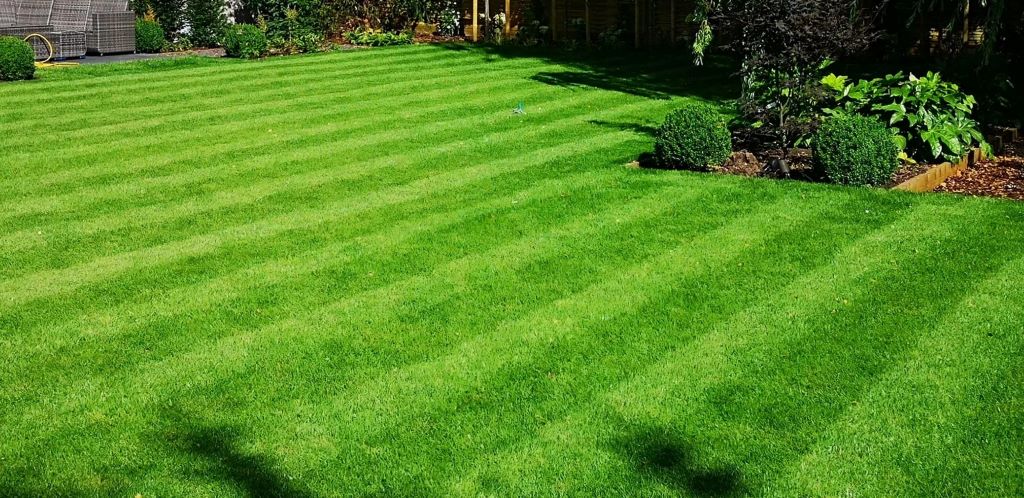
- Alternate mowing patterns. Changing directions prevents soil compaction and improves grass health.
- Water after fertilizing. This activates nutrients and prevents fertilizer burn.
- Keep mower blades sharp. Dull blades tear grass, making it susceptible to disease.
FAQs on Watering and Mowing Your Lawn
- Can I water my lawn at night?
It’s not recommended. Moisture sitting overnight promotes fungal growth and disease. - What happens if I mow wet grass?
Wet mowing causes clumps, uneven cuts, and may damage both lawn and mower. - How do I know if I’m overwatering?
Look for yellowing grass, soggy soil, or fungal growth. Cut back if any of these signs appear. - Is it better to water more often or deeply?
Deep, infrequent watering is best. It encourages stronger root systems. - How tall should I keep my grass?
Maintain 2.5–3 inches for most grass types. Taller grass shades soil, reducing weed growth. - Can I mow less often if I fertilize more?
No. Fertilizing increases growth, requiring more frequent mowing, not less. - Should I bag or mulch my grass clippings?
Mulch if possible. It nourishes the soil and reduces waste.
Final Thought
Knowing how often you should water and mow your lawn isn’t about sticking to a strict schedule—it’s about understanding your lawn’s unique needs. By tuning into the climate, soil, and grass type, and responding with precision, you’ll enjoy a lawn that not only looks incredible but thrives with resilience.
Smart care reduces water bills, prevents disease, and ensures a lush green yard you can be proud of. Invest a little time in learning, and your lawn will reward you all season long.
References:
- University of California Agriculture and Natural Resources – Lawn Watering Guide
https://ucanr.edu - Environmental Protection Agency – WaterSense for Landscapes
https://www.epa.gov/watersense/outdoor - American Water Works Association – Residential Water Use Report 2023
https://www.awwa.org
Read More:
How to Restore Soil Health for Sustainable Farming