
Maintaining a healthy lawn can feel like an endless challenge, especially when faced with stubborn problems that defy easy fixes. Whether you’re a seasoned gardener or a casual homeowner, lawn care issues like patchy grass, pests, or poor soil health can quickly become frustrating. However, understanding these problems deeply and applying targeted solutions can transform your yard from a headache into a lush, thriving space. Here’s a comprehensive guide to common lawn care problems and how to fix them effectively.
Patchy or Thin Grass: Causes and Solutions
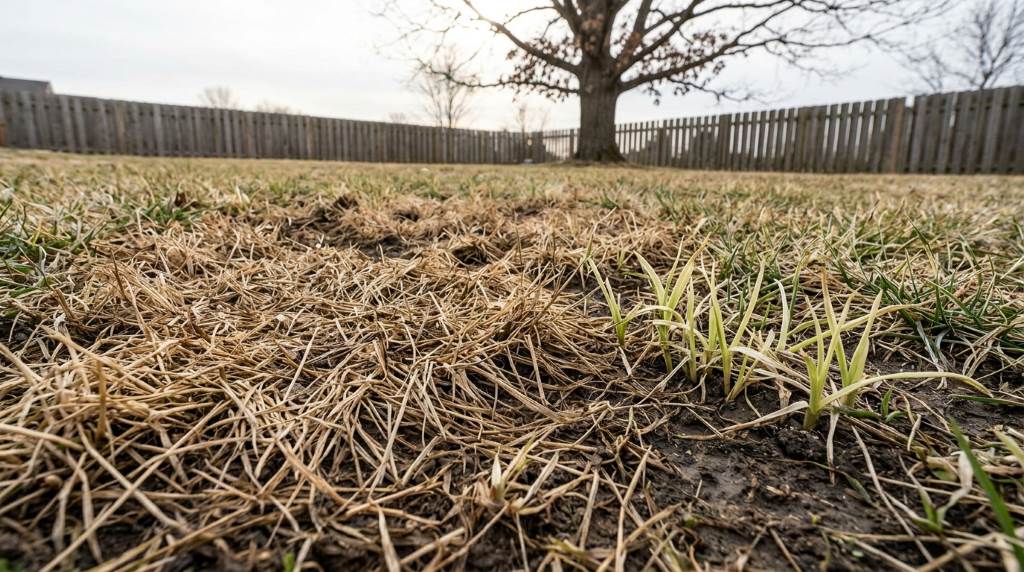
One of the most frequent complaints is patchy or thinning grass. This issue often stems from poor soil conditions, inadequate watering, or excessive foot traffic. According to the University of Minnesota Extension, soil compaction reduces oxygen availability to roots, limiting growth and leading to bare spots. Additionally, inconsistent watering causes stress, making grass vulnerable to disease and pests.
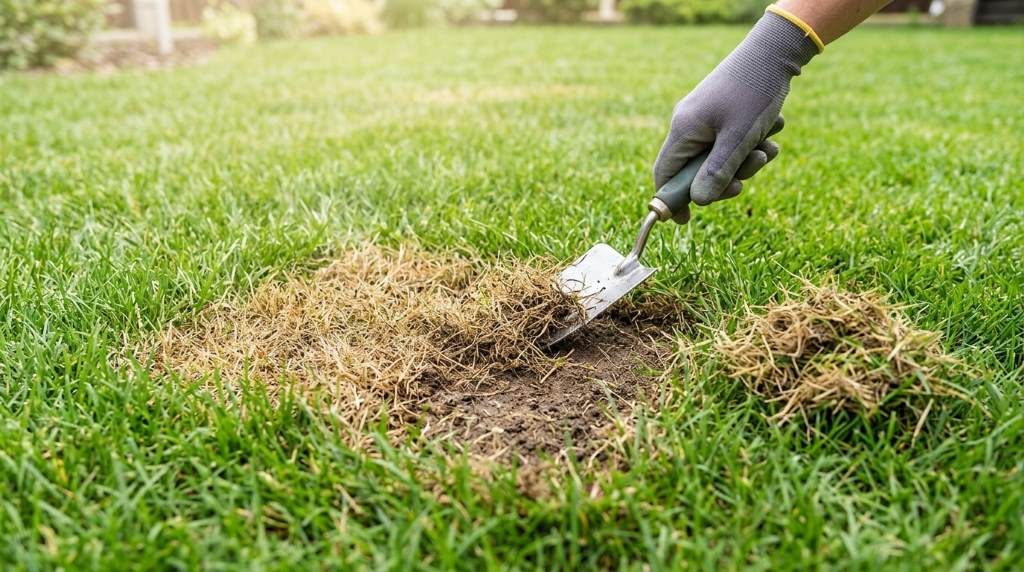
To fix patchy grass, start by aerating the soil. This process breaks up compacted earth, allowing air, water, and nutrients to penetrate deeply. Overseeding is another vital step. Choose a grass variety that suits your climate and shade levels for the best results. For example, Kentucky bluegrass thrives in cooler zones, while Bermuda grass suits warmer climates.
Proper watering techniques are crucial. Lawns require about one inch of water per week, ideally applied deeply and less frequently to encourage strong root systems. Avoid shallow, daily watering, which promotes shallow roots and weak growth. Lastly, limit heavy foot traffic on vulnerable areas or consider installing stepping stones.
Weed Invasion: Identification and Control
Weeds compete fiercely with grass for nutrients, water, and sunlight. They not only spoil your lawn’s appearance but also weaken the grass. A survey by LawnStarter reveals that nearly 40% of homeowners struggle with weed control, making it one of the most widespread lawn care problems.
Effective weed management starts with identifying the type of weed. Broadleaf weeds, such as dandelions and clover, respond well to selective herbicides. Grassy weeds like crabgrass require different approaches, often involving pre-emergent herbicides that prevent seed germination.
An organic alternative involves manual removal and maintaining a dense, healthy lawn to outcompete weeds naturally. Fertilizing correctly and mowing at the right height—usually around 3 inches—helps keep grass robust enough to crowd out unwanted plants.
Pest Problems: Recognition and Treatment
Pests like grubs, chinch bugs, and armyworms can devastate lawns quickly. The damage often appears as brown patches or thinning areas that don’t respond to watering or fertilizing. According to the National Gardening Association, grub infestations alone cost U.S. homeowners millions in lawn repair annually.
Detect pests by examining damaged patches for insects or tunneling in the soil. Biological controls like beneficial nematodes can reduce grub populations without harming the environment. Chemical insecticides remain an option but should be used cautiously to avoid disrupting beneficial insects and soil health.
Encouraging natural predators, such as birds or predatory beetles, provides long-term pest control. Also, maintaining healthy turf through proper watering and fertilizing creates a less attractive environment for pests.
Fungus and Disease: Diagnosis and Prevention
Fungal diseases like brown patch, dollar spot, and rust are common lawn problems, especially in humid or wet conditions. These diseases manifest as discolored spots or thinning patches and spread rapidly without intervention.
To prevent fungal issues, improve lawn drainage and avoid overwatering. Mowing at the correct height and removing grass clippings reduces moisture that fosters fungal growth. Fungicides may be necessary for severe outbreaks, but timing is critical. Experts from Penn State Extension emphasize applying fungicides early, before symptoms worsen, for effective control.
Maintaining soil health by testing pH and nutrient levels can also prevent diseases by ensuring grass is strong and resilient. Most grasses prefer a slightly acidic to neutral pH of 6.0 to 7.0.
Soil Problems: Testing and Amendments
Unhealthy soil lies at the root of many lawn care problems. Poor nutrient levels, incorrect pH, and compaction can stunt grass growth and increase susceptibility to pests and disease.
Start by conducting a soil test, available through local cooperative extensions or garden centers. Testing provides vital data about nutrient deficiencies and pH imbalances. For example, soil too acidic can be amended with lime, while alkaline soil may need sulfur.
Adding organic matter like compost improves soil structure, drainage, and nutrient retention. Regular aeration combats compaction, especially in heavy clay soils. Additionally, applying the right fertilizer based on soil test results prevents over-fertilization, which can cause more harm than good.
Mowing Mistakes: Proper Techniques
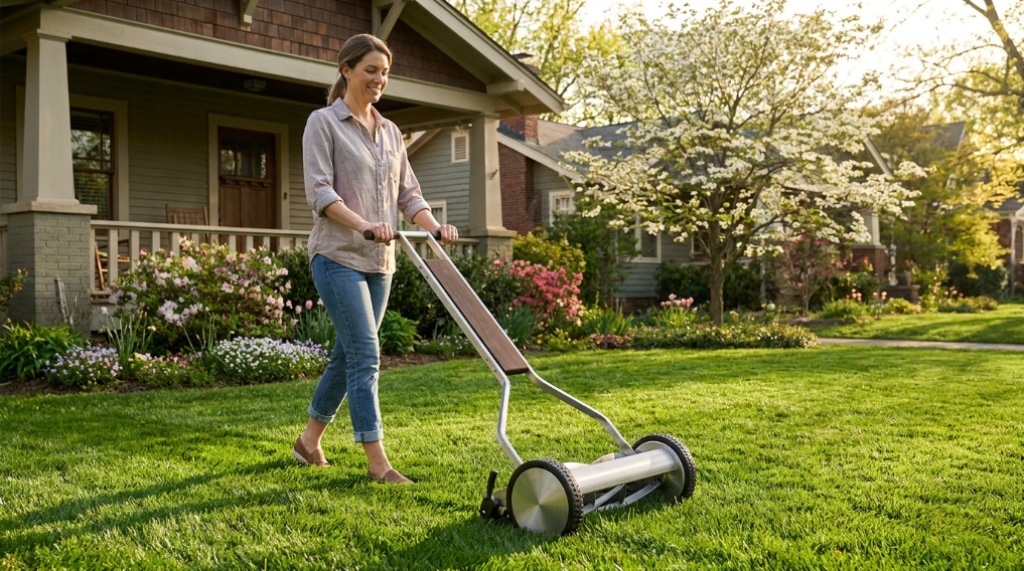
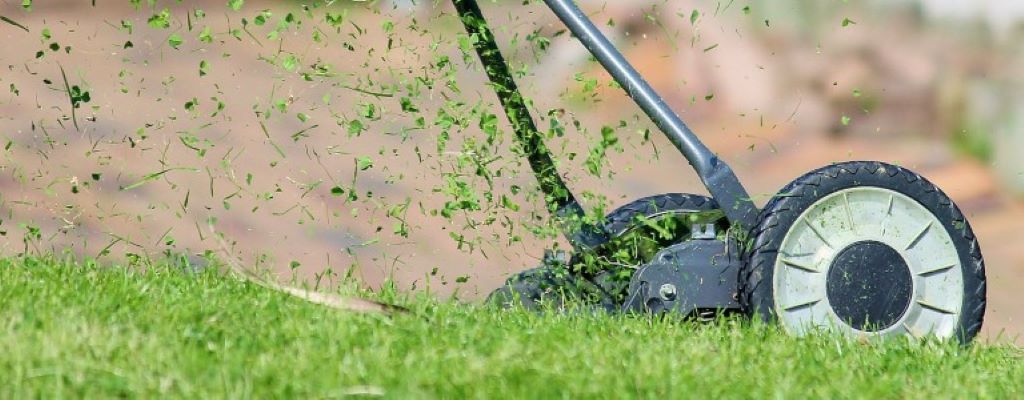
Mowing may seem simple, but errors here can damage your lawn. Cutting grass too short—called scalping—weakens roots and promotes weed invasion. The ideal mowing height varies by grass type but generally ranges from 2.5 to 4 inches.
Keeping mower blades sharp ensures clean cuts that heal quickly, reducing vulnerability to disease. Furthermore, mowing when the grass is dry prevents clumping and uneven cuts. Mulching clippings can recycle nutrients, but removing excessive thatch buildup is important to avoid suffocation.
Drainage Issues: Identifying and Resolving
Poor drainage causes water to pool, suffocating roots and fostering disease. Low spots in the lawn often remain soggy, while adjacent areas may dry out and die.
Simple fixes include grading the lawn to direct water away from problem areas. Installing French drains or dry wells can alleviate persistent waterlogging. In some cases, improving soil with organic matter helps increase absorption.
Featured Snippet: How Do I Fix Common Lawn Care Problems?
Common lawn care problems include patchy grass, weeds, pests, fungal diseases, and soil issues. To fix patchy areas, aerate the soil and overseed with suitable grass types. Control weeds with selective herbicides or manual removal, and manage pests using natural predators or targeted insecticides. Prevent fungal diseases by avoiding overwatering and improving drainage. Test your soil regularly to maintain proper pH and nutrient balance. Mow correctly and address drainage problems by regrading or installing drains. Consistent, informed lawn care helps achieve a healthy, vibrant yard.
Professional Tips for Common Lawn Care Problems and How to Fix Them
- Conduct a soil test every 2-3 years to tailor your lawn care regimen effectively.
- Water early in the morning to reduce evaporation and fungal risks.
- Rotate mowing patterns to prevent soil compaction and uneven wear.
- Use organic fertilizers to minimize chemical buildup and promote soil life.
- Observe your lawn frequently for early signs of pests or disease. Early intervention saves time and money.
Frequently Asked Questions
- Why does my lawn have brown patches even with regular watering?
Brown patches often indicate fungal diseases or pest damage. Soil compaction or poor drainage may also cause this. - How often should I aerate my lawn?
Aerate at least once a year, especially in high-traffic areas or compacted soils. - Can I use herbicides safely on my lawn?
Yes, but apply according to label instructions and target specific weeds to avoid harming grass. - What is the best time to seed a lawn?
Early fall or spring, depending on grass type and local climate. - How do I control crabgrass?
Use a pre-emergent herbicide before crabgrass seeds germinate, typically in early spring. - How high should I mow my grass?
Generally, keep grass 2.5 to 4 inches tall, adjusting for your specific grass type. - What type of fertilizer is best for lawns?
A balanced fertilizer based on soil test results works best, often with a slow-release nitrogen source.
Final Thought
Common lawn care problems can feel overwhelming, but understanding their causes allows you to apply smart, effective fixes. Focus on soil health, proper watering, mowing, and pest management to create a resilient lawn that withstands challenges. With patience and the right strategies, you can transform your outdoor space into a vibrant, green oasis that boosts your home’s curb appeal and your personal enjoyment.
Read More: