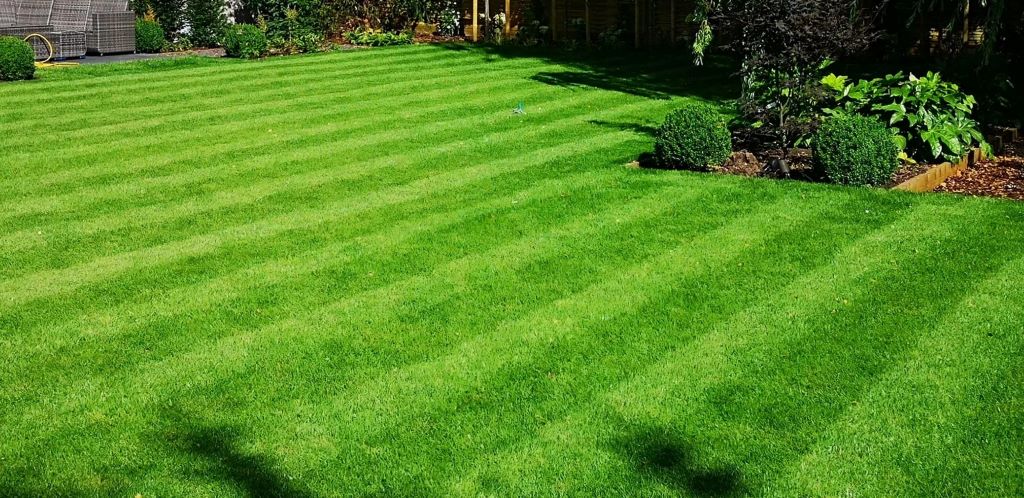


Maintaining a vibrant lawn in shady areas can feel like an uphill battle. Sunlight scarcity challenges even the most dedicated gardeners. However, understanding the right grass types and adopting expert care methods can transform a dull, patchy lawn into a lush, green oasis. This guide explores how to care for shade-tolerant lawns, backed by science, expert opinion, and practical experience.
Why Shade-Tolerant Lawns Need Special Care
Lawns in shady spots struggle because photosynthesis slows with less sunlight. According to the University of Minnesota Extension, grass typically needs at least four to six hours of direct sunlight daily to thrive. When light is limited, competition for nutrients intensifies, and moisture retention fluctuates. Consequently, shade lawns demand a tailored approach to grass selection, watering, fertilizing, and mowing.
Many homeowners mistakenly apply the same care routine used for sunny lawns. This results in weak grass, weed invasions, and bare patches. To avoid this, it’s essential to identify the best grass types adapted to low-light conditions.
Best Grass Types for Shade-Tolerant Lawns
The secret to success lies in choosing grasses that naturally cope with shade. These grasses have thinner blades and grow more vertically, maximizing light absorption.
- Fine Fescues (Festuca spp.)
Fine fescues, including creeping red fescue, chewings fescue, and hard fescue, are among the most shade-tolerant cool-season grasses. Studies show they perform well with as little as 2-3 hours of sunlight per day. Their dense growth suppresses weeds and thrives in acidic soils common under trees. - Tall Fescue (Festuca arundinacea)
Tall fescue’s deep root system makes it drought-resistant and able to survive under partial shade. This grass tolerates 3-4 hours of sunlight daily and recovers quickly from stress. - Zoysia Grass
For warm-season lawns, zoysia is a top shade performer. It grows slowly, reducing mowing frequency, and tolerates 3-5 hours of sunlight. Zoysia’s thick canopy helps crowd out weeds but requires patience to establish. - St. Augustine Grass
This warm-season grass is widely used in southern states for shady areas. It thrives with 4-5 hours of sunlight but struggles in cold climates. Its coarse blades handle shade well but need high moisture.
According to the Turfgrass Producers International, mixing fine fescues with shade-tolerant bluegrass varieties can increase adaptability across different shade levels.
Essential Tips for Caring for Shade-Tolerant Lawns
Even the best grass type will fail without proper care. Here are proven strategies that ensure healthy growth in shade:
- Mowing Height Matters
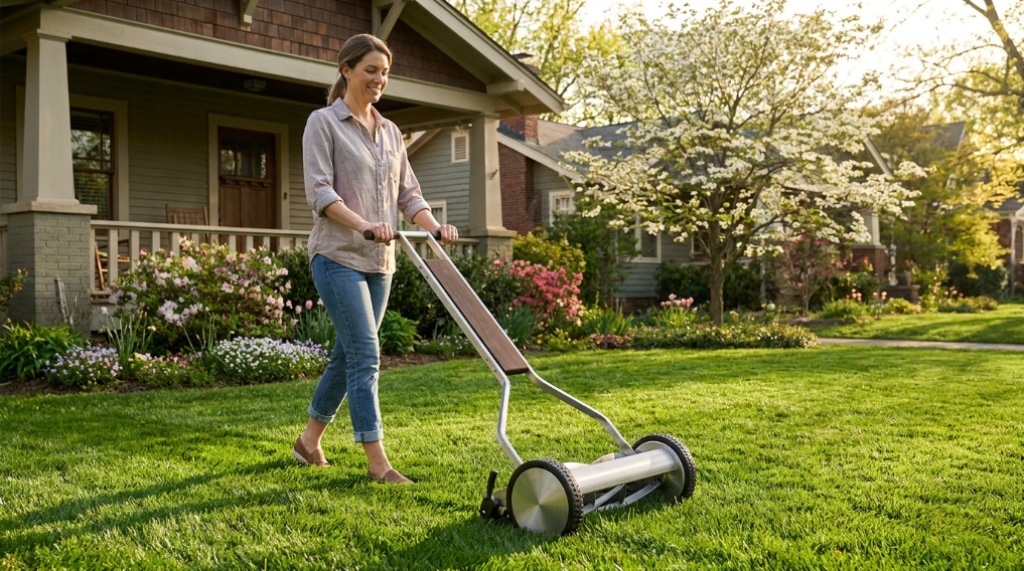
Raise your mower blade by an inch or two for shade-tolerant lawns. Taller grass blades capture more sunlight and promote root growth. Cutting too short weakens the grass and encourages weeds. Experts suggest maintaining grass at 3 to 3.5 inches in shade. - Adjust Watering Schedule
Shady areas often retain moisture longer. Avoid overwatering, which can lead to fungal diseases. Water deeply but less frequently, allowing the soil to dry slightly between sessions. Early morning watering reduces evaporation. - Fertilization Strategy
Shade lawns need less fertilizer than sun-exposed ones. Excess nitrogen stimulates leaf growth but can weaken roots and increase disease risk. Use a slow-release, low-nitrogen fertilizer in early spring and fall. Soil testing every 2-3 years guides nutrient management. - Thinning and Aeration
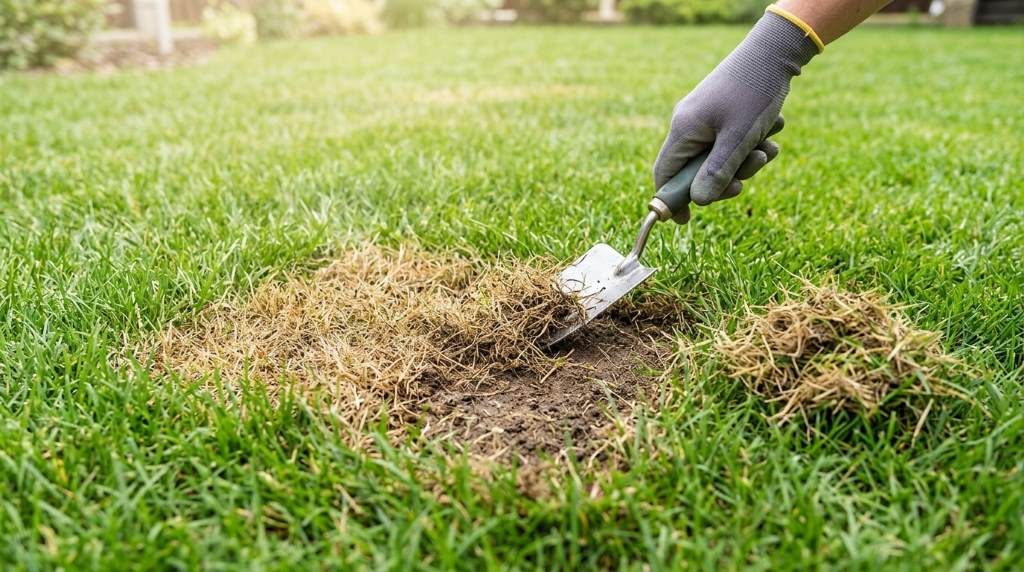
Shade causes dense tree roots and compacted soil. Aerating the lawn annually improves oxygen flow and root penetration. Also, remove excess thatch buildup to prevent moisture trapping, which encourages fungal growth. - Control Weeds Strategically
Shaded lawns are prone to weeds like chickweed and moss. Hand-pulling and targeted herbicides work best since broad applications can harm desirable grasses. Maintaining a dense grass canopy is your best defense.
Addressing Common Challenges
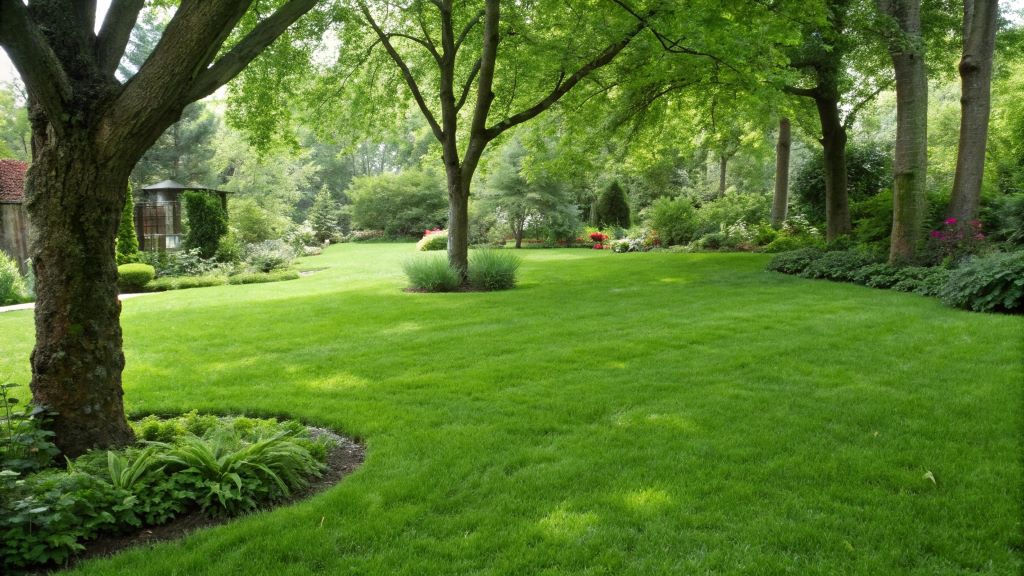
Trees cast varying shade levels throughout the day, which impacts grass differently. Consider pruning low branches or selective thinning to increase sunlight penetration. Mulching tree roots and avoiding lawn compaction under trees also protects grass health.
One popular opinion suggests replacing lawns under dense shade with ground covers like moss or pachysandra. While this works in extreme shade, many homeowners want a grass lawn. By choosing the right grasses and care techniques, shade-tolerant lawns are achievable and maintainable.
Featured Snippet: How to Care for Shade-Tolerant Lawns: Best Grass Types & Tips
Q: What are the best ways to care for shade-tolerant lawns and which grasses work best?
A: Caring for shade-tolerant lawns requires selecting grasses like fine fescues, tall fescue, or zoysia that thrive with limited sunlight. Raise mowing height to about 3 inches, water deeply but less often, and apply low-nitrogen fertilizer in spring and fall. Aerate annually to reduce soil compaction caused by tree roots. Prune trees to allow more light and maintain dense grass coverage to prevent weeds. According to the University of Minnesota Extension, fine fescues tolerate as little as 2-3 hours of sunlight daily, making them ideal for shady spots.
FAQs About Shade-Tolerant Lawns
- Can grass grow in full shade?
Grass struggles in full shade, but fine fescues can survive with minimal light. Ground covers may be better for completely shaded spots. - How often should I water shade lawns?
Water deeply once or twice a week, depending on rainfall and soil moisture. Avoid daily shallow watering. - What fertilizer is best for shade-tolerant grass?
Use a slow-release fertilizer with low nitrogen to promote root growth without encouraging weak shoots. - Should I mow my shade lawn differently?
Yes, keep grass taller (around 3 inches) to maximize photosynthesis and protect the roots. - Can I plant shade-tolerant grass under large trees?
Yes, but expect slower growth due to root competition and less sunlight. Aerate and prune trees regularly. - How do I prevent weeds in shady lawns?
Maintain dense grass growth, hand-pull weeds, and apply targeted herbicides carefully. - Is overseeding necessary for shade lawns?
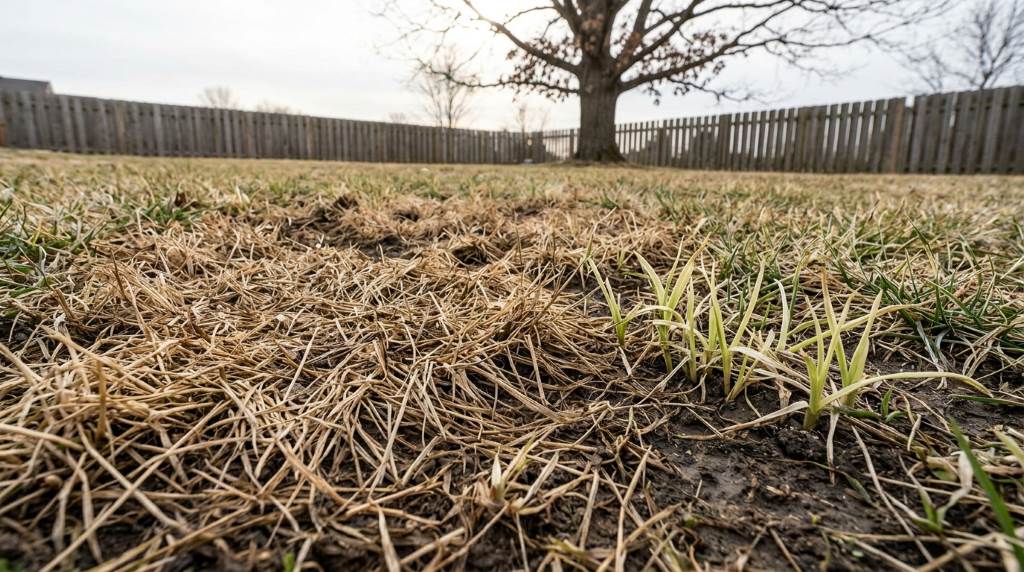
Overseeding with shade-tolerant grass blends helps maintain lawn density and fill bare spots.
Final Thought
Shade lawns demand patience, knowledge, and precise care. With the right grass types and tailored maintenance, even the shadiest yards can thrive. Prioritize fine fescues or zoysia, adjust mowing and watering, and focus on soil health. These steps turn frustrating shade patches into a verdant retreat.
Embrace shade lawn care with confidence and watch your yard transform into the envy of your neighborhood.
Read More: