

As the days grow shorter and temperatures drop, preparing your lawn for winter becomes essential. Proper seasonal care ensures your grass survives the harsh months and springs back vibrant and lush. Many homeowners underestimate the importance of winter preparation, but neglecting this stage can lead to patchy, damaged lawns. According to the National Gardening Association, 60% of lawn issues arise from improper fall and winter care. Therefore, understanding how to prepare your lawn for winter is key to long-term lawn health and curb appeal.
Assessing Your Lawn’s Current Health
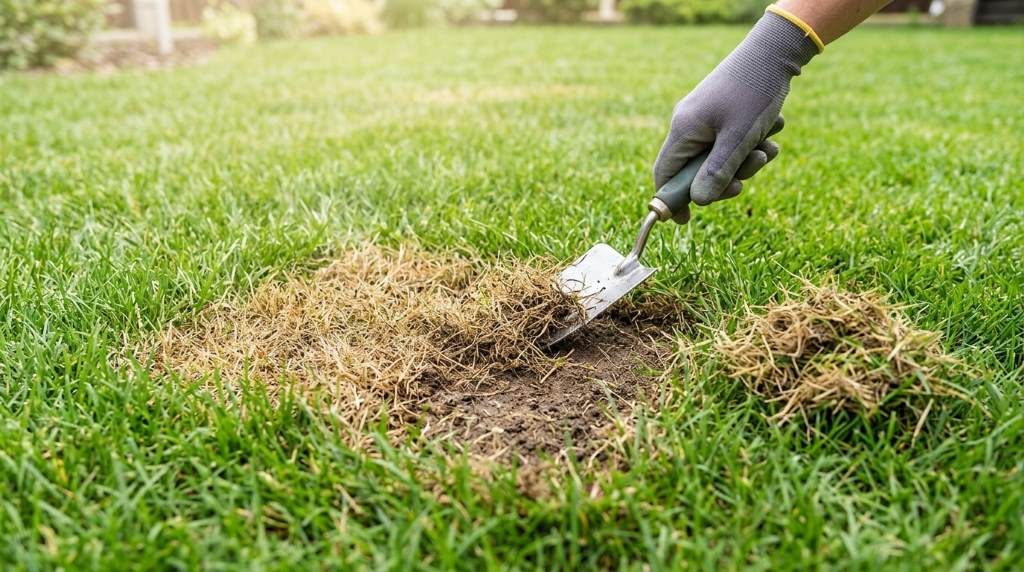
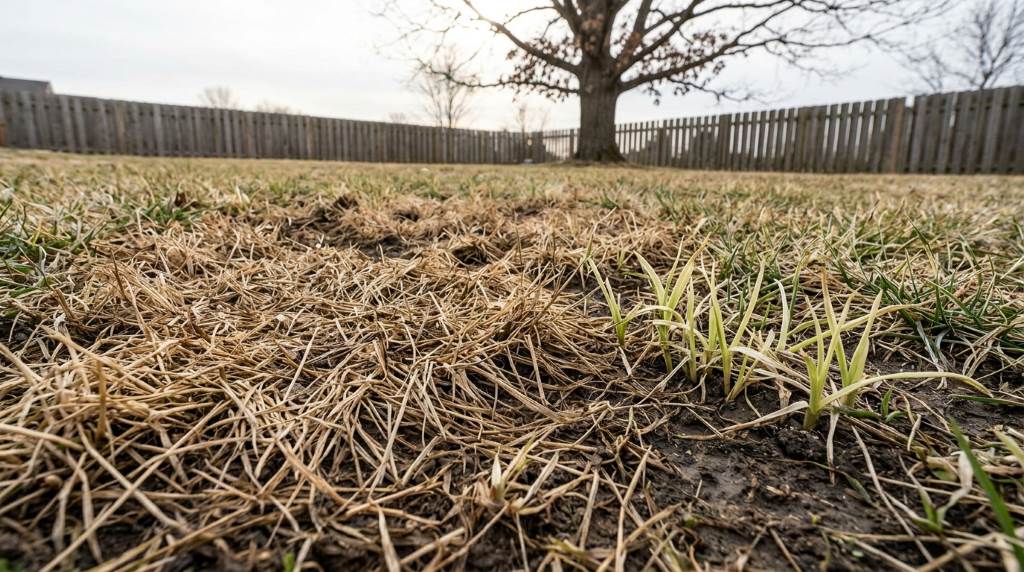
Before diving into winter prep, evaluate your lawn’s current condition. Is it thick, green, and free of weeds? Or thin with bare spots and discoloration? This assessment helps tailor your winter strategy. Turfgrass experts from the University of Minnesota stress that a healthy lawn entering winter resists disease and stress better. In contrast, neglected lawns are more susceptible to snow mold and pest damage during cold months. Therefore, addressing weak spots early can save you time and money in spring.
The Power of Proper Mowing
One of the most debated winter prep steps is mowing height. Many assume cutting grass extremely short before winter is beneficial, but this can harm the lawn. Turf professionals recommend gradually lowering your mower blade to about 2 to 2.5 inches in the final cuts. Cutting too short stresses the grass and exposes soil, increasing risk of frost damage. Conversely, leaving grass too long invites matting and fungal issues under snow. The right mowing height balances protection and health, supporting strong root development.
Raking and Leaf Removal: Not Just Clean-Up
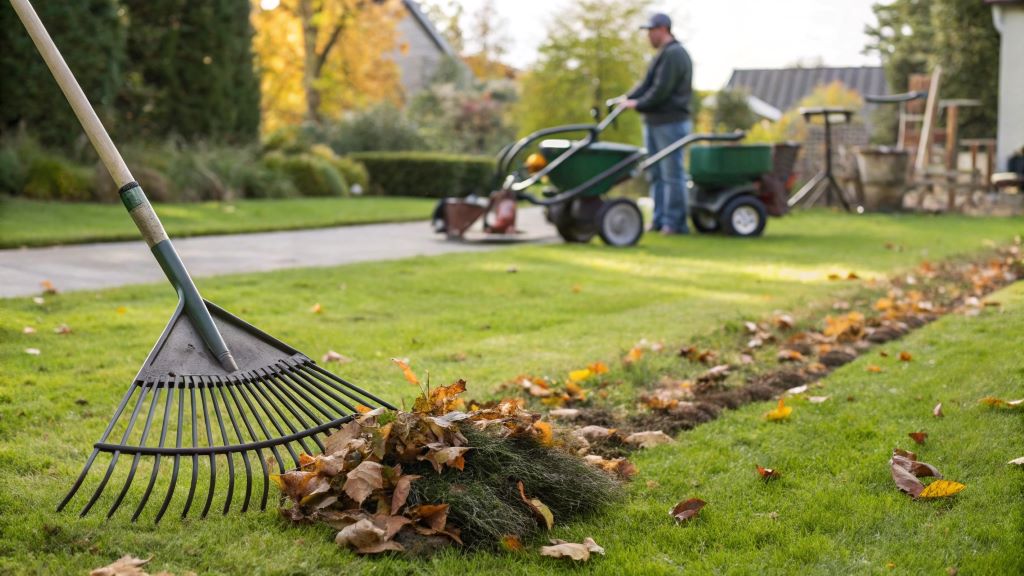
A common mistake is leaving fallen leaves on the lawn over winter. While leaves might seem harmless, they block sunlight and trap moisture, creating an environment ripe for fungal growth. The Pennsylvania State University Extension highlights that leaving thick layers of leaves can suffocate grass and promote diseases such as snow mold. Therefore, regularly raking or mulching leaves ensures airflow and light penetration. Using a mulching mower to finely chop leaves allows nutrients to recycle back into the soil, benefiting your lawn’s health.
Fertilizing for Root Strength and Recovery
Applying fertilizer in fall might seem counterintuitive, but it is one of the most crucial winter prep steps. Slow-release, nitrogen-rich fertilizers stimulate root growth, enabling the lawn to store energy for winter dormancy. According to the Lawn Institute, lawns fertilized properly in late fall recover faster and have thicker green coverage in spring. However, avoid fertilizing too late, as it encourages top growth vulnerable to frost damage. Timing is critical; the best window is about 4 to 6 weeks before the first hard freeze in your area.
Overseeding for a Dense Lawn
Overseeding is another effective method to prepare your lawn for winter. Thin or patchy lawns benefit from the introduction of new grass seeds, especially cool-season varieties such as Kentucky bluegrass or fescue. Overseeding fills gaps and improves turf density, which protects against weed invasion and soil erosion. Experts at the University of Illinois recommend performing overseeding just before winter dormancy to ensure seeds establish roots but avoid sprouting too early. This strategic timing leads to vigorous growth when spring arrives.
Aeration: Enhancing Soil Health
Soil compaction is a silent enemy to lawn health, particularly in high-traffic areas. Aerating your lawn before winter relieves compaction, allowing water, air, and nutrients to reach grass roots effectively. Lawn care specialists from Texas A&M University point out that aeration improves root resilience and overall lawn vigor. Additionally, it reduces runoff and pooling, common issues during rainy or snowy seasons. Using a core aerator to remove soil plugs is the most effective technique, promoting deep root systems ready to endure winter stress.
Managing Water Wisely
Watering habits must adjust in preparation for winter. While grass growth slows, it still needs adequate moisture to maintain root health. Overwatering, however, can lead to soggy soil, promoting root rot and fungal diseases. According to the Cooperative Extension at Cornell University, watering should gradually reduce in late fall, aiming for about an inch per week, depending on rainfall. If the ground freezes, cease watering entirely to avoid ice formation. Balancing moisture levels supports a lawn that can survive freezing temperatures and drought conditions.
Protecting Against Winter Damage
Heavy foot traffic, snow accumulation, and ice layers can damage your lawn over winter. Installing barriers or rerouting footpaths can minimize damage in high-use areas. Furthermore, avoid piling snow on the grass, which can suffocate turf and lead to mold problems. Some gardeners use winter covers or tarps in vulnerable spots to protect against harsh weather. These practical measures, combined with proper lawn prep, enhance your lawn’s chances of surviving the cold without significant damage.
Professional Opinions and Varied Perspectives
Some experts emphasize natural lawn care, suggesting organic fertilizers and compost to prepare for winter. They argue this method improves soil microbiome and long-term soil health. Meanwhile, others advocate for synthetic fertilizers and professional aeration equipment, citing immediate visible results. The truth lies in a balanced approach tailored to your lawn’s specific needs and local climate. Consulting local extension services or lawn care professionals can provide valuable region-specific advice.
Featured Snippet: How to Prepare Your Lawn for Winter: Seasonal Care Tips
Q: What are the essential steps to prepare your lawn for winter?
Preparing your lawn for winter involves several key steps: gradually lowering your mowing height to 2-2.5 inches, thoroughly raking leaves to prevent mold, applying a slow-release fertilizer 4-6 weeks before the first frost, aerating to relieve soil compaction, and overseeding to fill in bare spots. Additionally, adjust watering habits by reducing irrigation as temperatures drop and avoid heavy foot traffic during icy conditions. These steps ensure your lawn builds root strength and avoids winter damage, resulting in a healthy and vibrant spring lawn.
7 FAQs About Preparing Your Lawn for Winter
- When should I start preparing my lawn for winter?
Begin about 6 to 8 weeks before the first expected hard freeze in your area. - Is it necessary to fertilize in fall?
Yes, fall fertilization supports root growth and energy storage for winter dormancy. - Can I leave leaves on my lawn during winter?
No, thick leaf layers can cause fungal diseases and suffocate grass. - How often should I water my lawn in late fall?
Water about once a week, depending on rainfall and soil moisture. - What’s the best mowing height before winter?
Lower gradually to 2 to 2.5 inches; avoid cutting too short. - Is overseeding worth it in the fall?
Yes, overseeding strengthens lawn density and reduces weed problems. - Should I aerate my lawn before winter?
Absolutely, aeration relieves compaction and improves root access to nutrients.
Final Thought
Preparing your lawn for winter requires a thoughtful, consistent approach that balances mowing, fertilizing, watering, and soil care. Ignoring these seasonal steps risks lawn damage, disease, and a lackluster spring appearance. Whether you prefer organic methods or professional lawn care services, understanding the why and how behind each action empowers you to maintain a healthy, resilient lawn. By investing time and effort now, your lawn will thank you with vibrant green growth when the snow melts.
References:
- University of Minnesota Extension: Lawn Care in the Fall
- Pennsylvania State University Extension: Leaf Management for Lawns
- The Lawn Institute: Fall Fertilization Benefits
Read More: