
Imagine stepping outside to a lush, green lawn that not only boosts your home’s curb appeal but also supports a vibrant ecosystem teeming with life. A healthy lawn does more than look good—it’s a cornerstone of environmental health, fostering biodiversity, improving air quality, and even mitigating climate change. In this article, we’ll explore the profound lawn health benefits for local ecosystems, diving into how a well-maintained lawn can transform your yard into a hub for ecological balance. Whether you’re a homeowner, gardener, or eco-conscious individual, understanding these benefits will inspire you to nurture your lawn with purpose.
The Role of Lawns in Supporting Local Ecosystems
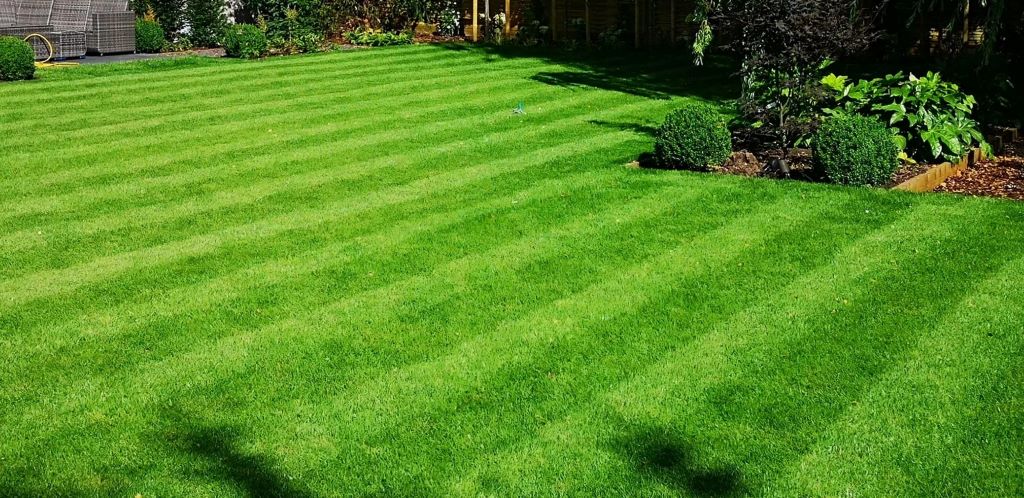
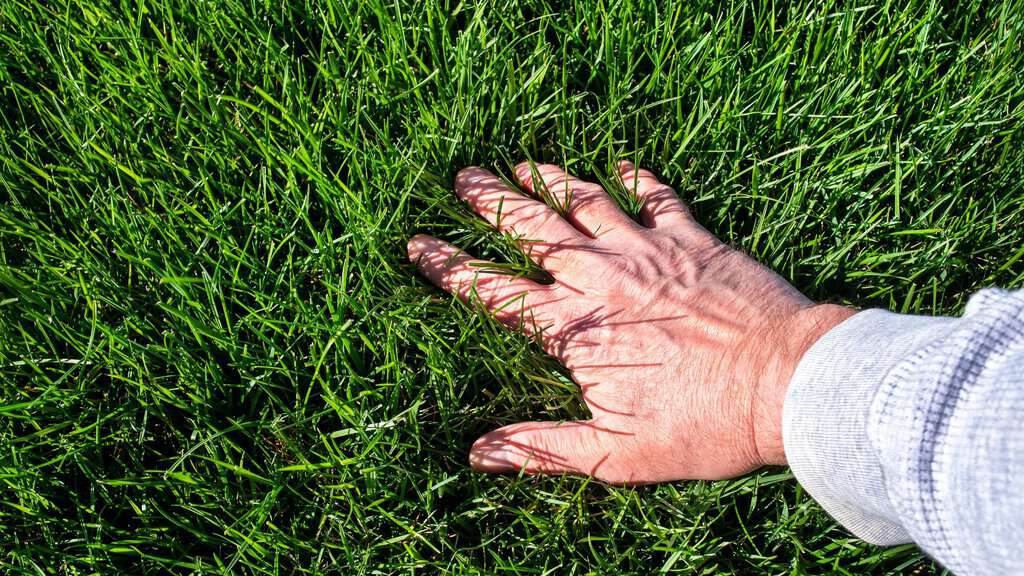
A healthy lawn is more than just grass—it’s a dynamic system that interacts with soil, water, air, and wildlife. Lawns act as mini-ecosystems, providing habitats, food sources, and environmental services that benefit both nature and humans. By maintaining a thriving lawn, you contribute to the health of your local environment in ways you might not expect.
1. Promoting Biodiversity
Healthy lawns support a surprising variety of life. From pollinators like bees and butterflies to microorganisms in the soil, a well-maintained lawn fosters biodiversity. Diverse grass species and native plants in your lawn can attract beneficial insects, which play a critical role in pollination and pest control. For instance, clover or wildflowers mixed into a lawn provide nectar for bees, supporting their populations and aiding in the pollination of nearby crops and gardens.
Soil health is equally vital. A robust lawn encourages microbial activity, which breaks down organic matter and recycles nutrients. These microorganisms create a balanced soil ecosystem, supporting plants and animals alike. By avoiding chemical overuse and embracing organic lawn care, you can enhance this biodiversity, creating a thriving habitat right in your backyard.
2. Improving Air Quality
Your lawn is a natural air purifier. Grass absorbs carbon dioxide during photosynthesis, releasing oxygen and reducing greenhouse gases. A single acre of healthy lawn can produce enough oxygen for 20 people daily, making it a powerful ally in combating air pollution. Additionally, grass traps dust, pollen, and other airborne particles, improving air quality for your community.
Lawns also cool the air through evapotranspiration, a process where water evaporates from grass blades, lowering surrounding temperatures. This cooling effect reduces the urban heat island effect, making cities more livable during hot summers. By maintaining a healthy lawn, you’re contributing to cleaner, fresher air and a more comfortable environment.
3. Preventing Soil Erosion
Healthy lawns act as a natural barrier against soil erosion. Grass roots anchor soil in place, preventing it from washing away during heavy rains. This is especially crucial in areas prone to flooding or runoff, where exposed soil can lead to sedimentation in waterways, harming aquatic ecosystems. A dense, well-rooted lawn stabilizes the ground, protecting local streams, rivers, and lakes from pollution.
Moreover, healthy lawns improve water infiltration. Strong root systems allow rainwater to penetrate the soil, reducing runoff and replenishing groundwater. This process supports local water cycles and ensures ecosystems downstream remain balanced.
4. Enhancing Water Quality
A thriving lawn filters rainwater as it passes through the soil, removing pollutants like nitrogen and phosphorus before they reach water bodies. This natural filtration system protects local streams and lakes from nutrient overload, which can cause harmful algal blooms. By maintaining healthy grass and avoiding over-fertilization, you ensure your lawn acts as an effective water purifier.
Organic lawn care practices, such as using compost or natural fertilizers, further enhance water quality. These methods reduce the risk of chemical runoff, safeguarding aquatic life and preserving clean water for your community.
5. Supporting Wildlife Habitats
A healthy lawn can be a sanctuary for local wildlife. Birds, small mammals, and insects rely on grassy areas for food, shelter, and breeding grounds. For example, ground-nesting birds may use your lawn as a safe space, while insects like ladybugs thrive in diverse grass ecosystems, naturally controlling pests. Incorporating native plants or leaving small patches of your lawn unmowed can create microhabitats that attract and sustain wildlife.
By reducing pesticide use and planting native species, you can transform your lawn into a haven for creatures big and small, contributing to the resilience of local ecosystems. Discover Top Lawn Care Equipment Every Homeowner Should Have in 2025.
Practical Tips for Maintaining a Healthy, Eco-Friendly Lawn
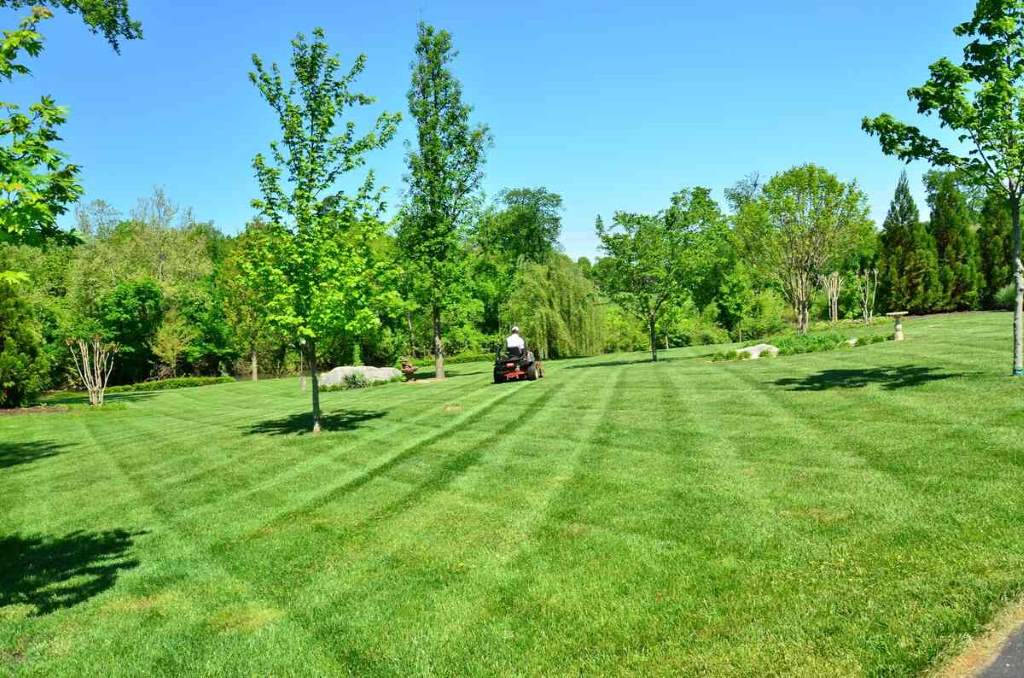
To maximize the ecological benefits of your lawn, adopt sustainable practices that prioritize both grass health and environmental stewardship. Here are actionable tips to get started:
1. Choose the Right Grass Species
Select grass varieties suited to your climate and soil type. Native or drought-tolerant grasses, like buffalo grass or fescue, require less water and maintenance while supporting local ecosystems. Consult your local extension service for recommendations tailored to your region.
2. Practice Organic Lawn Care
Use natural fertilizers, such as compost or manure, to nourish your lawn without harming the environment. Avoid synthetic chemicals that can disrupt soil ecosystems and pollute waterways. Aerating your lawn annually improves soil health, allowing nutrients and water to reach grass roots effectively.
3. Water Wisely
Water deeply but infrequently to encourage strong root growth. Early morning watering minimizes evaporation and fungal growth. Consider installing a rain barrel to collect rainwater for irrigation, reducing your environmental footprint.
4. Mow Smart
Set your mower blade to a higher setting (3-4 inches) to promote deeper roots and shade the soil, reducing water loss. Leave grass clippings on the lawn to decompose, returning nutrients to the soil naturally.
5. Incorporate Native Plants
Mix native wildflowers or clover into your lawn to attract pollinators and enhance biodiversity. These plants are adapted to local conditions, requiring less maintenance and supporting native wildlife.
The Broader Impact: Lawns and Climate Change
Healthy lawns play a role in mitigating climate change. By sequestering carbon in the soil, grass helps reduce atmospheric CO2 levels. A well-maintained lawn with healthy soil can store significant amounts of carbon, acting as a natural carbon sink. Additionally, the cooling effect of lawns reduces energy demands for air conditioning, lowering your carbon footprint.
Community-wide lawn care efforts amplify these benefits. Neighborhoods with thriving lawns create green corridors that connect habitats, support wildlife migration, and enhance urban resilience to climate impacts.
Overcoming Common Lawn Care Challenges
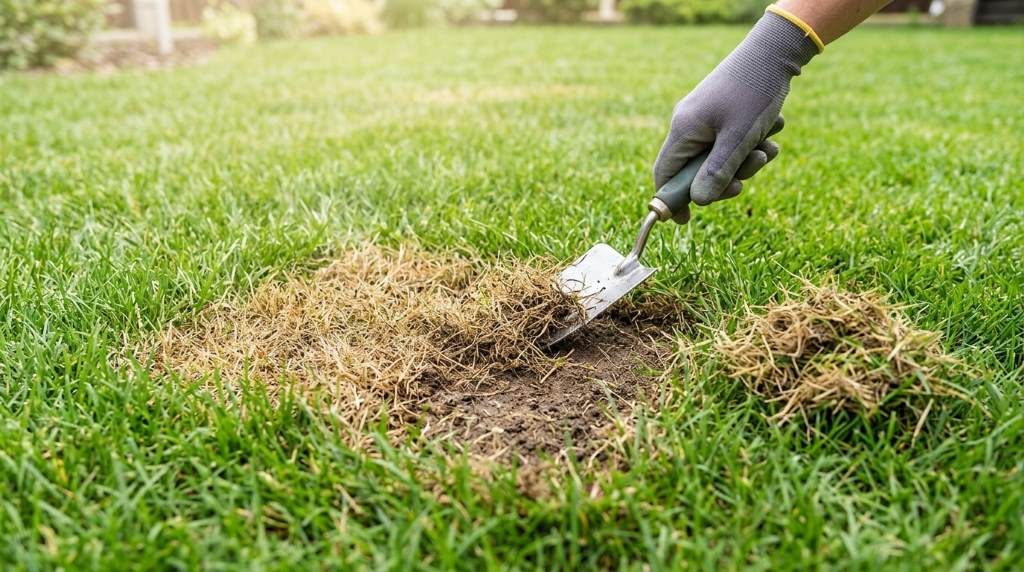
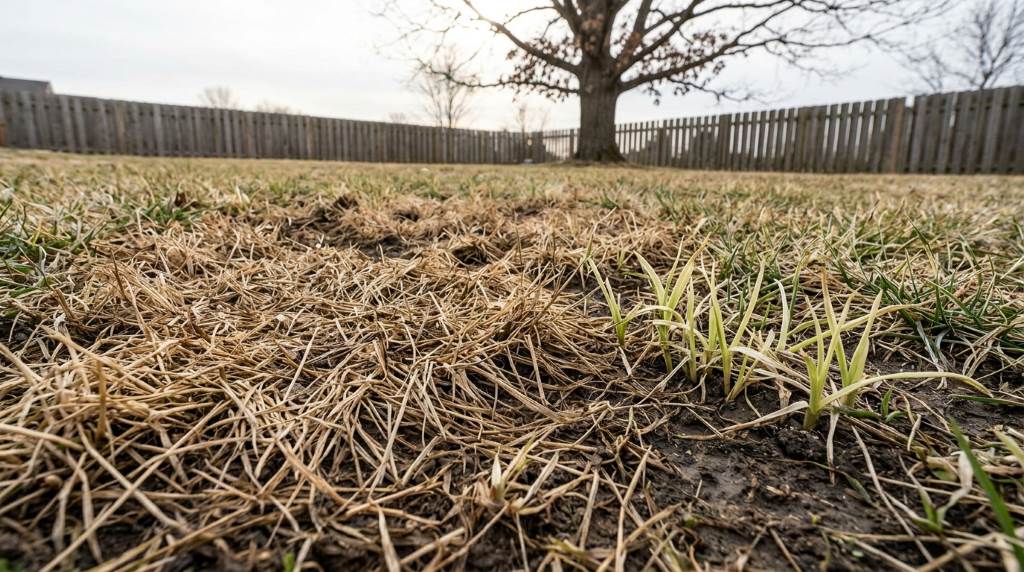
Maintaining a healthy lawn isn’t without challenges. Pests, weeds, and drought can threaten grass health, but eco-friendly solutions exist. For instance, introduce beneficial insects like ladybugs to control pests naturally, or use mulch to suppress weeds. During droughts, prioritize watering high-traffic areas and let less-used sections go dormant—they’ll recover when conditions improve.
Regular soil testing can also identify nutrient deficiencies, allowing you to address issues without overusing fertilizers. By tackling challenges proactively, you ensure your lawn remains a vital part of the local ecosystem.
Conclusion: Your Lawn, Your Ecosystem
A healthy lawn is more than a pretty yard—it’s a powerhouse for local ecosystems. From supporting pollinators and wildlife to improving air and water quality, a thriving lawn offers tangible environmental benefits. By adopting sustainable practices like organic care, smart watering, and native planting, you can transform your lawn into a beacon of ecological health.
Ready to make a difference? Start by assessing your lawn’s health and implementing one or two eco-friendly practices today. Share your journey in the comments below, or connect with local gardening groups to learn more about sustainable lawn care. Together, we can create greener, healthier communities—one lawn at a time.