
Every gardener, whether a seasoned expert or a weekend enthusiast, knows the struggle against weeds. These persistent invaders compete with your cherished plants for resources, steal the spotlight in your flower beds, and can even harbor pests and diseases. While the quick fix of chemical herbicides might seem tempting, they come with a cost, potentially harming beneficial insects, polluting waterways, and even affecting your family’s health.
Fortunately, there’s a better way. Embracing organic and sustainable weed control methods not only protects the environment but also fosters a healthier and more vibrant garden. This comprehensive guide explores the most effective strategies to combat weeds naturally, ensuring your garden remains a haven for your plants and the ecosystem they support.
Understanding the Enemy: Why Weed Control Matters
Before we delve into the arsenal of organic weed control methods, it’s crucial to understand why weeds pose such a challenge. Weeds are opportunistic plants, masters of survival and propagation. Their rapid growth, prolific seed production, and adaptability allow them to quickly colonize any available space.
Left unchecked, weeds can:
- Outcompete your plants: Weeds aggressively compete for essential resources like sunlight, water, and nutrients, leaving your desired plants struggling to thrive.
- Reduce crop yields: In vegetable gardens, weeds can significantly impact productivity, reducing the size and quality of your harvest.
- Harbor pests and diseases: Many weeds act as hosts for common garden pests and diseases, facilitating their spread to your valuable plants.
- Impact soil health: Certain weeds can alter soil pH or deplete nutrients, creating an unfavorable environment for your garden.
- Diminish aesthetic appeal: Let’s face it, weeds can make even the most carefully planned garden look unkempt and neglected.
Effective weed control is not just about aesthetics; it’s about maintaining a healthy and productive garden ecosystem.
Prevention is Key: Stopping Weeds Before They Start
The most effective weed control strategy starts with prevention. By creating a less hospitable environment for weeds and reducing their chances of taking root, you can significantly minimize future weeding efforts. Here are some proactive measures:
- Mulching: Applying a layer of organic mulch, such as wood chips, straw, or shredded leaves, around your plants acts as a physical barrier, suppressing weed growth by blocking sunlight and inhibiting seed germination. Mulch also helps retain soil moisture and improve soil health, further benefiting your desired plants.
- Dense Planting: Strategically spacing your plants closer together can create a living mulch, effectively shading the ground and leaving little room for weeds to establish themselves.
- Healthy Soil: Maintaining fertile, well-drained soil promotes vigorous plant growth, allowing your desired plants to outcompete weeds naturally. Regular soil testing and amendments can ensure optimal conditions for your garden.
- Weed-Free Compost: Using weed-free compost is essential to prevent introducing weed seeds into your garden. Ensure your compost pile reaches high enough temperatures to kill weed seeds and pathogens.
- Clean Gardening Tools: Weed seeds can easily hitchhike on gardening tools. Regularly clean your tools to avoid spreading weeds from one area of your garden to another.
By implementing these preventive measures, you can create a formidable defense against weed invasion, reducing the need for more labor-intensive control methods.
Organic Weed Control Methods: A Holistic Approach
While prevention is crucial, some weeds will inevitably find their way into your garden. Fortunately, a range of organic and sustainable methods can effectively control weeds without resorting to harmful chemicals.
-
Hand Weeding:
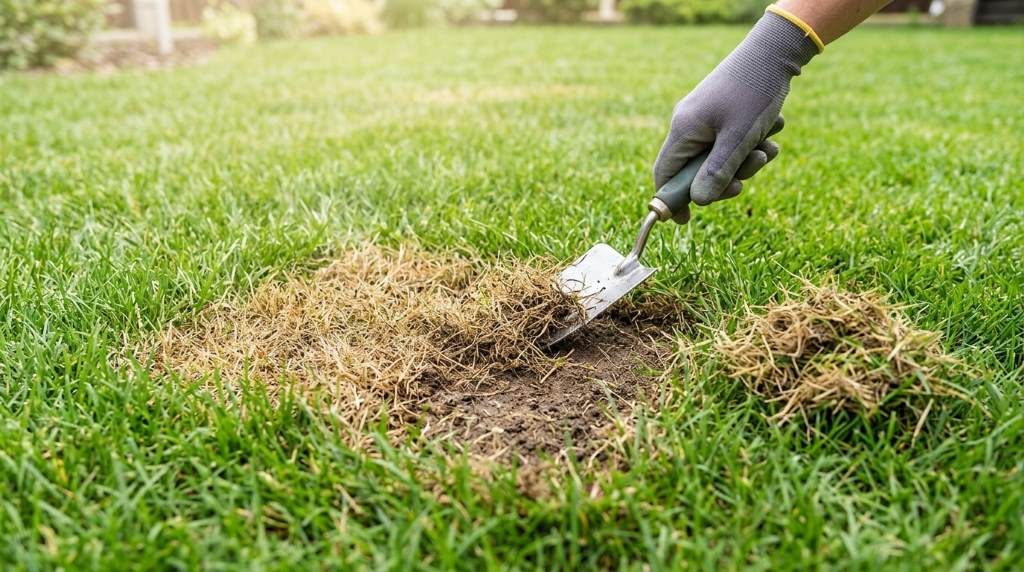
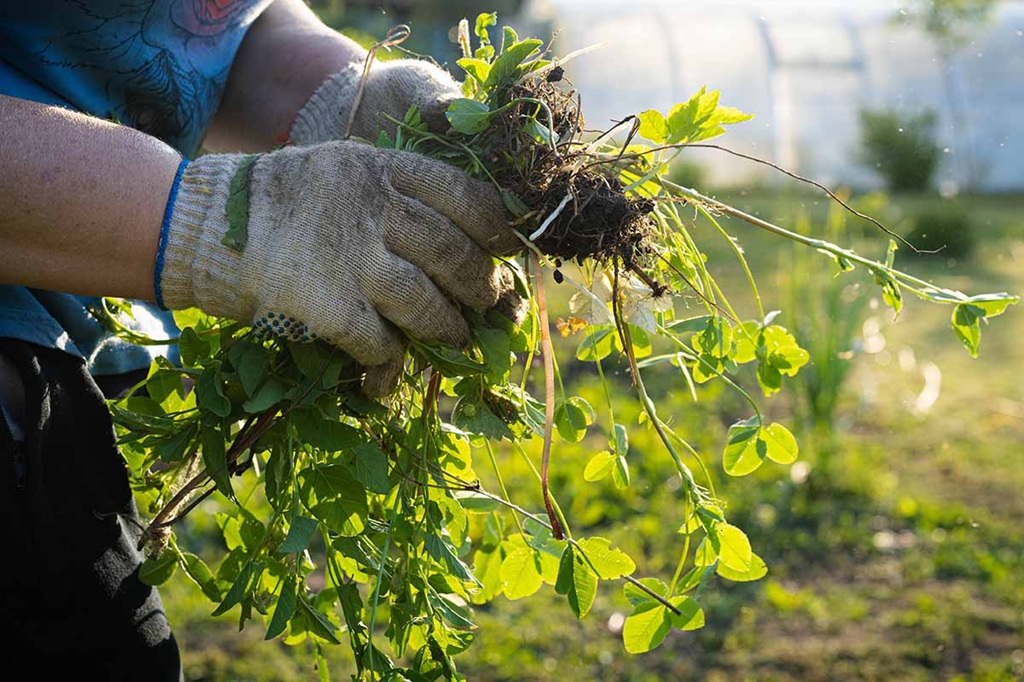
The most basic and often most effective method, hand weeding involves physically removing weeds from the ground. This method is particularly useful for small gardens or targeted weed control.
- Pros: Environmentally friendly, selective, and allows for close observation of your garden.
- Cons: Can be time-consuming and labor-intensive, especially for large infestations.
Tips for Effective Hand Weeding:
- Weed early and often: Tackle weeds when they are young and small, before they develop extensive root systems or produce seeds.
- Water the area beforehand: Moist soil makes it easier to pull out weeds with their entire root system.
- Use the right tools: Invest in quality gardening gloves and a hand trowel or weeding fork to make the job easier.
- Dispose of weeds properly: Avoid composting weeds that have gone to seed, as they may survive and spread in your compost.
-
Hoeing:
Hoeing is a time-tested method for controlling young weeds, especially annuals. Using a hoe to sever weeds at the soil surface disrupts their growth and prevents them from establishing themselves.
- Pros: Efficient for controlling weeds in open areas, can also help aerate the soil.
- Cons: Less effective on established weeds with deep root systems, can damage shallow-rooted plants if not used carefully.
Tips for Effective Hoeing:
- Hoe on sunny days: Exposing the severed weeds to sunlight helps them dry out and die.
- Maintain a sharp hoe: A sharp blade makes clean cuts and reduces soil disturbance.
- Hoe shallowly: Avoid deep hoeing, which can bring buried weed seeds to the surface.
-
Solarization:
Solarization utilizes the sun’s power to kill weeds and soilborne pathogens. This method involves covering the affected area with clear plastic sheeting during the hottest months, trapping solar radiation and raising soil temperatures to lethal levels for many weeds.
- Pros: Environmentally friendly, effective against a wide range of weeds and soilborne pests.
- Cons: Requires several weeks of sunny weather, can temporarily disrupt soil life.
Tips for Effective Solarization:
- Prepare the soil: Till the soil and moisten it thoroughly before covering it with plastic.
- Secure the plastic: Ensure the plastic sheeting is tightly sealed to trap heat effectively.
- Leave in place for 4-6 weeks: The longer the plastic remains in place, the more effective the treatment.
-
Organic Herbicides:
While the term “herbicide” might seem contradictory to organic gardening, several naturally derived herbicides offer effective weed control without the harmful side effects of synthetic chemicals.
- Vinegar: Household vinegar, with its acetic acid content, can be used as a contact herbicide, effectively killing the top growth of weeds.
- Corn Gluten Meal: Corn gluten meal acts as a natural pre-emergent herbicide, inhibiting seed germination. It’s particularly useful for controlling annual weeds in lawns.
- Essential Oils: Certain essential oils, like clove oil and citrus oil, have herbicidal properties and can be used to spot-treat weeds.
Important Note: Even organic herbicides should be used with caution, as they can harm desired plants if misapplied. Always follow product instructions carefully and spot-test in a small area before widespread use.
-
Biological Control:
Biological control involves introducing natural enemies of weeds, such as insects or fungi, to suppress their growth. This method is often used for controlling invasive weed species.
- Pros: Environmentally friendly, can provide long-term control.
- Cons: Can be slow-acting, may not be effective against all weed species.
Example: Introducing goats to graze on weeds in a pasture or using specific insects to control invasive plants.
Choosing the Right Method: A Tailored Approach
The most effective weed control strategy often involves a combination of methods tailored to your specific garden, the types of weeds you’re dealing with, and your personal preferences. Consider the following factors when choosing your approach:
- Weed type: Identify the weeds you’re dealing with to determine the most effective control method. Annual weeds are generally easier to control than perennial weeds with established root systems.
- Garden size and location: Hand weeding might be sufficient for small gardens, while larger areas may require more efficient methods like hoeing or solarization.
- Time commitment: Some methods, like hand weeding, require more time and effort than others.
- Environmental considerations: Choose methods that align with your commitment to organic gardening and environmental sustainability.
Reviews of Organic Weed Control Products
The market for organic weed control products is growing, offering gardeners a variety of options to combat weeds naturally. Here are reviews of some popular choices:
- Espoma Corn Gluten Meal: This pre-emergent herbicide effectively prevents weed seeds from germinating, making it a popular choice for lawns and gardens. It also adds nitrogen to the soil, benefiting your plants.
- Doctor Kirchner Natural Weed Killer: This non-selective herbicide utilizes natural ingredients like citrus oil and clove oil to kill weeds on contact. It’s a good option for spot-treating weeds in walkways and driveways.
- Natria Weed Killer: This fast-acting herbicide is derived from essential oils and effectively controls a wide range of weeds. It’s OMRI-listed for organic use and safe for use around pets and children.
Remember: Always read product labels carefully and follow instructions for safe and effective use.
Related: Agrobots: The Rise of Automation in Farming
Pros and Cons of Organic Weed Control
Pros:
- Environmentally friendly: Organic methods protect the environment, avoiding the harmful effects of synthetic chemicals on soil, water, and wildlife.
- Safe for humans and pets: Organic methods minimize exposure to toxic chemicals, promoting a healthier environment for your family and pets.
- Sustainable: Organic practices promote long-term soil health and ecological balance, ensuring a thriving garden for years to come.
- Cost-effective: Many organic methods, like hand weeding and mulching, are inexpensive and utilize readily available materials.
Cons:
- Can be labor-intensive: Some organic methods, like hand weeding, require more time and effort than simply spraying herbicides.
- May require more frequent applications: Organic methods may not provide the same long-lasting control as synthetic herbicides, requiring more frequent applications.
- Not always 100% effective: While organic methods can effectively control many weeds, some battling weeds may require a combination of approaches or persistent effort.
Battling Weeds (FAQ)
- Are organic weed control methods as effective as chemical herbicides?
While organic methods may not provide the instant gratification of chemical herbicides, they can be just as effective in the long run. The key is consistency and choosing the right methods for your specific situation.
- Can I use vinegar from my kitchen to kill weeds?
Yes, household vinegar with 5% acetic acid can be used as a contact herbicide. However, it’s important to use it cautiously, as it can harm desired plants if misapplied.
- What is the best way to prevent weeds in my garden?
The most effective way to prevent weeds is to use a combination of methods, including mulching, dense planting, maintaining healthy soil, and using weed-free compost.
Related: 7 Easy Steps for Eco-Friendly Lawn Care
- Is it safe to compost weeds?
It’s generally safe to compost weeds that have not gone to seed. However, avoid composting invasive weeds or those with persistent root systems, as they may survive and spread in your compost.
- Where can I learn more about organic gardening practices?
Many resources are available to help you learn more about organic gardening, including books, websites, and local gardening organizations. Your local extension office can also provide valuable information and advice.
Conclusion: Embracing a Sustainable Approach
Battling weeds is an ongoing challenge for every gardener, but it doesn’t have to be a battle against nature. By embracing organic and sustainable weed control methods, you can create a thriving garden that’s not only beautiful but also environmentally responsible. Remember, the key is prevention, choosing the right methods for your situation, and being persistent in your efforts. With a little patience and dedication, you can win the war against weeds while fostering a healthy and vibrant ecosystem in your garden.