
A lush, green lawn enhances your home’s curb appeal and provides a relaxing outdoor space. However, lawn issues like patchy grass, weeds, or discoloration can turn your yard into an eyesore. Spotting and solving these problems early ensures your lawn thrives. This guide educates you on common lawn troubles, demonstrates practical solutions, and fascinates with insights to keep your yard vibrant. Whether you’re a seasoned gardener or a beginner, addressing lawn care challenges promptly can save time and effort. Let’s explore how to identify and fix lawn issues to maintain a healthy, beautiful yard.
Identifying Common Lawn Problems Early
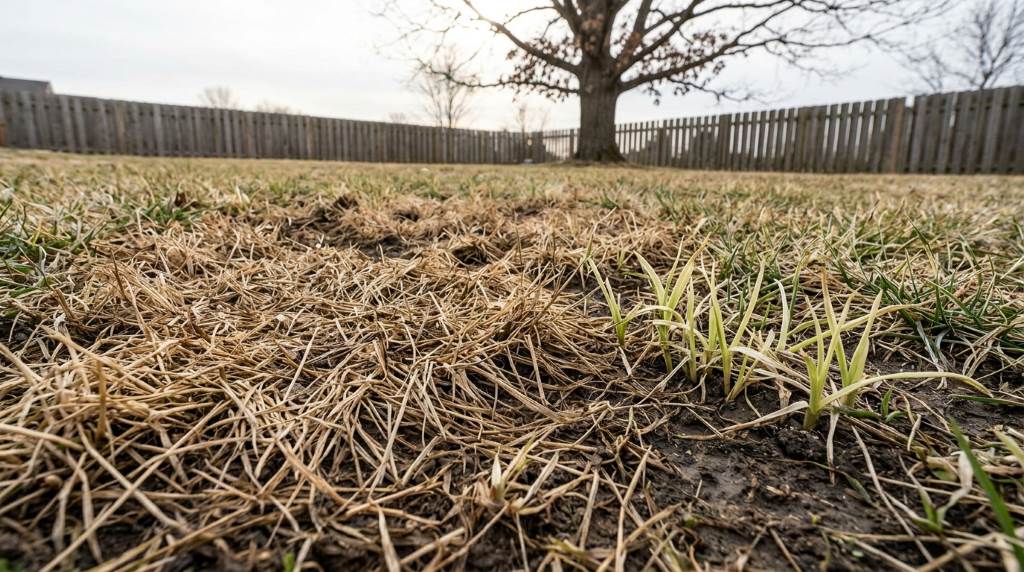
Lawn issues often start small but can escalate if ignored. Common problems include patchy grass, weeds, pests, and soil compaction. Recognizing these early allows for quick fixes. For instance, brown spots may signal drought stress or fungal diseases, while uneven growth could indicate poor soil quality. According to a 2021 study by the University of Maryland Extension, 60% of lawn damage stems from preventable issues like improper watering or nutrient deficiencies. Observing your lawn weekly helps catch these signs.
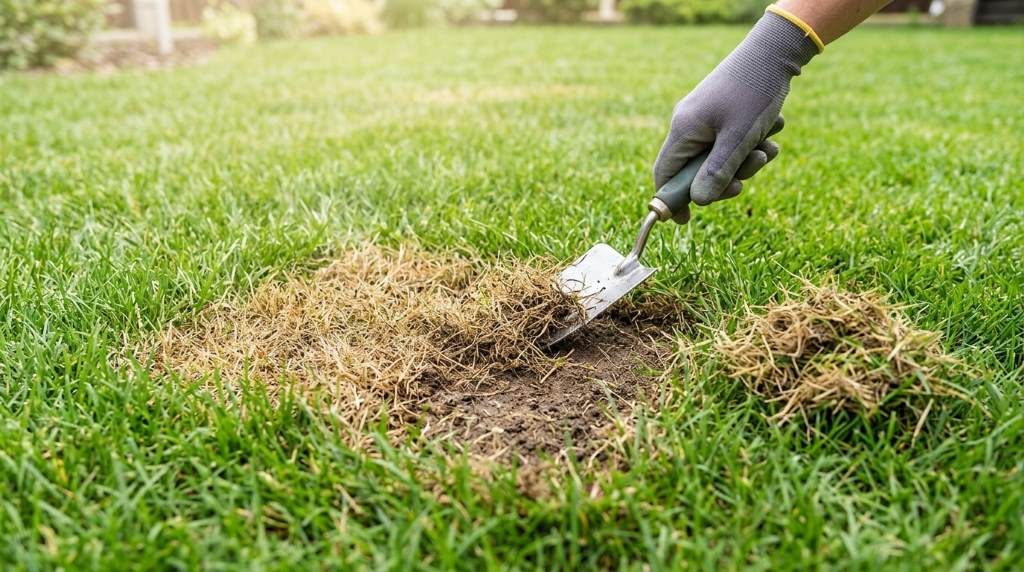
My own lawn once suffered from yellowing patches. Initially, I assumed it was just dry weather, but closer inspection revealed grubs. This experience taught me the value of regular checks. Walk your yard, look for discoloration, or dig a small patch to inspect roots. Early detection saves time and prevents costly repairs. Use a journal to track changes, ensuring you address problems before they spread.
Tackling Patchy Grass with Proven Solutions
Patchy grass frustrates homeowners, often caused by poor soil, inadequate water, or heavy foot traffic. To fix this, test your soil’s pH and nutrient levels. Ideal lawn pH ranges from 6.0 to 7.0, per the USDA’s Natural Resources Conservation Service. If levels are off, apply lime or sulfur as needed. Reseed bare spots with grass varieties suited to your climate, like Kentucky bluegrass for cooler regions.
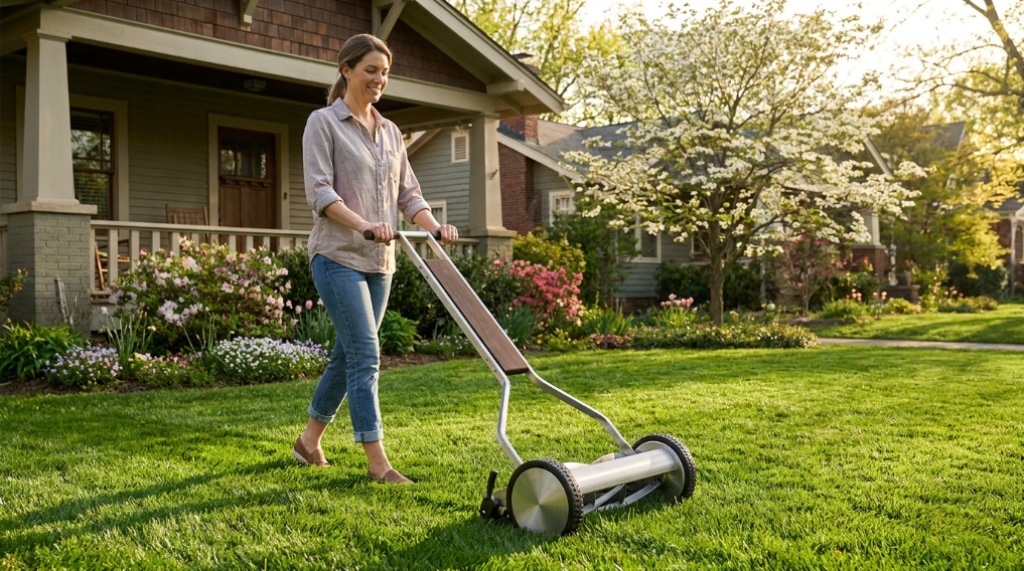
Aeration also helps by loosening compacted soil, allowing roots to breathe. Water deeply but infrequently to encourage strong root growth. Last summer, I revived a patchy corner of my lawn by aerating and overseeding. Within weeks, it was lush again. Avoid mowing too short, as this stresses grass. Instead, keep blades at 3 inches for most types. These steps restore uniformity and keep your lawn healthy year-round.
Controlling Weeds Without Harming Your Lawn
Weeds like dandelions or crabgrass compete with grass for nutrients, ruining your lawn’s look. Manual removal works for small infestations—pull weeds with their roots to prevent regrowth. For larger areas, use selective herbicides, but apply carefully to avoid harming grass. Pre-emergent herbicides stop weeds before they sprout, especially in spring. A 2020 report from the EPA notes that proper herbicide use reduces lawn weed cover by up to 70%.
Mulching bare spots prevents weed seeds from taking hold. I once battled crabgrass overtaking my front yard. Regular hand-pulling and a pre-emergent herbicide turned the tide. Mow high to shade out weed seeds, and water consistently to strengthen grass. Healthy lawns naturally resist weeds, so focus on soil health and proper care. Always read herbicide labels for safe application, protecting both your lawn and the environment.
Addressing Lawn Pests and Diseases Effectively
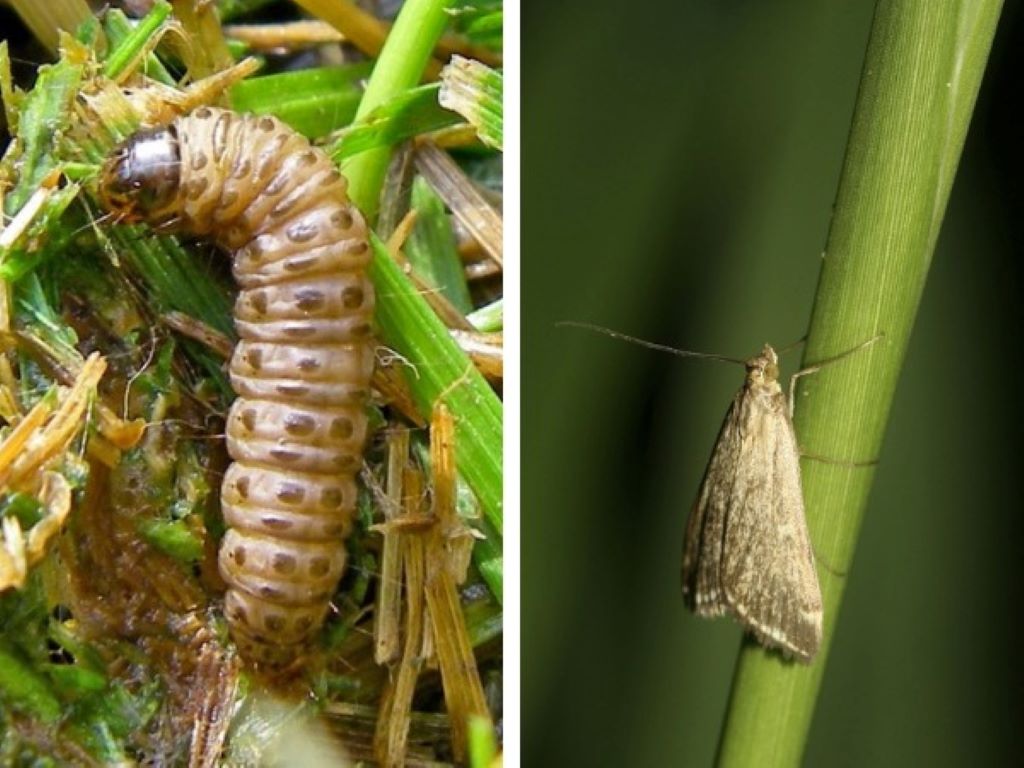
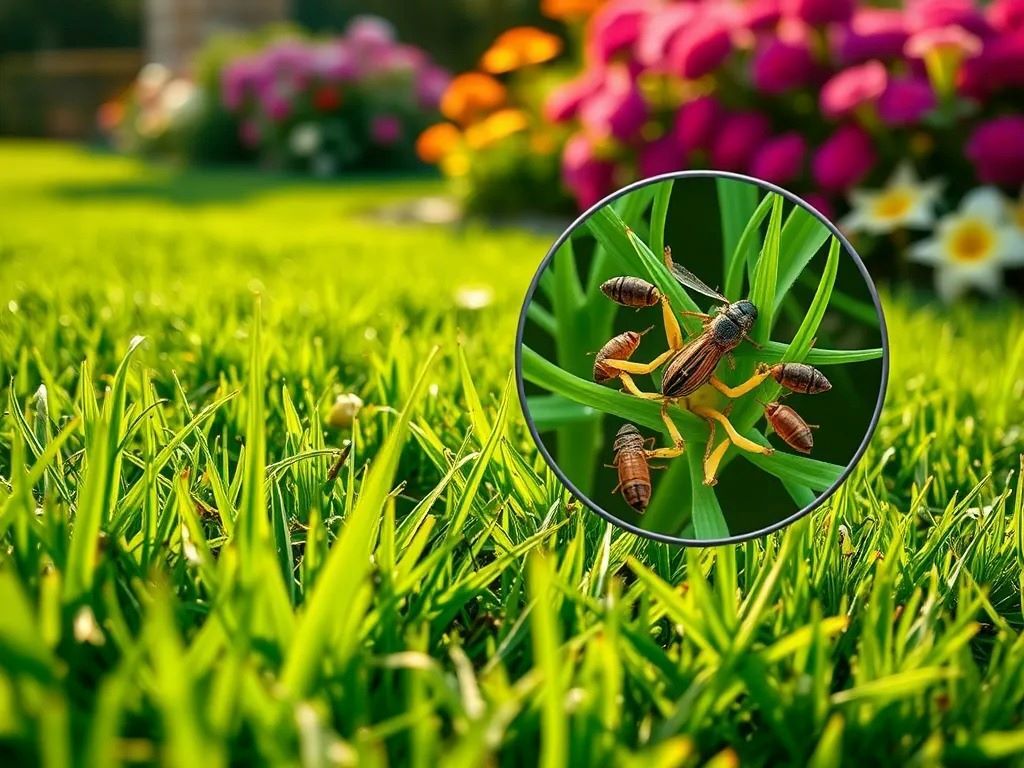
Pests like grubs or chinch bugs and diseases like brown patch can devastate lawns. Grubs eat roots, causing wilting, while fungal diseases thrive in wet conditions. Check for pests by lifting sod; if you find more than 10 grubs per square foot, treatment is needed. Use biological controls like nematodes for pests or fungicides for diseases, applied as directed. The University of Maryland Extension recommends monitoring soil moisture to prevent fungal spread.
My lawn once suffered from brown patch after heavy rain. Improving drainage and applying a fungicide resolved it. Ensure good air circulation by pruning overhanging branches. Avoid overwatering, and mow regularly to prevent disease-friendly conditions. Early intervention keeps damage minimal. If unsure, consult a local extension service for accurate diagnosis and treatment plans tailored to your region.
Improving Soil Health for a Thriving Lawn
Healthy soil is the foundation of a vibrant lawn. Compacted or nutrient-poor soil stifles grass growth. Test your soil annually to check nutrient levels and pH. Add organic matter like compost to improve structure and fertility. Aeration, done yearly, reduces compaction, letting water and nutrients reach roots. The USDA reports that aerated lawns absorb 20% more water, boosting grass health.
Spread a thin layer of compost yearly to enrich soil. I noticed my lawn’s color improved after adding compost in spring. Water consistently, aiming for 1 inch per week, including rainfall. Avoid over-fertilizing, as excess nitrogen burns grass. Use slow-release fertilizers for steady nutrient delivery. Healthy soil supports strong grass, reducing weeds and pests naturally, ensuring your lawn stays lush and resilient.
Practical Tips to Maintain a Healthy Lawn
Maintaining a healthy lawn requires consistent care. Here are proven tips to keep your yard thriving:
- Mow correctly: Set blades to 3 inches to promote deep roots and shade out weeds.
- Water wisely: Provide 1 inch of water weekly, early in the morning, to reduce evaporation.
- Fertilize seasonally: Use slow-release fertilizers in spring and fall for balanced growth.
- Aerate annually: Loosen soil to improve water and nutrient absorption.
- Remove debris: Clear leaves and clippings to prevent disease and pest buildup.
These habits, practiced regularly, prevent common lawn issues. I learned this after neglecting my lawn one season, only to face weeds and bare spots. Consistency is key. Check weather forecasts to time watering and avoid over-saturation. A little effort goes a long way in keeping your lawn vibrant and inviting.
Conclusion
A thriving lawn boosts your home’s appeal and creates a welcoming outdoor space. By spotting issues like patchy grass, weeds, pests, or poor soil early, you can take simple steps to fix them. Regular care, from proper mowing to soil testing, ensures long-term health. My own yard transformed from patchy to lush with consistent effort, proving these methods work. Don’t let your lawn suffer—act today to maintain its beauty. Share your lawn care tips or questions in the comments below, or spread this guide to help others keep their yards vibrant!
FAQs
Why is my lawn turning brown despite watering?
Brown patches often result from insufficient water, pests, or fungal diseases. Check soil moisture and inspect for grubs or disease signs. Adjust watering and consider professional diagnosis.
How often should I aerate my lawn?
Aerate once a year, ideally in fall or spring, to reduce soil compaction and improve water absorption. Heavy traffic areas may need more frequent aeration.
What’s the best way to remove weeds?
Hand-pull small weeds with roots, or use selective herbicides for larger infestations. Apply pre-emergent herbicides in spring to prevent weed growth.
Can I fix patchy grass without reseeding?
Improve soil health with aeration and compost. If patches persist, reseeding with climate-appropriate grass ensures a uniform lawn.
How do I know if my soil is healthy?
Test soil pH and nutrients annually. A pH of 6.0–7.0 and balanced nutrients support healthy grass. Add compost to improve soil structure.
Read More: