
Mowing seems simple, but many homeowners unknowingly harm their lawns with poor techniques. Improper mowing can weaken grass, invite pests, and ruin curb appeal. This guide explores common mistakes, offers practical tips, and shares expert insights to ensure your lawn thrives. Whether you’re a novice or seasoned gardener, you’ll discover ways to mow smarter, not harder. From blade height to mowing patterns, we’ll cover it all to help you achieve a lush, healthy lawn. Let’s dive into how to mow correctly and avoid pitfalls that could damage your yard.
Why Proper Mowing Techniques Matter for Lawn Health
Mowing isn’t just about aesthetics; it impacts your lawn’s health. Cutting grass too short or using dull blades stresses plants, making them prone to disease and weeds. According to a 2021 study by the University of Georgia Extension, improper mowing reduces grass vigor by up to 30%. Healthy mowing promotes strong roots and dense growth, improving drought resistance.
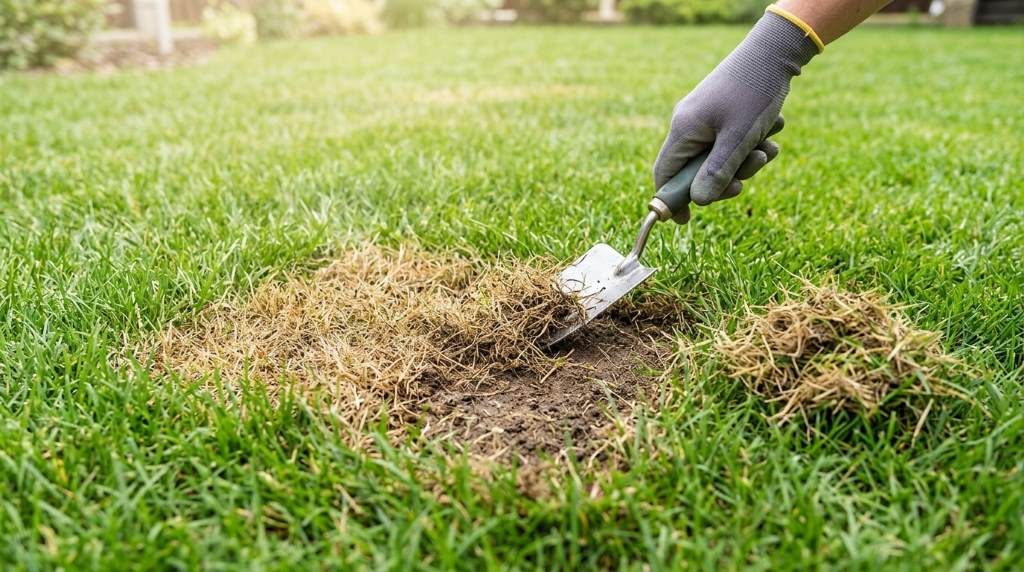
Additionally, correct techniques save time and money. A well-maintained lawn needs less water and fewer treatments. I once scalped my lawn by cutting it too low, resulting in patchy spots that took weeks to recover. Learning proper methods transformed my yard into a vibrant green space. By mowing thoughtfully, you ensure a resilient lawn that enhances your home’s value and charm.
Common Mistakes Homeowners Make When Mowing Grass
Many homeowners unknowingly sabotage their lawns with avoidable errors. These mistakes weaken grass and invite problems like weeds or bare patches. Here are the top missteps to avoid:
- Cutting Too Short: Scalping stresses grass, exposing soil to weeds. Aim for a height of 2.5–3.5 inches for most grass types.
- Using Dull Blades: Jagged cuts from dull blades harm grass, increasing disease risk. Sharpen blades every 20–25 hours of use.
- Mowing Wet Grass: Wet clippings clump, smothering the lawn. Wait for dry conditions to ensure an even cut.
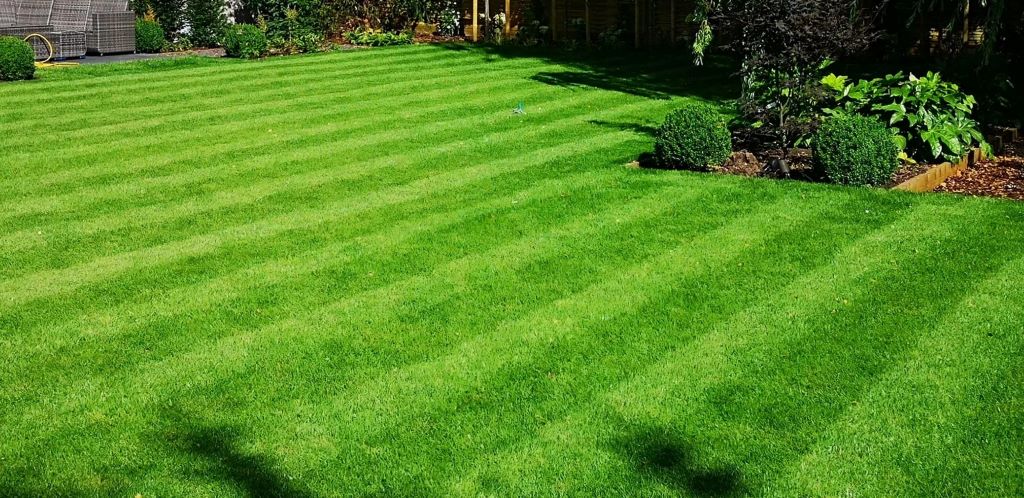
- Ignoring Mowing Patterns: Repeating the same pattern compacts soil. Alternate directions weekly to promote even growth.
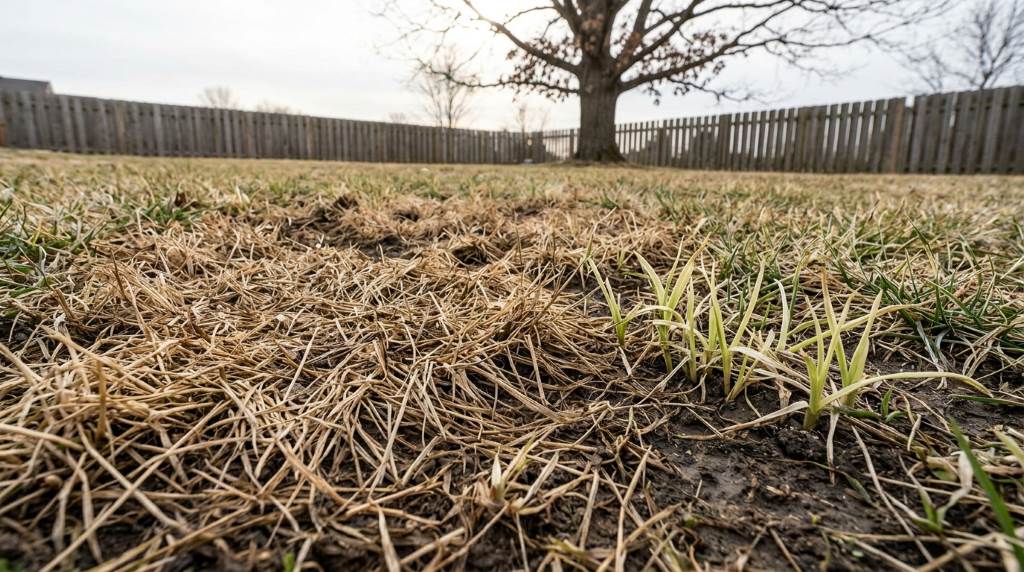
A 2020 study by Purdue University found that 60% of homeowners mow too short, reducing turf density. I learned this the hard way when my lawn turned patchy after cutting it too low during a heatwave. Adjusting my approach made all the difference.
How to Choose the Right Mowing Height for Your Grass
Selecting the proper mowing height is crucial for a healthy lawn. Different grass types thrive at specific heights. For example, Bermuda grass prefers 1–2 inches, while fescue does best at 3–4 inches. Cutting too low weakens roots, while leaving grass too tall can cause thatch buildup.
To find the right height, identify your grass type and adjust your mower accordingly. Most lawns benefit from a height of 2.5–3.5 inches, as it encourages deep roots and shades out weeds. I once set my mower too low for my tall fescue, resulting in sparse growth. After researching, I raised the blade, and my lawn flourished. Check your mower’s manual for height settings, and never cut more than one-third of the grass blade at a time to avoid stress.

Best Practices for Mowing Like a Pro Every Time
Mowing like an expert requires simple but effective habits. Follow these tips to achieve a lush, professional-looking lawn:
- Sharpen Blades Regularly: Sharp blades ensure clean cuts, reducing grass stress. Sharpen every 20–25 hours of mowing.
- Mow in Dry Conditions: Dry grass cuts evenly, preventing clumps and mower clogs. Avoid early mornings with dew.
- Alternate Mowing Patterns: Change direction each session to prevent ruts and promote upright growth.
- Leave Clippings on the Lawn: Grass clippings return nutrients to the soil, acting as a natural fertilizer.
I started leaving clippings on my lawn after learning they provide nitrogen, saving me on fertilizer costs. Additionally, mow during cooler parts of the day, like late afternoon, to reduce stress on grass and yourself. These practices ensure a healthier, more vibrant yard with minimal effort.
The Role of Mowing Frequency in Lawn Maintenance
How often you mow affects your lawn’s appearance and health. Mowing too infrequently leads to overgrowth, stressing grass when cut. Conversely, mowing too often can weaken turf. Most lawns need mowing every 5–7 days during peak growing seasons, like spring and early summer.
For example, cool-season grasses like fescue grow faster in spring, requiring weekly cuts, while warm-season grasses like zoysia may need less frequent mowing in fall. Never remove more than one-third of the grass blade at once to avoid shock. I once skipped mowing for two weeks, and the overgrown grass was tough to cut evenly. Sticking to a regular schedule keeps your lawn tidy and healthy, reducing the risk of pests and diseases.
Tools and Equipment for Optimal Lawn Mowing Results
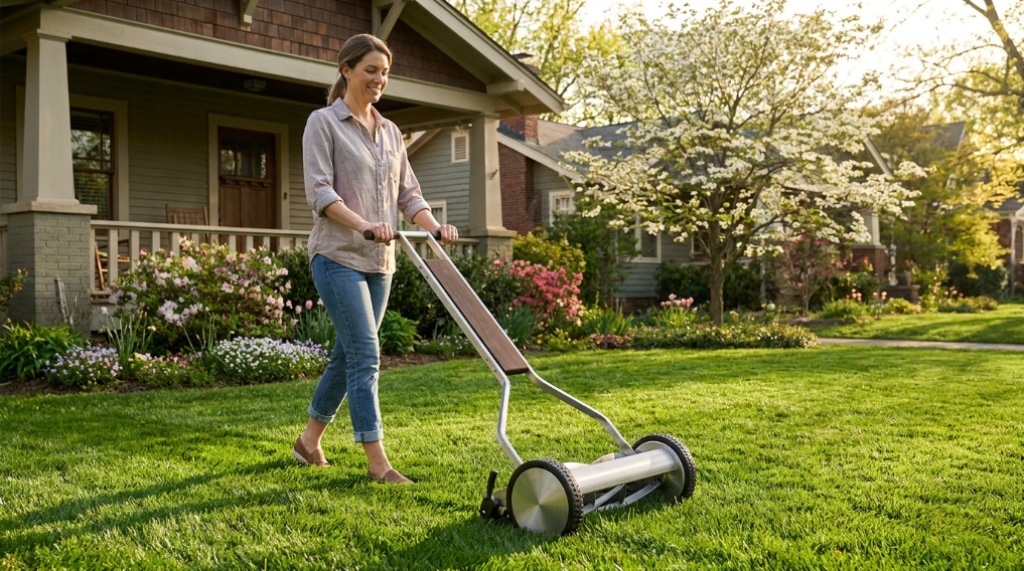
Using the right tools makes mowing easier and more effective. A well-maintained mower ensures clean cuts and reduces lawn stress. Gas-powered mowers suit large yards, while electric or battery-powered models are ideal for smaller lawns and eco-conscious homeowners.
Keep blades sharp and check oil levels for gas mowers. I neglected my mower’s maintenance once, and the dull blades tore my grass, leaving it brown for weeks. Also, consider a mulching mower to recycle clippings. For precision, use a string trimmer for edges and a leaf blower for cleanup. Investing in quality equipment saves time and improves results, ensuring your lawn looks pristine.
Environmental Benefits of Proper Lawn Mowing Practices
Proper mowing benefits the environment by reducing waste and conserving resources. Leaving clippings on the lawn recycles nutrients, cutting fertilizer use by up to 25%, per a 2019 USDA report. This reduces runoff into waterways.
Additionally, mowing at the right height promotes dense turf, which sequesters carbon and reduces soil erosion. Alternating patterns and using electric mowers lower your carbon footprint. I switched to a battery-powered mower last year, noticing cleaner air and quieter operation. Eco-friendly mowing habits support biodiversity, reduce chemical use, and create a sustainable yard that benefits your community.
Conclusion
Mowing correctly transforms your lawn into a vibrant, healthy space. By avoiding common mistakes, choosing the right height, and following best practices, you ensure lush growth and curb appeal. Regular maintenance, sharp blades, and eco-friendly habits save time and resources while benefiting the environment. My lawn improved dramatically after I stopped cutting too short and started alternating patterns. Take these tips, apply them to your routine, and watch your yard thrive. Share your mowing tips in the comments or spread this guide to help others achieve a greener lawn!
FAQs
Why does mowing height matter for my lawn?
Correct height promotes deep roots and shades weeds. Most grasses thrive at 2.5–3.5 inches, reducing stress.
How often should I sharpen my mower blades?
Sharpen every 20–25 hours of use for clean cuts, preventing grass damage and disease.
Can I mow my lawn when it’s wet?
Avoid mowing wet grass to prevent clumping and uneven cuts. Wait for dry conditions.
Should I bag grass clippings or leave them?
Leave clippings to recycle nutrients, acting as natural fertilizer, unless they’re too long or clumpy.
What’s the best time of day to mow?
Mow in late afternoon when grass is dry and temperatures are cooler to reduce stress.
Read More: