
Maintaining a beautiful lawn while battling persistent weeds can feel like an uphill battle. Many homeowners struggle with how to get rid of lawn weeds without killing the grass they’ve worked so hard to cultivate. The good news is that achieving a weed-free lawn doesn’t require harsh chemicals that damage your precious turf. Through selective weed control methods, proper lawn care practices, and targeted approaches, you can eliminate unwanted plants while preserving your grass’s health. This comprehensive guide will walk you through proven strategies, from natural remedies to selective herbicides, ensuring your lawn stays lush and green while becoming completely weed-free.
Understanding the Battle: Why Weeds Thrive in Your Lawn
Weeds are opportunistic plants that exploit weaknesses in your lawn’s defense system. They typically establish themselves in areas where grass is thin, stressed, or damaged. Common lawn invaders include dandelions, crabgrass, clover, and chickweed, each requiring different removal strategies.
The key to successful weed management lies in understanding that healthy grass is your best defense. When your lawn is thick and vigorous, it naturally crowds out potential weed problems. However, factors like poor soil conditions, incorrect watering, and inadequate fertilization create opportunities for these unwanted visitors to take hold.
Additionally, many weeds have deep root systems that allow them to access water and nutrients more effectively than grass during drought conditions. This competitive advantage explains why weeds often flourish during stressful periods for your lawn.
Identifying Common Lawn Weeds and Their Weaknesses
Broadleaf Weeds: The Obvious Invaders
Broadleaf weeds are easily recognizable due to their distinctive leaf shape and growth patterns. Dandelions, plantain, and clover fall into this category. These weeds respond well to selective broadleaf herbicides that target their specific cellular structure without affecting grass.
The optimal time to treat broadleaf weeds is during their active growing season, typically spring and fall. Young weeds are more susceptible to treatment than mature plants with established root systems. Therefore, early identification and prompt action significantly improve your success rate.
Grassy Weeds: The Sneaky Competitors
Grassy weeds like crabgrass and foxtail blend seamlessly with your lawn, making identification challenging. These weeds compete directly with your grass for space, water, and nutrients. Pre-emergent herbicides work most effectively against grassy weeds by preventing their seeds from germinating.
Timing is crucial when dealing with grassy weeds. Pre-emergent treatments must be applied before soil temperatures reach the germination threshold, typically when forsythia begins blooming in spring.
Natural Methods for Selective Weed Removal
Hand Pulling: The Time-Tested Approach
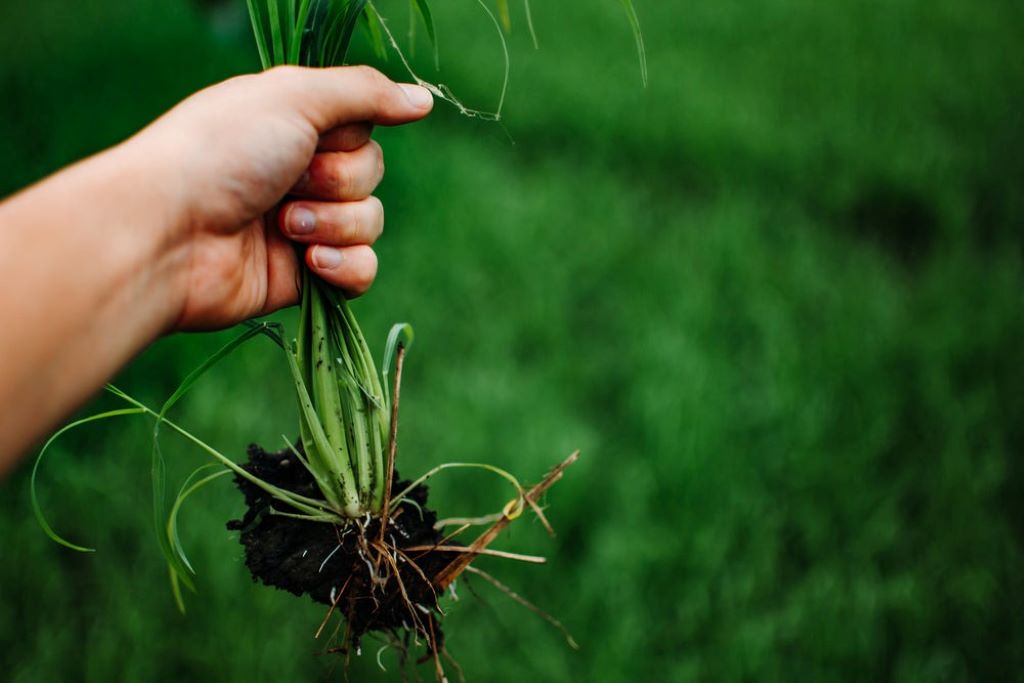
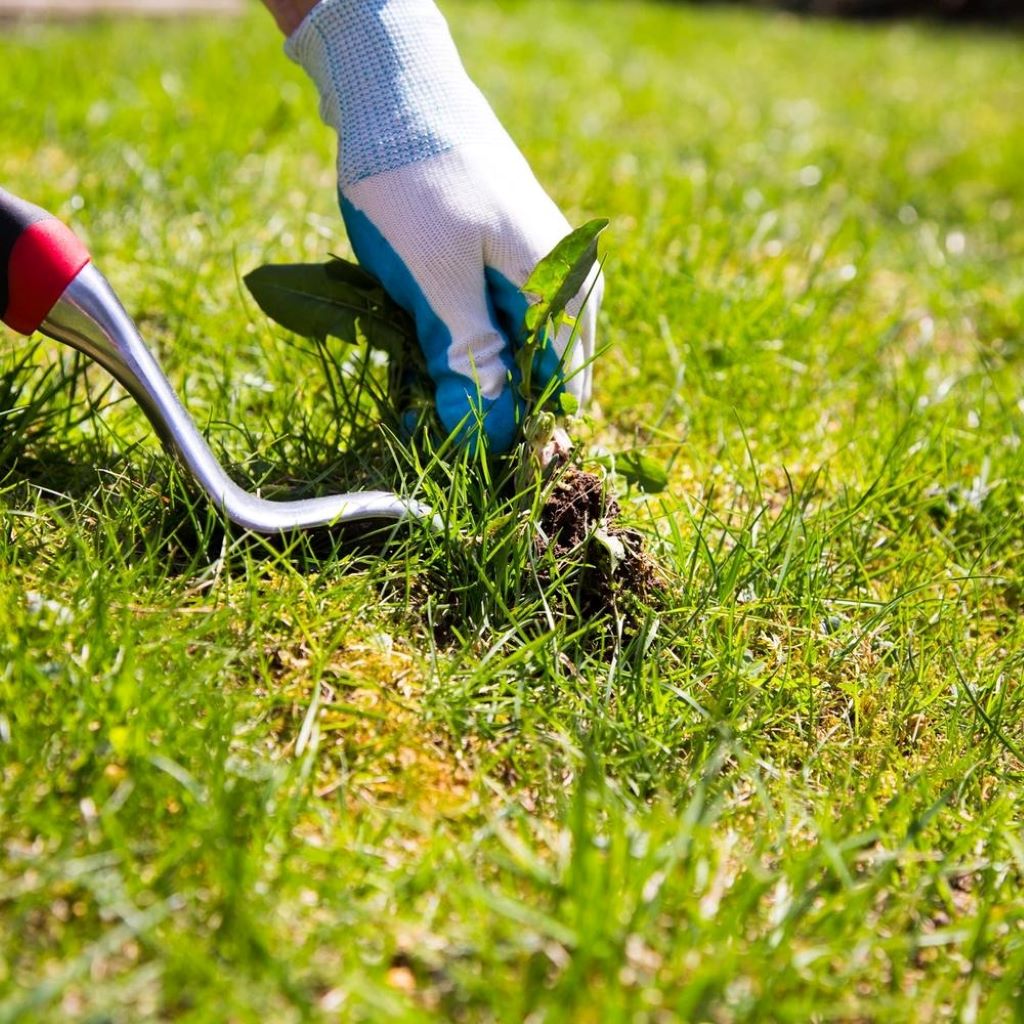
Hand pulling remains one of the most effective methods to get rid of lawn weeds without killing the grass. This technique works particularly well for broadleaf weeds with shallow root systems. The best time for hand pulling is after rain or watering when soil is moist and roots release more easily.
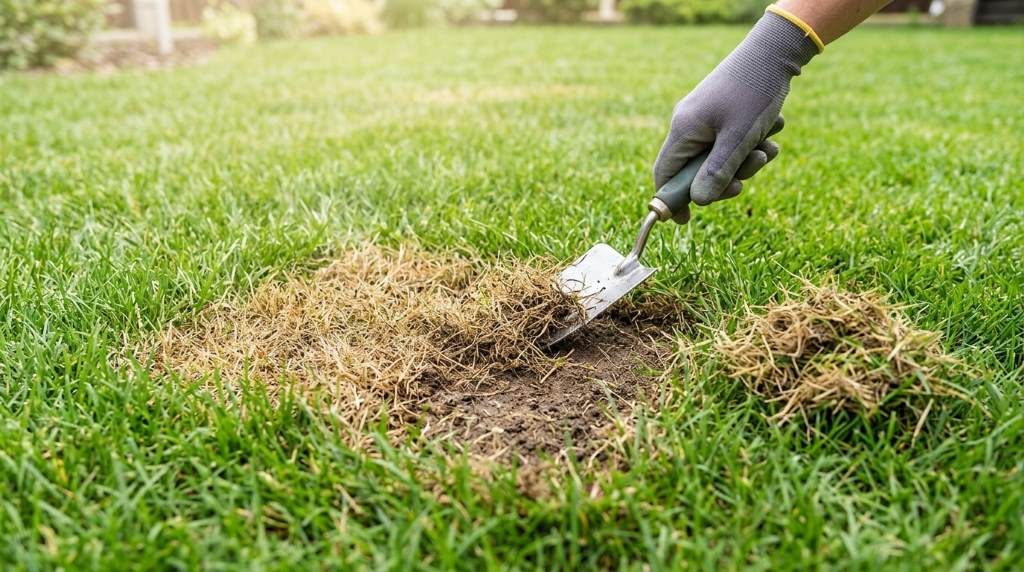
When hand pulling, grasp the weed close to the soil surface and pull straight up with steady pressure. For weeds with deep taproots like dandelions, use a weeding tool to loosen the entire root system. Incomplete removal often results in regrowth, making thorough extraction essential.
Corn Gluten Meal: Nature’s Pre-Emergent
Corn gluten meal serves as an effective natural pre-emergent herbicide that prevents weed seeds from germinating without harming established grass. This organic approach works by inhibiting root formation in germinating seeds while providing nitrogen fertilization for your existing lawn.
Apply corn gluten meal in early spring before weed seeds begin germinating. The application rate is typically 20 pounds per 1,000 square feet. However, avoid using this method if you plan to overseed your lawn, as it will prevent grass seed germination as well.
Chemical Solutions: Selective Herbicides That Protect Your Grass
Understanding Selective Herbicide Technology
Selective herbicides are specifically formulated to target weeds while leaving grass unharmed. These products exploit biological differences between weed species and turf grass. Post-emergent selective herbicides work by disrupting specific enzyme systems found in broadleaf weeds but not in grass.
According to research from the University of California Cooperative Extension, selective herbicides can achieve 85-95% weed control when applied correctly under optimal conditions. The key factors affecting efficacy include proper timing, appropriate weather conditions, and accurate application rates.
Choosing the Right Selective Herbicide
Different herbicides target specific weed types, making proper identification crucial for success. Products containing 2,4-D effectively control most broadleaf weeds, while those with quinclorac target tough weeds like crabgrass and clover. Always read labels carefully to ensure the product is safe for your specific grass type.
Application timing significantly impacts results. Most selective herbicides work best when weeds are actively growing and temperatures are between 60-85°F. Avoid applications during stress periods or when rain is expected within 24 hours.
Strengthening Your Lawn’s Natural Defense System
Proper Fertilization: Building Grass Resilience
A well-fertilized lawn naturally resists weed invasion through competitive exclusion. Grass that receives adequate nutrition grows more vigorously, creating a dense canopy that shades potential weed seeds and limits their germination opportunities.
Follow a consistent fertilization schedule based on your grass type and local climate conditions. Cool-season grasses benefit from spring and fall applications, while warm-season varieties respond best to summer feeding. Soil testing helps determine specific nutrient needs and prevents over-fertilization.
Optimal Watering Practices for Weed Prevention
Deep, infrequent watering encourages grass root development while discouraging shallow-rooted weeds. Most lawns require approximately one inch of water per week, including rainfall. Water early in the morning to reduce evaporation and minimize disease pressure.
Consistent moisture levels prevent stress conditions that make grass vulnerable to weed competition. However, avoid overwatering, which can create favorable conditions for certain weed species and fungal diseases.
Advanced Techniques for Stubborn Weed Problems
Spot Treatment Strategies
Spot treating individual weeds or small patches provides precise control while minimizing chemical exposure to your entire lawn. This approach works particularly well for isolated problem areas or when dealing with herbicide-resistant weeds.
Use a foam applicator or small spray bottle for accurate spot treatments. Mark treated areas to avoid overlapping applications and monitor results over several weeks. Spot treatments often require multiple applications for complete control.
Overseeding for Competitive Advantage
Overseeding thin areas of your lawn increases grass density and reduces opportunities for weed establishment. This proactive approach works by filling gaps before weeds can colonize them. Choose grass varieties suited to your specific growing conditions and climate zone.
The best time for overseeding varies by grass type. Cool-season grasses benefit from fall overseeding, while warm-season varieties respond better to late spring applications. Proper seed-to-soil contact and consistent moisture are essential for successful establishment.
Seasonal Weed Control Calendar for Year-Round Success
Spring: Prevention and Early Intervention
Spring marks the beginning of active weed management season. Apply pre-emergent herbicides before soil temperatures trigger crabgrass germination. Additionally, begin hand pulling cool-season weeds that survived winter dormancy.
This season also presents the ideal opportunity to address lawn care practices that contribute to weed problems. Aerate compacted areas, overseed thin spots, and begin regular fertilization programs.
Summer: Maintenance and Spot Treatment
Summer weed control focuses on maintaining healthy grass and spot treating new weed problems as they emerge. Monitor irrigation systems to ensure consistent moisture without overwatering. Continue hand pulling weeds during cooler morning hours when soil moisture levels are optimal.
Fall: Strategic Treatment and Preparation
Fall provides excellent conditions for treating perennial weeds that are storing energy in their root systems. Post-emergent herbicides applied during this period often achieve superior long-term control. Additionally, fall overseeding helps establish grass in areas cleared of weeds.
Common Mistakes That Sabotage Weed Control Efforts
Timing Errors That Reduce Effectiveness
Many homeowners apply treatments at suboptimal times, reducing their effectiveness significantly. Pre-emergent herbicides applied too late miss the critical germination window, while post-emergent treatments during plant dormancy periods show minimal results.
Weather conditions also play a crucial role in treatment success. Applying herbicides before rain washes away the product, or during extreme heat stress reduces their effectiveness and may damage grass.
Application Rate Mistakes
Using incorrect application rates represents another common error that compromises results. Under-application fails to provide adequate weed control, while over-application can damage grass and create environmental concerns. Always follow label instructions precisely and calibrate equipment regularly.
Consider factors like weed maturity, environmental conditions, and grass health when determining application rates. Younger weeds typically require lower rates than mature, established plants.
Personal Experience: Learning Through Trial and Error
Last spring, I faced a severe dandelion invasion in my front lawn that threatened to overwhelm the newly established fescue. Initially, I attempted to tackle the problem with a generic weed-and-feed product, which unfortunately burned patches of my grass while barely affecting the deep-rooted dandelions.
Through research and consultation with local extension agents, I learned the importance of selective treatment timing. I switched to a targeted broadleaf herbicide applied during the weeds’ active growth period, combined with hand pulling after rain. This approach eliminated 90% of the dandelions within six weeks without any grass damage. The experience taught me that patience and proper technique yield far better results than rushed, aggressive treatments.
Measuring Success: How to Monitor Your Progress
Establishing Baseline Weed Populations
Document your starting point by photographing problem areas and counting weeds in representative sections of your lawn. This baseline data helps track progress and evaluate treatment effectiveness over time.
Create a simple monitoring system by marking treatment areas and recording dates, products used, and weather conditions. This information proves invaluable for refining your approach and timing future treatments.
Long-Term Evaluation Metrics
Success in weed control extends beyond immediate visible results. Monitor grass health indicators like color, density, and growth rate alongside weed population changes. A truly successful program improves overall lawn quality while reducing weed pressure.
Track seasonal patterns to identify recurring problem areas or times when weeds typically emerge. This information helps optimize preventive treatments and resource allocation for maximum effectiveness.
Conclusion
Successfully learning how to get rid of lawn weeds without killing the grass requires a comprehensive approach that combines proper identification, targeted treatments, and ongoing lawn care practices. Whether you choose natural methods like hand pulling and corn gluten meal or selective herbicides, the key lies in understanding your specific weed problems and grass type. Remember that building a healthy, dense lawn through proper fertilization, watering, and overseeding provides your best long-term defense against weed invasion. By implementing these strategies consistently and monitoring your progress, you can achieve the weed-free lawn you’ve always wanted while maintaining the lush, green grass that makes your property beautiful. Start with the methods that match your comfort level and gradually build a comprehensive weed management program that keeps your lawn healthy and pristine year-round.
Ready to transform your lawn? Share your weed control experiences in the comments below or pass this guide along to fellow homeowners struggling with similar challenges!
Frequently Asked Questions
What is the best time to apply selective herbicides for weed control?
The optimal timing for selective herbicides is during active weed growth periods, typically mid-spring through early fall when temperatures range between 60-85°F. Apply when weeds are young and actively growing for maximum effectiveness.
Can I overseed immediately after applying herbicides to control weeds?
Wait at least 4-6 weeks after herbicide application before overseeding, as most products can inhibit grass seed germination. Check specific product labels for exact waiting periods, which vary by active ingredient.
How long does it take to see results from selective weed treatments?
Most selective herbicides show initial results within 7-14 days, with complete weed death occurring within 2-4 weeks. Tough perennial weeds may require multiple treatments over several months for complete elimination.
Are natural weed control methods as effective as chemical herbicides?
Natural methods can be highly effective for small infestations and prevention but may require more time and repeated applications. Chemical herbicides typically provide faster, more complete control for severe weed problems.
What should I do if my grass shows damage after herbicide application?
Stop treatments immediately and water the affected area thoroughly to dilute remaining chemicals. Most grass recovers within 2-4 weeks if damage is mild. Severe damage may require overseeding or professional consultation.
Read More: