

Nothing frustrates homeowners more than watching their once-vibrant lawn transform into patches of yellow grass. However, understanding the root causes behind this common lawn problem can help you restore your yard’s natural beauty. Whether you’re dealing with nutrient deficiencies, watering issues, or pest damage, there are proven remedies that work effectively.
Yellow grass typically signals underlying health issues that require immediate attention. Additionally, identifying these problems early can prevent extensive lawn damage and costly repairs. Therefore, this comprehensive guide explores five primary reasons your grass turns yellow and provides practical solutions to bring back that lush green appearance you desire.
Understanding Why Grass Turns Yellow Naturally
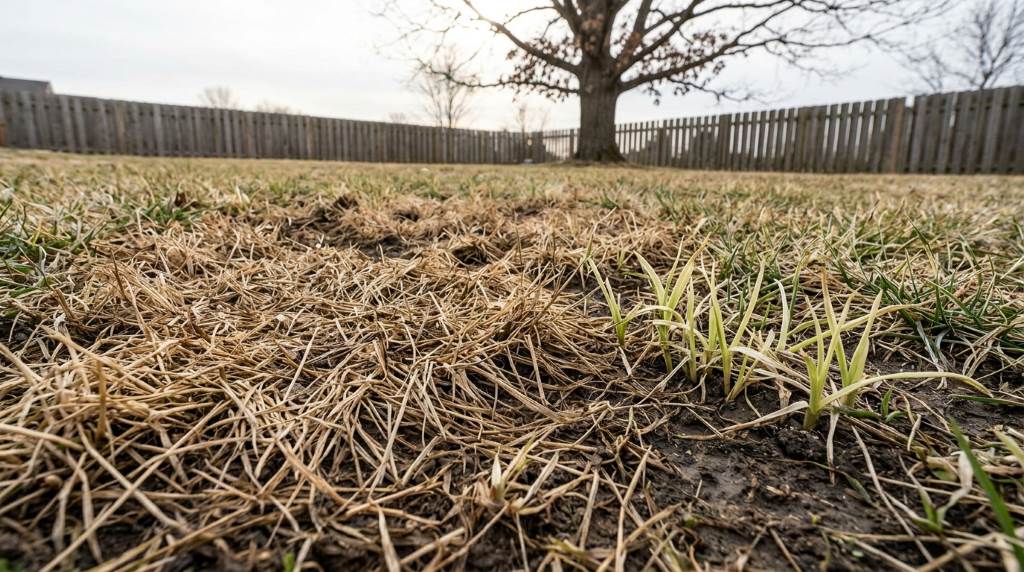
Grass discoloration occurs when chlorophyll production decreases or stops entirely. Chlorophyll gives grass its vibrant green color and plays a crucial role in photosynthesis. When environmental stressors or health issues affect your lawn, chlorophyll breaks down faster than it can be replaced.
Furthermore, grass yellowing often indicates that your lawn cannot access essential nutrients or water. This condition weakens the grass structure and makes it vulnerable to diseases and pest infestations. However, most yellowing issues can be reversed with proper diagnosis and treatment.
Reason 1: Nitrogen Deficiency in Lawn Soil
The Science Behind Nitrogen and Grass Health
Nitrogen deficiency ranks as the leading cause of yellow grass in residential lawns. This essential macronutrient supports chlorophyll production and promotes healthy leaf growth. When soil lacks adequate nitrogen, grass blades lose their green pigmentation and appear pale or yellow.
According to research from the University of California Agriculture and Natural Resources, nitrogen-deficient lawns show uniform yellowing patterns that start from older grass blades and progress to newer growth. Additionally, affected areas often display stunted growth and reduced density compared to healthy sections.
Identifying Nitrogen Deficiency Symptoms
Several clear indicators help identify nitrogen-deficient grass areas:
- Uniform yellow coloring across large lawn sections
- Slower grass growth rates than normal
- Reduced blade thickness and density
- Yellow discoloration starting from leaf tips
- Poor recovery after mowing or foot traffic
Effective Nitrogen Deficiency Remedies
Apply a balanced fertilizer containing 20-30% nitrogen content during the growing season. However, avoid over-fertilizing as excessive nitrogen can burn grass roots and create new problems. Therefore, conduct a soil test first to determine exact nutrient requirements.
Organic alternatives include compost application or slow-release organic fertilizers. These options provide steady nutrient release without shocking the grass system. Additionally, maintain regular feeding schedules every 6-8 weeks during active growing periods for optimal results.
Reason 2: Overwatering and Poor Drainage Issues
How Excessive Water Damages Grass Roots
Overwatering creates anaerobic soil conditions that suffocate grass roots and promote fungal diseases. When soil remains constantly saturated, oxygen levels decrease dramatically and beneficial microorganisms die off. This environment encourages harmful bacteria and fungi that attack grass root systems.
Waterlogged conditions also prevent proper nutrient absorption, even when soil contains adequate minerals. Furthermore, oversaturated soil compacts easily under foot traffic, creating additional stress on struggling grass plants.
Signs of Overwatering Problems
Watch for these overwatering indicators in your lawn:
- Spongy or mushy feeling when walking on grass
- Strong, unpleasant odors emanating from soil
- Mushroom or fungal growth throughout the lawn
- Yellow grass patches in low-lying areas
- Increased thatch buildup near soil surface
Drainage Solutions That Work
Install French drains or drainage tiles in problematic areas to redirect excess water. However, simpler solutions include aerating compacted soil and reducing watering frequency. Therefore, water deeply but less frequently to encourage deeper root development.
Additionally, improve soil structure by adding organic matter like compost or aged manure. These amendments increase soil porosity and enhance natural drainage capabilities. Consider raising lawn grade in chronically wet areas to promote better water runoff.

Reason 3: Fungal Diseases Attacking Your Lawn
Common Fungal Infections Causing Yellow Grass
Fungal diseases thrive in warm, humid conditions and can quickly spread throughout your lawn. Brown patch, dollar spot, and summer patch are common culprits that cause yellow grass symptoms. These diseases interrupt normal grass metabolism and block nutrient transport systems.
According to the National Turfgrass Evaluation Program, fungal diseases affect over 40% of residential lawns annually, with moisture-related fungi being the most prevalent. Additionally, stressed grass from other factors becomes more susceptible to fungal infections.
Recognizing Fungal Disease Patterns
Different fungi create distinct yellowing patterns:
- Circular yellow patches indicate brown patch disease
- Small, coin-sized yellow spots suggest dollar spot
- Irregular yellow streaks often signal summer patch
- Yellow rings around green centers indicate fairy ring
- Widespread yellowing may indicate Pythium blight
Proven Fungal Disease Treatments
Apply fungicide treatments specifically designed for identified fungal types. However, prevention remains more effective than treatment, so focus on improving air circulation and reducing moisture retention. Therefore, avoid evening watering and ensure proper lawn drainage.
Cultural practices like regular dethatching and proper mowing height reduce fungal disease risk. Additionally, overseed with disease-resistant grass varieties to strengthen overall lawn health and resilience against future infections.
Reason 4: Pet Urine Damage and Chemical Burns
Understanding Urine Burn Effects on Grass
Pet urine contains high nitrogen concentrations that initially appear beneficial but quickly become toxic to grass plants. The concentrated salts and nitrogen create chemical burns that kill grass roots and leave characteristic yellow spots surrounded by darker green rings.
Female dogs typically cause more damage than males due to their urination patterns. Additionally, larger dogs produce more concentrated urine that creates more severe damage. However, any pet can cause yellowing if urine accumulates in specific areas repeatedly.
Identifying Pet Damage Characteristics
Pet urine damage displays unique patterns:
- Circular yellow spots with defined borders
- Dark green rings surrounding damaged centers
- Concentrated damage in favorite pet areas
- More severe damage during dry weather
- Quick appearance after pet activity
Repairing Pet Urine Damage
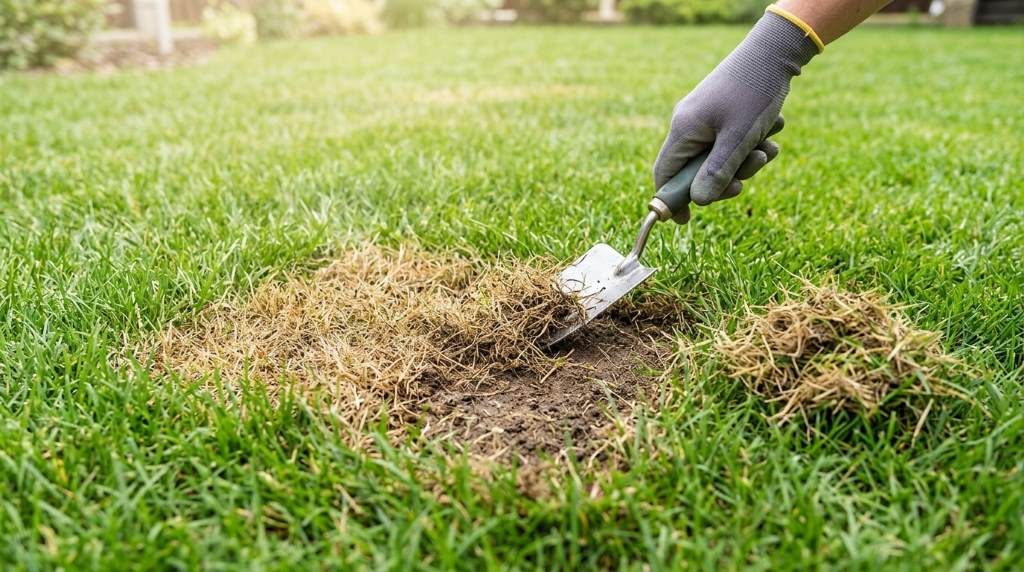
Dilute fresh urine spots immediately with water to reduce salt concentration. However, established damage requires more intensive repair methods. Therefore, remove dead grass and soil from affected areas before reseeding or laying new sod.
Apply gypsum to neutralize soil chemistry and improve water penetration. Additionally, train pets to use designated areas or install barriers around sensitive lawn sections. Consider planting urine-resistant grass varieties in high-traffic pet areas for long-term solutions.
Reason 5: Grub Infestation and Root Damage
How Grubs Destroy Grass Root Systems
Grubs are beetle larvae that feed on grass roots during their development cycle. These white, C-shaped insects sever root connections and prevent proper nutrient uptake, causing grass to yellow and die. Heavy infestations can destroy entire lawn sections within weeks.
Japanese beetle grubs, June beetle larvae, and European chafer grubs are the most common species affecting residential lawns. Additionally, grub damage often attracts secondary pests like birds and raccoons that dig up affected areas while searching for food.
Detecting Grub Infestation Signs
Several indicators suggest grub problems in your lawn:
- Yellow grass patches that feel loose when tugged
- Increased bird or animal digging activity
- Spongy areas that separate from soil easily
- Brown or yellow grass despite adequate water
- Visible white grubs when examining soil
Effective Grub Control Methods
Apply preventive grub control products in late spring before eggs hatch. However, curative treatments work best in late summer when grubs are actively feeding. Therefore, timing applications correctly maximizes treatment effectiveness and minimizes environmental impact.
Beneficial nematodes provide organic grub control without chemical applications. These microscopic organisms attack grub larvae naturally and establish long-term population control. Additionally, maintain healthy soil conditions that support beneficial insects and natural grub predators.
Prevention Strategies for Long-Term Lawn Health
Soil Testing and Nutrient Management
Conduct annual soil tests to monitor pH levels and nutrient availability. Proper soil chemistry prevents many yellowing problems before they develop. Additionally, regular testing helps optimize fertilizer applications and reduces waste.
Maintain soil pH between 6.0 and 7.0 for optimal grass health. However, different grass types may require slight pH adjustments. Therefore, research your specific grass variety requirements and adjust soil accordingly.
Proper Watering Techniques
Water deeply but infrequently to encourage strong root development. Early morning watering reduces evaporation and prevents fungal disease development. Additionally, adjust watering schedules based on seasonal weather patterns and grass growth cycles.
Install moisture sensors or rain gauges to monitor actual water needs. These tools prevent overwatering and ensure consistent soil moisture levels. Furthermore, proper irrigation timing and duration significantly impact overall lawn health and appearance.
Regular Maintenance Practices
Maintain proper mowing height for your grass type to reduce stress and promote healthy growth. Sharp mower blades create clean cuts that heal quickly and resist disease. Additionally, vary mowing patterns to prevent soil compaction and encourage upright growth.
Dethatch annually to remove accumulated organic matter that blocks air and water penetration. However, avoid excessive dethatching that can damage healthy grass crowns. Therefore, assess thatch thickness before deciding on treatment intensity.
When to Call Professional Lawn Care Services
Some yellow grass problems require professional diagnosis and treatment. Complex soil chemistry issues, severe disease outbreaks, or extensive grub damage may exceed typical homeowner capabilities. Additionally, professional services often provide more effective treatments and long-term solutions.
Consider professional help when multiple treatment attempts fail or damage continues spreading despite intervention efforts. However, many yellowing problems respond well to proper identification and appropriate home remedies when applied consistently and correctly.
Conclusion
Yellow grass problems frustrate homeowners but respond well to proper diagnosis and targeted treatments. Whether dealing with nitrogen deficiency, overwatering, fungal diseases, pet damage, or grub infestations, effective remedies exist for each situation. Additionally, implementing prevention strategies helps maintain long-term lawn health and prevents recurring issues.
Therefore, start by identifying the specific cause of your yellow grass problem, then apply appropriate treatments consistently. Remember that lawn recovery takes time, so patience and persistence are essential for achieving desired results. However, following these proven methods will restore your lawn’s vibrant green appearance and maintain its health for years to come.
Take action today by examining your lawn closely and implementing these solutions. Share your experiences in the comments below or pass this guide along to neighbors facing similar lawn challenges.
Frequently Asked Questions
How long does it take for yellow grass to turn green again?
Recovery time depends on the underlying cause and treatment method. Nitrogen deficiency typically shows improvement within 2-3 weeks of fertilizer application. However, severe damage from grubs or diseases may require 4-8 weeks for complete recovery.
Can I prevent yellow grass during hot summer months?
Yes, proper watering practices and adequate fertilization help prevent summer yellowing. Water deeply in early morning hours and avoid fertilizing during extreme heat. Additionally, maintain slightly higher mowing heights to protect grass crowns from sun damage.
Is yellow grass always a sign of serious problems?
Not necessarily. Dormant grass naturally yellows during winter months in cooler climates. However, sudden yellowing during growing seasons typically indicates underlying issues requiring attention. Therefore, evaluate timing and surrounding conditions before determining treatment needs.
What grass types resist yellowing problems best?
Tall fescue and perennial ryegrass varieties show good resistance to many yellowing causes. These grass types tolerate drought, disease, and traffic better than cool season alternatives. Additionally, warm season grasses like Bermuda and Zoysia resist many common problems in appropriate climates.
Should I replace yellow grass immediately or try treatments first?
Try targeted treatments first unless damage covers more than 50% of affected areas. Most yellowing problems respond well to proper remedies when applied correctly. However, severely damaged sections may require overseeding or sod replacement for fastest recovery.
Read More:
How to Get Rid of Silverfish and Centipede in Plant Pot: Expert Hacks That Work