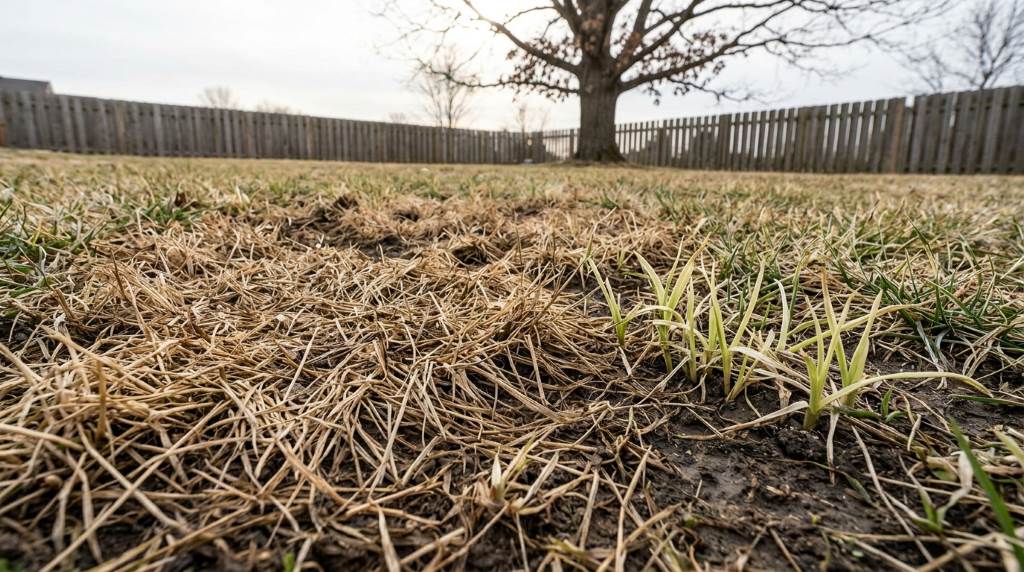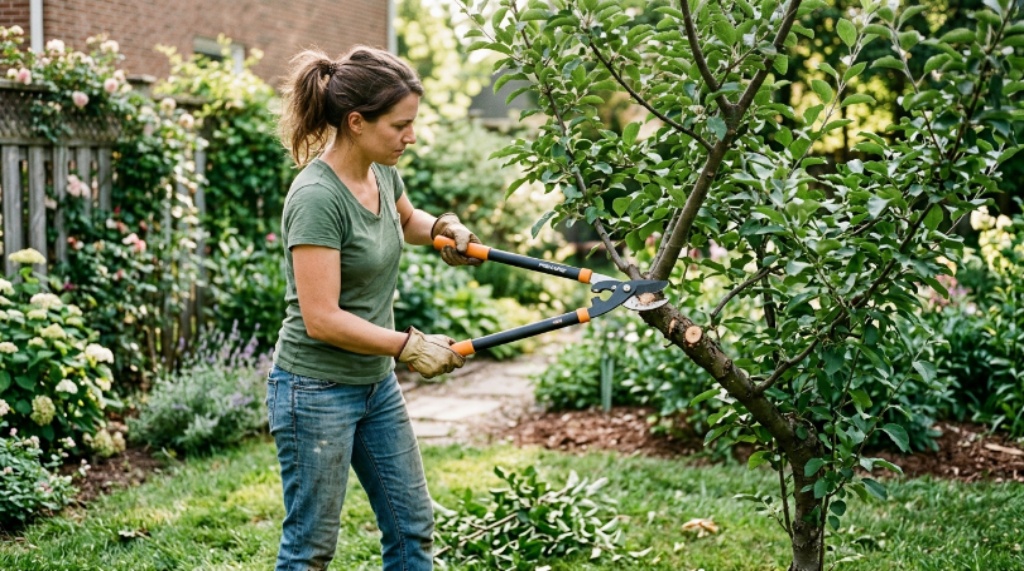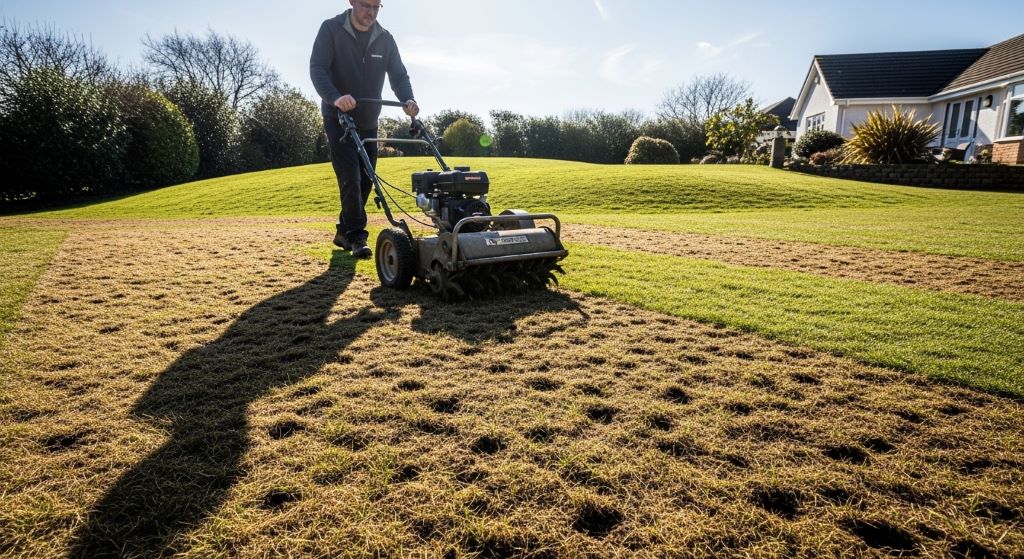


A lush, green lawn serves as the foundation of beautiful outdoor spaces. However, many homeowners unknowingly make critical lawn care mistakes that prevent their grass from reaching its full potential. These common errors can lead to brown patches, weak root systems, and increased susceptibility to pests and diseases.
Whether you’re a first-time homeowner or someone struggling with persistent lawn issues, understanding these frequent missteps is crucial. Therefore, this comprehensive guide will explore the most damaging lawn care mistakes and provide practical solutions to help you achieve the vibrant yard you’ve always wanted.
Understanding Why Proper Lawn Care Maintenance Matters for Your Property
Effective lawn maintenance goes beyond simple aesthetics. Additionally, healthy grass provides environmental benefits including air purification, soil erosion prevention, and natural cooling effects. Moreover, well-maintained lawns can increase property values by up to 15%, according to landscape industry research.
However, achieving these benefits requires avoiding common pitfalls that plague many homeowners. Furthermore, understanding the science behind grass growth helps prevent costly mistakes that can take months or even years to correct.
The Most Destructive Watering Mistakes Homeowners Make Daily
Overwatering Your Grass Creates More Problems Than Drought
Many homeowners believe more water equals healthier grass. However, excessive watering actually weakens root systems and promotes shallow growth patterns. Additionally, overwatered lawns become breeding grounds for fungal diseases and attract harmful pests.
Signs of overwatering include spongy soil, persistent puddles, and increased weed growth. Therefore, proper watering schedules should focus on deep, infrequent sessions rather than daily light sprinklings. This approach encourages deeper root development and improved drought resistance.
Watering at Wrong Times Wastes Water and Damages Grass
Timing plays a crucial role in effective lawn irrigation. Furthermore, watering during midday hours causes rapid evaporation, wasting precious water resources. Evening watering, while seemingly logical, creates prolonged moisture conditions that encourage disease development.
Early morning watering, between 6-10 AM, provides optimal conditions for grass absorption. Additionally, this timing allows leaves to dry before evening, reducing disease risks significantly. Moreover, morning watering supports natural growth cycles and maximizes water efficiency.
Critical Mowing Mistakes That Weaken Your Lawn’s Foundation
Cutting Grass Too Short Damages Root Systems Permanently
The “scalping” mistake involves cutting grass shorter than recommended heights. However, this practice severely stresses plants and weakens their ability to photosynthesize effectively. Additionally, short-cut grass becomes more susceptible to heat stress, drought damage, and weed invasion.
Different grass types require specific cutting heights for optimal health. For example, cool-season grasses thrive when maintained at 2.5-3.5 inches, while warm-season varieties prefer 1.5-2.5 inches. Therefore, adjusting mower settings according to grass type prevents this common lawn care mistake.
Using Dull Mower Blades Creates Unnecessary Plant Stress
Sharp mower blades create clean cuts that heal quickly and resist disease. However, dull blades tear grass rather than cutting it, creating ragged wounds that invite infections. Additionally, torn grass tips turn brown and give lawns an unhealthy appearance.
Blade sharpening should occur at least twice per growing season. Furthermore, professional sharpening ensures proper angles and cutting efficiency. Moreover, sharp blades reduce mowing time and fuel consumption while improving overall lawn health.
Fertilization Errors That Harm Rather Than Help Your Grass
Applying Too Much Fertilizer Burns Grass and Pollutes Waterways
Excessive fertilization represents one of the most common lawn care mistakes among enthusiastic homeowners. However, over-fertilizing causes chemical burns, promotes excessive growth, and increases susceptibility to diseases. Additionally, excess nutrients wash into waterways, contributing to environmental pollution.
According to the Environmental Protection Agency, proper fertilization reduces nutrient runoff by up to 40% compared to excessive applications. Therefore, soil testing before fertilizing ensures appropriate nutrient levels and prevents costly mistakes. Moreover, slow-release fertilizers provide steady nutrition without overwhelming plants.
Ignoring Soil pH Levels Prevents Nutrient Absorption Completely
Soil pH directly affects nutrient availability to grass roots. However, many homeowners skip pH testing and wonder why fertilizers fail to improve lawn health. Additionally, incorrect pH levels can make essential nutrients unavailable, regardless of fertilizer quality.
Most grass types prefer slightly acidic to neutral soil (pH 6.0-7.0). Furthermore, simple soil test kits provide accurate readings for less than $20. Therefore, adjusting pH through lime or sulfur applications significantly improves fertilizer effectiveness and overall lawn health.
Seasonal Lawn Care Mistakes That Create Year-Round Problems
Neglecting Fall Preparation Weakens Grass Through Winter Months
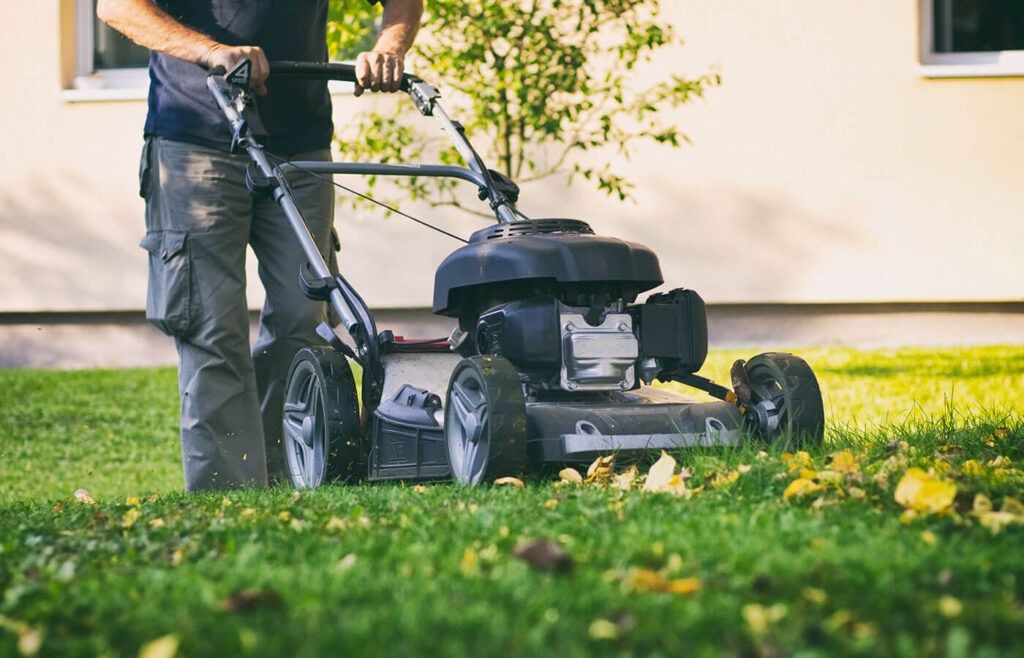
Fall lawn care preparations determine spring recovery success. However, many homeowners reduce maintenance efforts as temperatures drop, creating problems for the following year. Additionally, proper fall care strengthens root systems and improves cold tolerance.
Essential fall tasks include final fertilization, continued watering until dormancy, and gradual mowing height reduction. Furthermore, leaf removal prevents grass smothering and reduces disease risks. Therefore, maintaining fall care routines ensures healthier spring emergence and faster green-up.
Spring Lawn Care Rushing Damages Recovering Grass Plants
Enthusiasm for spring lawn care often leads to premature maintenance activities. However, working on wet or frozen soil compacts it and damages emerging grass. Additionally, early fertilization can stimulate growth before root systems recover fully.
Waiting for proper soil conditions prevents long-term damage. Furthermore, soil temperature and moisture levels indicate readiness for spring activities. Moreover, patient homeowners achieve better results than those rushing seasonal transitions.
Pest and Disease Management Mistakes Every Homeowner Should Avoid
Ignoring Early Warning Signs Allows Problems to Spread Rapidly
Early detection significantly improves treatment success rates for lawn diseases and pest infestations. However, many homeowners overlook subtle changes until problems become severe. Additionally, prompt action prevents minor issues from becoming major lawn care disasters.
Common early warning signs include discolored patches, unusual growth patterns, and increased insect activity. Therefore, weekly lawn inspections help identify problems before they spread. Furthermore, photographing suspicious areas helps track changes over time and aids professional consultations.
Overusing Chemical Treatments Creates Resistant Pest Populations
Chemical dependency represents a growing problem in residential lawn care. However, excessive pesticide use eliminates beneficial insects and creates resistant pest populations. Additionally, chemical overuse can harm soil microorganisms essential for healthy grass growth.
Integrated pest management combines cultural, biological, and chemical controls for sustainable results. Furthermore, encouraging beneficial insects through diverse plantings reduces pest pressure naturally. Therefore, targeted treatments prove more effective than broad-spectrum applications.
Equipment and Tool Mistakes That Sabotage Lawn Care Efforts
Using Wrong Equipment for Specific Lawn Care Tasks
Proper equipment selection significantly impacts lawn care success. However, many homeowners use inappropriate tools that damage grass or provide poor results. Additionally, mismatched equipment increases work time and reduces effectiveness.
For example, using string trimmers near tree bases can cause permanent bark damage. Furthermore, inappropriate spreader settings result in uneven fertilizer distribution and potential burning. Therefore, understanding equipment capabilities and limitations prevents costly mistakes and improves results.
Neglecting Equipment Maintenance Reduces Performance and Lawn Quality
Well-maintained equipment performs better and lasts longer than neglected tools. However, many homeowners skip routine maintenance until equipment fails completely. Additionally, poorly maintained equipment can spread diseases between lawn areas.
Regular cleaning, blade sharpening, and proper storage extend equipment life significantly. Furthermore, seasonal tune-ups ensure optimal performance when needed most. Moreover, clean equipment reduces disease transmission and provides better cutting results.
Creating Your Personal Lawn Care Success Strategy
Developing Consistent Maintenance Routines for Long-Term Success
Consistency proves more valuable than intensity in lawn care maintenance. However, many homeowners alternate between neglect and excessive attention, creating stress cycles. Additionally, regular maintenance prevents small problems from becoming major issues.
Weekly maintenance schedules should include mowing, watering assessment, and visual inspections. Furthermore, monthly tasks involve fertilization, weed control, and equipment maintenance. Therefore, structured approaches produce better results than sporadic intensive efforts.
Learning to Read Your Lawn’s Specific Needs and Responses
Every lawn presents unique characteristics requiring customized care approaches. However, generic advice may not address specific soil, climate, or grass type requirements. Additionally, observational skills improve through practice and attention to detail.
Successful lawn care requires understanding how your specific grass responds to different treatments and conditions. Furthermore, keeping maintenance records helps identify patterns and optimize future care decisions. Moreover, local extension services provide region-specific guidance for better results.
Conclusion
Avoiding these common lawn care mistakes transforms struggling yards into thriving outdoor spaces. However, success requires patience, consistency, and willingness to learn from experience. Additionally, understanding that healthy lawns develop over time helps maintain realistic expectations.
Remember that proper lawn maintenance involves more than avoiding mistakes. Furthermore, proactive care prevents problems before they develop into costly repairs. Therefore, implementing these strategies gradually creates sustainable improvement patterns.
Your lawn’s health reflects the care and attention you provide. Moreover, avoiding these frequent errors saves time, money, and frustration while creating the beautiful outdoor space you desire.
Frequently Asked Questions
How often should I water my lawn during summer months?
Water deeply 2-3 times per week rather than daily light watering. This encourages deeper root growth and improves drought resistance. Additionally, early morning watering reduces evaporation and disease risks.
What is the correct mowing height for my grass type?
Cool-season grasses should be maintained at 2.5-3.5 inches, while warm-season varieties prefer 1.5-2.5 inches. However, never remove more than one-third of the grass blade length in a single cutting.
When should I fertilize my lawn for best results?
Apply fertilizer during active growing seasons – spring and fall for cool-season grasses, late spring and summer for warm-season types. Additionally, soil testing determines specific nutrient needs and prevents over-fertilization.
How do I know if my lawn has pest or disease problems?
Look for discolored patches, unusual growth patterns, or increased insect activity. Furthermore, brown spots that spread rapidly often indicate disease issues requiring prompt attention.
What equipment maintenance should I perform regularly?
Clean equipment after each use, sharpen mower blades twice per season, and store tools properly. Additionally, annual tune-ups ensure optimal performance and extend equipment life significantly.
Have you experienced any of these lawn care mistakes? Share your experiences in the comments below and help other homeowners learn from your journey. Additionally, share this article with neighbors who might benefit from these lawn care insights!
Read More: