

A well-maintained lawn boosts curb appeal and provides a lush, green outdoor space. But achieving the perfect lawn requires more than just occasional mowing. Whether you’re a beginner or an experienced gardener, these nine expert-backed tips will help you maintain a flawless lawn year-round.
1. Mow at the Right Height
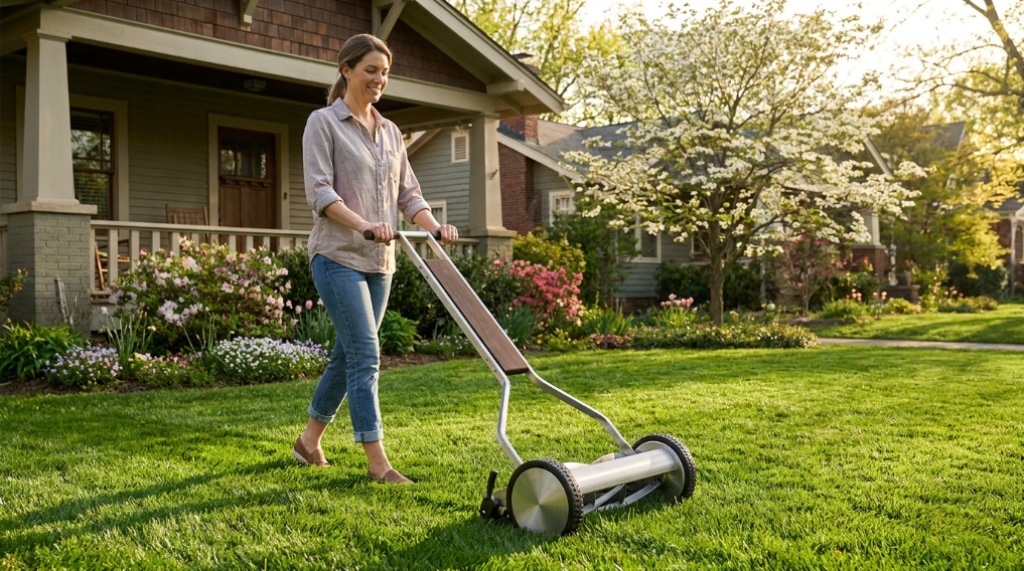
Cutting your grass too short weakens the roots and promotes weed growth. Experts recommend keeping most grass types at 2.5–4 inches. Taller grass shades out weeds and retains moisture better. Studies from the University of Maryland suggest that mowing at the correct height can reduce weed invasion by up to 50%. Invest in a sharp mower blade to prevent tearing, which makes grass susceptible to disease.
2. Water Deeply but Infrequently
Shallow, frequent watering leads to weak root systems. Instead, water deeply—about 1 to 1.5 inches per week, including rainfall. The best time to water is early morning (before 10 AM) to reduce evaporation. According to the EPA, proper lawn watering can cut outdoor water waste by 50%.
3. Feed Your Lawn with the Right Fertilizer
Grass needs nitrogen, phosphorus, and potassium for healthy growth. Use a slow-release, organic fertilizer suited to your grass type. Apply fertilizer in early spring and fall for optimal results. Over-fertilizing can cause excessive growth, requiring more mowing and increasing disease risk.
4. Control Weeds Before They Spread
Weeds compete with grass for nutrients and water. Pre-emergent herbicides in early spring prevent weed seeds from germinating. Post-emergent treatments help remove existing weeds. A thick, healthy lawn naturally crowds out weeds, reducing the need for chemicals.
5. Aerate for Better Soil Health
Compacted soil limits water, oxygen, and nutrient absorption. Aeration loosens the soil, promoting deeper root growth. Rent an aerator or hire a professional once a year, preferably in fall or spring. Studies show that aeration improves lawn health by up to 75% over two growing seasons.

6. Overseed to Keep Your Lawn Thick
Thin lawns are prone to weed and pest infestations. Overseeding—spreading grass seed over existing turf—helps maintain density. Choose high-quality seed suited to your climate and overseed in early fall for best germination rates.
7. Manage Lawn Pests Naturally
Pests like grubs and chinch bugs can destroy your lawn. Beneficial nematodes or natural insecticides like neem oil control pests without harming the environment. Healthy lawns are naturally more resistant to infestations.
8. Rake and Remove Thatch Regularly
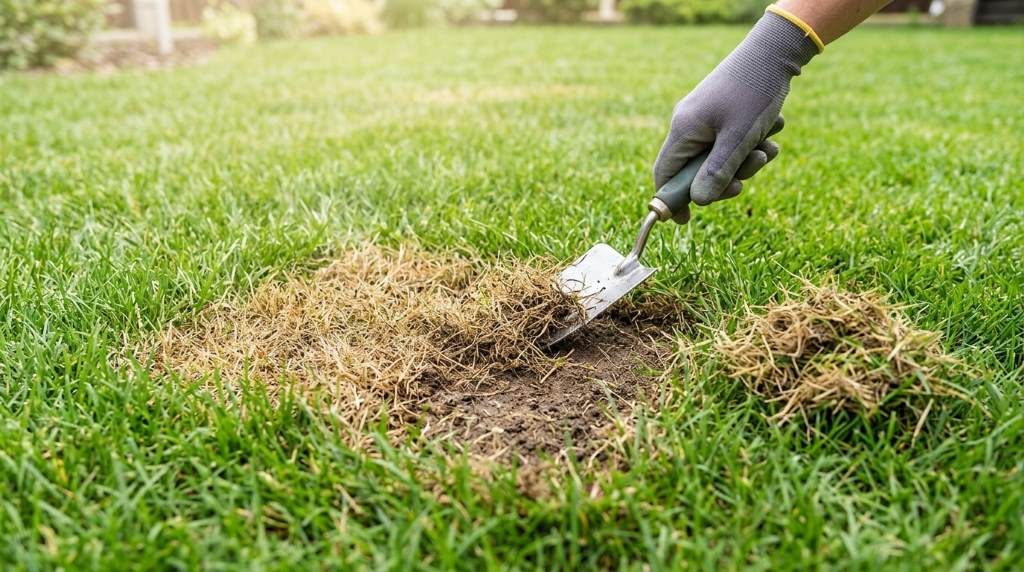
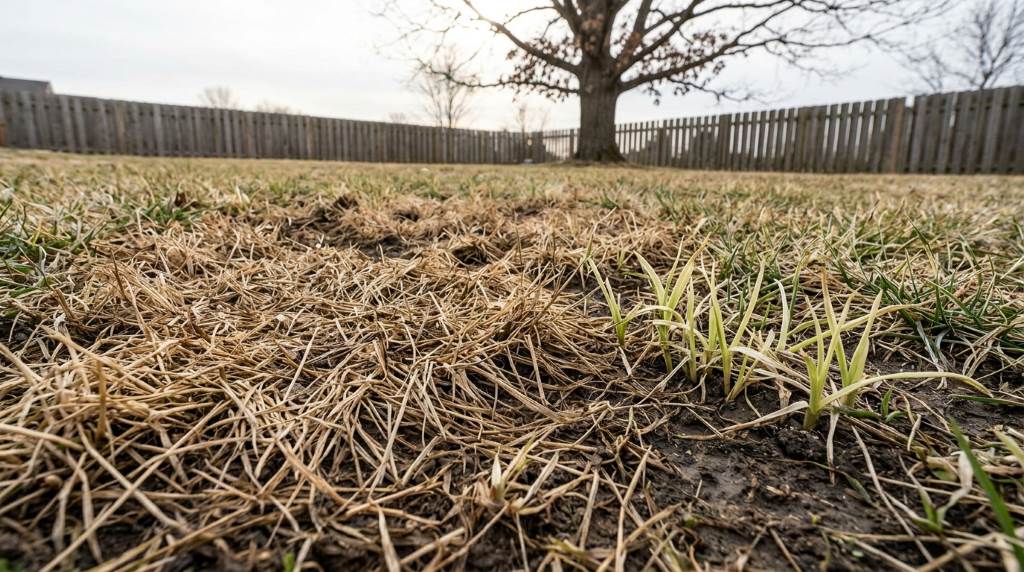
Thatch is a layer of dead grass and organic matter that can block nutrients from reaching the soil. If it’s more than 0.5 inches thick, dethatch your lawn using a rake or dethatching machine. This improves water absorption and root development.
9. Adapt Lawn Care to the Seasons
Different seasons require different lawn care strategies. Spring and fall are the best times to fertilize and overseed. In summer, mow higher and water more deeply. In winter, minimize foot traffic to prevent grass damage.
Featured Snippet: How Do I Keep My Lawn Green and Healthy Year-Round?
To keep your lawn green year-round, follow these steps:
- Mow Correctly: Maintain an ideal grass height of 2.5–4 inches.
- Water Properly: Deep water your lawn once or twice a week.
- Fertilize Seasonally: Use a balanced fertilizer in spring and fall.
- Aerate Annually: Improve soil drainage and root growth.
- Overseed for Thickness: Prevent patchy areas with fresh grass seed.
- Control Weeds and Pests: Use natural solutions for a chemical-free lawn.
- Rake Thatch Buildup: Ensure nutrients penetrate the soil effectively.
- Adapt to Climate: Change care routines based on seasonal needs.
- Use Mulching Mowers: Leave grass clippings for natural nutrients.
By consistently following these practices, your lawn will stay vibrant and lush throughout the year.
FAQs About Maintaining the Perfect Lawn
1. How often should I mow my lawn?
Mow once a week during peak growing seasons. Adjust based on grass type and weather conditions.
2. Is it better to water in the morning or evening?
Morning watering is best. It prevents evaporation and reduces the risk of disease.
3. What’s the best fertilizer for my lawn?
Choose a slow-release, nitrogen-rich fertilizer suitable for your grass type.
4. How do I get rid of weeds naturally?
Use organic mulch, vinegar sprays, and manual removal to control weeds without chemicals.
5. When should I aerate my lawn?
Aerate in fall or spring for the best results. Avoid aerating in extreme heat.
6. How can I prevent lawn diseases?
Avoid overwatering, mow at the right height, and ensure proper soil aeration.
7. Why does my lawn have brown spots?
Brown spots may be due to pests, disease, drought stress, or pet urine. Identify the cause and treat accordingly.
By implementing these nine lawn care strategies, you can achieve a healthier, greener lawn with less effort. Whether you’re tackling weeds, improving soil quality, or adjusting your mowing techniques, these expert-backed methods ensure long-term success. Start today and enjoy a vibrant lawn all year round!