

A gardener’s daily routine is far more than just planting flowers or trimming hedges. The life of a gardener is filled with a wide range of activities that require expertise, dedication, and a keen sense of timing. Whether they are tending to flower beds, landscaping commercial properties, or managing large-scale botanical gardens, their daily schedule is both challenging and rewarding. Let’s take a closer look at the typical day in the life of a gardener.
Early Morning: A Peaceful Start to the Day
For most gardeners, the day begins early, often before sunrise. This is the time to enjoy the calm of the morning while performing routine checks around the garden. According to The Royal Horticultural Society (RHS), early mornings are optimal for inspecting plants for any pests or diseases before the day’s heat kicks in.
In addition to checking for health issues, this time is often used to water the garden. A gardener will often water plants early in the morning to prevent water evaporation, ensuring deep hydration for plant roots. This is particularly critical for plants that thrive in moist environments, like hydrangeas or begonias. Watering in the early morning also helps avoid fungal diseases caused by excess moisture staying on leaves throughout the day.
Pros of an early morning start:
- Ideal for plant health monitoring
- Prevents water evaporation
- Peaceful and focused work environment
However, an early start may also come with its challenges, especially during the colder months when gardeners have to contend with frosty mornings and limited daylight.
Mid-Morning: Planting, Pruning, and Soil Management
Once the sun has fully risen, a gardener’s tasks shift to more physical work. Mid-morning is often the best time for planting new crops or flowers. The soil temperature and humidity are just right for plants to establish roots. During this time, a gardener may spend time preparing soil by adding compost or other organic matter to improve its quality. Soil health is fundamental to plant growth, and gardeners pay close attention to factors such as pH levels, texture, and drainage.
Pruning also becomes a significant part of the gardener’s routine during this time. The National Gardening Association recommends regular pruning to encourage healthy plant growth and increase the flowering potential of shrubs and trees. This task helps maintain the garden’s appearance while preventing overgrowth and reducing the risk of diseases that can spread through dead or diseased plant material.
Pros of midday gardening tasks:
- Plants benefit from optimal soil conditions
- Pruning helps in maintaining garden aesthetics
- Boosts plant health through proper soil management
On the flip side, this stage may lead to more strenuous physical work, which could cause fatigue, especially for larger gardens requiring extensive upkeep.
Read More: How to Restore Soil Health for Sustainable Farming: A Comprehensive Guide
Lunchtime Break: Reflect and Rehydrate
By lunchtime, the gardener will likely have already completed several crucial tasks. It’s time for a well-deserved break. Many gardeners prefer a short rest, rehydrating with water or tea while reflecting on the morning’s activities. During this time, they often make adjustments to their plan for the rest of the day. According to Gardener’s World, taking breaks is essential to prevent burnout and maintain a sharp focus throughout the day.
Cons:
- Skipping breaks can lead to physical exhaustion
- Lack of proper hydration can impact energy levels
Taking a rest, however, does not mean that the gardener is done for the day. After a brief lunch, it’s time to continue the journey of creating and maintaining a thriving garden.
Afternoon: Weeding and Pest Control
The afternoon is often reserved for weeding and pest control. These tasks are essential for maintaining the overall health of the garden. Weeding helps ensure that plants do not have to compete for nutrients, water, or space. The University of California Agriculture and Natural Resources states that weeding also helps reduce the spread of diseases that thrive in the presence of unhealthy, decaying plant matter.
Pest control is equally important. Gardeners monitor for insects and other pests that could cause damage to their plants. Organic gardeners, in particular, rely on integrated pest management (IPM) techniques to control harmful insects and preserve the garden’s ecosystem. Common solutions may include introducing beneficial insects, such as ladybugs, to control aphid populations or using organic pesticides when necessary.
Pros of afternoon tasks:
- Helps maintain plant health and aesthetics
- Effective pest management reduces plant damage
However, these tasks can be time-consuming and often require gardeners to inspect each plant thoroughly, which can become overwhelming when managing larger gardens.
Evening: Final Checks and Preparing for Tomorrow
As the day winds down, gardeners perform their final checks for the day. This includes looking over the plants for any new issues that may have arisen throughout the day, such as wilting or changes in leaf color. It’s also the time to remove any debris from the garden, sweep walkways, and ensure tools are cleaned and put away for the evening.
This part of the day is essential for preparing the garden for the following day’s work. Keeping tools in good condition is vital to a gardener’s productivity. Gardening tools, like shears and spades, need to be sharpened regularly to ensure they perform effectively. According to The Spruce, maintaining tools helps avoid frustration during busy gardening seasons.
Seasonal Adjustments to the Gardener’s Routine
Gardening routines shift with the seasons. In the spring, gardeners focus on planting new seeds, preparing the soil, and ensuring that plants are ready for the growing season. Summer may involve intensive care, including watering, pest management, and frequent pruning. Fall is a time for harvesting crops and preparing the garden for winter. In winter, garden maintenance slows down, but tasks like mulching, pruning, and protecting plants from frost become priorities.
Gardening routines also change depending on the type of garden. Vegetable gardeners have different schedules compared to those tending to ornamental flower beds or landscaping projects.
The Pros and Cons of a Gardener’s Daily Routine
Pros:
- Physical Activity: Gardening is a great form of exercise, providing cardiovascular benefits and improving muscle strength.
- Mental Health Benefits: Studies show that gardening reduces stress and promotes mental well-being. It offers a sense of achievement when plants flourish.
- Satisfaction: A successful gardening routine leads to visible, tangible results that bring immense satisfaction to the gardener.
Cons:
- Physical Strain: Gardening can be demanding on the body, leading to injuries such as sprains or back pain, particularly for those working large gardens.
- Weather Dependency: Bad weather can disrupt a gardener’s daily routine, causing delays in work and additional challenges.
- Time-Consuming: Maintaining a garden can take hours each day, especially for those managing large or diverse gardens. It’s not always a quick task.
Reviews from Professional Gardeners
Many professional gardeners agree that the routine is not for the faint of heart but provides enormous satisfaction. According to The Guardian, professional gardeners often describe their work as a combination of artistic design and scientific knowledge. They appreciate the challenges of working with nature, and many say that it is a lifestyle that requires a passion for the earth.
One experienced gardener, Lisa Miller, mentions, “There’s a deep connection you develop with nature. Every day is different, and every garden offers a new puzzle to solve.”
FAQs About a Gardener’s Daily Routine
1. How many hours a day do gardeners work?
Gardeners typically work 6-8 hours per day, but the workload varies depending on the season and size of the garden.
2. What time of day is best for gardening?
Morning or late afternoon is ideal for gardening, as it avoids the midday heat and allows for optimal soil moisture retention.
3. Is gardening a physically demanding job?
Yes, gardening involves a lot of physical activity, such as digging, lifting, and bending, which can strain the body if not done properly.
4. What tools do gardeners need daily?
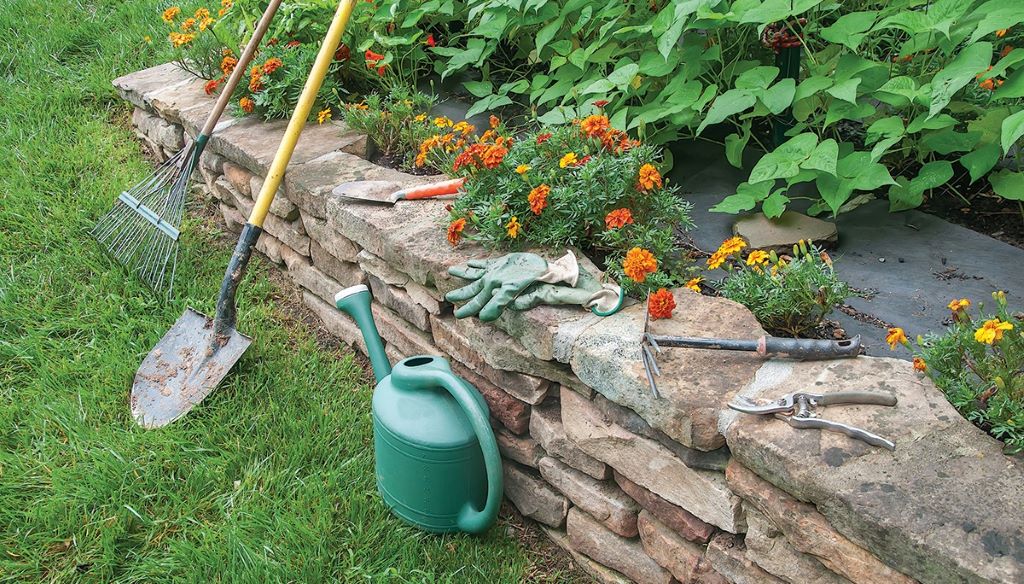
Basic gardening tools include gloves, shears, a spade, a rake, a watering can or hose, and a shovel.
5. How can I improve my gardening routine?
Start by organizing your tasks, investing in good tools, and learning more about your plants’ specific needs. Regular breaks and planning are also essential.
Final Thoughts
A gardener’s daily routine is an intricate blend of physical labor, expertise, and a deep connection with nature. Though it can be challenging, the rewards are vast—visibly thriving plants, a sense of accomplishment, and the joy of contributing to the environment. Whether you’re just beginning your gardening journey or are a seasoned professional, understanding the intricacies of this daily routine can help you maximize your gardening potential.