
Dealing with pest infestations on your lawn can be a frustrating experience. From unsightly damage to the potential for long-term harm, recognizing and addressing these issues promptly is crucial. Are you noticing brown patches, chewed leaves, or an unusual number of insects? Don’t let these problems escalate. This guide will equip you with the knowledge to identify, treat, and prevent common lawn pests, ensuring your yard remains healthy and vibrant.
Identifying Common Lawn Pest Infestations

Early detection is key to effective pest control. Knowing what to look for can prevent minor issues from becoming major headaches.
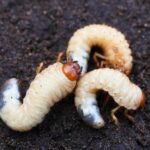
Signs of Grub Infestations
Grubs, the larvae of beetles like Japanese beetles, can wreak havoc on your lawn’s root system.
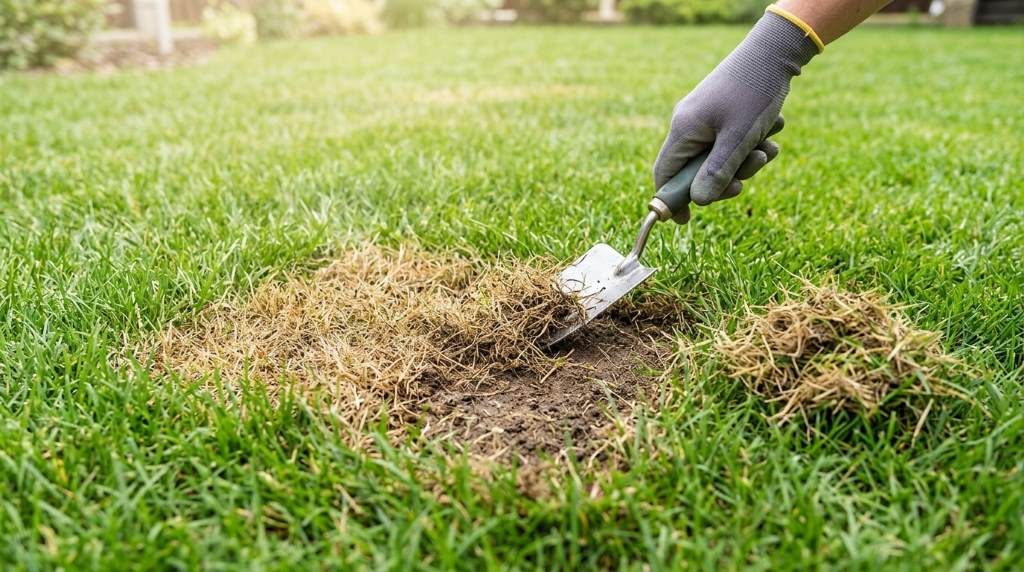
- Brown patches: These often appear in irregular shapes and feel spongy.
- Loose turf: You can often lift the turf easily, as the roots are damaged.
- Increased animal activity: Birds, skunks, and raccoons may dig for grubs.
Detecting Chinch Bug Damage
Chinch bugs are small insects that feed on grass blades, causing significant damage.
- Yellowing or browning patches: These patches typically start near sunny, dry areas.
- Stunted grass growth: Affected areas may appear thin and weak.
- Visible insects: Look for tiny, black and white insects near the base of grass blades.
Recognizing Sod Webworm Activity
Sod webworms are the larvae of lawn moths and can cause significant damage to grass.
- Chewed grass blades: You’ll notice irregular chewing patterns on the leaves.
- Silken webs: These webs may be visible in the early morning.
- Green droppings: Look for small, green pellets near the base of the grass.
Spotting Armyworm Problems
Armyworms are caterpillars that can quickly devastate large areas of lawn.
- Rapid defoliation: Large areas of grass may be stripped bare overnight.
- Visible caterpillars: Look for green or brown caterpillars during the day or evening.
- Increased bird activity: Birds will often feed on these abundant pests.
Effective Treatment Methods for Lawn Pests
Once you’ve identified the pest, choose the appropriate treatment method.
Natural Pest Control Options
For those seeking eco-friendly solutions, natural methods can be effective.
- Beneficial nematodes: These microscopic worms attack and kill grubs and other soil-dwelling pests.
- Diatomaceous earth: This natural powder can dehydrate and kill many insects.
- Neem oil: A natural pesticide derived from the neem tree, effective against various pests.
Chemical Pest Control Solutions
For severe infestations, chemical treatments may be necessary.
- Granular insecticides: These are applied to the lawn and watered in to target soil-dwelling pests.
- Liquid insecticides: These can be sprayed directly on the lawn to target surface pests.
- Always follow label instructions: Ensure proper application to avoid harming beneficial insects and the environment.
Integrated Pest Management (IPM)
Combining multiple strategies for sustainable pest control.
- Regular lawn maintenance: Healthy lawns are more resistant to pests.
- Proper watering and fertilization: Avoid over-watering, which can attract pests.
- Regular inspection: Monitor your lawn for early signs of infestations.
Preventing Future Pest Infestations
Prevention is the best defense against lawn pests.
Maintaining a Healthy Lawn
A healthy lawn is less susceptible to pest problems.
- Aeration: Improves soil drainage and reduces thatch buildup.
- Proper mowing: Avoid cutting grass too short, as this weakens the turf.
- Overseeding: Fill in bare spots to prevent weed and pest infestations.
Implementing Preventative Measures
Take proactive steps to keep pests away.
- Apply preventative treatments: Use beneficial nematodes or other natural solutions in early spring.
- Maintain good drainage: Prevent standing water, which can attract pests.
- Remove debris: Clear away leaves and other debris that can harbor pests.
Understanding the Life Cycle of Pests
Knowing the life cycle of common lawn pests helps with timing treatments.
- Grubs: Target them in late summer or early fall when they are young.
- Chinch bugs: Treat them in late spring or early summer when they are most active.
- Sod webworms: Apply treatments in late spring or early summer.
Tools and Resources for Lawn Pest Management
Equip yourself with the right tools and knowledge.
Essential Tools
- Spreaders: For applying granular treatments.
- Sprayers: For applying liquid treatments.
- Soil testing kits: To assess soil health and nutrient levels.
Discover More: How to Fix a Patchy Lawn: A Comprehensive Guide to Revitalizing Your Yard
Reliable Resources
- Local extension offices: Provide expert advice on lawn care and pest management.
- University agricultural websites: Offer research-based information on pest control.
- Reputable gardening stores: Offer quality products and expert advice.
Monitoring Your Lawn Post-Treatment
After treatment, monitor your lawn for signs of recovery and any recurring pest activity.
- Regular inspections: Check for new damage or insect activity.
- Soil testing: Ensure the soil is recovering and healthy.
- Follow-up treatments: Apply additional treatments as needed.
By understanding how to detect and treat common lawn pest infestations, you can keep your lawn healthy and vibrant. Remember, early detection and consistent maintenance are crucial for effective pest control.
Read More Also: Grass Tastic: Unlocking the Secrets to a Lush Lawn – Reviews, Solutions, and FAQ
Ready to take control of your lawn’s health?
Start by inspecting your lawn today and implement the strategies outlined in this guide. For expert advice or to schedule a professional lawn assessment, contact your local lawn care specialist. Don’t let pests ruin your beautiful lawn!