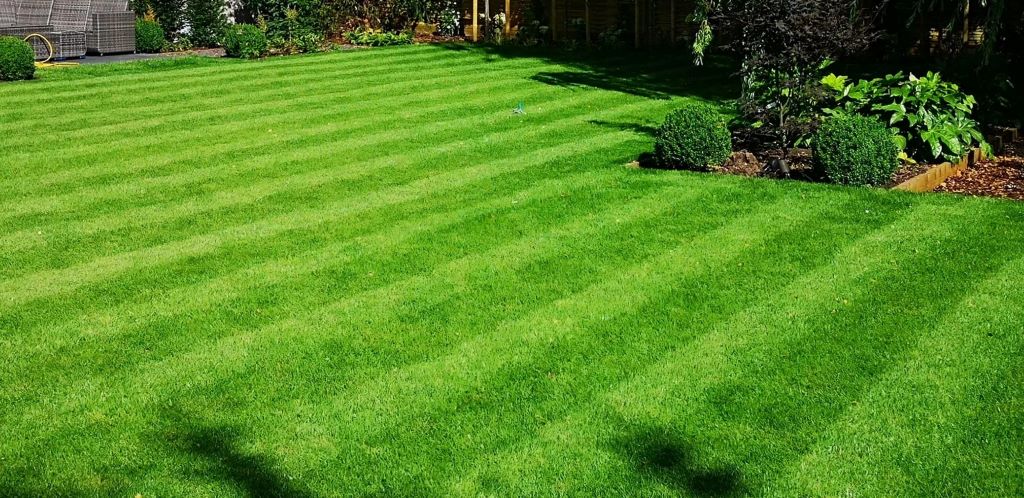

Is your once-pristine lawn now resembling a lunar landscape thanks to your furry friend? Don’t despair! Pet damaged lawn repair is a common challenge for dog owners, but with the right techniques, you can restore your yard to its former glory. This guide will walk you through the steps to fix those pesky holes and patches, ensuring a lush, green lawn that both you and your dog can enjoy.
Understanding the Damage: Why Dogs Dig

Before diving into repairs, it’s crucial to understand why dogs dig. Common reasons include boredom, instinct, seeking cool spots, or even hunting for critters. Identifying the cause can help prevent future damage.
- Boredom: Providing more exercise and mental stimulation can reduce digging.
- Instinct: Some breeds are natural diggers.
- Temperature: Ensure your dog has access to shade and water.
- Pest hunting: Address any underlying pest issues.
Step-by-Step Guide to Pet Damaged Lawn Repair
Let’s get started on the practical steps to fix those holes and patches.
-
Assess the Damage and Prepare the Area
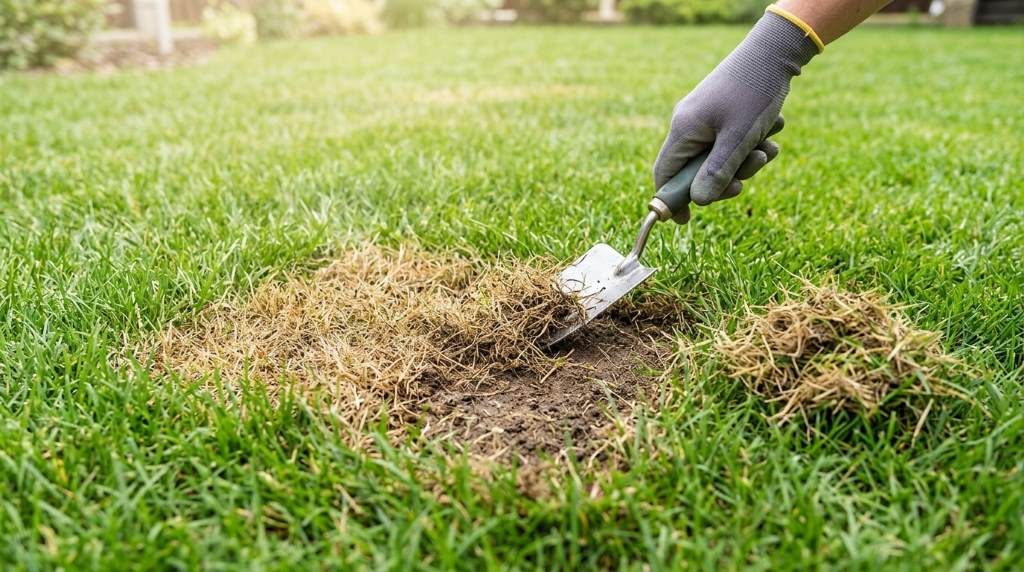
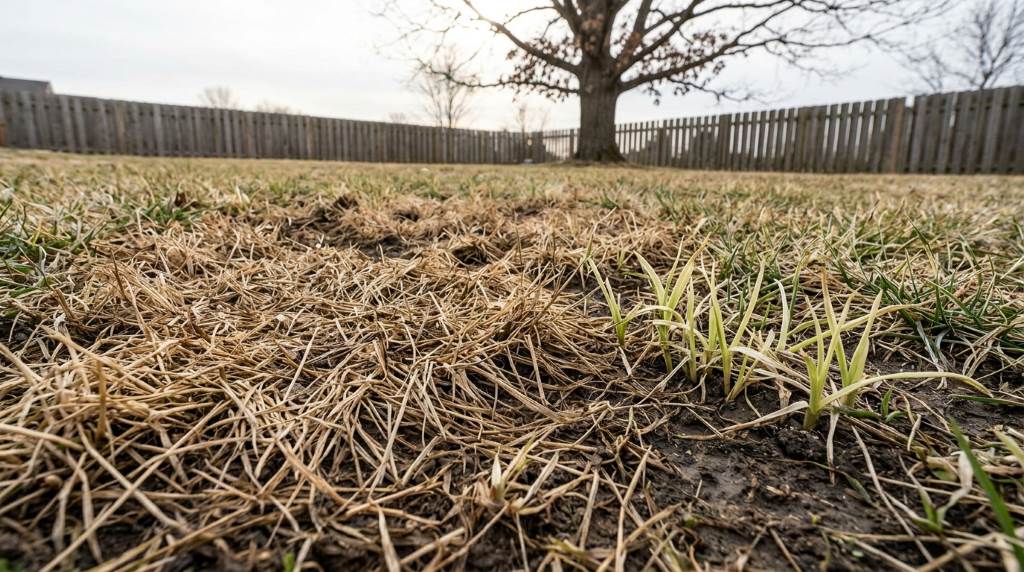
First, evaluate the extent of the damage. Are they small holes or large, bare patches? This will determine the amount of work required for your pet damaged lawn repair.
- Remove any debris, rocks, or loose soil from the affected area.
- Level the ground as much as possible, filling deep holes with topsoil.
- Rake the area to loosen the soil and create a smooth surface.
-
Choosing the Right Soil and Seed or Sod
Selecting the appropriate materials is crucial for successful pet damaged lawn repair.
- Soil: Use a high-quality topsoil or a blend of topsoil and compost to provide nutrients.
- Seed: Choose a grass seed that matches your existing lawn and is suitable for your climate. Consider pet-friendly, durable varieties.
- Sod: For quicker results, consider using sod. Ensure it matches your current grass type.
-
Filling Small Holes and Patches
For minor damage, simple filling and seeding or sodding can work wonders.
- Fill the hole with topsoil, leaving about an inch of space at the top.
- Sprinkle grass seed evenly over the topsoil or lay a small piece of sod.
- Lightly tamp down the soil to ensure good contact with the seed or sod.
- Water the repaired area gently and frequently to keep the soil moist.
-
Repairing Large Bare Patches
Larger areas require more extensive work for effective pet damaged lawn repair.
- Loosen the soil in the bare patch with a garden fork.
- Add a layer of topsoil and compost, ensuring it’s level with the surrounding lawn.
- Spread grass seed or lay sod over the prepared area.
- Roll or tamp down the area to ensure good contact.
- Mulch lightly to retain moisture and protect the seeds.
-
Watering and Fertilizing for Healthy Growth
Proper watering and fertilization are essential for establishing new grass and ensuring a healthy lawn.
- Water the repaired areas daily, especially during the first few weeks.
- Avoid overwatering, which can lead to seed rot or fungal diseases.
- Apply a slow-release fertilizer after the grass has sprouted or the sod has rooted.
- Consider using a pet-friendly fertilizer to avoid harming your dog.
-
Protecting the Repaired Area
Protecting the newly repaired areas from further damage is crucial for successful pet damaged lawn repair.
- Use temporary fencing or netting to keep your dog off the repaired areas.
- Consider using a pet repellent to deter digging.
- Supervise your dog when they are in the yard.
- Train your dog to avoid digging in designated areas.
Preventing Future Damage: Long-Term Solutions
Beyond immediate repairs, consider these long-term strategies.
- Designated Digging Areas: Create a designated digging zone with sand or loose soil.
- Regular Exercise: Ensure your dog gets enough physical and mental stimulation.
- Landscaping Solutions: Use durable ground covers or create raised garden beds.
- Training and Supervision: Supervise your dog and train them to avoid digging.
- Pet-Friendly Lawn Products: Choose fertilizers and pesticides that are safe for pets.
- Consider a durable grass: Some grasses like Kentucky Bluegrass are very durable, and hold up well to pets.
Troubleshooting Common Lawn Repair Issues
- Uneven Growth: Reseed or re-sod patchy areas and ensure even watering.
- Yellowing Grass: Check for overwatering, under-fertilizing, or pet urine damage.
- Weeds: Use a pet-friendly weed killer or hand-pull weeds.
Table: Common Lawn Repair Materials and Uses
| Material | Use | Benefits |
| Topsoil | Filling holes, leveling, soil enrichment | Provides nutrients, improves soil structure |
| Compost | Soil enrichment, adding organic matter | Enhances soil fertility, water retention |
| Grass Seed | Growing new grass from scratch | Cost-effective, variety of options |
| Sod | Instant lawn repair | Quick results, dense coverage |
| Mulch | Moisture retention, weed suppression | Protects seeds, insulates soil |
Read More Also: How to Get Rid of Mushrooms in Your Lawn: A Comprehensive Guide
Call to Action
Don’t let dog-dug holes ruin your beautiful lawn. Take action today! Start your pet damaged lawn repair with these simple steps. Assess the damage, choose the right materials, and follow our guide for a lush, green lawn. Share your success stories and tips in the comments below! Remember, with patience and persistence, you can have a lawn that both you and your furry friend will love.
Read More:
Lawn Care Solutions for Common Grass Problems and How to Fix Them