

Are you struggling to keep your lawn and plants thriving? One of the most common pitfalls for gardeners, both novice and experienced, is understanding the delicate balance of moisture. Determining whether you are experiencing over or under watering can be tricky, but it’s crucial for plant health. This article will guide you through the telltale signs, helping you diagnose and rectify watering issues to ensure your greenery flourishes.
Understanding the Basics: Why Water Matters
Water is essential for plant life. It transports nutrients, supports photosynthesis, and maintains cell structure. However, too much or too little water can wreak havoc. Let’s delve into the specific effects of each.
Over Watering: The Silent Killer
Over watering occurs when the soil remains consistently saturated, depriving roots of oxygen. This leads to a host of problems, often mimicking the symptoms of under watering, making accurate diagnosis vital.
Signs of Over Watering
- Yellowing Leaves: One of the most common signs, indicating root rot and nutrient deficiencies.
- Wilting: Paradoxically, over watered plants can wilt due to oxygen deprivation.
- Soft, Mushy Stems: Indicates fungal infections and decaying roots.
- Algae or Moss Growth: Thrives in consistently moist environments.
- Standing Water or Soggy Soil: Obvious indicators of excessive moisture.
- Foul Odor from Soil: A sign of anaerobic decomposition.
How to Correct Over Watering
- Improve drainage by adding organic matter or perlite to the soil.
- Ensure pots have drainage holes.
- Water less frequently, allowing soil to dry slightly between waterings.
- Relocate plants to areas with better sunlight and air circulation.
Under Watering: The Thirst Trap
Under watering happens when plants don’t receive enough moisture to sustain their needs. This causes dehydration and stress, leading to visible signs of distress.
Signs of Under Watering
- Dry, Brittle Leaves: Leaves become crispy and may curl or drop.
- Slow Growth: Lack of water hampers nutrient uptake and overall development.
- Soil Pulling Away from Pot Sides: Indicates dry, compacted soil.
- Lightweight Pot: Dry soil weighs significantly less than moist soil.
- Visible Cracks in Soil: A clear indicator of severe dryness.
- Flower Bud Drop: Plants may abort flower buds to conserve resources.
How to Correct Under Watering
- Water deeply and thoroughly, ensuring water reaches the root zone.
- Use mulch to retain soil moisture.
- Water more frequently during hot, dry periods.
- Consider using a soaker hose or drip irrigation system.
- Check soil moisture with your finger or a moisture meter.
Distinguishing Between Over and Under Watering: A Quick Guide
| Feature | Over Watering | Under Watering |
| Leaf Texture | Soft, mushy | Dry, brittle |
| Soil Moisture | Soggy, wet | Dry, cracked |
| Root Condition | Rotting, weak | Dry, stunted |
| Growth | Slow, stunted | Slow, stunted |
| Color | Yellowing, pale | Browning, faded |
Lawn Specific Considerations
When dealing with lawns, the signs of over or under watering can be more subtle.
Over Watering Your Lawn
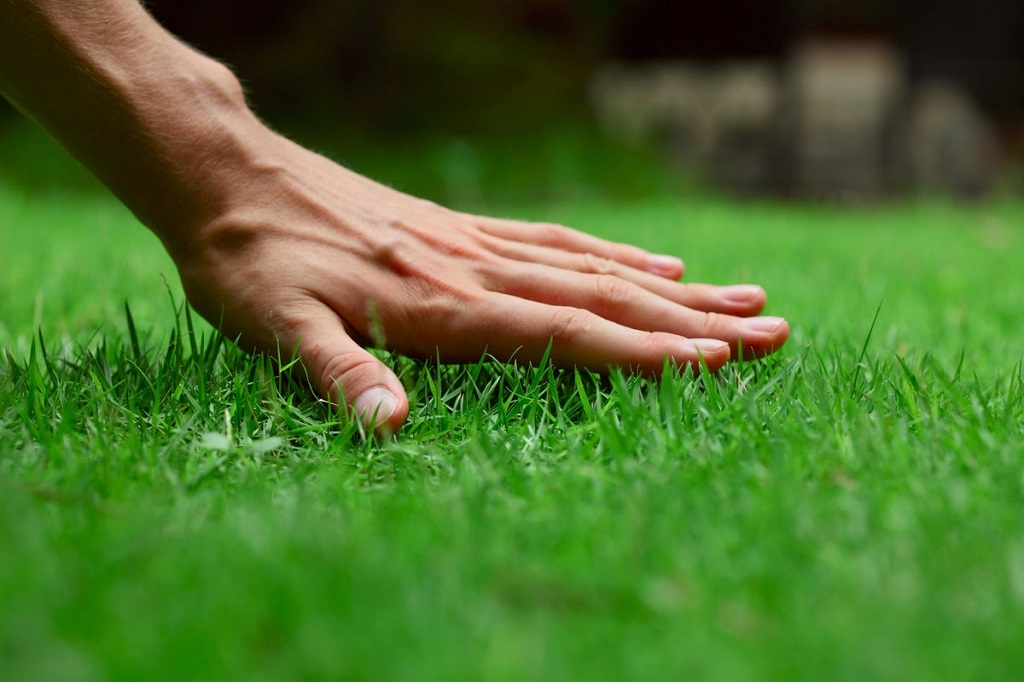
- Spongy Turf: Feels soft and yields when stepped on.
- Weed Proliferation: Weeds like crabgrass and nutsedge thrive in wet conditions.
- Disease Issues: Fungal diseases like brown patch and dollar spot are common.
Under Watering Your Lawn
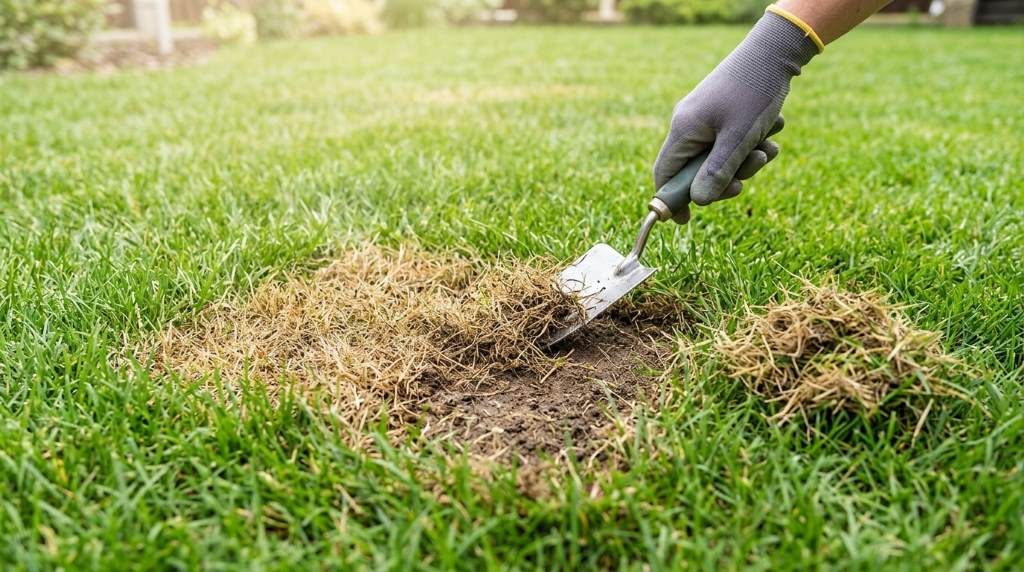
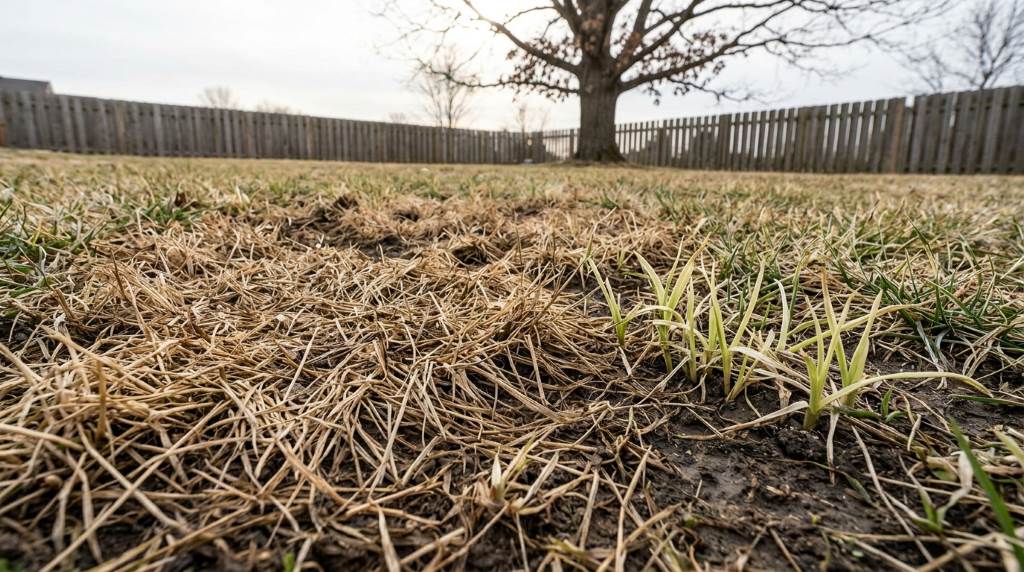
- Brown Patches: Especially in areas exposed to direct sunlight.
- Thinning Turf: Grass becomes sparse and weak.
- Footprints Remain: Grass blades don’t spring back after being stepped on.
Lawn Watering Best Practices
- Water deeply and infrequently, aiming for 1-1.5 inches of water per week.
- Water early in the morning to minimize evaporation.
- Use a rain gauge to monitor rainfall and adjust watering accordingly.
- Aerate compacted soil.
Discover More: How to Fix a Patchy Lawn: A Comprehensive Guide to Revitalizing Your Yard
Plant Specific Considerations
Different plants have different watering needs. Succulents prefer dry conditions, while ferns thrive in moisture.
Succulents and Cacti
- Allow soil to dry completely between waterings.
- Use well-draining soil.
- Signs of over watering include mushy leaves and stem rot.
Tropical Plants
- Require consistently moist, but not soggy, soil.
- Use a moisture meter to gauge soil moisture.
- Signs of under watering include wilting and leaf drop.
Vegetables and Flowers
- Water deeply at the base of plants to encourage root growth.
- Mulch to retain moisture and suppress weeds.
- Signs of over or under watering will vary depending on the specific plant.
Using Technology to Help
- Moisture Meters: Provide accurate readings of soil moisture.
- Smart Watering Systems: Adjust watering schedules based on weather forecasts and soil conditions.
- Rain Sensors: Prevent over watering during rainfall.
Read More Also: How to Detect and Treat Common Lawn Pest Infestations
Conclusion: Achieving the Perfect Balance
Mastering the art of watering is crucial for a thriving garden. Understanding the signs of over or under watering and implementing corrective measures will ensure your plants receive the optimal amount of moisture. Regular observation and adjustments based on environmental conditions are key. By monitoring your plants closely and implementing the tips provided, you can achieve the perfect balance and enjoy a lush, vibrant garden.
Ready to take control of your watering habits?
Start by assessing your soil moisture today. Use a moisture meter or simply check with your finger. If you notice signs of distress, adjust your watering schedule accordingly. Don’t hesitate to research the specific needs of your plants and lawn. For further assistance, consult with a local gardening expert.
Read More:
How Do I Get Rid of Chafer Grubs?