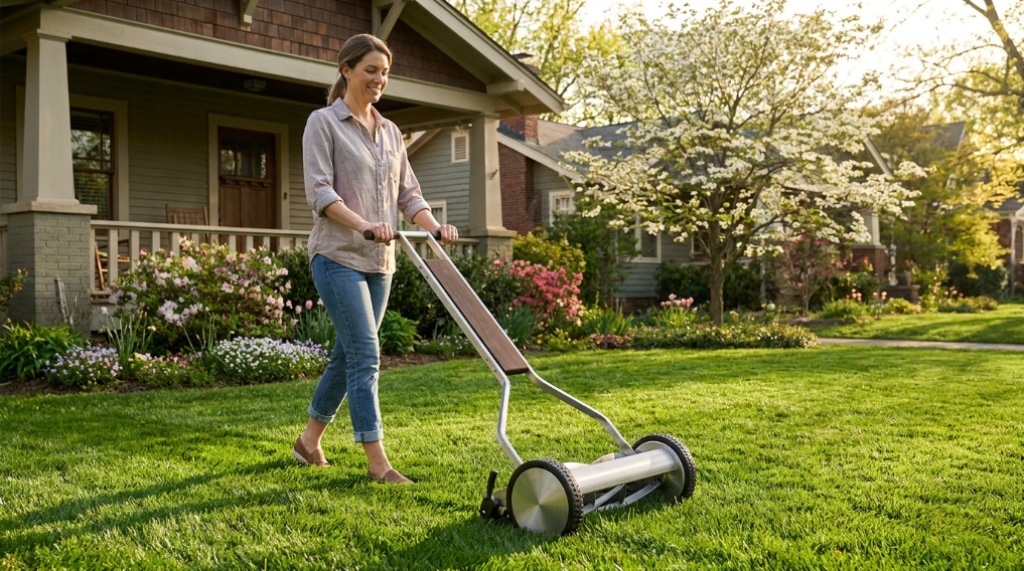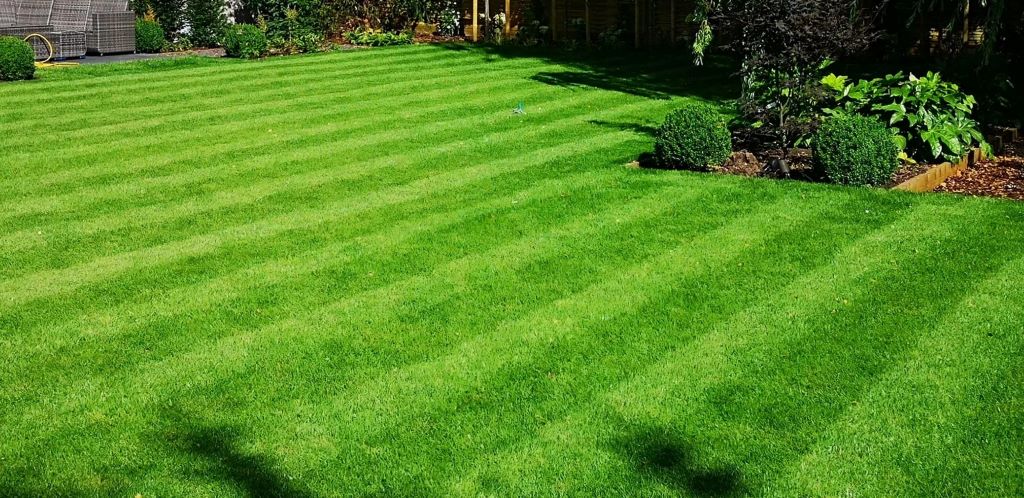

A beautiful, lush green lawn is often the pride of homeowners. However, maintaining one can be a challenge. Various factors, including weather, pests, and improper care, can lead to common grass problems. Fortunately, understanding how to address these issues can help restore your lawn’s health and appearance. In this article, we’ll explore the most common lawn problems and provide practical, expert solutions on how to fix them.
1. Brown Patches and Dying Grass: What Causes Them?
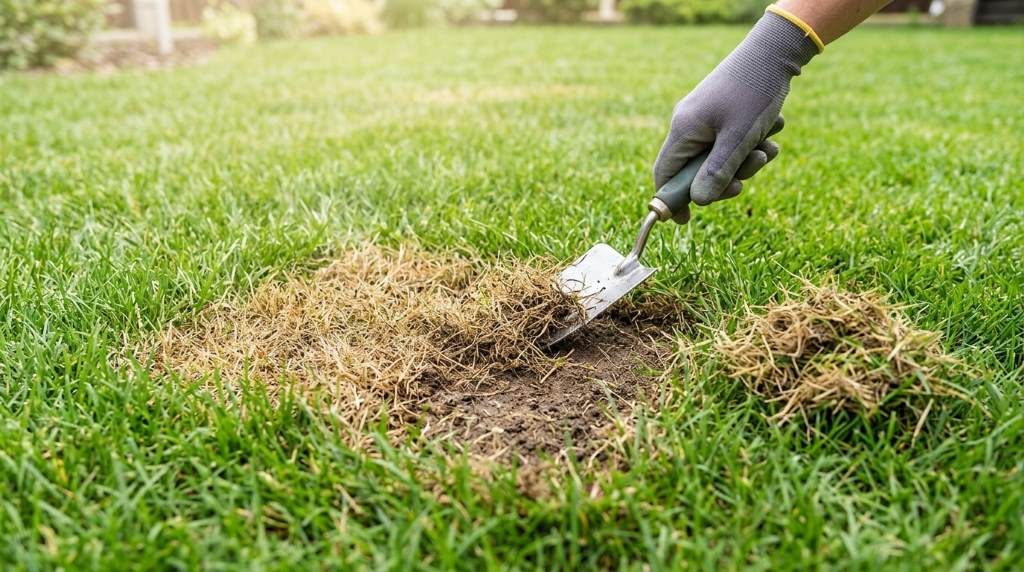
Brown patches are a prevalent issue for homeowners, causing distress for those who strive for a perfect lawn. These unsightly patches can appear suddenly, leaving large areas of grass with an unhealthy appearance. There are multiple causes of brown patches, including disease, drought stress, or over-watering.
How to Fix Brown Patches:
-
Watering Practices: Ensure that you water your lawn deeply and infrequently. Shallow watering promotes root growth near the surface, leading to more susceptibility to drought and disease.
-
Fungicide Treatment: Brown patches can sometimes be a result of fungal infections like “Dollar Spot” or “Brown Patch Disease.” Applying a targeted fungicide can help combat this issue.
-
Aeration: Aerating the soil increases water penetration and encourages grass roots to grow deeper, preventing dry spots.
A study by the University of Wisconsin found that over-watering and poor drainage were responsible for the majority of brown patch cases.
2. Weeds Invading Your Lawn: How to Eradicate Them
Weeds are an unavoidable part of lawn care, but when they take over, they can make your lawn look messy and unhealthy. Common lawn weeds include dandelions, crabgrass, and clover. These invaders compete with your grass for water, nutrients, and sunlight, leaving your lawn vulnerable.
How to Fix Weeds:
-
Pre-emergent Herbicides: Applying pre-emergent herbicides in early spring can prevent weed seeds from germinating.
-
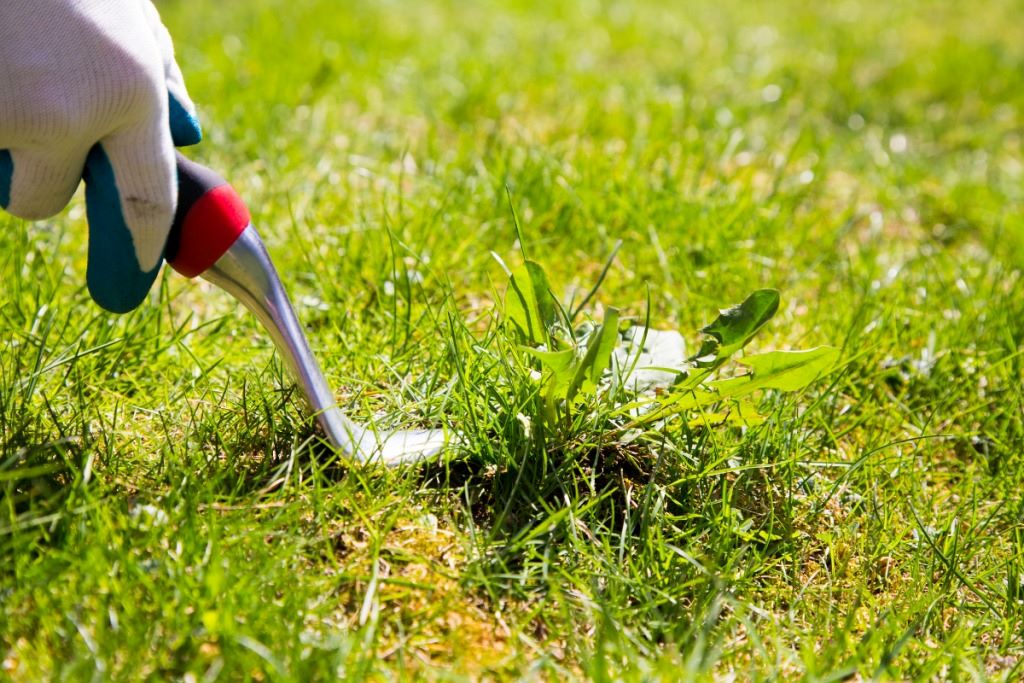
Manual Removal: If weeds have already taken hold, manually pulling them out is an effective but time-consuming method.
-
Thickening the Grass: A dense lawn naturally chokes out weeds. Regularly fertilizing and mowing the lawn helps the grass to grow thick and lush.
According to a report by the National Gardening Association, over 85% of homeowners encounter weed problems in their lawns, especially during spring and early summer.
3. Thin or Patchy Grass: How to Restore Density
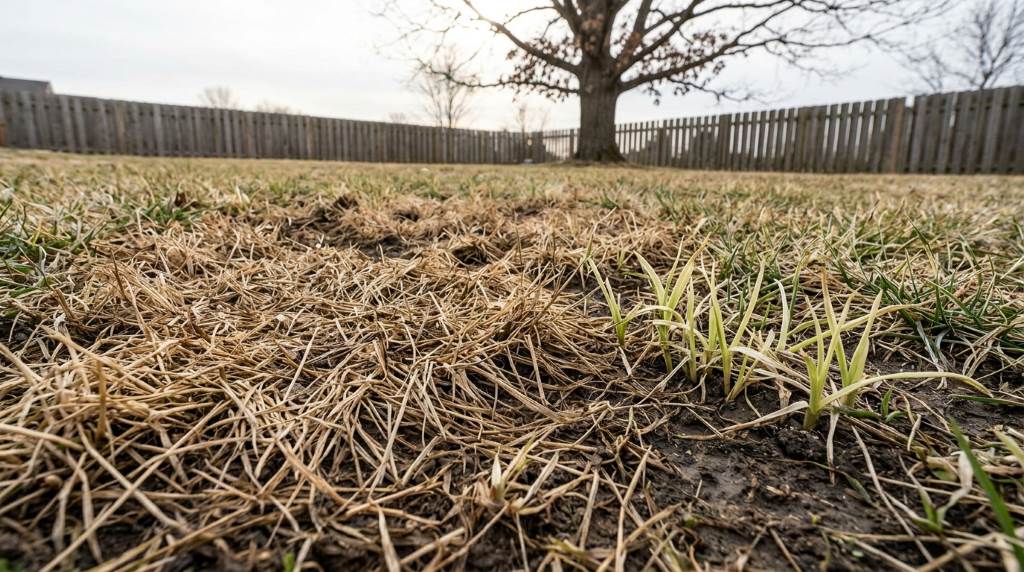
Thin or patchy grass can be an eyesore, often caused by a combination of poor soil, improper watering, or insufficient sunlight. Lack of lawn care can also result in the thinning of the grass.
How to Fix Thin Grass:
-
Overseeding: Overseeding your lawn with grass seed that matches your climate and soil type can fill in bald spots and improve the overall lawn thickness.
-
Fertilization: Apply a nitrogen-rich fertilizer to promote lush growth. Regular fertilization, especially during the growing season, ensures your grass stays thick and healthy.
-
Mowing Techniques: Avoid cutting the grass too short. Taller grass encourages deeper root growth and helps shade out weeds.
A study by Penn State Extension suggests that overseeding can increase grass density by up to 40%, making it an excellent solution for patchy lawns.
4. Poor Soil Health: The Silent Lawn Killer
Poor soil health is often an overlooked issue when it comes to lawn care. If your lawn suffers from stunted growth, yellowing, or a lack of vitality, the problem might be related to the soil quality.
How to Fix Soil Issues:
-
Soil Testing: Before applying any fertilizer, get your soil tested to determine the pH and nutrient levels. This helps you choose the right treatments.
-
Amend the Soil: Add organic matter, such as compost, to improve soil structure and nutrient content. Aerating the soil can also help break up compacted soil.
-
pH Adjustments: If your soil is too acidic or alkaline, adjust it with lime or sulfur to bring the pH into the optimal range for grass growth (6.0-7.0).
Soil health is critical for the lawn’s ability to absorb water and nutrients, and neglecting it can lead to a weak lawn. According to a study by the University of Maryland, lawns with poor soil conditions show a 30% reduction in overall grass growth.
5. Grass Diseases: How to Spot and Treat Them
Just like any other plant, grass is susceptible to diseases, which can quickly damage its health. Common grass diseases include rust, mildew, and root rot. These diseases are typically triggered by poor care, inadequate sunlight, or fungal spores.
How to Fix Grass Diseases:
-
Proper Watering: Watering in the morning allows the grass to dry out during the day, preventing mold and mildew. Avoid watering in the evening, which promotes fungal growth.
-
Fungicide Treatment: Apply fungicides to control fungal diseases. Be sure to choose one that is safe for your grass type.
-
Reseed Damaged Areas: Once the disease has been treated, reseed the affected areas to restore lawn health.
A report from the University of California suggests that diseases caused by fungi are among the top three reasons for lawn damage, with rust being one of the most common.
6. Pest Infestation: Protecting Your Lawn from Insects
Insects such as grubs, chinch bugs, and aphids can cause severe damage to your lawn. These pests feed on grass roots, weakening the plants and making them more susceptible to diseases.
How to Fix Pest Problems:
-
Use Pesticides: Apply insecticides to target specific pests like grubs or chinch bugs. Organic options, like neem oil, can also be effective without harming the environment.
-
Encourage Beneficial Insects: Ladybugs and predatory beetles help control pests naturally. Consider planting plants that attract these beneficial insects.
-
Healthy Lawn Maintenance: A healthy lawn with thick grass is less likely to fall prey to pests. Regular aeration, watering, and fertilizing are key.
According to the National Pest Management Association, pests are responsible for up to 20% of lawn damage in residential areas.
7. Lawn Compaction: The Hidden Problem
Soil compaction occurs when the ground becomes too hard for water and air to penetrate. This prevents grass roots from growing deep, leading to poor root development and thin grass.
How to Fix Lawn Compaction:
-
Core Aeration: Aerate your lawn to break up compacted soil. This allows roots to spread and grow more efficiently.
-
Watering Deeply: Shallow watering exacerbates compaction. Water deeply and less frequently to encourage root growth.
-
Mulching: Apply a thin layer of mulch to help improve soil texture and moisture retention.
A study by the University of Illinois found that lawns subjected to aeration saw a 30% improvement in root health within one growing season.
Expert Tips for Healthy Lawn Maintenance:
-
Regularly test your soil to ensure optimal nutrient levels and pH.
-
Use organic fertilizers when possible to reduce the impact on the environment.
-
Keep your lawn mowed at the correct height. For cool-season grasses, aim for 2.5 to 4 inches, while warm-season grasses should be mowed to 1 to 2 inches.
Featured Snippet: How Can I Fix Brown Patches in My Lawn?
To fix brown patches, water deeply but infrequently, apply fungicides if fungal infections are the cause, and consider aerating your lawn to improve water penetration. Make sure to identify the root cause—disease, drought, or pests—and treat it accordingly for the best results.
Read More: Tackling Common Lawn Problems: A Comprehensive Guide to a Lush, Healthy Yard
7 FAQs About Lawn Care Solutions
-
What causes brown patches in my lawn?
Brown patches are usually caused by over-watering, poor drainage, or fungal infections.
-
How do I prevent weeds from growing in my lawn?
Apply pre-emergent herbicides in spring, and overseed your lawn to promote grass growth.
-
What’s the best time to fertilize my lawn?
Early spring and fall are ideal times for fertilization, when your grass is actively growing.
-
How can I fix thin patches in my lawn?
Overseed, fertilize, and adjust watering to restore density to thin areas.
-
How do I deal with pests in my lawn?
Use targeted insecticides or encourage natural predators like ladybugs to manage pest populations.
-
Why does my grass look unhealthy despite watering?
Over-watering, poor soil health, or pest infestations could be the underlying causes.
-
How often should I aerate my lawn?
Aerate once a year for best results, ideally during the growing season when the grass is actively growing.
By addressing these common grass problems and following the right solutions, you can achieve a lawn that’s not only beautiful but resilient to the challenges nature throws its way. Regular maintenance, proper care, and attention to the specific needs of your grass are the keys to achieving a thriving lawn.
Read More: How to Detect and Treat Common Lawn Pest Infestations: Your Ultimate Guide